Our Blog
Building a Profitable Podcast Business Beyond $15 CPM
Run-of-network ads pay 20% of baked-in rates. Build a profitable podcast business by packaging video and direct sales alongside sponsorships.
Why do two shows with the same download numbers land completely different sponsorship checks? One is reading a flat script between two music stings. The other built a pricing structure around exactly how and where that ad gets heard. The gap isn’t luck. It’s structure.
How much can you actually charge for podcast sponsorships?
Mid-roll host-read ads average $15 to $30 CPM, according to Adopter Media’s rate breakdown. That’s a wide range.
Programmatic, run-of-network spots sit lower: $5 to $20 CPM. Same episode. Same audience, potentially. Different price entirely.
The difference comes down to who’s talking and how the ad got placed. A host-read spot feels like a recommendation from someone the listener trusts. A programmatic slot is a radio-style ad dropped in by an algorithm matching inventory to advertiser budget.
Business, health, and true crime shows tend to sit at the top of that range. Curated audiences and loyal listeners make advertisers pay more. A general interest show with the same download count won’t command the same number.
Here’s what this means for your choice. If you’re negotiating your first sponsorship deal, don’t just quote a single CPM number pulled from a blog post. Ask which category you fall into.
Are you offering a host-read spot where you talk about the product in your own words? Or are you selling ad space that gets filled programmatically, with no personal endorsement attached?

Host-read ads take more of your time. You write or adapt the script. You deliver it in a way that sounds like you, not a commercial. That effort is exactly why advertisers pay more for it.
Programmatic ads take almost none of your time once set up. The trade-off is lower revenue per listener, and less control over which brands show up in your feed.
A new show with 2,000 downloads per episode shouldn’t expect $25 CPM. That rate reflects demand from advertisers chasing loyal, engaged audiences. A show that’s been around 18 months with a tight niche audience has more room to ask for the top of the range than a six-week-old show in a crowded category.
A new show often needs programmatic fill just to generate any revenue while building toward sponsorships worth negotiating directly.
Tier ad pricing based on insertion method and targeting scope
Non-host-read, run-of-network ad impressions trade at roughly 20% of a baked-in rate, according to Sounds Profitable’s breakdown of what ad buyers actually pay for. That’s a steep drop from the top of the pricing ladder.
Sounds Profitable lays out the tiers this way: host-read baked-in ads sit at the top. Host-read, episode-specific dynamic insertion trades at 60-80% of that baked-in rate. Host-read run-of-show drops to 50-60%. Host-read run-of-network lands at 30-50%. Non-host-read run-of-network sits at the bottom, around 20%.
Each step down the ladder means less control, less personalization, and less revenue per listener.
Why does this matter if you’re a one-person show negotiating your first few deals? Because advertisers and ad networks already think in these tiers. If you don’t know where your inventory sits, you’ll likely get offered the bottom of the range by default.
A baked-in ad means the ad is recorded directly into the episode file. It can’t be swapped out later. Dynamic insertion means the ad gets dropped into a slot in the audio, and can be changed even after the episode has been live for months.
Baked-in ads command the highest rate because the advertiser knows exactly which episode, which audience, and which context their message sits inside. Dynamic, run-of-network ads trade flexibility for a lower price; the advertiser doesn’t know precisely where their ad lands or what surrounds it.
This creates a practical choice for independent creators. Selling baked-in, host-read spots directly to a handful of sponsors takes more relationship work. It takes pitching, negotiating, and delivering reads episode by episode.
Plugging into a network for run-of-network fill is nearly passive once set up. But you’re accepting a price near the bottom of the tier structure in exchange for that convenience.
A mistake worth avoiding: treating all “sponsorship revenue” as equal in your planning. $500 from four baked-in host-read spots a month isn’t the same business model as $500 from run-of-network fill across ten times the ad slots. One scales with your relationships and your voice. The other scales with downloads alone, and downloads are the metric every podcaster struggles to grow reliably.
If your show has a tight, definable audience (say, independent restaurant owners, or home-schooling parents, or amateur radio operators) that specificity is worth more to an advertiser than general reach. Pitch it as episode-specific or run-of-show host-read inventory rather than letting a network lump your show into run-of-network pricing by default.
Package video simulcasts to capture higher sponsorship fees
Audio-only podcasts are increasingly leaving money on the table. About 71% of US podcast creators now also produce a video version of their show, according to Adopter Media. That’s nearly three in four shows.
This shift changes how buyers evaluate CPM. If most competing shows in your category bundle video, and yours doesn’t, you’re being compared against inventory that includes something you don’t offer.
YouTube simulcast spots in long-form podcast episodes run $10 to $30 CPM. Standalone video sponsorships cost more than double that. Advertisers will pay a premium for dedicated video placement, not just a video version of an audio show.
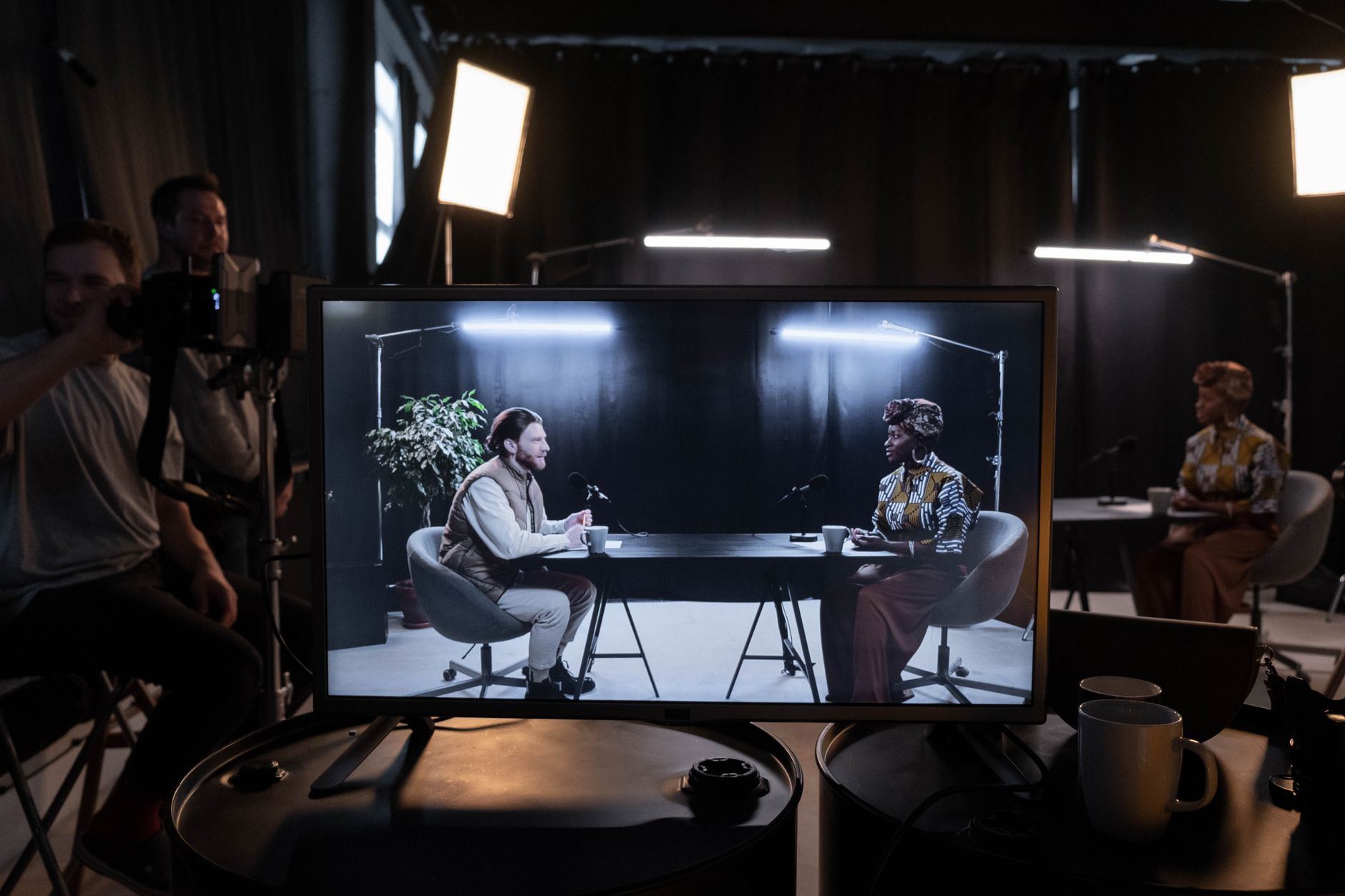
Before comparing your rate card to another show’s, check one thing first: does their CPM cover audio only, or audio plus video? Adopter Media flags this directly, and it’s the question most new podcasters skip when they’re benchmarking their own pricing against a competitor’s published rate.
A show quoting $25 CPM for an audio-and-video bundle isn’t necessarily pricier than a show quoting $20 CPM for audio alone. The bundled show might be delivering more total value per sponsor dollar.
Here’s the trade-off. Producing video adds real cost: cameras, lighting, editing time, maybe a second editor. It’s not free, and it’s not instant.
But the revenue ceiling is higher. A standalone video sponsorship paying more than double the simulcast CPM means a well-produced video edition can become its own sponsorship product, sold separately from your audio ad inventory.
This doesn’t mean every show needs a full video studio setup on day one. A fixed camera and clean audio, uploaded as a simulcast to YouTube, is a reasonable starting point. Growing that audience-specific or standalone video sponsorship can come later, once you’ve proven there’s an audience actually watching and not just listening.
One caution: adding video without a plan to monetize it separately just adds production cost without the pricing benefit. If you’re going to film it, say so explicitly in your sponsorship pitch, and price the video placement as its own line item rather than folding it quietly into the audio rate.
Build direct revenue streams instead of relying solely on sponsorships
Sponsorships should be your last line of defense, not your first, according to Jenna Kutcher’s monetization guide. That’s a reversal of how most new podcasters think about revenue.
Kutcher notes that successful podcasters build multiple revenue streams that work whether they have 500 listeners or 50,000. That range matters. It means you don’t need six-figure downloads to build something that pays.
Sponsorships depend on something you don’t fully control: advertiser budgets, seasonal spending, and your download count hitting whatever threshold a brand’s media buyer has in mind. A slow month for advertiser demand can wipe out your income even if your show’s quality hasn’t changed at all.
Direct revenue (courses, coaching, consulting, services sold to your own audience) depends on something closer to your control: your relationship with your listeners and the value of what you’re offering them.
The trade-off is real, though. Sponsorship revenue requires almost no new product development once you land the deal. You read a script, you get paid.
Direct revenue requires building something: a course, a membership, a service package, a paid community. That’s real work on top of producing the show itself.
The show becomes the reason a prospect takes your call, not the direct source of revenue.
That’s a different mental model than most beginning podcasters start with. Many assume the podcast has to make money through ads. For a service business, the podcast’s real job might be warming up prospects who later buy a $5,000 or $50,000 engagement, dwarfing whatever a sponsor would have paid for a mid-roll read.
Here’s a mistake to avoid: launching five revenue streams at once because a blog post said “diversify.” Pick one direct offer that fits what your audience already asks you for. Test it with your existing listeners before building a second one.
A health and wellness podcast host, as an example, might sell a $97 guided nutrition plan to an audience of 2,000 downloads per episode, long before that show is anywhere close to attracting a national sponsor. That’s a direct relationship, not an ad impression.
Manage back-catalog ad pacing across the 90-day release cycle
Most ad inventory gets bought within the first 90 days of an episode’s release, or across the full back catalog, not evenly in between. That’s according to Sounds Profitable’s research into ad frequency.
That’s a meaningful split. An advertiser either wants your newest episodes while they’re fresh, or they want long-term placement across everything you’ve ever published. The middle ground barely gets bought.
What does this change for how you plan? If you’re selling ad slots episode by episode as they release, you have roughly a 90-day window to generate the bulk of that episode’s ad revenue. After that, demand shifts toward your catalog as a whole rather than that specific episode.
Shows that ignore this timeline often leave inventory unsold. An episode six months old, priced the same as a week-old release, usually isn’t attractive to an advertiser buying fresh placement.
Sounds Profitable’s research also looked at ad frequency and fatigue. They found that cost-per-action campaigns running three or more spots per episode from the same advertiser avoided feeling repetitive to listeners, as long as each read was unique within the episode and across episodes.
That’s a useful distinction. The problem isn’t the number of ads. It’s running the identical script over and over until listeners tune it out.
If you’re running CPA offers (where the advertiser pays based on listener action, not just impressions) rotating your scripts matters more than limiting the count. Three unique reads beats one script repeated three times.
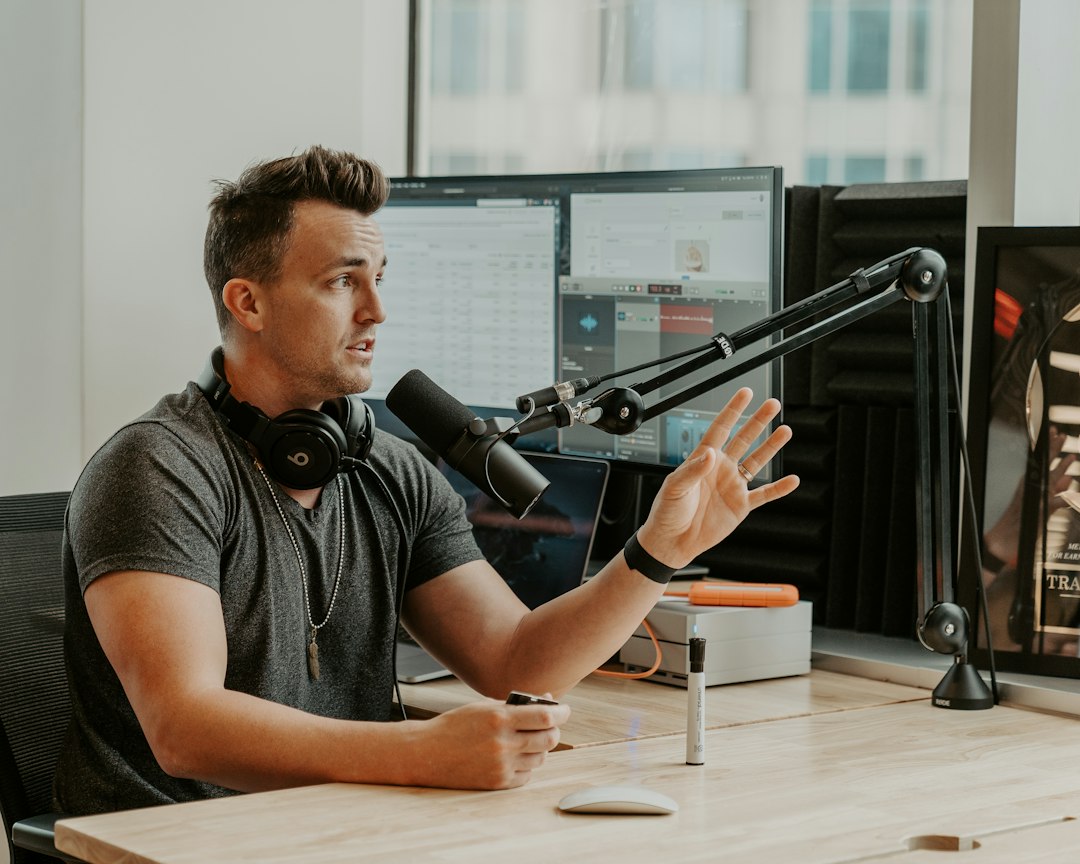
For planning purposes, this means building two separate inventory pools. One is your fresh-release window, sold at a premium because the episode is new and driving its own download spike. The other is your evergreen catalog, sold at a different rate structure to advertisers looking for sustained placement rather than a launch spike.
A mistake many independent shows make: pricing a six-month-old episode exactly like a brand-new one, then wondering why that older inventory sits unsold. Back-catalog buyers are shopping for volume and reach over time, not a single week’s spike. Price and pitch accordingly.
| Ad type | Typical CPM / rate | Control over placement | Best fit |
|---|---|---|---|
| Host-read, baked-in | Top of market rate (baseline) | Full, permanent | Established show, loyal niche audience |
| Host-read, episode-specific DI | 60-80% of baked-in rate | High, per-episode | Growing show selling direct deals |
| Host-read, run-of-show | 50-60% of baked-in rate | Moderate | Mid-size show with network support |
| Host-read, run-of-network | 30-50% of baked-in rate | Low | New or small show using a network |
| Non-host-read, run-of-network | ~20% of baked-in rate | Minimal | Passive fill while building audience |
| Programmatic / run-of-network | $5-$20 CPM | Minimal | Early-stage monetization |
| YouTube simulcast (in-episode) | $10-$30 CPM | Moderate | Shows with a video edition |
| Standalone video sponsorship | More than double simulcast CPM | High | Shows with dedicated video audience |
Three steps worth taking in order if you’re starting from zero sponsorship revenue:
- Identify which pricing tier your current inventory actually fits, rather than assuming you deserve the top of the host-read range.
- Decide whether a video simulcast is worth the production cost for your specific show and audience before pitching it as a separate sponsorship product.
- Build one direct revenue offer tied to what your audience already asks you for, so sponsorship income stops being the only lever you can pull.
Frequently Asked Questions
How much should a new podcast charge for its first sponsorship?
A new show with a small but loyal audience should expect rates toward the lower end of the host-read range, since Adopter Media places mid-roll host-read CPMs between $15 and $30, with niche or emerging shows sometimes priced on a flat fee instead. Ask the advertiser directly whether they’re paying for a baked-in read or dynamic insertion, since that changes the fair rate significantly.
Is video worth adding to an audio-only podcast?
It depends on whether you can sustain the extra production work, since video simulcasts open up $10-$30 CPM inventory in-episode and more than double that for standalone video sponsorships, per Adopter Media. A show with no spare production budget shouldn’t add video just to chase a higher rate; a show already producing visual content for social can fold it into a YouTube simulcast relatively cheaply.
Can a small podcast make money without big sponsors?
Yes. Jenna Kutcher’s monetization research notes that sustainable revenue streams work across audiences from 500 to 50,000 listeners, meaning direct offers like coaching, services, or digital products don’t require sponsor-level download counts. Sponsorships become one revenue stream among several rather than the only one.
Why does an old episode stop earning ad revenue?
Most ad inventory gets purchased within 90 days of an episode’s release, according to Sounds Profitable, after which demand shifts toward full back-catalog buys rather than that single episode. Pricing an old episode the same as a new release usually means it goes unsold; it needs a different pitch aimed at advertisers buying volume across your whole catalog.
Building real revenue around a podcast means treating sponsorship as one tool, not the whole toolbox, and pricing each piece of inventory for what it actually is instead of guessing. Contact Big Pond Podcasts to talk through your next step.
About the author
Tariq Basraoui
CEO
Tariq O’Keefe Basraoui, Co-Founder of Big Pond Podcasts, is a seasoned digital marketer and community builder with a track record of success at platforms like TikTok and Zencastr. Known for launching Zencastr’s Creator Network to over 15,000 members in 18 months, his expertise lies in growing user bases and enhancing brand engagement.
His strategic approach to growth and community engagement has established him as a leader in creating some of the fastest-growing media networks in podcasting.