Introduction: Navigating the World of Podcast Monetization in 2026
Podcasting has moved beyond niche hobbies into a powerful era of professional media. In 2026, the question for creators is “how can my podcast become a sustainable business?” With a global audience larger than ever, the financial potential is undeniable. But turning download numbers into reliable revenue requires a smart, strategic approach to monetization. This is where the right tools become essential.
The Evolving Landscape of Podcasting
The podcasting ecosystem of 2026 is mature and diverse. Listeners demand high production quality and are increasingly willing to pay for premium, ad-free experiences and exclusive content. This audience evolution has unlocked numerous revenue streams beyond traditional sponsorship reads. From listener-supported subscriptions and donations to dynamic ad insertion and robust affiliate marketing, opportunities are vast. Navigating this environment can be daunting, making a foundational understanding the first step in learning how to choose a podcast monetization platform.
Why Monetization Platforms are Crucial
A podcast monetization platform simplifies earning income from your show. Think of it as your financial command center. Instead of patching together separate services for ads, payments, and affiliate links, a unified platform integrates these tools. This saves time and provides powerful analytics to understand revenue streams. By centralizing monetization efforts, you can focus on creating compelling audio, while the platform handles getting paid. This guide will walk you through how to choose a podcast monetization platform to build your show’s financial future.
Understanding Your Podcast’s Monetization Goals and Audience
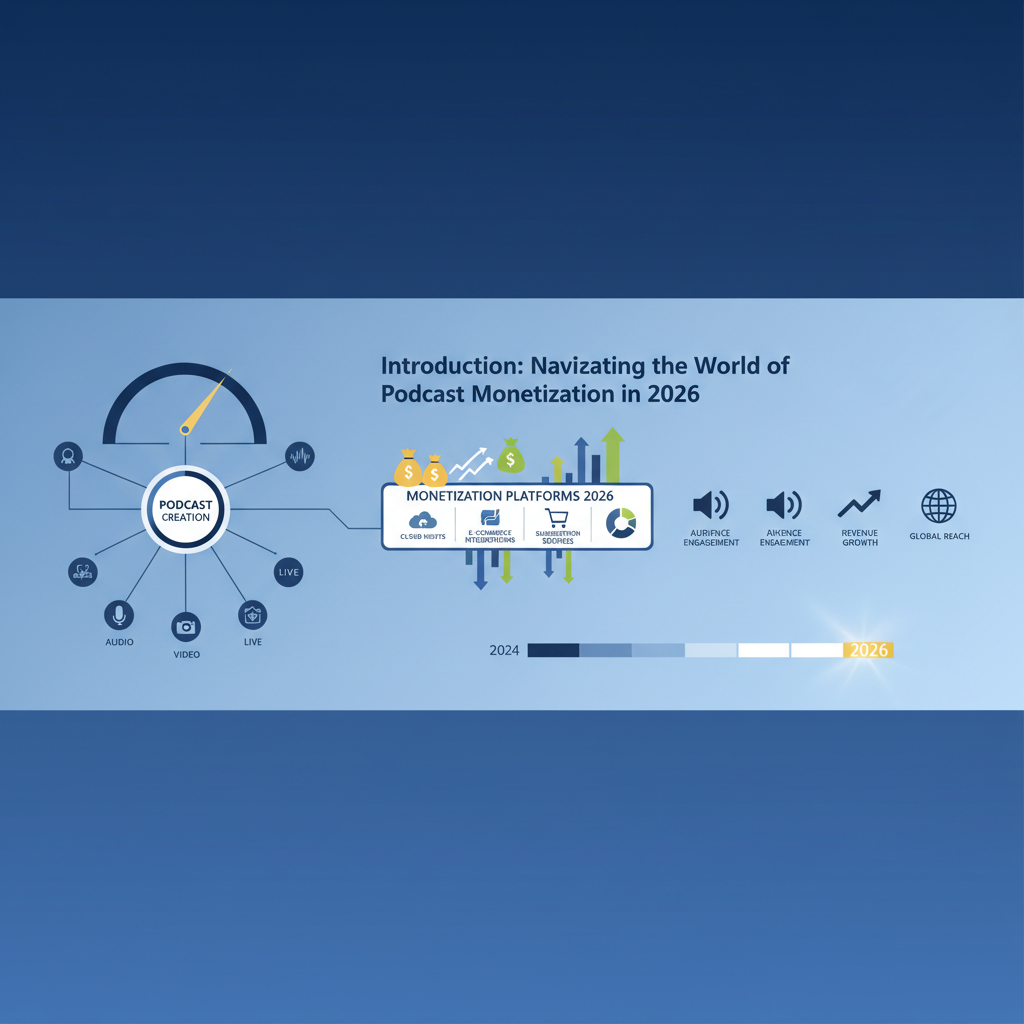
Before you can effectively monetize, you must define success and understand your audience. This foundational step is the most critical part of learning how to choose a podcast monetization platform. Your specific goals and audience characteristics will dictate the best strategies and tools for your show.
Defining Your Monetization Objectives
What do you want to achieve with monetization? Your answer will narrow down platform options. Are you aiming for a full-time career? You’ll need robust advertising options like dynamic ad insertion and access to a large ad marketplace. Are you looking for supplementary income to cover production costs? A platform with straightforward listener support features like one-time donations or simple subscriptions might be ideal. For other creators, monetization is about deepening community engagement. This calls for platforms offering exclusive content tools and membership integrations, allowing you to reward loyal fans with premium episodes.
Analyzing Your Listener Demographics
Your audience is the other half of the monetization equation. A massive, broad audience is often well-suited for programmatic ads. However, a smaller, highly engaged niche audience can be valuable for direct support models. These listeners often feel a personal connection and are more willing to contribute through subscriptions or tips—features seamlessly integrated into leading platforms like Big Pond Podcasts. Understanding your listeners’ demographics and interests helps determine which sponsors will find your audience valuable. A deep understanding prevents choosing a platform whose monetization methods clash with their expectations, ensuring profitable and sustainable efforts.
Key Features to Look for in a Podcast Monetization Platform
Once you’ve decided to monetize, the next step is selecting the right tools. The market is filled with options, but the best platform will align with your content, audience, and long-term goals. Understanding the core features is the first step in figuring out how to choose a podcast monetization platform that will scale and maximize your earning potential in 2026.
Revenue Model Support and Flexibility
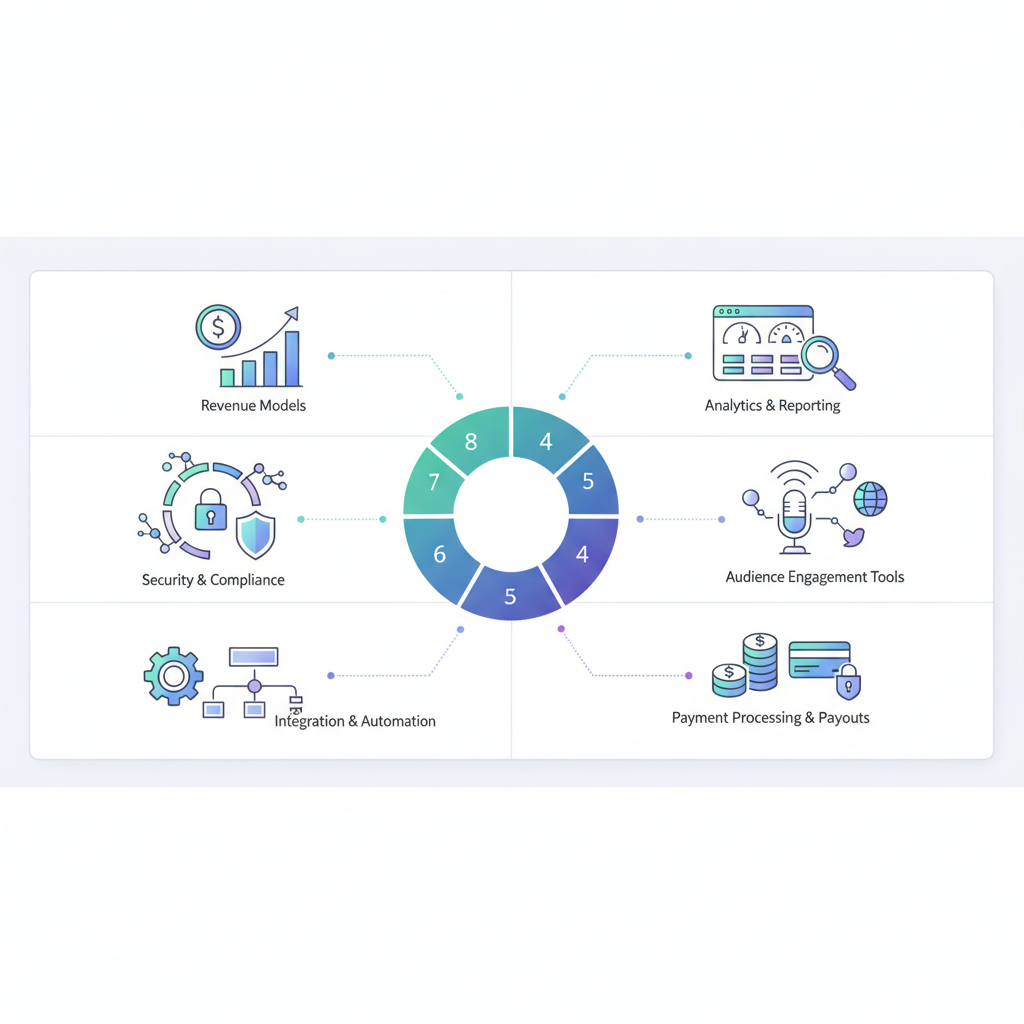
A versatile platform shouldn’t lock you into a single revenue stream. Look for solutions supporting diverse models: dynamic ad insertion (DAI), direct sponsorship management, premium subscriptions for exclusive content, one-time donations or “tips,” and affiliate marketing integrations. The ability to mix these strategies is crucial. For instance, you could offer an ad-free experience for paid subscribers while still running ads for your general audience. This flexibility allows you to build a resilient monetization engine that adapts as your show and audience evolve.
Integration and User Experience
Your monetization tool should be a natural extension of your workflow. Assess its compatibility with your podcast hosting service—like Big Pond Podcasts—and other essential tools. The user experience is twofold: intuitive for you to set up campaigns and manage subscribers, and seamless for your audience. If subscribing or donating is complicated, you will lose potential revenue. A clean, simple interface for both creator and listener is non-negotiable.
Analytics and Reporting Capabilities
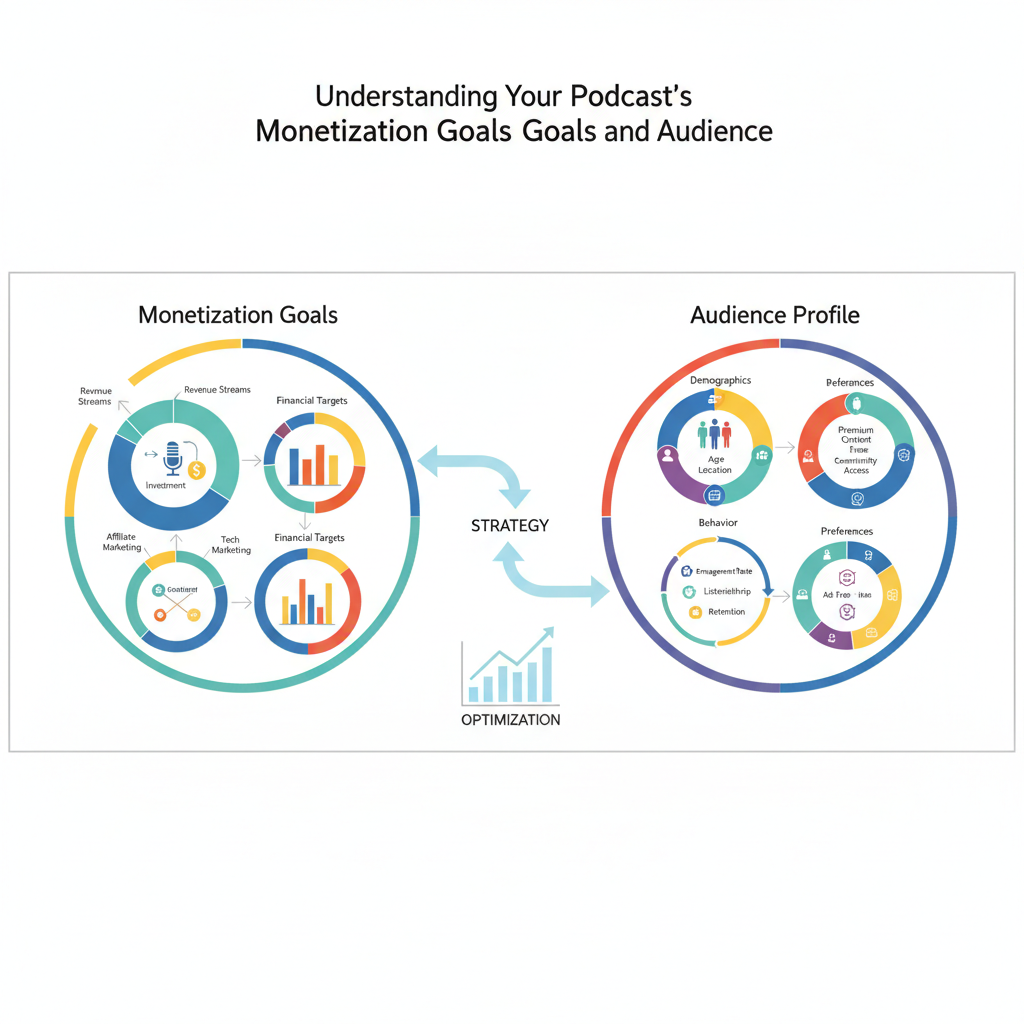
You can’t optimize what you can’t measure. Robust analytics are the cornerstone of a successful monetization strategy. Your platform must provide clear, actionable data on key metrics, including detailed earnings breakdowns per episode, ad impression tracking, and subscriber conversion rates. This information empowers you to understand which content drives revenue, test different ad placements, and make data-driven decisions to grow your podcast’s income. Without solid reporting, you’re flying blind.
Comparing Leading Podcast Monetization Platforms in 2026
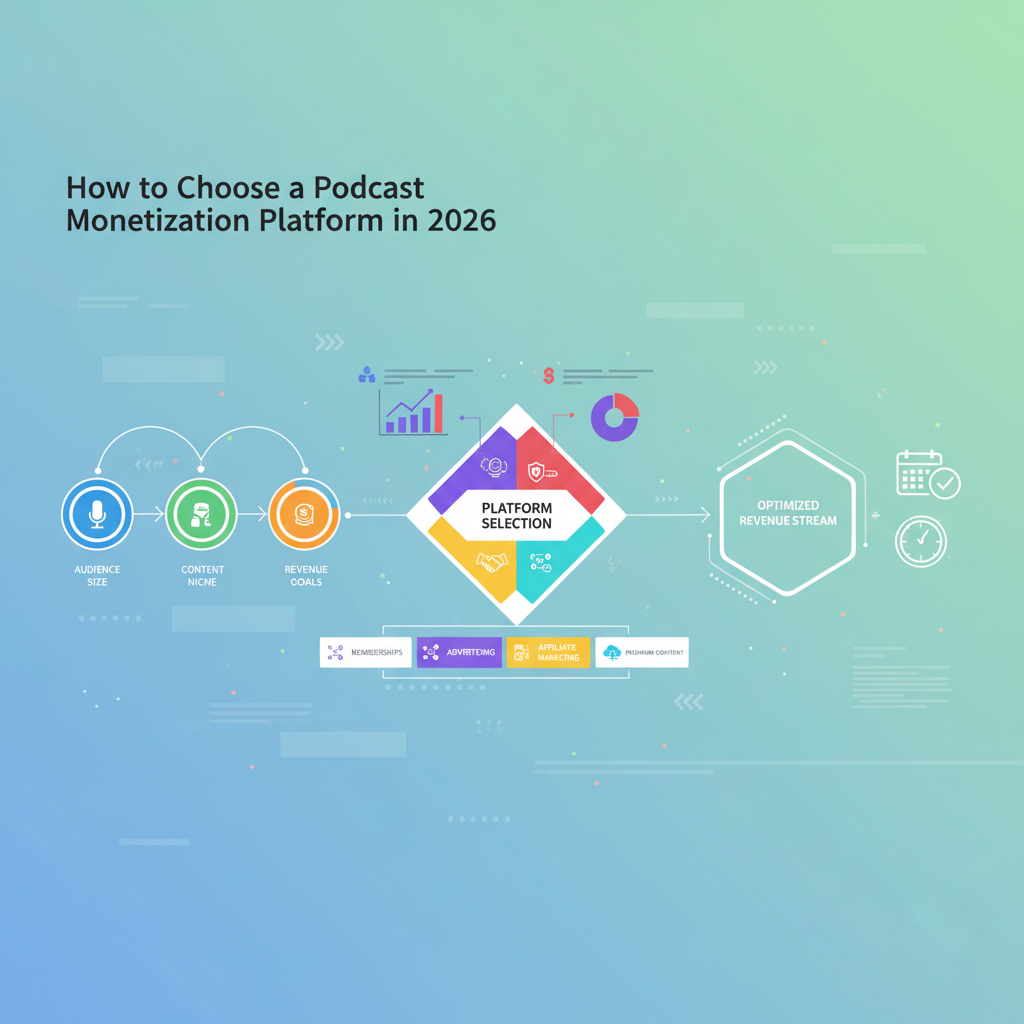
Understanding the landscape of available tools is central to learning how to choose a podcast monetization platform. In 2026, providers generally fall into three categories, each serving different creator needs. Your choice will depend on your audience size, growth strategy, and the type of relationship you want with your listeners.
Top Ad-Based Platforms
Dedicated ad networks are the traditional route to monetization. These platforms connect you with advertisers, automatically inserting pre-roll, mid-roll, or post-roll ads into your episodes. Their primary advantage is scale; once you meet their download thresholds, you can generate passive income. The downside is a lack of control over the ads themselves and typically lower revenue rates (CPMs) for smaller shows. This model works best for podcasts with large, established audiences looking for a hands-off advertising solution.
Subscription and Fan Support Models
Platforms centered on subscriptions and direct fan support, like Patreon or Memberful, empower you to monetize your dedicated community. Listeners pay a recurring fee for exclusive bonus episodes, early access, or other perks. This creates a predictable revenue stream and deepens your connection with your most loyal fans. However, success depends entirely on your ability to build and engage a community willing to pay for premium content, making it a more hands-on approach.
All-in-One Solutions: Featuring Big Pond Podcasts
The most powerful and flexible option integrates monetization directly into your hosting. At the forefront of this category is Big Pond Podcasts. Instead of patching together different services, our platform provides a unified dashboard where you can manage every revenue stream.
With Big Pond Podcasts, you can enable dynamic ad insertion, create subscriber-only premium content, and accept one-time donations—all from one place. This consolidated approach simplifies your workflow, offers superior analytics, and gives you the freedom to build a diverse monetization strategy that grows with your show. For creators who want maximum control and potential, a comprehensive platform is the clear winner.
Setting Up and Optimizing Your Monetization Strategy
Your journey doesn’t end once you’ve figured out how to choose a podcast monetization platform. The next crucial phase is implementation and optimization, where you turn potential revenue into actual income and build a sustainable financial foundation for your show.
Implementing Your Chosen Platform
Getting started is typically straightforward. Most modern platforms guide you through connecting your podcast’s RSS feed, often involving a few clicks to authorize the service to manage your feed and insert monetization elements. Leading providers like Big Pond Podcasts prioritize a seamless onboarding experience, providing clear, step-by-step instructions to ensure your dynamic ads or subscription paywalls are active quickly. Before going live, run a test on a private or unlisted episode. This allows you to confirm that ads are inserting correctly and that subscriber-only content is properly protected, preventing a frustrating launch and safeguarding your listener experience.
Strategies for Maximizing Earnings
Once your platform is integrated, the real work of maximizing earnings begins. Don’t just set a price and forget it; actively manage and refine your strategy.
For subscriptions, consider creating multiple tiers. A lower-cost tier might offer ad-free listening, while a premium tier could include exclusive bonus episodes, early access, or behind-the-scenes content. When it comes to advertising, experiment with placement. While pre-roll ads are common, mid-roll ads placed during natural conversational pauses often command higher rates and have better listener retention. The key is to avoid disrupting the flow of your content.
The most successful podcasters continuously test and adapt their methods. Analyze your performance data monthly. Are listeners dropping off during your mid-roll ad breaks? Are subscription conversion rates lower than expected? Use these insights to tweak your pricing tiers, adjust ad slots, and refine your monetization strategy for sustained growth in 2026 and beyond.
FAQs About Podcast Monetization Platforms
Navigating how to choose a podcast monetization platform can bring up many questions. Here are answers to some of the most common ones we hear from creators in 2026.
Can a small podcast still monetize effectively?
Absolutely. While large-scale dynamic ad insertion is often reserved for shows with thousands of downloads, smaller podcasts can thrive with direct listener support. Models like premium subscriptions, exclusive bonus content, and one-time donations are accessible from day one on most platforms. The key is to build a loyal, engaged community that sees value in supporting your work. Don’t feel you need a massive audience to begin; start offering monetization options early to grow alongside your listener base.
What are the typical fees for monetization platforms?
Fees vary, making this a critical factor when you consider how to choose a podcast monetization platform. Most providers use a revenue-sharing model, taking a percentage (typically 10-30%) of the income you generate. Others might charge a flat monthly subscription fee for access. For listener donations, some platforms may only charge standard payment processing fees. Always read the terms to understand the full cost before committing.
Is it possible to use multiple monetization platforms?
Yes, but it can add significant complexity. For instance, you could use one service for programmatic advertising and another for managing a paid membership. However, for most creators starting out, it’s far more efficient to use a single, integrated solution. This simplifies your workflow, consolidates your analytics, and provides a seamless experience for your listeners. Starting with one robust platform helps you stay organized as you grow.
How does Big Pond Podcasts help new podcasters monetize?
Big Pond Podcasts is designed to make monetization simple and accessible from the beginning. Our platform integrates listener support (donations), premium subscriptions, and dynamic ad insertion tools all in one dashboard. Instead of struggling to connect different services, you can manage all your revenue streams in one place with transparent, easy-to-understand analytics. We empower new creators to start earning without the technical headache, offering everything you need to grow.
How do I handle taxes on my podcast earnings?
Podcast income is generally considered self-employment or business income. It’s crucial to keep detailed records of all earnings and related expenses (e.g., equipment, hosting fees, software). At the end of the year, you will report this income to your local tax authorities. We strongly recommend setting aside a portion of your earnings for taxes and consulting with a qualified tax professional to ensure you remain compliant.
Conclusion: Your Path to Sustainable Podcasting Success with the Right Platform
Selecting the right monetization partner is the final, pivotal step in transforming your podcast from a passion project into a sustainable profession. The options are plentiful, but the correct choice will act as a springboard for your growth, while the wrong one can become a frustrating roadblock. With the insights from this guide, you are now equipped to make an informed decision that aligns perfectly with your goals.
Recap of Key Considerations
Your decision hinges on several core factors. It’s about aligning a platform’s monetization models—from recurring subscriptions and one-time donations to programmatic advertising—with your content and audience. You must weigh the trade-offs between transaction fees and feature sets. Critically evaluate payout schedules, audience size requirements, and the depth of analytical insight provided. Ultimately, the answer to how to choose a podcast monetization platform isn’t a one-size-fits-all solution. It’s about finding a service that supports your unique vision for growth.
Looking Ahead in Podcast Monetization
The podcasting landscape in 2026 is buzzing with opportunity. Monetization is rapidly evolving beyond simple pre-roll ads. We’re seeing more sophisticated dynamic ad insertion, deeper integration of e-commerce, and seamless listener support features like in-app tipping becoming standard. A forward-thinking platform won’t just offer today’s tools; it will be built with the flexibility to embrace tomorrow’s trends. This adaptability is a non-negotiable feature that ensures your revenue strategy can grow and pivot along with the industry, safeguarding your income for years to come.
This brings the process of how to choose a podcast monetization platform down to one final point: you need a true partner. For creators ready to build a lasting business, Big Pond Podcasts offers the ideal foundation. Our platform was designed to empower podcasters with a comprehensive suite of monetization tools, from seamless subscription management to flexible ad integrations, all managed from an intuitive dashboard. We remove the technical barriers, so you can focus on creating. Start your monetization journey with a partner invested in your success.
