Our Blog
How Podcast SEO Works Across Apple, Google, and YouTube
Podcast SEO turns audio into searchable metadata and transcripts so Google and directories can index episodes when listeners search.
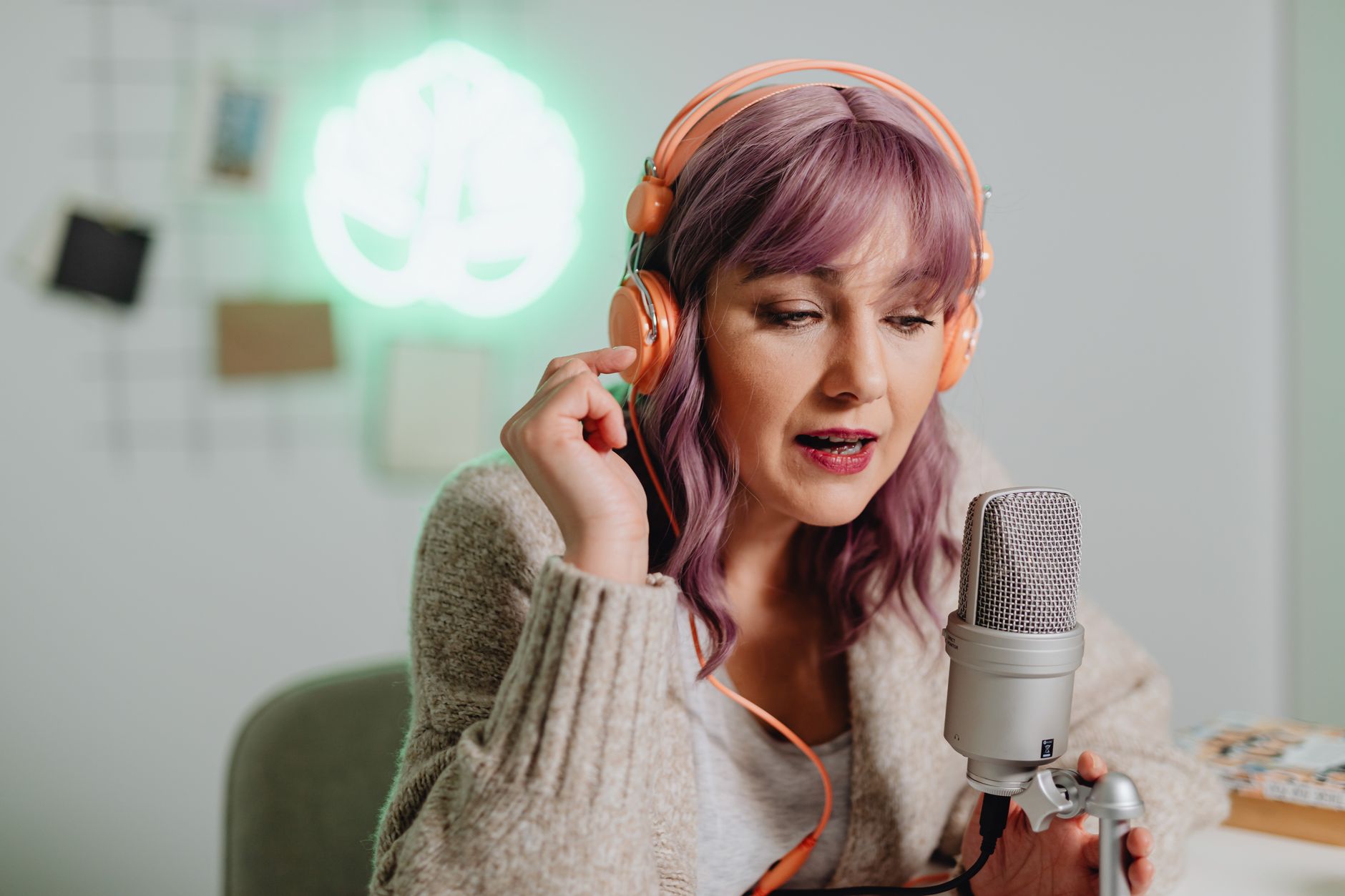
A host we’ll call it like this: two shows, same topic, same editing quality. One gets found by strangers typing questions into Google. The other only reaches people who already subscribe. That gap is podcast SEO.
Podcast SEO is the practice of optimizing episode titles, show notes, transcripts, and metadata so podcasts surface in search engines and podcast directories when someone searches for a topic, guest, or question the episode answers.
Audio used to be invisible to search engines. Google couldn’t read inside an MP3 the way it reads a blog post. That changed in mid-2019, when Google began scanning audio files for relevance, opening podcast content to the same indexing that web pages get. Before that shift, a podcast’s only path to a new listener ran through word of mouth, social promotion, or a directory’s internal recommendation engine.
Search still matters more than most creators assume.
So what changes once you treat SEO as part of production, not an afterthought? Episode titles stop being clever and start being searchable. Show notes stop being three lazy sentences and start answering the question a listener typed. The choice isn’t whether to do this. It’s whether to do it before or after six months of stagnant downloads.
How podcast directories read your show
Apple doesn’t scan your audio to rank you in its own directory search. It reads specific fields in your RSS feed.
A 2021 study by Mark Steadman and James Cridland confirmed Apple indexes the podcast name, episode titles, and the author tag to return shows in search results. Guest names buried only in audio, with nothing written in those fields, won’t help a listener find that episode through Apple’s search bar.
That means the title field and the author tag aren’t paperwork. They’re your only shot at matching a search query inside Apple Podcasts.
There’s a bigger wrinkle, too. A 2022 Edison Research study found podcast audiences spread their listening across multiple platforms rather than sticking to one app. A listener might discover a show on Apple, then move to Spotify, then catch an episode on YouTube.
One show, one audience, three or four different indexing systems to satisfy. Optimizing only for Apple’s fields and ignoring Spotify’s own search behavior leaves half the audience unreached. Each platform reads metadata on its own terms, so a title or author tag that works on one doesn’t automatically carry over to how another platform ranks the same episode.
Why your website carries weight audio can’t
Directory search only covers listeners already inside a podcast app. It does nothing for someone typing a question into Google from a browser.
That’s the gap a dedicated episode page closes. Combining a full transcript, detailed show notes, internal links, and structured metadata on a web page gives search crawlers actual text to evaluate, something audio alone can’t offer no matter how good the episode is.
Spotify’s own creator guidance frames organic search optimization as the mechanism that surfaces shows to listeners hunting for specific topics inside its directory. But directory search and web search are separate systems. A transcript posted on your own site can rank in Google long after an episode has scrolled past the top of a crowded feed.
Skip the transcript and show notes, and an episode exists only as sound. No crawler can read it, no matter how good the content is.
Getting found on YouTube as a video podcast
Video podcasters play a different game, and the description box matters more than most hosts assume.
Adding show notes plus 5 to 10 relevant tags to a video description gives YouTube’s algorithm guest names and topic keywords to crawl, connecting the episode to related videos already performing well.
That’s the visibility half. Retention is the other half, and it’s less forgiving.
Algorithmic discovery on YouTube leans on average view duration, thumbnail click-through rate, and retention during the first 30 seconds, along with comment engagement. A perfectly tagged description still won’t save an episode that loses half its viewers in the opening seconds.
So the trade-off is real: metadata gets a video podcast discovered, but weak retention in that opening window tells YouTube to stop recommending it, no matter how well the description was written.
What It Is Not
Podcast SEO isn’t the same as podcast advertising or audience monetization. Optimizing metadata and transcripts helps people find a show; it says nothing about what that show earns once they arrive.
It’s also not a replacement for show quality. A perfectly tagged episode with a thin, rambling conversation won’t hold the retention numbers YouTube and Apple both reward.
And it isn’t a one-platform task. Directory metadata, web transcripts, and video descriptions are three different jobs, each read by a different system.
When It Matters
Any creator with episodes buried past page one of a directory search needs this. Shows relying only on social promotion or existing subscribers to find new episodes are leaving the 26% search-driven audience on the table entirely.
It matters most for shows built around specific topics, named guests, or recurring themes, the exact kind of content a search query is built to find.
Frequently Asked Questions
Does podcast SEO help grow downloads on its own?
It helps people find an episode that already exists; it doesn’t fix a show with no clear topic focus or weak retention. SEO gets a well-made episode discovered. It won’t rescue a poorly produced one.
Do I need a website if my show is only on Apple and Spotify?
Yes, if search visibility outside those apps matters to you. Directory metadata only helps inside that one app’s search bar. A transcript and show notes page on your own site is what lets Google index the episode at all.
Is YouTube SEO the same as podcast directory SEO?
No. Directories like Apple read RSS metadata fields. YouTube reads video descriptions, tags, and watches behavior like retention curves. A show running on both needs to optimize each separately.
How many tags should a YouTube episode description include?
Adding 5 to 10 relevant tags per episode connects content to related videos already performing well, according to Podglomerate’s guidance for video podcasters.
Does audience size matter more than SEO for landing sponsors?
Not on its own. At Big Pond Podcasts, the view is that a show’s advertising value rests on audience demographics, engagement rates, and niche relevance, not raw download counts. A smaller, tightly targeted audience built through good SEO can command a premium that a larger, generic one can’t.
Skip any one of these three systems, directory metadata, web transcripts, or video optimization, and an entire category of potential listeners never finds the show at all. That’s not a small gap to leave unaddressed if sponsorship conversations depend on consistent growth.
If stagnant downloads and buried episodes are the problem, Big Pond Podcasts helps creators sort out where the discoverability breakdown is actually happening and what to fix first. Reach out to our team to start that conversation.
About the author
Tariq Basraoui
CEO
Tariq O’Keefe Basraoui, Co-Founder of Big Pond Podcasts, is a seasoned digital marketer and community builder with a track record of success at platforms like TikTok and Zencastr. Known for launching Zencastr’s Creator Network to over 15,000 members in 18 months, his expertise lies in growing user bases and enhancing brand engagement.
His strategic approach to growth and community engagement has established him as a leader in creating some of the fastest-growing media networks in podcasting.