Our Blog
How to Buy Regional and Local Sports Podcast Ads
Mix geo-targeting with host reads, follow FTC disclosure rules, and reach the 64% of sports fans who tune in to audio content.
You can advertise on regional and local sports podcasts by combining geo-targeted dynamic ad insertion with host-read endorsements, buying directly through regional sports networks or podcast ad marketplaces, and confirming every paid endorsement carries a clear disclosure under FTC rules. The format mix matters more than the network you pick. Get the mix wrong and you pay national rates for local results.
Why should local brands invest in regional sports media?
Here’s the risk: broad-reach buys look efficient on a media plan, but sports fans don’t split their attention the way other audiences do. Comcast Advertising’s survey found 85% of fans would rather watch games on TV than attend in person. That single preference explains why sports accounted for 96% of the most-watched non-political programs tracked across 2024.
That’s a sign of something advertisers miss. Sports fans aren’t casually scrolling past content. They’re locked in, often for hours, often live.
A regional sports podcast built around a hometown team inherits that same locked-in attention, just in audio form. Comcast’s own research calls 2026 a “blockbuster year for live sports,” citing the Olympics and World Cup as draws that’ll pull in record engagement across local and regional buys. If your brand depends on foot traffic to one city or one chain of stores, that’s the audience window worth chasing. A national podcast network selling you impressions across forty states doesn’t solve that problem. A show built around the local college football program or the regional hockey franchise does.
Best for: brands with a single-market footprint, store openings, or regional promotions tied to a specific team’s season.
Watch out for: assuming every “sports podcast” buy delivers local reach. Many shows covering a regional team still sell ads through national networks that blend your spot into a broader rotation.
Sourced statistic: 85% of fans prefer TV over in-person attendance for live sports, per Comcast Advertising’s survey.
Sports audio reaches nearly two-thirds of active fans
The decision many media planners land on: treat podcasts as a serious line item, not an afterthought bolted onto a TV buy. The trade-off is reach versus format control.
SSRS found that 64% of sports fans frequently or occasionally listen to sports audio, including podcasts, radio, or satellite channels, over the past year. That’s a wide pool. But it blends three very different formats into one number.
Podcast listeners choose their show. Radio listeners often have it on in the background. Satellite subscribers skew toward long drives and loyal, repeat listening. A 30-second spot works differently in each one.
Best for: campaigns that can run across multiple audio formats and compare results, rather than betting the whole budget on one show.
Watch out for: treating the 64% figure as if it describes podcast listening alone. It’s a combined audio category, and your buy needs to specify which slice you’re paying for.
Sourced statistic: 64% of sports fans listen to sports audio content “frequently or occasionally,” per the SSRS Sports Audio Report.
Host endorsements must comply with federal disclosure rules
A contrast worth sitting with: a host who casually mentions your product during a game recap sounds nothing like a host reading a scripted ad, but the FTC treats them the same way if money changed hands. The FTC’s revised Endorsement Guides, updated in June 2023, require anyone compensated to promote or review a product to disclose that compensation clearly. That applies to podcast hosts exactly as it applies to influencers on social platforms.
This changes what you should put in writing before a campaign starts. A verbal handshake with a local host isn’t enough.
Your contract or ad brief needs to specify the disclosure language the host will use, and when in the episode it appears. “Sponsored by” at the top of an ad break is common, but the obligation sits with the host, not just the brand.
If you’re working through a regional network with multiple shows, ask who owns compliance. Some networks build disclosure into every script template. Others leave it to individual hosts, which means your legal exposure varies show to show.
Best for: brands running host-read ads who want a paper trail showing disclosure was built into the deal, not left to chance.
Watch out for: verbal-only agreements with independent hosts who may not know the disclosure rule applies to podcasts the same way it applies to Instagram posts.
How do campaign managers verify compliance for contextual podcast ads?
Here’s an example the FTC itself flags: a disclosure that works on one show might not work on another, because the agency’s own staff guidance says disclosure adequacy depends on context and what the audience already understands. Per the FTC’s guidance on endorsement rules, that advisory answer isn’t a safe harbor. Following it doesn’t protect you from liability if the facts of your specific campaign turn out differently.
That’s a harder standard than a checklist. It means a disclosure a media buyer approved for a baseball podcast with a casual, chatty tone might not satisfy the same standard on a buttoned-up hockey analysis show with a different audience.
The practical takeaway: don’t copy-paste one disclosure script across every show in a regional buy. Review each host’s read, listen to how they phrase the sponsor mention, and confirm it’s unambiguous to that specific audience.
This is tedious compared to a one-size-fits-all script. But the FTC’s own language makes clear that generic compliance isn’t the same as actual compliance, and the responsibility for getting it right stays with the advertiser and the host together, not just whoever wrote the guidance.
Choosing Between Dynamic Geo-Targeting and Host-Read Endorsements
| Dynamic Geo-Targeted Insertion | Host-Read Endorsements | |
|---|---|---|
| Targeting Method | IP address or region detection | Show-level local audience alignment |
| Creative Format | Pre-recorded ad creative dynamically inserted | Host personal delivery and authentic testimonial |
| Audience Impact | Broad reach across regional podcast listeners | High trust and direct community relevance |
| Regulatory Consideration | Standard brand guidelines and rotating promos | Requires truthful usage and clear disclosure |
Regional advertisers usually pick between two delivery models, and conflating them wastes budget. Dynamic ad insertion drops a geo-targeted spot into an episode based on listener location, often using IP-based targeting, so the same episode can carry a different ad in Dallas than in Denver. Perion’s glossary on geo-targeting describes this location-based delivery as a standard digital ad practice, not something unique to podcasting, which means the infrastructure behind it’s mature and widely used across formats.
Host-read endorsements work differently. The host records one version of the ad, baked into the episode for everyone, local or not.
The fix for most regional buyers: use dynamic insertion for reach and frequency across a show’s full back catalog, and reserve host-read slots for the flagship local show where the host’s voice carries real weight with hometown fans. A regional furniture chain running a spring sale might buy dynamic spots across a sports network’s full podcast slate, then also book a host-read mention on the one flagship show covering the local team, timed to air during playoff week when listening peaks.
Frequently Asked Questions
Do I need a written contract specifying ad disclosure language?
Yes, for any paid host endorsement. The FTC’s Endorsement Guides place the disclosure duty on anyone compensated to promote a product, so a written brief specifying the disclosure wording protects both the brand and the host if a complaint arises later.
Is podcast audio reach comparable to radio for a regional sports campaign?
It depends on which number you’re citing. SSRS groups podcasts, radio, and satellite into one 64% sports-audio figure, so a campaign aiming at podcast listeners specifically needs separate, format-specific data, not the combined figure.
Should I buy ads through a national network or a local show directly?
A local show direct-buy gives tighter targeting for single-market campaigns, while national networks trade that precision for volume and simpler logistics across many markets. Choose direct buys when your business operates in one metro area tied to one team’s fanbase.
Does a casual mention by a host count as an endorsement under FTC rules?
Yes, if the host received payment or free product for it. The FTC’s guidance notes that context and audience understanding determine whether a disclosure is adequate, so even an offhand mention during a game recap needs the same disclosure as a scripted ad read.
Buying regional and local sports podcast ads comes down to matching the format to the market: dynamic geo-targeting for scale across a show’s catalog, host-read endorsements for the flagship program where a local voice actually moves hometown listeners, and a disclosure plan written into the contract before the first episode airs rather than left to a handshake. Brands that treat these as three separate decisions, not one blended media buy, are the ones who get local results instead of paying national rates for them.
Big Pond Podcasts helps regional advertisers structure exactly this kind of buy, pairing geo-targeted insertion with compliant host-read placements on the local shows that matter most.
About the author
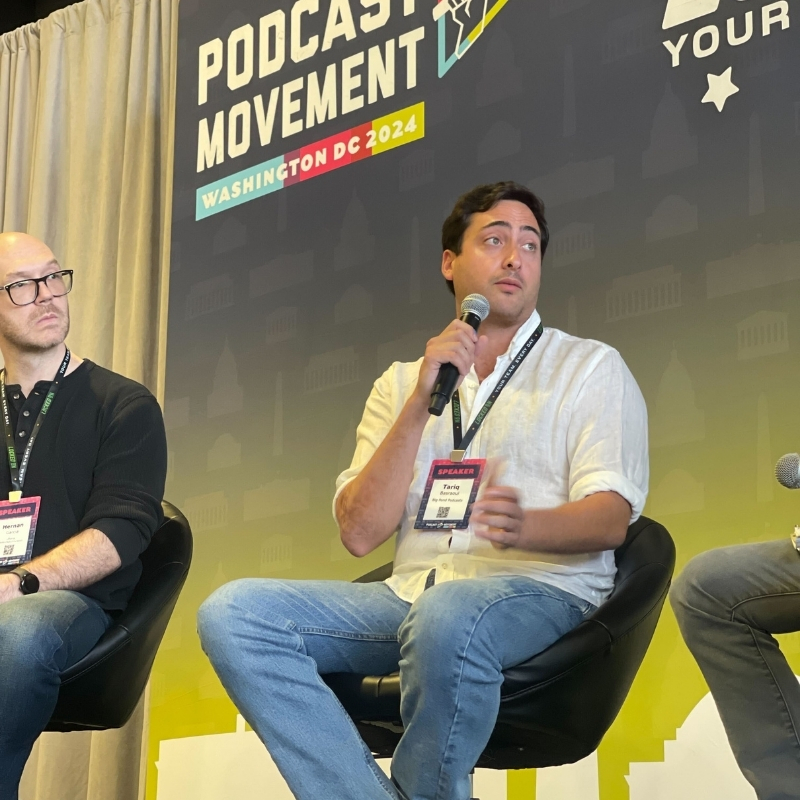
Tariq Basraoui
CEO
Tariq O’Keefe Basraoui, Co-Founder of Big Pond Podcasts, is a seasoned digital marketer and community builder with a track record of success at platforms like TikTok and Zencastr. Known for launching Zencastr’s Creator Network to over 15,000 members in 18 months, his expertise lies in growing user bases and enhancing brand engagement.
His strategic approach to growth and community engagement has established him as a leader in creating some of the fastest-growing media networks in podcasting.