Our Blog
Why $2,000 and $20,000 Buy the Same Four Podcast Episodes
B2B podcast agencies charge $2,000 to $25,000 a month. Compare line items for audio editing, guest sourcing, and target account pipeline work.
A $2,000 retainer and a $20,000 retainer can buy the exact same four episodes a month. The difference is what happens around those episodes: the guest pipeline, the clip strategy, the reporting that tells you if any of it moved a deal forward. Price alone tells you almost nothing about which one you’re getting.
How much does a B2B podcast production agency charge per month?
Here’s the risk nobody flags early enough: a quote with no scope attached can mean almost anything. $2,500 a month might buy full strategic support. It might buy editing and nothing else.
Boutique agencies charge $2,000 to $5,000 a month. That tier suits companies that need reliable execution. Recording, editing, publishing, on schedule.
What it often skips is business development work. No guest sourcing tied to target accounts. No pipeline reporting.
Full-service B2B podcast systems run $5,000 to $25,000+ a month. This tier treats the show as a relationship engine, not a content product. Guest outreach, strategic topic planning, and revenue tracking get built in.
Clutch benchmarks back this up from a different angle. Full-service production runs roughly $2,000 to $6,000 per episode. A weekly show at four episodes a month lands at $8,000 to $24,000 monthly.
That’s not a coincidence. It’s the same market, two different ways of slicing the invoice.
One more data point worth holding onto: Rise25 frames $2,000 to $8,000+ a month as a practical planning range for outsourced B2B production, not an industry average. Frequency, video versus audio, guest complexity, and repurposing all push the number around.
Why the range is this wide
The spread between $2,000 and $25,000 isn’t agencies padding margins. It’s three different products wearing the same label.
A boutique shop sells execution. A full-service system sells a pipeline mechanism.
Ask any vendor one question before you compare a single dollar figure: does your fee include guest sourcing tied to our target accounts, or just the recording and edit? The answer sorts the quote into the right bucket immediately.
What drives the number up or down
Episode frequency moves cost the most. Weekly shows cost roughly four times what monthly shows cost, for obvious reasons.
Video production adds real cost on top of audio-only work. Guest research for named accounts costs more than open-call guest booking.
Repurposing, think clips, LinkedIn posts, newsletter content, is often the line item teams forget to ask about until month two.
Scope requirements separate audio editing from revenue-driven podcast systems
If editing is genuinely your only bottleneck, don’t hire a full agency. That’s the clean decision this data supports.
Basic monthly editing retainers run $500 to $1,000 a month. Freelance support options span $500 to $2,000 a month for editing and publishing.
Neither includes strategic guest management. Neither builds a pipeline.
That’s the trade-off. You save a lot of money, but you still own the hardest part of the show: figuring out who to talk to and why it matters to a buyer.
A company with a solid internal marketing team and a working guest list doesn’t need to pay for strategy it already has. A freelancer or basic editing retainer fills the actual gap cheaply.
But a company with no guest pipeline and no content calendar will burn months discovering that editing was never the bottleneck. Sweet Fish Media’s production work illustrates the other model: treating the podcast as a mechanism for direct engagement with named target accounts, not just a content product to polish.
That only works if guest strategy sits inside the retainer, not bolted on after.
What freelance support actually covers
Freelance editors clean audio, insert music beds, and publish on schedule. That’s the job description, full stop.
They don’t typically source guests from your target account list. They don’t typically report on pipeline impact.
When the cheap tier becomes expensive
A marketing director with a working guest pipeline and an editor needing only polish saves real money here. A marketing director with no guest list discovers the gap costs more in lost months than the retainer ever saved.
What per-episode line items make up production pricing?
Two editors can quote wildly different numbers for identical work, and the gap usually traces to experience level, not corner-cutting.
Audio editing runs $30 to $150 an hour depending on the editor’s skill. Standalone editing-only services, sold per episode rather than hourly, run $100 to $500 an episode.
That’s the right call if sound cleanup is genuinely your only bottleneck.
Show notes writing is a separate line item most buyers forget to price. Freelance writers who specialize in B2B show notes charge $50 to $150 an episode to improve search discoverability and drive traffic back to a website.
Skip that line and your episodes publish fine, they just stay invisible to search.
Cover art is a one-time cost, not recurring. Professional custom design runs $100 to $500 as an upfront branding asset.
Reading a quote line by line
| Line item | Typical cost | Billing pattern |
|---|---|---|
| Audio editing (hourly) | $30–$150/hour | Per project |
| Standalone episode editing | $100–$500/episode | Per episode |
| Show notes writing | $50–$150/episode | Per episode |
| Custom cover art | $100–$500 | One-time |
Ask a vendor to break their retainer into these categories. If they can’t, that’s worth noticing.
A quote that bundles everything into one flat number without line items makes it hard to tell what you’d lose by trimming scope later.
What a bundled quote hides
A full-service retainer folds show notes and editing into one fee. That’s fine, as long as you know it’s there.
The risk is paying agency-level rates for a service that’s really just standalone editing with a markup. Ask what’s actually included before signing.
Dedicated software platforms replace fragmented in-house subscription fees
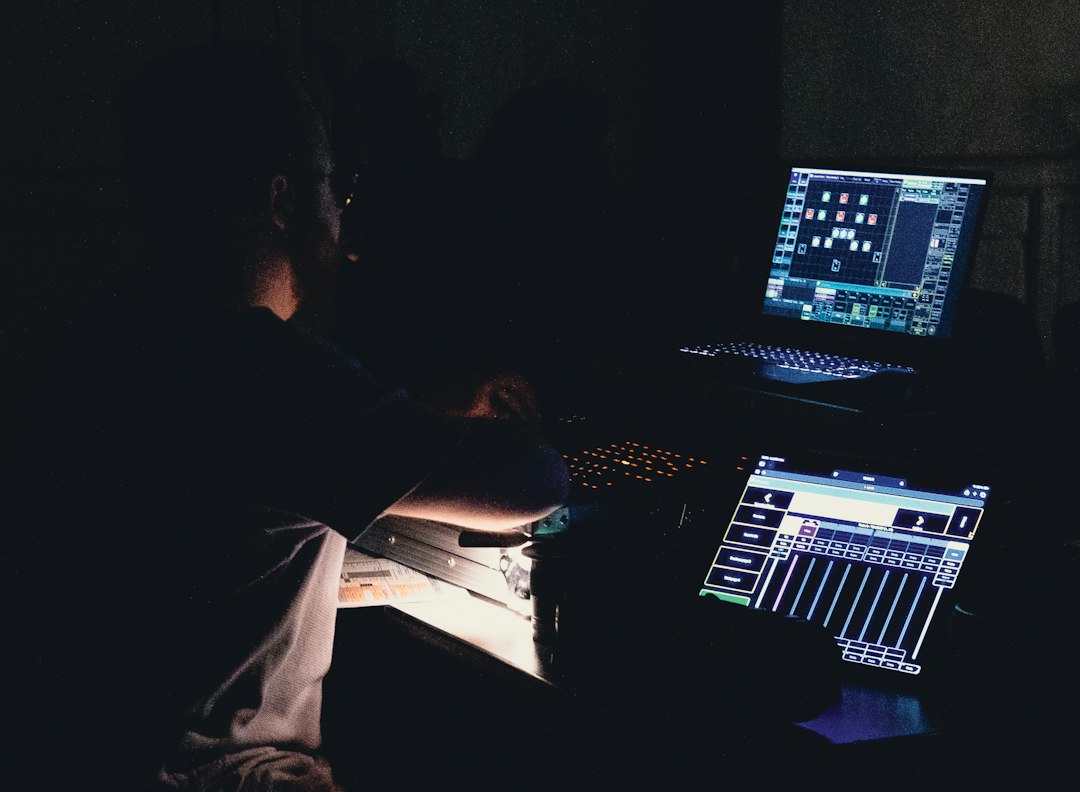
Running podcast production in-house usually means stitching together five or six separate tools, each with its own login and its own monthly charge.
In-house software stacks typically run $75 to $200 a month plus upfront hardware costs. That’s before anyone accounts for the hours spent managing all of it.
Agencies solve the fragmentation problem differently depending on their workflow. Some use a WordPress plugin like Seriously Simple Podcasting, installed directly on a client’s own site, to sync episodes and hosting without a separate third-party dashboard.
Others, such as Sweet Fish Media, rely on Riverside to create better content for client shows.
Why tool cost isn’t the real story
Here’s a line worth remembering: any agency that leads its pitch with “we have professional equipment” is telling you it doesn’t have much else. Tools aren’t the reason to hire an agency.
The actual value is in what the agency does with those tools, the strategy, the guest pipeline, the editorial judgment.
What fragmentation actually costs in-house
A production manager juggling multiple shows across different hosting platforms loses real hours to logins and dashboards that don’t talk to each other. One Castos account describes a manager who spent most of an afternoon just pulling weekly analytics across 11 client shows on 8 different platforms, with download numbers that couldn’t be compared side by side.
That’s the hidden cost line most in-house budgets never write down.
How should buyers evaluate written scope when comparing agency proposals?
A low headline number with no written scope is the single riskiest quote you can accept. You can’t compare what isn’t itemized.
Score every vendor quote on four things, not the retainer total alone: category literacy, guest and topic pipeline strategy, editing and clip standards, and reporting rhythms that survive past month three.
A vendor that talks fluently about your industry on the sales call but can’t describe a concrete guest-sourcing process is selling execution, not strategy.
- Request a written scope document before comparing any price.
- Check whether guest sourcing targets your actual accounts, not a generic guest list.
- Ask to hear raw versus edited audio samples from a comparable client.
- Confirm what the reporting cadence looks like at month four, not month one.
- Price the full retainer against what each line item would cost separately.
That last step matters more than it sounds. If the line items above add up to less than the retainer, ask what the premium buys.
The contact-based model as a different kind of scope
Some agencies frame the entire show around direct engagement with named target accounts rather than broadcast content for an anonymous audience. Sweet Fish Media’s model treats the podcast as a mechanism to create content directly with ideal buyers, not just content aimed at them.
That’s a meaningfully different scope than a vendor selling polished audio and a publishing calendar. Know which one you’re buying before the contract gets signed.
Red flags worth naming
A vendor unwilling to put scope in writing is a red flag regardless of price. So is a vendor who can’t explain how reporting changes after the third month, when most shows either find traction or stall.
For more on vetting the full field of options, our guide to podcast management agencies walks through how to compare vendors beyond the production line item alone. And if the production side is solid but distribution and ad strategy are still open questions, our piece on podcast advertising covers that adjacent decision.
Frequently Asked Questions
Is a $2,000-a-month agency retainer enough for a B2B show?
It depends on what’s inside the quote. If it includes guest sourcing and reporting, $2,000 covers a lean full-service engagement. If it’s editing and publishing only, treat it as a freelance-tier service, not a strategic partner, since boutique agency pricing starts around $2,000 but can sit well below full-service scope.
Why do full-service B2B podcast systems cost so much more than basic editing?
Full-service systems price in guest pipeline work, strategic topic planning, and revenue reporting, not just the edit. That’s why full-service systems run $5,000 to $25,000+ a month while basic editing retainers sit at $500 to $1,000. The gap is strategy and account targeting, not studio time.
Should a marketing team hire a freelancer or a full agency first?
Hire a freelancer if the guest pipeline and content strategy already exist internally and editing is the only gap. Hire a full agency if there’s no guest sourcing process yet, since freelance support tops out at $2,000 a month and doesn’t include that strategic layer.
Pricing only tells half the story here. The scope document tells the rest, and that’s the piece most buyers skip past because it’s less fun to read than a number.
If you’re staring at three quotes with three different scopes and no clean way to compare them, that’s exactly the kind of mess worth sorting out before any contract gets signed. Book a call with our team at Big Pond Podcasts and we’ll help you read the fine print before it costs you a quarter’s budget.
About the author
Tariq Basraoui
CEO
Tariq O’Keefe Basraoui, Co-Founder of Big Pond Podcasts, is a seasoned digital marketer and community builder with a track record of success at platforms like TikTok and Zencastr. Known for launching Zencastr’s Creator Network to over 15,000 members in 18 months, his expertise lies in growing user bases and enhancing brand engagement.
His strategic approach to growth and community engagement has established him as a leader in creating some of the fastest-growing media networks in podcasting.