
Introduction: Mastering Podcast Brand Deals in 2026
The gold rush of podcasting is far from over. In 2026, the audio landscape is richer and more competitive than ever, with brand partnerships evolving from simple ad slots into sophisticated, long-term collaborations. For creators, this presents an unprecedented opportunity to not only monetize their work but to build sustainable businesses around their voices. But to capitalize on it, you need more than just great content—you need to know your worth and how to negotiate for it.
The Evolving Landscape of Podcast Monetization
The days of relying solely on programmatic ads are fading. While they have their place, the real growth and revenue lie in authentic brand deals that resonate with your audience. Listeners are savvy; they crave genuine recommendations from hosts they trust, making your voice one of the most powerful marketing tools available to brands today. The industry’s continued expansion means more brands are dedicating significant budgets specifically to podcasting, looking for partners who can deliver engaged, niche audiences.
Why Brand Deals are Crucial for Podcasters
This shift makes mastering brand deals a non-negotiable skill for serious podcasters. These partnerships go far beyond a 30-second pre-roll ad. They can involve sponsored segments, dedicated episodes, and co-created content series. This deeper integration not only commands significantly higher fees but also enhances your show’s credibility by aligning you with reputable brands. Proving your show’s value with robust analytics, a service streamlined by platforms like Big Pond Podcasts, is the first step in this lucrative journey.
What You’ll Learn in This Guide
But securing these profitable deals requires strategy, confidence, and sharp negotiation skills. This guide is designed to equip you with the essential podcast brand deal negotiation tips you need to succeed. We’ll walk you through accurately valuing your podcast, crafting the perfect pitch, decoding contracts, and confidently navigating the discussion to secure favorable terms. These podcast brand deal negotiation tips are your roadmap to monetization in 2026 and beyond, helping you turn your passion into a thriving business.
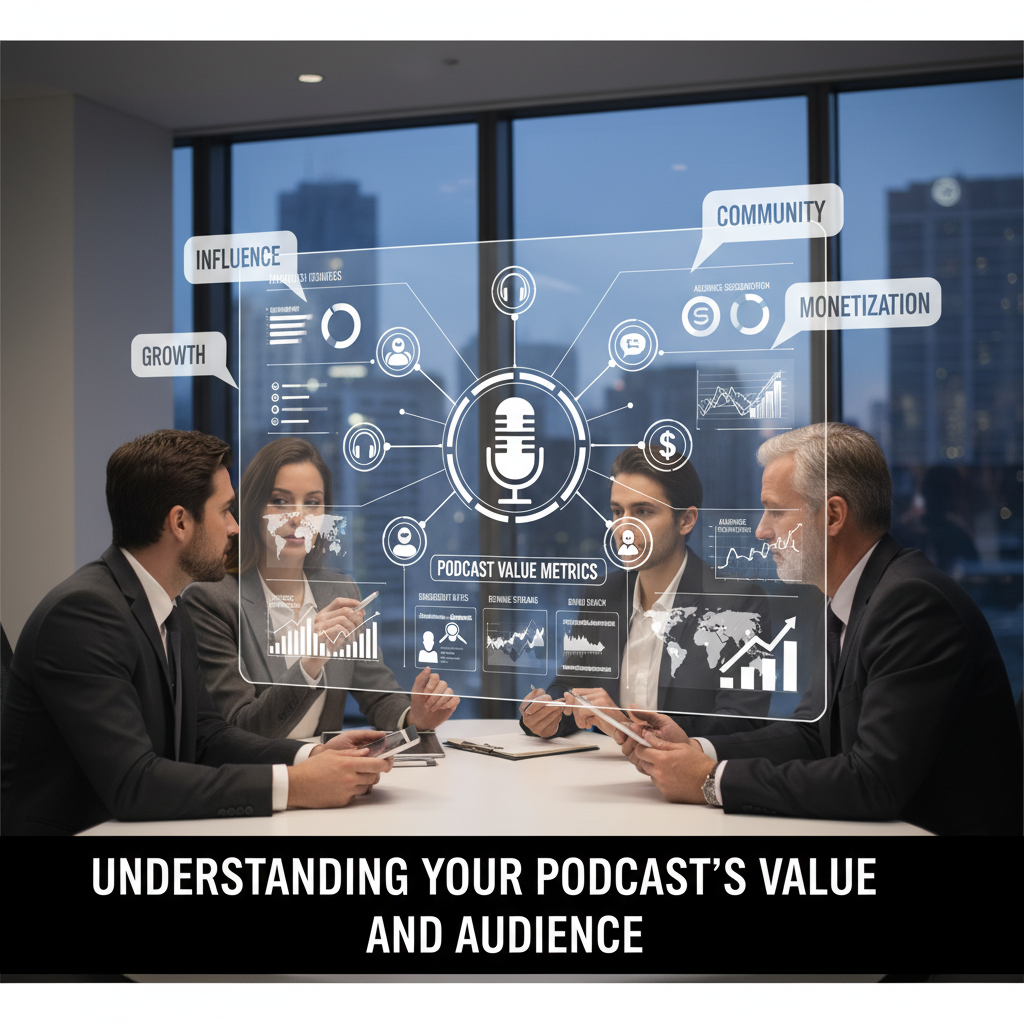
Understanding Your Podcast’s Value and Audience
Before you can effectively negotiate, you must have an undeniable grasp of what you’re bringing to the table. This foundational knowledge is the most critical of all podcast brand deal negotiation tips. Brands don’t just invest in shows; they invest in the specific, engaged audiences those shows have cultivated. Your job is to prove you have the right listeners for them.
Knowing Your Metrics: Downloads, Demographics, and Engagement
Data is your greatest asset in any negotiation. Vague claims about having “a lot of listeners” won’t impress savvy brand managers. You need concrete numbers. Start by compiling your key performance indicators:
- Downloads per Episode: Track the average downloads an episode receives within the first 30 days of release.
- Listener Demographics: Present data on audience age, gender, location, and even interests if available.
- Engagement Rates: Highlight listen-through rates and community interaction on social media or in forums.
Platforms like Big Pond Podcasts simplify this process, offering a comprehensive Podcast Analytics Dashboard Explained: Metrics & that puts these critical numbers right at your fingertips, helping you build a compelling case for your value.
Crafting Your Media Kit: The Essential Tool for Brands
Your media kit is your podcast’s professional resume. It’s a polished, visually appealing document that quickly communicates your value proposition to potential sponsors. It should consolidate all your key data into an easily digestible format.
A strong media kit includes your show’s bio, host information, an audience profile, key metrics, and available ad placements. Here’s a sample snapshot of an audience profile from a media kit:
| Metric | Data Point |
|---|---|
| Average Age | 28 – 38 |
| Gender Distribution | 60% Female / 40% Male |
| Top Listener Locations | USA, Canada, UK |
| Common Interests | Tech, wellness, personal finance |
Articulating Your Unique Selling Proposition (USP)
Identifying and Approaching Potential Brand Partners
Before you can negotiate a great deal, you need to find the right brands to talk to. This foundational step is one of the most overlooked podcast brand deal negotiation tips, yet it’s critical for securing partnerships that feel authentic to your audience and deliver real results for the advertiser. A successful collaboration is built on mutual alignment, not just a transaction.
Researching Brands Aligned with Your Niche and Values
Start by creating a “dream list” of brands whose products you genuinely use and respect. Whose target audience perfectly mirrors your listener demographics? Look at companies that sponsor other podcasts in your niche. A tech review show partnering with a software company makes sense; pitching a fast-food chain does not. The audience mismatch would harm both your credibility and the brand’s return on investment. Dig into their marketing campaigns, social media presence, and public statements to ensure their values resonate with your show’s core message. This deep alignment is the foundation of an authentic and effective host-read ad.
Crafting a Compelling Outreach Pitch
A generic “Dear Brand” email will be deleted instantly. Your initial pitch must be personalized and value-driven. Start by explaining exactly why you believe their brand is a perfect fit for your specific audience. Highlight key metrics like download numbers and listener demographics, but don’t stop there. Focus on the value you offer. Explain how your highly engaged listeners can help them achieve their marketing goals. A strong pitch is a concise, data-backed introduction that makes them want more information. For a complete guide on what to send next, review our Podcast Sponsorship Proposal Template: Ultimate Guide.
Utilizing Platforms and Networks for Brand Connections
Negotiating Terms: The Art of the Deal
Once you have a brand’s attention, the real work begins. This is where you transform interest into a concrete, mutually beneficial partnership. Mastering these negotiation points ensures you are compensated fairly for your influence and hard work, turning a good opportunity into a great one.
Setting Your Rates: CPM, Flat Fees, and Performance Models
Determining your value is one of the most crucial podcast brand deal negotiation tips. The most common model is CPM (Cost Per Mille), where you charge a rate per 1,000 downloads. While industry averages can range from $18 to $50, factors like your niche, listener demographics, and ad placement heavily influence your rate. Alternatively, flat fees offer a simpler approach, providing a single price for a campaign, which is ideal for bundled deliverables or shows with developing download numbers. Performance-based deals, like affiliate marketing (CPA), pay you based on conversions. While potentially lucrative for high-converting shows, they offer less predictable income. Many creators find success by starting with our guide on monetizing small podcasts.
Understanding Deliverables and Usage Rights
Clarity prevents future headaches. Your contract must explicitly state every deliverable. Are you providing one 60-second mid-roll ad, a 10-minute sponsored segment, or a package including three Instagram stories? Define everything. Equally important are usage rights. Will the ad be “baked-in” forever, or dynamically inserted for a 90-day flight? Does the brand have rights to repurpose your audio for their social media ads? Always aim to retain ownership of your intellectual property and grant limited-time usage rights, not perpetual ones. This protects your content’s long-term value.

Navigating Contracts and Legalities
Building Lasting Relationships and Delivering Value
The signature on the contract isn’t the finish line; it’s the starting gate. The best podcast brand deal negotiation tips focus not just on landing a deal, but on cultivating a partnership that lasts. Your goal is to transform a one-time sponsorship into a reliable, recurring source of revenue by proving your value and becoming an indispensable partner.
Overdelivering on Expectations and Providing Analytics
To truly impress a brand partner, go beyond the basic requirements of your agreement. Delivering the ad read is the minimum—providing clear, actionable data is what sets professionals apart. At the end of a campaign, compile a comprehensive report that showcases performance. This should include key metrics like download numbers for the sponsored episodes, listener demographics, and any identifiable spikes in engagement. Platforms like Big Pond Podcasts make it easy to access and share this data. By providing concrete proof of ROI, you justify their investment and build a strong case for renewal. For a deeper dive, explore our guide on Podcast Ad Campaign Reporting: Unlock Your Ad Spend.
Fostering Open Communication and Feedback
A successful partnership thrives on transparent communication. Don’t disappear after the campaign goes live. Schedule brief check-ins to provide updates and ask for feedback. Are they happy with the ad read? Are their tracking links working correctly? Addressing small concerns proactively prevents them from becoming larger issues. This open dialogue builds immense trust and shows the brand that you are genuinely invested in their success, treating their marketing budget with the respect it deserves.
Strategizing for Long-Term Partnerships
Frequently Asked Questions About Podcast Brand Deals
Navigating the world of podcast sponsorships can be complex. Here are answers to common questions to help you master your approach and apply these podcast brand deal negotiation tips effectively.
How do I determine my podcast’s value for brand deals?
Your value is a blend of quantitative data and qualitative influence. Start with industry-standard CPM (Cost Per Mille) rates, which typically range based on niche and ad type. But don’t stop there. Factor in your unique audience demographics, podcast listener engagement metrics, and the host’s authority. A highly engaged, niche audience is often more valuable to a brand than a larger, less-defined one.
What should be included in a podcast media kit?
Your media kit is your podcast’s resume. It must include your show’s description, host bio(s), detailed audience demographics (age, location, interests), verified download and listenership numbers per episode, social media stats, case studies or testimonials from past partners, and a clear menu of your advertising packages and rates.
How can smaller podcasts secure brand deals?
Smaller podcasts can win by focusing on their strengths: a hyper-niche audience and high trust. Propose creative, value-packed bundles that go beyond a simple ad read, such as social media shoutouts, newsletter mentions, or a dedicated review episode. Brands focused on targeted reach will see immense value in your dedicated community. For more ideas, explore our guide on monetizing small podcasts.
How can Big Pond Podcasts help with brand deals?
Big Pond Podcasts empowers creators by providing the tools you need to attract and manage brand deals. Our platform offers a robust analytics dashboard to showcase your value with verified data. We also facilitate connections between podcasters and brands looking for authentic partnerships, helping you manage campaigns and monetization seamlessly so you can focus on creating great content.
Conclusion: Your Path to Profitable Podcast Partnerships
Mastering negotiation is the bridge between creating a great podcast and building a sustainable media business. The insights and strategies shared here are designed to demystify the process, giving you the confidence to secure partnerships that truly reflect your show’s value. From understanding your audience data to crafting the perfect pitch, each step is a critical component of your financial growth.
Empowering Your Podcast’s Financial Growth
Effective negotiation is more than just a skill; it’s a mindset. It’s about recognizing your worth and having the tools to prove it. The podcast brand deal negotiation tips we’ve covered serve as your roadmap to transforming listener loyalty into tangible revenue. By moving forward with a clear understanding of your value proposition and a professional approach to outreach, you transition from being a content creator to a business owner. This empowerment is the key to long-term viability, ensuring you can continue investing in and growing the show your audience relies on.
The Future of Podcast Monetization with Big Pond Podcasts
You don’t have to navigate this journey alone. In the dynamic world of podcasting, having the right platform can make all the difference. Big Pond Podcasts is built to amplify your voice and your revenue. We provide creators with a comprehensive suite of tools for seamless management, audience growth, and, most importantly, monetization. Our platform helps you gather the precise analytics needed to justify your rates and connects you with a marketplace of potential sponsors, streamlining the entire partnership lifecycle. We empower you to secure and manage lucrative deals, so you can focus on your craft.
Taking Your Next Step
The most valuable advice is that which is put into action. Take the knowledge from this guide and apply it today. Refine your media kit, identify five dream brands that align with your audience, and draft your first pitch. Each step forward, no matter how small, builds momentum. These podcast brand deal negotiation tips are your foundation for building profitable relationships.
Ready to turn these insights into income? Discover how Big Pond Podcasts can connect you with your next brand partner today.
