
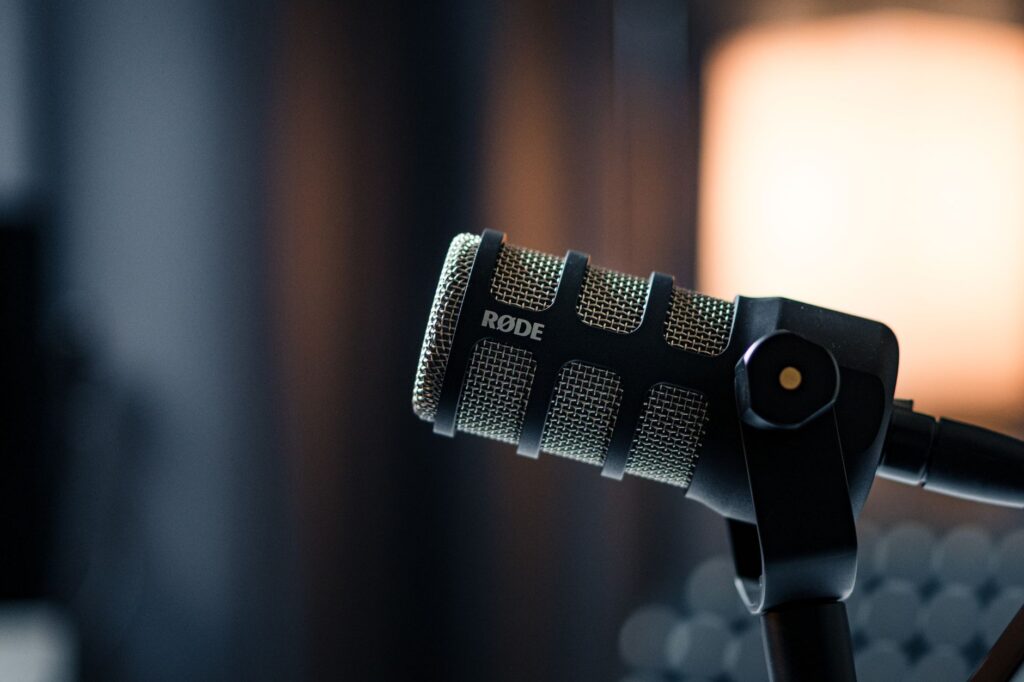
Podcast Monetization Trends 2026: What’s Next for Creators
“Stop thinking about podcast-advertising-trends-to-listen-for) monetization as a simple CPM game. That race to the bottom is over, and anyone still playing it is already behind. Thinking you can just rack up downloads and cash checks from a faceless programmatic ad network is a 2020 strategy. The most critical podcast monetization trends for 2026 involve a shift from broad advertising to hyper-targeted, AI-driven campaigns and direct creator-to-audience revenue streams. Success will depend on building authentic, omnichannel brands that embrace video, B2B strategies, and emerging technologies, and understanding the popular podcast formats for 2027. Creators must focus on deep engagement and diversified income beyond simple download numbers, as trust and direct connection become the most valuable assets in an increasingly crowded audio landscape, as we explore in this look at podcast advertising 2027, these podcast growth trends, and how to stay ahead with podcast seo trends.”
Understanding the Evolution of Podcast Monetization

Not too long ago, monetization meant one thing: pre-roll and mid-roll ads from a major brand. The path was linear. You grew your audience to a massive scale, signed with a network, and read scripts for mattresses or meal kits. That model still exists, but it’s just one small piece of a much more complex and interesting puzzle.
The convenience and depth of podcasts have attracted a huge and dedicated listenership. With over 158 million monthly consumers in the US alone, the market has matured significantly. This growth brought waves of advertisers, but it also created listener fatigue and a demand for more authentic connections. Early trends were about scale. Now, the future of podcasting is about depth and diversification.
The Evolving Landscape of Podcast Advertising
While direct monetization is on the rise, advertising remains a cornerstone of the industry. The total US ad spending on podcasts is projected to charge past previous records, with some analysts forecasting it to hit $3.7B by 2029. But the way that money is spent is what’s changing dramatically.
The Trust Factor: Host-Reads Reign Supreme
Programmatic ads offer scale but often lack impact. The real power is in authenticity. Listeners trust hosts, which is why host-read ads continue to outperform. Americans find podcasts significantly more trustworthy than social media, and that trust transfers directly to the brands hosts endorse. It’s why brands like BetterHelp and Airbnb have found so much success in the podcasting space—they integrate their message into a trusted conversation, not an interruption.
Targeting and Measurement Get Smarter
For years, podcast advertising felt like shouting into the void. You knew people were listening, but who? And did they act? That’s ancient history. In 2026, targeting is incredibly advanced. We can now target based on location, listening habits, and even inferred interests. Companies like Chartable and Podsights have enabled attribution, letting us connect a listen to a website visit or a purchase. This level of measurement gives advertisers the confidence to invest more, knowing their budget is working. This is a key part of how we help brands like Magnite connect with the right audiences.
Key Monetization Strategies for 2026

The smartest creators in 2026 don’t have one revenue stream; they have a portfolio. Relying solely on ads is a fragile strategy. The real goal is to build a resilient business around your podcast, using a mix of direct and indirect methods. This is where you can look at different ways of thinking about your podcast monetization.
The B2B Podcasting Goldmine
For many, the most lucrative audience isn’t a million casual listeners; it’s a few hundred ideal clients. B2B podcasting is exploding because it’s a relationship engine, not just a content platform.
“If you already have (or are building) a profitable B2B business, the fastest and easiest way to make serious money with a podcast is: Use your podcast as a structured system to build relationships with ideal clients, referral partners, and strategic partners.”
Here’s a simple process for leveraging a podcast for B2B lead generation:
- Define Your Ideal Client: Get hyper-specific. What industry are they in? What is their job title? What problem do they need to solve?
- Use the Podcast as a Networking Tool: Instead of cold outreach, invite your ideal potential clients to be guests on your show. This builds an immediate, authentic relationship.
- Create Content That Solves Their Problems: Each episode should be a masterclass in solving a key pain point for your target client. This establishes you as an authority.
- Develop a Simple Call to Action: Don’t sell hard. Offer a free consultation, a resource, or a strategy session as the next step for listeners who want to go deeper.
- Nurture the Relationship: Use the content from your podcast to create email newsletters, social media posts, and lead magnets. Stay top-of-mind with your high-value audience.
The Rise of Video and Omnichannel Content
Is a podcast still a podcast if it’s on YouTube? Yes, and it’s one of the biggest growth areas in the industry. A significant portion of podcast listeners report that it helps them connect with creators across multiple platforms. By putting your podcast on YouTube, you’re not just reaching a new audience; you’re tapping into a powerful discovery algorithm and additional monetization features like YouTube Premium revenue and channel memberships. An omnichannel strategy—where your audio, video, and social content all work together—is no longer optional for serious creators.
A podcast isn’t just an audio file anymore. It’s the top of a content funnel, the heart of a community, and the center of a multi-platform brand.
Diverse Monetization Avenues
Beyond traditional ads and B2B strategies, a whole ecosystem of monetization tools is available. The key is to match the method to your audience. A true-crime podcast will have different opportunities than one about financial planning.
Here’s a breakdown of the core models:
| Monetization Model | How It Works | Best For | Key Challenge |
|---|---|---|---|
| Sponsorships & Ads | Brands pay for mentions (host-read or programmatic). | Shows with a large or highly niche audience. | Can feel intrusive if not done well; revenue can be inconsistent. |
| Subscriptions/Memberships | Listeners pay a recurring fee for bonus content, ad-free shows, or community access. | Creators with a loyal, engaged audience. | Requires creating significant extra value to justify the cost. |
| Affiliate Marketing | Earn a commission by promoting products/services with a unique link or code. | Shows focused on products, reviews, or specific interests. | Payouts are often smaller; requires high listener trust and action. |
| Direct Support | Listeners donate via platforms like Patreon or Buy Me a Coffee. | Creators with a strong personal connection to their audience. | Can be unpredictable; relies on pure goodwill. |
| Selling Digital/Physical Products | Selling courses, ebooks, merchandise, or other products directly to your audience. | Experts or creators with a strong brand identity. | Requires significant effort in product creation and marketing. |
Success in 2026 means using a blend of these. One show might run programmatic ads for its back catalog, use host-read sponsorships for new episodes, have a Patreon for bonus content, and sell a digital course twice a year. Looking for your first podcast sponsorship deal is a great first step into this world.
The Role of Data and AI in Future Monetization

Artificial intelligence isn’t coming for podcasting; it’s already here, and it’s fundamentally changing how creators and advertisers make money. AI is no longer a futuristic concept but a practical tool for efficiency and effectiveness.
AI-Powered Advertising
AI algorithms are revolutionizing ad placement. They can analyze an episode’s transcript and insert a relevant, dynamically-placed ad in real-time. Imagine a discussion about hiking seamlessly transitioning to a localized ad for a nearby outdoor gear shop. This makes ads less disruptive and far more effective, increasing CPMs for creators and ROI for brands.
Ethical AI and Content Authenticity
With AI comes significant ethical responsibility. The rise of AI-generated voices and deepfake audio presents a challenge. Listeners come to podcasts for authenticity, and that trust is fragile. Creators must be transparent about their use of AI. Is your co-host an AI? Was this script written by a machine? Disclosing this isn’t just good practice; it will be essential for maintaining audience trust. The regulatory landscape is still catching up, but expect more scrutiny around audio deepfakes and AI-driven content manipulation.
Beyond the Mainstream: The New Frontier of Monetization
The most exciting podcast monetization trends for 2026 are happening on the fringes, driven by independent creators and new technologies.
Web3 and Creator Coins
Web3 technologies are introducing novel ways to think about ownership and monetization. Some creators are experimenting with NFTs, not as digital art, but as keys to exclusive communities or content. Others are exploring “creator tokens,” a form of digital currency specific to their show. Listeners can buy, hold, or spend these tokens to get special access, vote on episode topics, or even share in the podcast’s success. While still nascent, these models point to a future where fans are not just consumers but vested partners. Platforms like Decrypt have been covering this space as it evolves.
Focusing on Global and Multicultural Audiences
Much of the podcast industry has been U.S.-centric, but the largest growth opportunities are now global. There is a massive, underserved market for non-English content and shows aimed at multicultural listeners. Brands are actively seeking to invest in these audiences. Creators who can authentically connect with communities in emerging markets—from Latin America to Southeast Asia—will find themselves with a significant first-mover advantage and less competition for sponsorship dollars.
This is where having a clear guide to ethical brand integration can make all the difference.
Audience Engagement and Listener Support
Ultimately, every single monetization trend for 2026 points back to one thing: audience engagement. You can’t build a subscription model, sell a product, or attract high-value sponsors without a loyal, dedicated audience. Downloads are a vanity metric; community is the real currency.
Direct listener support, whether through platforms like Patreon or built-in features from hosts like Spotify, is the clearest signal of a healthy podcast. When a listener is willing to pay for your content, you have created something of genuine value. Fostering this requires interaction, community management, and consistently delivering content that feels personal and indispensable.
Further reading
- Podcasting: what’s in and what’s out for 2026? | Creator
- Why Podcasting Is the Fastest-Growing Trend in 2026
FAQ
What are the most important podcast monetization trends for 2026?
The biggest trends are the diversification of revenue streams beyond advertising, the integration of AI for smarter ad targeting and production, the growth of video podcasts on platforms like YouTube, and a strong focus on direct-to-audience monetization like subscriptions and memberships.
Is starting a podcast still profitable in 2026?
Yes, but it requires a strategic approach. The market is competitive, so profitability depends on finding a specific niche, building a loyal community, and using a mix of monetization methods. Treating your podcast like a business from day one is key.
How is AI changing podcast advertising?
AI enables hyper-targeted dynamic ad insertion, where ads are placed based on the episode’s content, listener demographics, and even location in real-time. This makes ads more relevant and effective, which increases their value for both advertisers and creators.
Should I turn my audio podcast into a video podcast?
For most creators, the answer is yes. Video podcasts on YouTube and Spotify significantly expand your reach and discoverability. It opens up new audiences and additional platform-native monetization tools, creating an omnichannel brand presence.
What is a B2B podcasting strategy?
A B2B podcasting strategy uses a podcast as a tool for networking and lead generation rather than mass-market entertainment. The focus is on creating highly-specific content for a niche professional audience and inviting potential clients to be guests to build relationships.
If you’re ready to move beyond basic monetization and build a resilient revenue strategy for your podcast, we can help. At Big Pond Podcasts, we provide the tools and expertise to help you navigate these trends and unlock your show’s full potential. Reach out to us to learn how we can help you grow.
