

How to Earn Money From a Podcast in 2026
Earning money from a podcast involves creating multiple revenue streams that align with your audience’s trust and your content’s niche. The most common methods include sponsorships, affiliate marketing, premium subscriptions, selling your own products or services, and direct listener donations. Successful monetization depends on building a loyal audience first, then strategically introducing these methods. By the end of this guide, you will have a clear, step-by-step framework to build a diversified income strategy for your show.

Prerequisites: What You Need Before Monetizing
Before you can effectively earn money from a podcast, you need a solid foundation. Monetization is an outcome of value, not a starting point. Focus on these four areas first.
- A Defined Niche: Broad podcasts attract broad, unfocused audiences. A specific, niched-down show attracts a dedicated listenership that is more valuable to advertisers and more likely to support you directly.
- Audience Trust: Trust is your most valuable asset. It’s built through consistency, quality, and authenticity. Without it, no monetization method will work.
- A Baseline Audience: While there’s no magic number, most ad networks and sponsors look for shows with 3,000 to 5,000 listeners per episode. However, methods like affiliate marketing or donations can work with much smaller, highly engaged audiences.
- A Consistent Publishing Schedule: A reliable schedule keeps listeners coming back. This consistent engagement is what creates the inventory, the listener attention, that you will eventually monetize.
Comparing Podcast Monetization Methods

Different monetization strategies fit different types of podcasts and audience sizes. Understanding the trade-offs is key. Here is a breakdown of the primary models.
- Sponsorships & Ads: High income potential but requires a larger audience. The host reads ads or they are inserted programmatically. Our network, for instance, sees a $22.35 Avg. 60-Sec CPM (cost per mille), which provides a benchmark for quality inventory.
- Affiliate Marketing: Low barrier to entry and can start from day one. You earn a commission for products or services you recommend. Income potential is moderate and depends on audience trust and relevance of the product.
- Premium Content/Subscriptions: Creates recurring revenue from your most loyal fans. Requires extra work to create bonus episodes, ad-free feeds, or exclusive content. Platforms like Patreon are popular for this.
- Selling Own Products/Services: Highest profit margin because you control the entire transaction. This includes courses, ebooks, merchandise, or consulting. It requires the most effort to create and market the product.
- Listener Donations: Simple to set up through platforms like Buy Me a Coffee. It relies on listener goodwill and is best for shows that provide immense value or have a strong community feel.
How to Earn Money From a Podcast: A Step-by-Step Guide

With the foundation in place, you can begin to layer in revenue streams. Follow these steps to build your monetization engine methodically.
Step 1: Build a Loyal Audience and Niche Authority
Before any money changes hands, you must have an audience that trusts you. In my time building the Zencastr Creator Network to over 15,000 members, the one constant was that community precedes commerce. Focus on delivering exceptional value for a specific group of people. This niche focus makes you the go-to authority, which in turn attracts ideal advertisers and listeners willing to pay for premium content.
Don’t chase a million listeners. Chase 1,000 true fans who trust your recommendations and value your work enough to pay for it.
Step 2: Implement Affiliate Marketing
Affiliate marketing is the perfect first step into monetization. You don’t need a huge audience, just a trusting one. Start by identifying products or services you already use and love that are relevant to your listeners.
Sign up for affiliate networks like ShareASale or Amazon Associates. When you mention a product, use your unique affiliate link in the show notes and on your website. Be transparent that it’s an affiliate link; this builds rather than erodes trust.
Step 3: Secure Sponsorships and Run Ads
This is what most people think of when they wonder how to earn money from a podcast. Once you consistently hit 3,000-5,000 downloads per episode, you become attractive to sponsors. You can find sponsors by pitching brands directly or joining a podcast network. At Big Pond, we help our 1,300+ podcasters connect with brands that fit their audience. For more detail, review some podcast ad best practices to maximize effectiveness.
Host-read ads, where you personally endorse a product, typically perform best. According to a 2023 Wharton School article, this authenticity is a key advantage of podcast advertising. While a 30k deal is possible for established shows, most podcasters start with smaller, four-figure agreements.

Step 4: Launch Premium Content and Subscriptions
Your most dedicated fans are often willing to pay for more from you. This is where premium subscriptions come in. You can offer ad-free versions of your show, bonus episodes, early access, or exclusive behind-the-scenes content.
This model works especially well with video podcasts. You can offer the audio for free but put the full video episode behind a paywall. There are several excellent podcast monetization platforms that handle the payments and delivery for you.
Step 5: Sell Your Own Products or Services
Selling your own product is the most profitable monetization strategy. You keep nearly 100% of the revenue. Your podcast becomes the top of your marketing funnel, building authority and driving listeners toward a purchase.
This could be anything from digital products like ebooks and online courses to physical merchandise like t-shirts, which can be handled by print-on-demand services like Printful. If you’re an expert in a field, you can sell your time through coaching or consulting services.
The goal isn’t just to make money from your podcast. The goal is to build a business where your podcast is the primary marketing channel.
Step 6: Grow and Monetize Your Email List
An email list is the one audience-building tool you truly own. Social media algorithms can change, but your email list is a direct line to your most engaged listeners. Use every episode to encourage listeners to sign up for your email list in exchange for a valuable freebie.
Once they’re on your list, you can nurture the relationship and promote your affiliate links, premium content, and your own products directly. Tools like ConvertKit are built specifically for creators to manage and monetize their lists. This strategy is central to understanding podcast money beyond downloads.
Troubleshooting Common Monetization Issues
- High Downloads, Low Revenue: Your CPMs might be too low, or your ad-fill rate is poor. If you’re using affiliate links, the products might not be a good fit for your audience. Analyze your conversion rates.
- Listeners Complain About Ads: You may have too many ad breaks, or the brands are a poor fit for your content. Revisit your ad strategy and be more selective. A listener survey can provide direct feedback.
- No One Buys Premium Content: The value proposition isn’t strong enough. Is the bonus content truly worth paying for? Ask your audience what they would be willing to pay for before you build it.
Further reading
FAQ
How much can a podcaster realistically earn?
Earnings vary dramatically. A show with 10,000 downloads per episode might earn $500-$900 per episode from ads alone, using a standard $25 CPM. For example, the bedtime story podcast Dreamful Bedtime Stories has reached over 13 million downloads in 6 years. However, a creator with a small, engaged audience could earn more by selling a high-ticket course.
How many listeners do I need to make money?
You can start earning with affiliate marketing or donations with as few as 100 loyal listeners. For sponsorships, the unwritten rule is often between 3,000 and 5,000 downloads per episode. Many networks have this as a minimum threshold.
Can I monetize a podcast without ads?
Absolutely. This is a popular strategy. Focus on premium subscriptions, selling your own digital or physical products, offering coaching or consulting services, and affiliate marketing. A multi-stream approach without ads is very viable.
How do video podcasts help with earning money?
Video adds multiple monetization layers. You can publish clips on platforms like YouTube and earn ad revenue. You can also offer full-length video episodes as a premium subscription perk. This visual medium often creates a stronger connection with the audience, increasing their likelihood to support you financially.
What are the most common monetization mistakes?
Key mistakes include monetizing too early before trust is established, partnering with brands that don’t align with your audience, packing shows with too many low-quality ads, and relying on a single source of income. Diversification is your best defense.
What are the tax implications of podcast income?
Podcast income is taxable. You’ll need to track all revenue and related expenses, such as hosting fees, equipment, and marketing costs. It’s highly recommended to consult with a tax professional to understand your obligations, which may include setting up a business entity and paying quarterly estimated taxes.
Monetizing a podcast is a marathon, not a sprint. It’s about building a trusted relationship with your audience and then finding ways to serve them that also generate revenue. From securing sponsorships to managing payouts, the process requires a strategic approach. If you’re ready to grow your show and explore your monetization options, get in touch with our team.
About the author
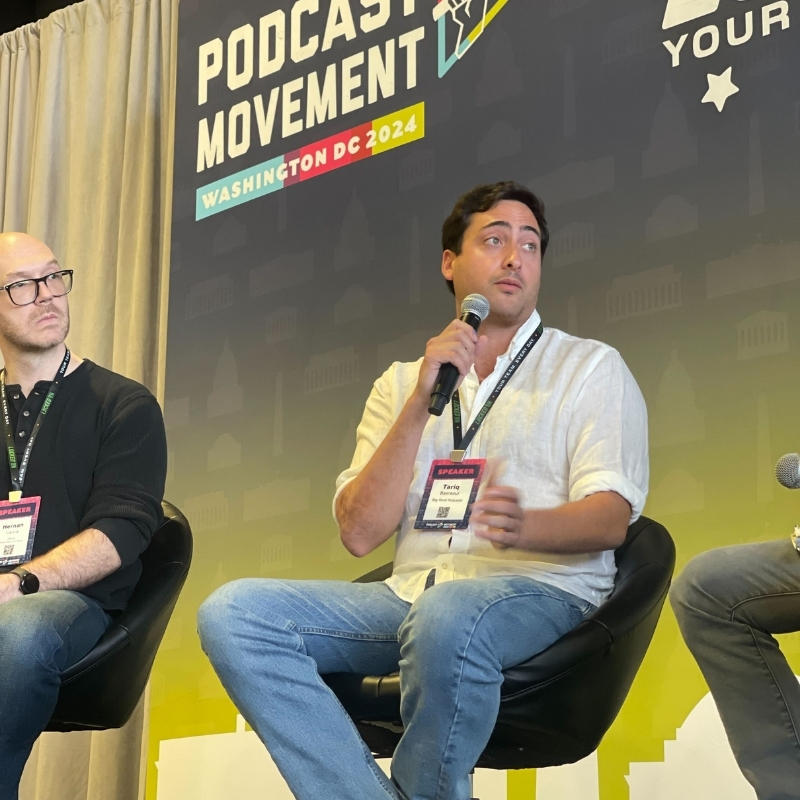
Tariq Basraoui
CEO
Tariq O’Keefe Basraoui, Co-Founder of Big Pond Podcasts, is a seasoned digital marketer and community builder with a track record of success at platforms like TikTok and Zencastr. Known for launching Zencastr’s Creator Network to over 15,000 members in 18 months, his expertise lies in growing user bases and enhancing brand engagement.
His strategic approach to growth and community engagement has established him as a leader in creating some of the fastest-growing media networks in podcasting.
