

Stop thinking about host-read ads as just another ad spot to fill. They are not programmatic banners dropped into a feed. Effective host-read ads are collaborations, endorsements from a voice your listeners already trust. To create effective host-read ads, you must treat them as mini-episodes of sponsored content, integrating the brand’s message into the host’s authentic voice and the show’s unique style. This requires a clear process, from brand alignment to script development and performance tracking. By the end of this guide, you will have a repeatable framework for crafting host-read ads that resonate with listeners and deliver measurable results for advertisers.
Prerequisites
Before you start scripting, make sure you have these pieces in place. Skipping this prep work is the most common reason ad reads fall flat.
- A Defined Audience Profile: You need more than just download numbers. Have specific data on listener demographics, interests, and psychographics. Advertisers need to know exactly who they’re reaching.
- An Updated Media Kit: This should include your audience data, download statistics, listener engagement rates, and your pricing for different ad placements (pre-roll, mid-roll, post-roll).
- Basic Recording Equipment: A quality microphone and a quiet recording space are non-negotiable. An ad read full of background noise or captured on a laptop mic reflects poorly on both you and the brand.
- A Clear Understanding of Your Show’s Voice: You need to be able to articulate why your show is a good fit for a particular brand. Is it humorous, educational, investigative? This identity is your greatest asset.

How to Create Effective Host-Read Ads: A Step-by-Step Guide
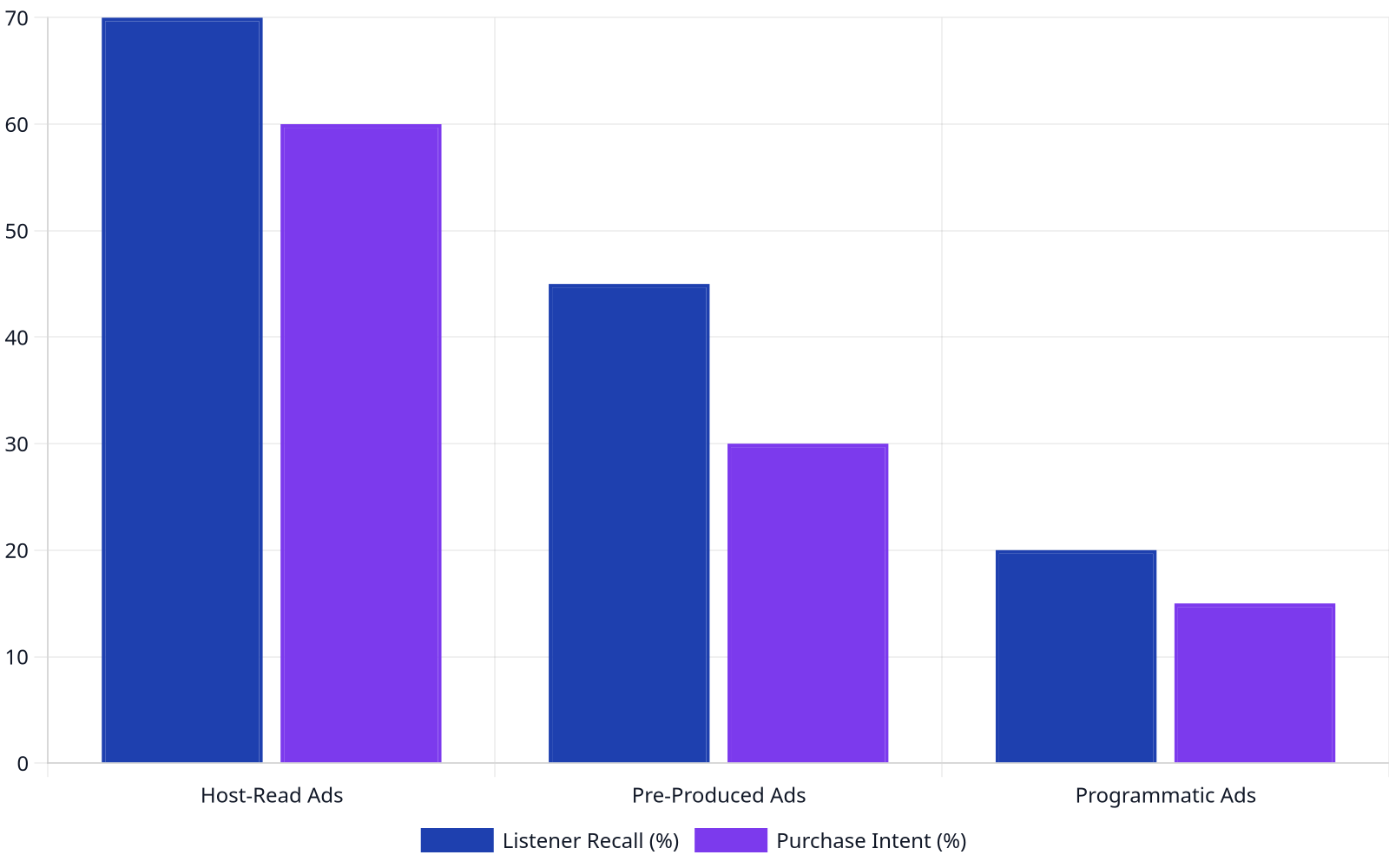

Follow these steps to develop host-read ads that feel genuine and drive action.
1. Vet the Brand for Audience Alignment
The first step isn’t writing; it’s qualifying. Not every brand that approaches you is a good fit, and a bad fit can damage the trust you’ve built with your audience. According to a 2023 study from Edison Research, 54% of podcast listeners are more likely to consider a brand after hearing about it on a podcast. That trust is fragile.
Ask yourself: Does this product or service solve a problem for my listeners? Does the brand’s reputation align with my show’s values? If you have to force the connection, it’s not the right partnership. At Big Pond, we focus on putting your brand in the right ears by connecting shows with advertisers who serve the same niche community.
2. Hold a Proper Kickoff Meeting
Once a brand is a good fit, schedule a call. The goal is to move beyond the one-sheet and understand the real objective. Is it brand awareness, lead generation, or direct sales?
Key questions to ask the advertiser:
- What is the single most important thing you want my listeners to know?
- What specific action should they take after hearing the ad?
- What does success look like for this campaign? (e.g., website visits, promo code uses)
This conversation uncovers the core message. It also establishes you as a strategic partner, not just a voice for hire.
3. Choose the Right Ad Format
Host-read ads aren’t one-size-fits-all. You have two primary formats, and the choice impacts both workflow and performance.
- Scripted Ad: The brand provides a verbatim script. This offers maximum message control for the advertiser but can sometimes sound stiff if not adapted properly. Your job is to deliver it in your natural cadence and style.
- Talking Points Ad: The brand provides key messages, features, and a call-to-action. This is the more common, and often more effective, format. It gives you the flexibility to weave the message into your own words, making it sound like a genuine recommendation.
Always push for talking points if you can. Your authentic delivery is what the advertiser is paying for.
4. Write (and Rehearse) the Ad Copy
This is where you translate the brand’s goals into a compelling story for your audience. A great ad script has a clear structure:
- The Hook: Start with a relatable problem or a surprising question that connects to the product. Don’t just announce the sponsor.
- The Personal Connection: Explain why you like the product. Use “I” statements. Did it solve a problem for you? Share a brief, genuine anecdote.
- The Product Details: Cover the essential talking points from the brand. What is it, and what does it do?
- The Call-to-Action (CTA): Be explicit. Tell listeners exactly what to do next. Use a unique URL or promo code to make tracking easy.
After writing, read it aloud. Does it sound like something you would actually say? Edit until it does. For more inspiration, you can review some podcast ad examples.
5. Record the Ad in High Fidelity
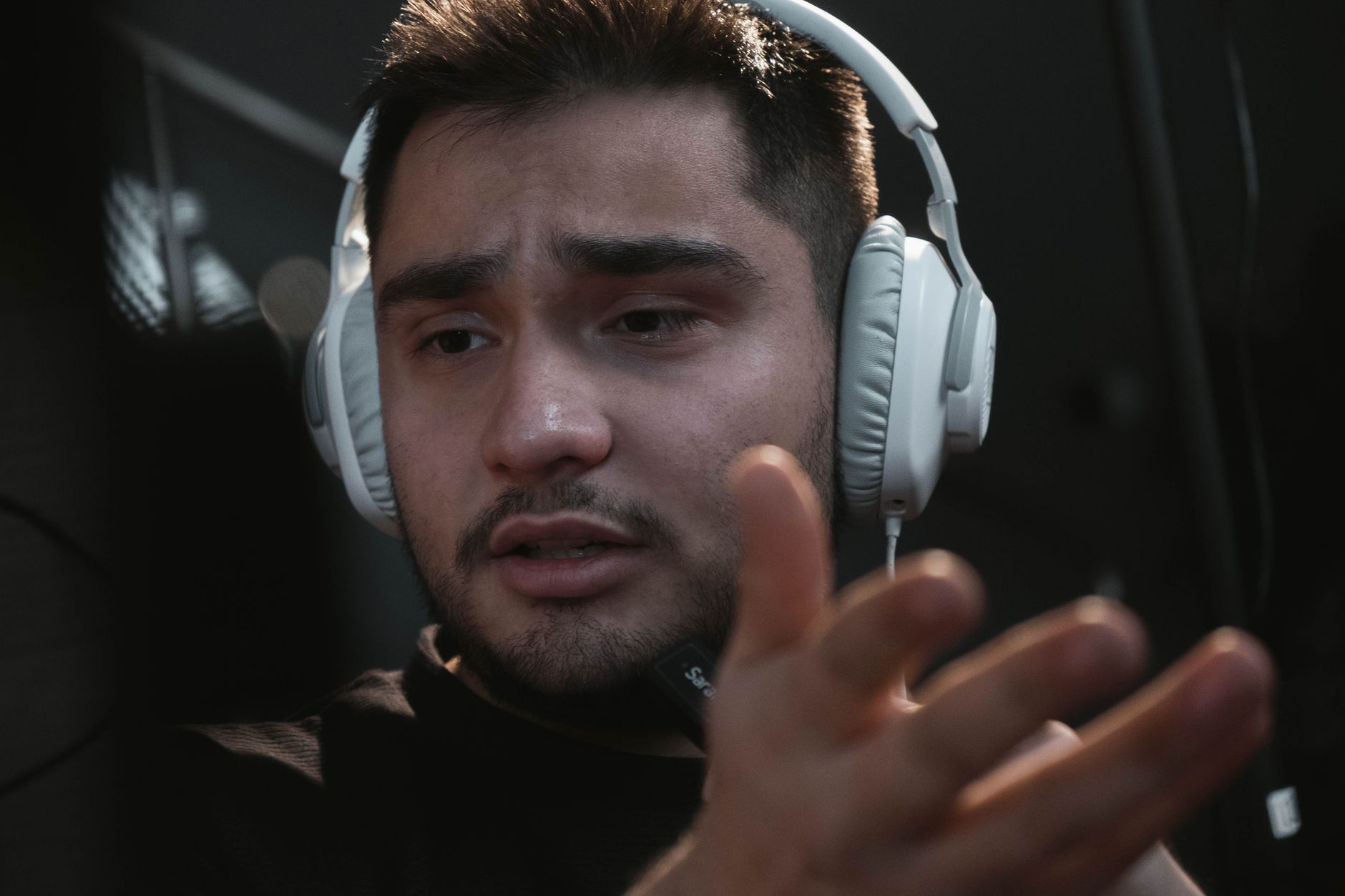
Record your ad read with the same care and technical quality as your main show content. Nothing screams “ad” more than a sudden drop in audio quality. If you’re dynamically inserting ads, ensure the volume levels are matched to the surrounding episode content. Listeners shouldn’t have to reach for the volume knob.
It’s also wise to record two or three takes. This gives you options and provides a backup. Sometimes the most natural delivery happens when you’re not overthinking it.
The best host-read ads don’t sound like ads at all. They sound like a passionate recommendation from a trusted friend.
6. Place the Ad Strategically
Where the ad appears in your episode has a huge impact on its effectiveness. There are three common placements:
- Pre-Roll: At the very beginning of the show. Best for short, high-impact messages and brand awareness. Viewers are less likely to skip ads here.
- Mid-Roll: In the middle of the episode. This is prime real estate. Mid-roll ads have the highest listener engagement as the audience is already invested. These spots command the highest rates.
- Post-Roll: At the end of the show. Often the least expensive slot, as many listeners drop off before the end. Best for reinforcing a message or for brands with a smaller budget.
Discuss placement with the advertiser to align it with their campaign goals. We help podcasters monetize their podcast by finding the right advertisers for these valuable slots.
7. Deliver and Report on Performance
The job isn’t done when the episode goes live. Professional podcasters provide a “proof of performance” report to the advertiser. This should be sent within 30-60 days after the ad runs.
Your report should include:
- A link to the episode.
- The timestamp where the ad appears.
- Download numbers for the episode at 30 days.
- Any available conversion data (promo code uses, URL visits).
This closes the loop and builds a case for renewing the partnership. It shows you are serious about delivering ROI. Managing these relationships is a key part of our work, as we help creators with podcast host endorsement deals.
Troubleshooting Common Issues
- The brand’s product is complicated. If you can’t explain it simply, your audience won’t get it. Ask the brand for a simple analogy or focus on the main benefit, not every single feature.
- The advertiser wants a hype-filled, unnatural script. This is a common challenge. Explain that your audience responds to your authentic voice. Offer to record two versions: their script verbatim and your own take. Your version will almost always perform better, giving you data for next time.
- The campaign shows low conversions. Don’t panic. First, check that the promo code or URL is correct and easy to remember/spell. Sometimes the offer isn’t compelling enough. Share this feedback with the brand; it’s valuable data for them.
FAQ
How long should a host-read ad be?
Most host-read ads are 60 to 90 seconds long. This provides enough time to tell a short story, cover the key benefits, and deliver a clear call-to-action without causing listener fatigue. Pre-roll ads are often shorter, around 30 seconds.
Should the host use the product before endorsing it?
Absolutely. The credibility of a host-read ad comes from genuine experience. Listeners can tell when a host is just reading a script versus when they actually use and believe in a product. Always request a product sample or trial before agreeing to an ad campaign.
What are typical CPM rates for host-read ads?
According to a 2024 analysis from Sounds Profitable, rates can range from $18 to $50 CPM. Niche shows with highly engaged audiences can often command higher rates than general interest podcasts.
What’s the difference between baked-in and dynamically inserted ads?
Baked-in ads are edited directly into the episode audio file and live there forever. They are great for evergreen content. Dynamically inserted (DI) ads are served in real-time when the episode is downloaded, meaning you can swap them out, target them geographically, or update them over time. DI offers more flexibility, which is why platforms like ours focus on providing those tools to creators.
How do I find advertisers for my podcast?
As your show grows, brands may reach out directly. You can also proactively pitch brands you admire. The most scalable method is to join a podcast network or hosting platform that offers monetization services, like Big Pond Podcasts.
How many ads should I have in one episode?
There’s no magic number, but a common rule of thumb is one pre-roll and one to two mid-roll ad spots for a 30-60 minute episode. Overloading your show with too many ads can lead to a negative listener experience. A 2023 study by Nielsen confirmed that ad overload is a primary reason listeners abandon a podcast.
How do I create a unique promo code or URL?
Ask the advertiser to create one for your show, such as “PODCASTNAME15”. Alternatively, you can use a custom URL shortener like Bitly or a redirect from your own website (e.g., yourpodcast.com/sponsor) to the advertiser’s page. This is essential for tracking ad effectiveness.
Creating effective host-read ads is a skill that blends sales, storytelling, and an authentic connection with your audience. By following this framework, you can move from simply reading ads to forging powerful partnerships that benefit your listeners, your advertisers, and your show’s bottom line. At Big Pond Podcasts, we provide the tools and network to help you manage these relationships and monetize your content stress-free.
Ready to find the right sponsors for your show? Get in touch with our team.
Related reading
About the author
Tariq Basraoui
CEO
Tariq O’Keefe Basraoui, Co-Founder of Big Pond Podcasts, is a seasoned digital marketer and community builder with a track record of success at platforms like TikTok and Zencastr. Known for launching Zencastr’s Creator Network to over 15,000 members in 18 months, his expertise lies in growing user bases and enhancing brand engagement.
His strategic approach to growth and community engagement has established him as a leader in creating some of the fastest-growing media networks in podcasting.
