

You increase your podcast listeners organically by moving beyond directory algorithms to capture search traffic, video syndication, and direct cross-promotion. Independent creators often face flatlining downloads because standard apps limit natural discovery. A multi-channel approach puts your audio directly in front of receptive communities without requiring a major advertising budget.
A Step-by-Step Framework for Organic Podcast Growth
Building an audience requires a reliable sequence of actions across your production workflow. You start by optimizing your core assets for search engines before moving into algorithmic scheduling and reciprocal promotions. This foundation puts every new episode to work attracting and retaining listeners.
Building Search-Discoverable Episode Web Pages
Directory apps cannot index spoken conversational audio, which leaves your episodes hidden from regular web searches. You lose potential subscribers who look for your topics on standard search engines rather than inside specific podcast platforms. Relying solely on directory search keeps your total addressable audience artificially small.
You fix this by converting your episode audio into long-form landing pages with an active embedded audio player. These keyword-dense pages live on your own domain or partner sites to capture traffic that bypasses standard directories entirely.
Triton Digital found that 73% of monthly active listeners discover new podcasts through a web search. You capture this audience by writing readable, usable show descriptions for human readers. Keep the text natural and informative instead of just stuffing it with keywords.
Optimizing Episode Publishing Cadence for Recommendation Algorithms
You improve your podcast’s ranking by up to 5 positions in search results by releasing new episodes within a 15-day cycle. This consistent publishing schedule tells the system your show is active and highly relevant to users. Ausha’s study of the Spotify algorithm shows this specific cadence increases your chances of algorithmic recommendation.
The trade-off is the strict production timeline you must maintain to hit that two-week window. Missing the 15-day threshold breaks the active relevance signal, which drops your visibility in user recommendations. You have to balance deep research and complex editing with the rigid schedule the algorithm demands.
If your format requires heavy investigative work, you might alternate full documentary episodes with shorter supplementary interviews. This keeps the feed active within the required cycle without compromising your core storytelling quality.
Activating In-App Listener Interactions on Spotify
Passive audio consumption gives you basic download metrics, whereas interactive features turn anonymous listeners into an engaged community. Fans want to participate in the conversation rather than just hearing you speak into a void. Spotify reports that 73% of listeners want direct opportunities to interact with the creators of their favorite shows.
This changes how you structure your episode conclusions and calls to action. Instead of sending listeners to external social media sites, you ask specific questions they can answer immediately in the app. You use built-in comments and polls to gather instant feedback.
A daily true crime show might run a poll asking listeners for their top suspect right as the episode ends. The immediate interactive element keeps the audience invested in the platform and boosts the engagement signals the algorithm tracks.
Distributing Video Content to Top Discovery Channels
Video distribution puts your audio in front of audiences who treat video platforms as their primary listening tool.
Relying solely on traditional audio directories cuts you off from a third of the active weekly market. Your audience strategy must account for the interface where a massive segment already spends its time.
Publishing your episodes on YouTube ensures your content appears in video recommendation feeds and standard search queries. You meet these listeners on their preferred platform instead of trying to force them into a standalone audio app. This visual discovery channel completely changes how rapidly a new show builds an audience.
Executing Cross-Promotions and Guest Asset Sharing
Most guests never share their interview. Creating new social posts takes effort, so busy people skip the work and move on to other tasks. That silence limits your reach.
Solve this by designing custom quote cards for each guest. Tagging featured brands and guests on social media expands show exposure with minimal effort for them. Send assets early.
You can also partner directly with other show hosts. Trailer swaps, guest visits, and joint events introduce your podcast to people who find new shows through host recommendations. Focus on shows with similar catalog sizes first so both sides gain equal value.
Frequently Asked Questions
Where should you post your podcast?
You post your podcast to a reliable hosting provider that automatically distributes your RSS feed to major directories. You also need to distribute your episodes to YouTube, as 33% of US weekly listeners use it most often. Embedding an active audio player on your own website captures additional search traffic.
What is the best day to release a podcast?
The best day depends entirely on your specific audience’s listening habits rather than a universal rule. What matters most is maintaining a consistent publishing cycle. Releasing new episodes within a 15-day window signals active relevance to recommendation algorithms.
How can I make my podcast more popular?
You make your podcast more popular by optimizing your episode titles and descriptions for human readers while targeting web searches. Building a complete discovery strategy goes beyond raw download numbers to measure actual engagement. Providing guests with custom promotional graphics encourages frictionless social sharing.
How long does a podcast take to grow?
Organic podcast growth requires consistent publishing and active distribution over many months. Earning algorithmic visibility takes time, as platforms need a sustained history of listener engagement to recommend your show. You speed this up slightly by releasing episodes within that optimal 15-day cycle.
How do listeners discover new podcasts?
A massive 73% of monthly active listeners discover new podcasts through web search. Listeners also find new shows through direct recommendations from other podcast hosts. Collaborative filtering algorithms on platforms like Spotify recommend shows based on listener behavior and interaction.
About the author
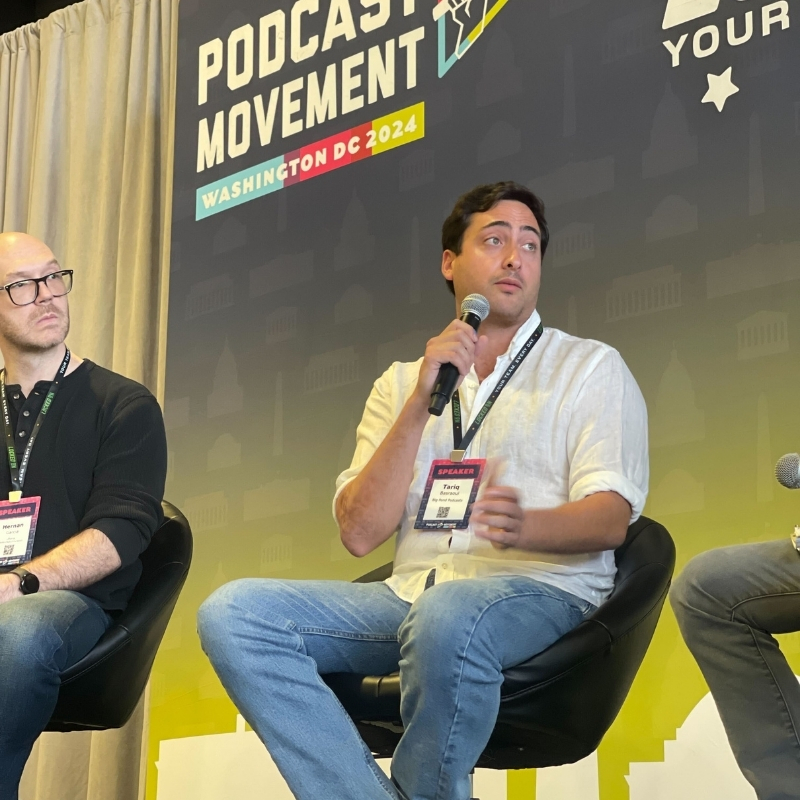
Tariq Basraoui
CEO
Tariq O’Keefe Basraoui, Co-Founder of Big Pond Podcasts, is a seasoned digital marketer and community builder with a track record of success at platforms like TikTok and Zencastr. Known for launching Zencastr’s Creator Network to over 15,000 members in 18 months, his expertise lies in growing user bases and enhancing brand engagement.
His strategic approach to growth and community engagement has established him as a leader in creating some of the fastest-growing media networks in podcasting.
