
Your podcast is more than a hobby; it’s a potential business. A sustainable podcast business plan template provides a clear roadmap to transform your show from a passion project into a profitable enterprise by outlining content strategy, audience growth, and monetization paths. It ensures you focus on long-term viability, not just short-term downloads, by defining your niche, value proposition, and revenue streams like sponsorships and direct listener support, preventing burnout and financial guesswork.
This checklist is for podcasters ready to get serious. It covers the core components of a plan that actually works, broken down by phase. Use it to build your foundation and keep yourself accountable.

Phase 1: Foundation & Strategy (Pre-Launch / Quarter 1)
This is the bedrock. Skipping these steps is like building a house with no blueprint. You might get a few walls up, but it won’t be stable.
- Define Your Niche & Ideal Listener: Get hyper-specific. “Tech enthusiasts” is too broad. “Early-adopter SaaS founders in the fintech space” is a niche. A study from Nielsen confirms that niche audiences are highly engaged, making them more valuable to advertisers.
Craft Your Unique Value Proposition (UVP): What makes your podcast the only one your ideal listener needs* to hear? Is it your unique access, your data-driven insights, or your specific analytical framework? Write it down in a single sentence.
- Set SMART Goals (Specific, Measurable, Achievable, Relevant, Time-bound): “Get more listeners” is not a goal. “Reach 10,000 monthly downloads within 6 months” is. Set targets for audience growth, revenue, and production milestones.
- Conduct a Competitive Analysis: Identify 3-5 other podcasts in your space. Analyze their format, content, and monetization methods. Find the gap your show can fill. Services like Chartable or Podchaser are excellent for this research.
Phase 2: Content & Audience Growth (Quarters 2-3)
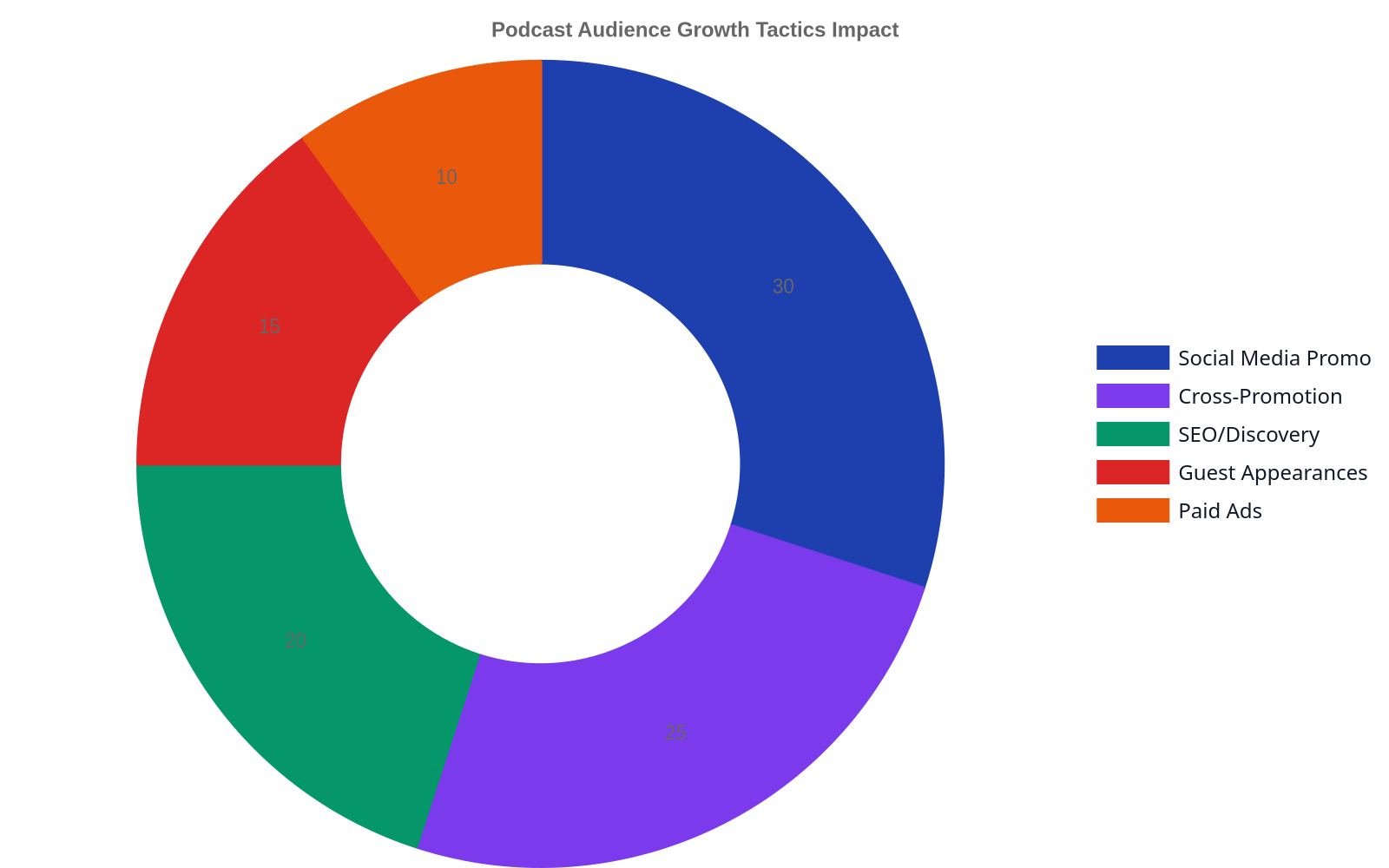
With a solid strategy, you can now focus on creating content that attracts and retains your target audience. This is where consistent execution matters.

Audience Growth Tactics
- Develop a Content Calendar: Plan episodes 8-12 weeks in advance. This prevents scrambling for topics and allows for more strategic content, like interviews with timely experts or episodes tied to seasonal trends.
- Optimize for Podcast SEO: Use relevant keywords in your show title, episode titles, and descriptions. According to a 2023 report, over 40% of podcast discovery happens through search on podcast platforms.
- Establish a Promotion Workflow: Create a checklist for every episode launch: social media posts, email newsletter, audiograms, and outreach to guests for cross-promotion. Consistency is key.
- Engage with Your Community: Build a space for listeners to connect, whether it’s a Discord server, a Facebook group, or through email. This is how you turn casual listeners into true fans.
Phase 3: Monetization & Scaling (Quarters 4+)
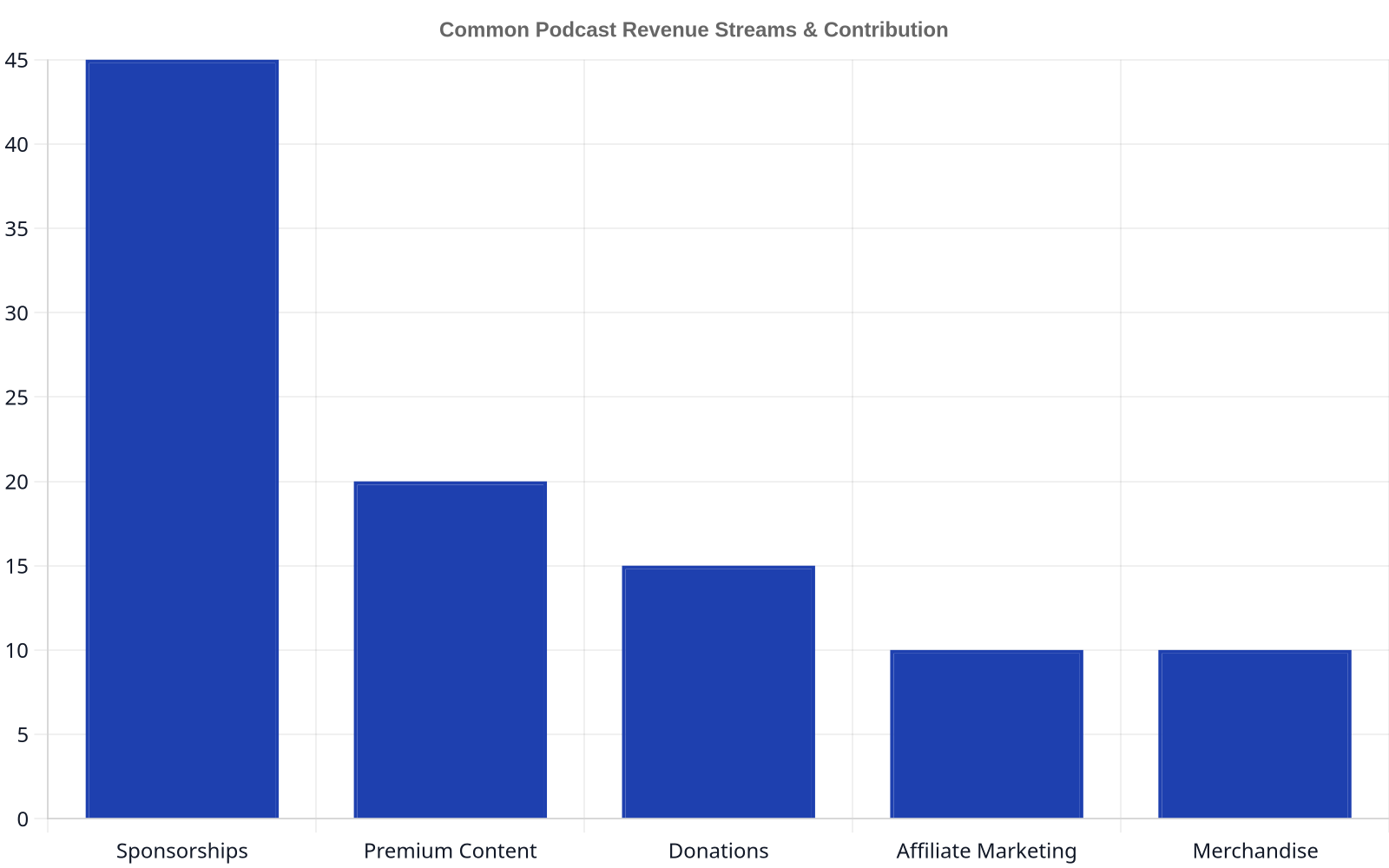
Monetization isn’t a switch you flip; it’s a system you build. With an engaged audience, you can now introduce revenue streams. We help creators securing podcast sponsorships by connecting them with the right opportunities.
Don’t just chase any sponsor. The right partnership reinforces your brand’s authority and respects your listeners’ trust. The wrong one erodes it for a quick check.
Monetization Strategies
- Identify Sponsorship Categories: List 5-10 brand categories that align with your audience. Before approaching them, you’ll need a solid sponsorship proposal template.
- Develop Your Media Kit: This one-page document must include audience demographics, download numbers, listener engagement stats, and your pricing. Update it quarterly.
- Explore Multiple Revenue Streams: Don’t rely solely on ads. Consider premium content (Patreon, Supercast), affiliate marketing, and selling your own products or services. Patreon reports that creators earn consistently from a small, dedicated portion of their audience.
- Formalize Your Ad Operations: As you grow, managing ad placements becomes complex. At Big Pond, we specialize in securing podcast sponsorships and managing the entire process, so you can focus on your content. The right tools can make or break your ability to scale.

The Ones People Miss
Here are three items from the checklist that podcasters often overlook, and what it costs them.
- Ignoring the Legal Stuff: This means not having a guest release form, not properly registering your business, or failing to create clear terms of service for any paid products. The cost? Potential legal disputes down the line that can sink your entire operation. A simple contract template from a site like LegalZoom is a start, but consulting a lawyer is best.
- Failing to Build an Email List: Relying solely on a podcast app for your audience connection is like building a house on rented land. If the platform changes its algorithm, you could lose your audience overnight. An email list is an asset you own and control. The cost of not having one is a total loss of audience contact.
- Not Reinvesting in the Show: Successful podcasters don’t pocket all their early revenue. They reinvest it in better gear, professional editing, or marketing. The cost of skipping this is stagnation. Your audio quality, content, and reach will plateau while competitors who reinvest pull ahead.
The Complete Sustainable Podcast Business Plan Checklist
Here is the full checklist in a copyable format for your own project management tools.
Phase 1: Foundation & Strategy
- [ ] Define Your Niche & Ideal Listener
- [ ] Craft Your Unique Value Proposition (UVP)
- [ ] Set SMART Goals
- [ ] Conduct a Competitive Analysis
Phase 2: Content & Audience Growth
- [ ] Develop a Content Calendar (8-12 weeks out)
- [ ] Optimize for Podcast SEO (titles, descriptions)
- [ ] Establish a Promotion Workflow for Each Episode
- [ ] Engage with Your Community (Discord, email, etc.)
Phase 3: Monetization & Scaling
- [ ] Identify 5-10 Target Sponsorship Categories
- [ ] Develop and Maintain a Media Kit
- [ ] Explore at Least Two Additional Revenue Streams
- [ ] Formalize Your Ad Operations & Payouts
FAQ
How much money can a podcast make?
Revenue varies wildly. However, others earn more through direct-to-consumer sales or affiliate deals. A podcast’s income depends entirely on its niche, audience engagement, and chosen monetization methods.
How long does it take to make a podcast profitable?
Most podcasts are not profitable in their first year. It typically takes 18-24 months of consistent effort in content creation and audience growth to build a listener base large enough to attract significant sponsors or support other revenue streams. Profitability is a long-term goal.
Do I need a business license for a podcast?
If you start earning money, yes. Once you generate revenue (from sponsors, affiliates, etc.), you are operating a business. The specific requirements vary by location, but you will likely need to register as a sole proprietorship or LLC to handle income and taxes properly.
What are the most important metrics for a business plan?
Focus on three key areas: 1) Audience Growth (monthly downloads and unique listeners), 2) Audience Engagement (episode completion rate, community interaction), and 3) Financials (revenue per episode, cost per episode, and profit margin). These numbers tell the true story of your podcast’s health.
Related reading
About the author
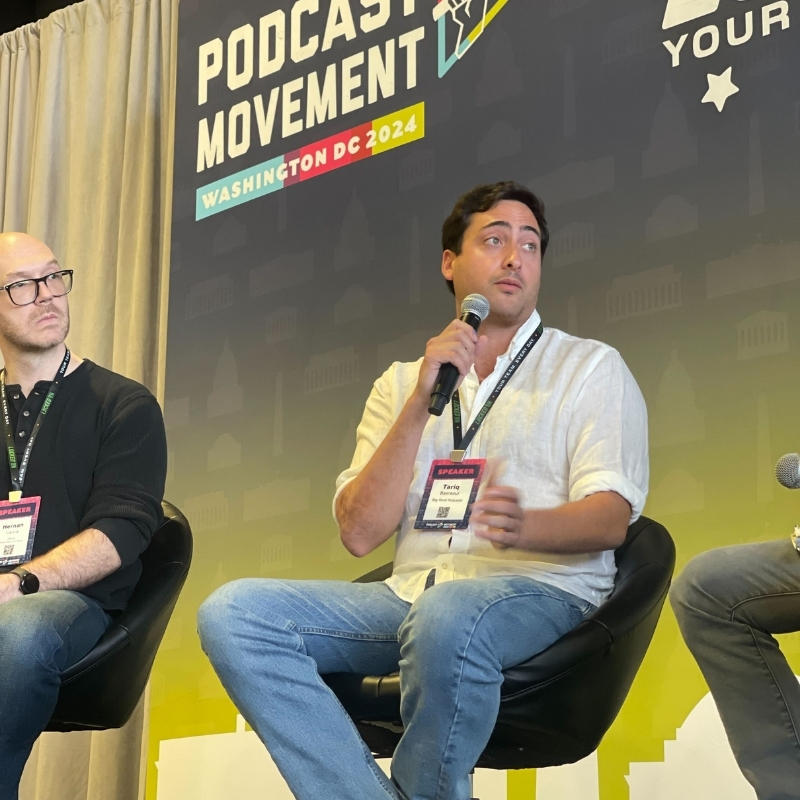
Tariq Basraoui
CEO
Tariq O’Keefe Basraoui, Co-Founder of Big Pond Podcasts, is a seasoned digital marketer and community builder with a track record of success at platforms like TikTok and Zencastr. Known for launching Zencastr’s Creator Network to over 15,000 members in 18 months, his expertise lies in growing user bases and enhancing brand engagement.
His strategic approach to growth and community engagement has established him as a leader in creating some of the fastest-growing media networks in podcasting.
