Your Essential Podcast Recording Equipment Setup for 2026
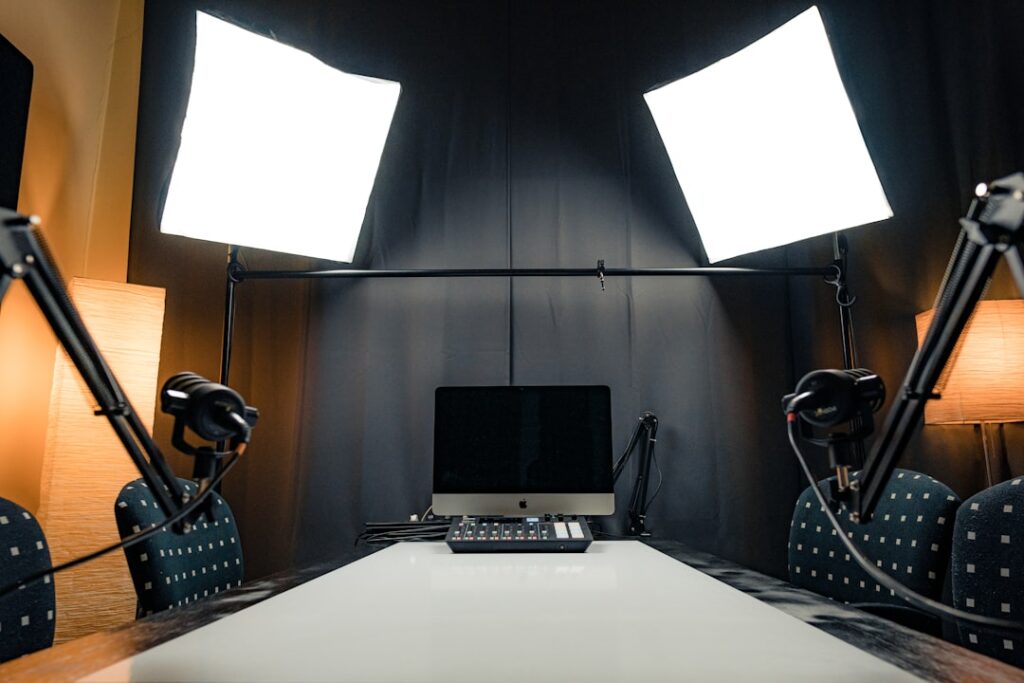
Stop believing you need a broadcast-level studio to start. An essential podcast recording equipment setup consists of four core components: a quality microphone to capture your voice, an audio interface or mixer to process the signal, headphones for monitoring, and recording software to edit. This foundation ensures clear, professional-sounding audio without the complexity or cost of a full studio, allowing you to focus on creating great content.
Your journey into podcasting doesn’t start with a shopping spree for every gadget you see online. It starts with understanding the signal chain. Good audio is about a clean path from your voice to the final MP3 file. Anything that degrades that signal path makes your show harder to listen to. The goal is clarity, not complexity.
What is an essential podcast recording equipment setup?
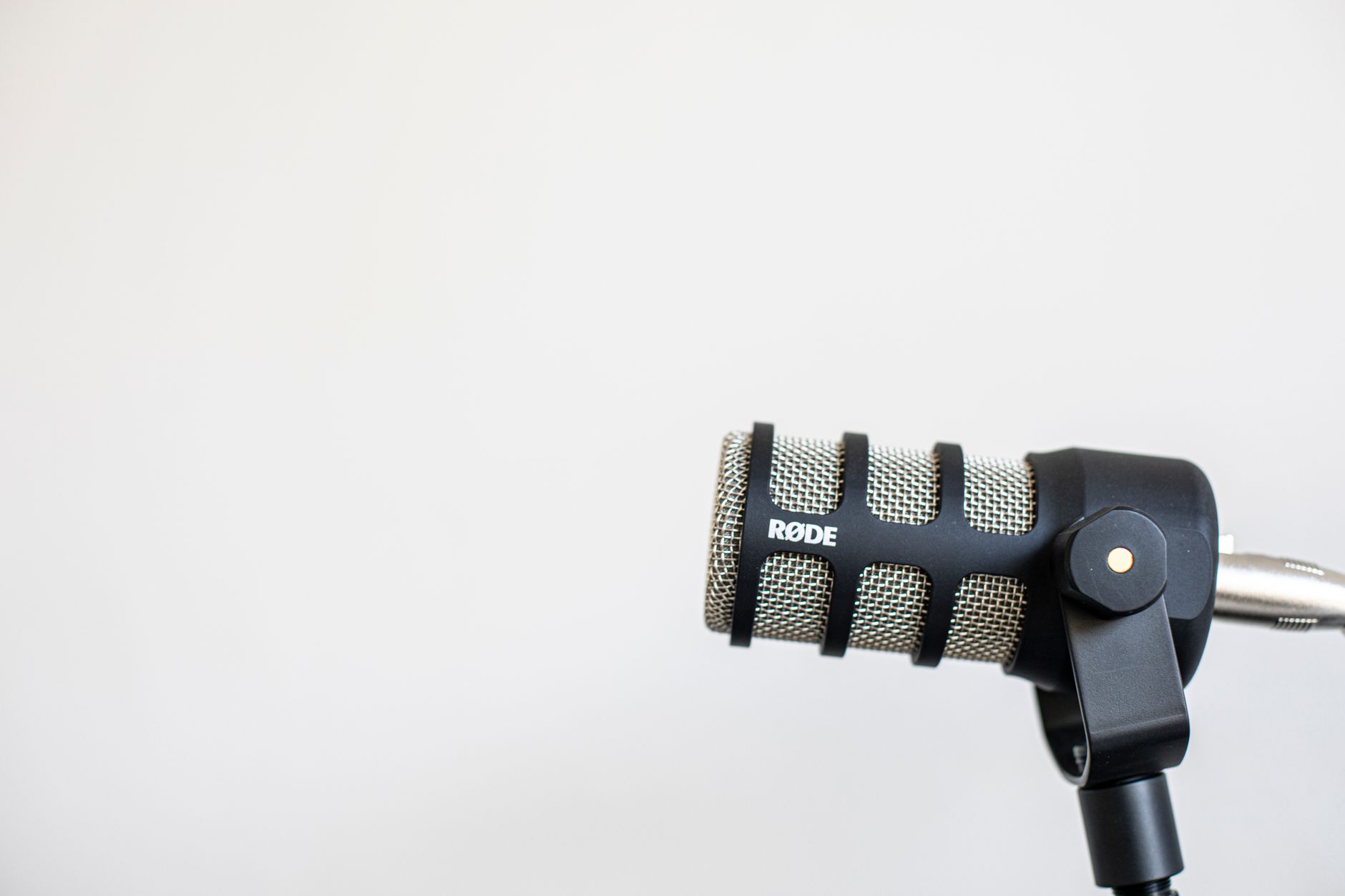
An essential podcast recording equipment setup is the bare minimum hardware and software required to produce clear, intelligible audio. It’s not about having the most expensive gear; it’s about having the right gear that works together. The four pillars are the microphone, the interface, headphones, and the Digital Audio Workstation (DAW).
Think of it like building a basic toolkit. You need a hammer (microphone), a way to hold the nails (interface), safety glasses (headphones), and a plan (DAW). You can build a lot with just those items. Anything else is a specialty tool for a specific job you might not even have yet.
Don’t get distracted by what the top 1% of podcasters use. The audience cares about one thing: can they hear you clearly? Your first setup should be built entirely around achieving that one goal.
How It Works: A Concrete Example
Let’s walk through a common and highly effective setup. Imagine you are recording a solo commentary show.
- Microphone: You speak into a cardioid condenser microphone like the Audio-Technica AT2020. This type of mic is great for capturing the nuances of a single voice while rejecting some room noise. It connects via an XLR cable, the professional standard.
- Audio Interface: The XLR cable from the AT2020 plugs into a simple audio interface like the Focusrite Scarlett Solo. This box does two critical jobs. It supplies the microphone with the 48V phantom power it needs to operate, and it converts the analog signal from the mic into a digital signal the computer can understand.
- Computer & DAW: A USB cable connects the Scarlett Solo to your computer. On the computer, you have recording software (DAW) like Audacity (free) or Adobe Audition (paid) open. You select the Scarlett Solo as your audio input device.
- Headphones: Your headphones, perhaps the Sony MDR-7506, are plugged directly into the headphone jack on the Scarlett Solo. This allows you to hear exactly what the microphone is capturing in real-time, with zero latency. This is crucial for catching plosives (p-pops) or background noise while you’re recording, not after.
This entire chain, from mic to interface to computer, ensures a clean signal and costs a few hundred dollars, not thousands. It’s the setup behind countless successful podcasts.
What It Is Not
Many beginners confuse a functional setup with a broadcast studio. Here’s what an essential setup is not.
- It is not a complex multi-channel mixer. You don’t need a 12-channel mixer if you are a solo host or have one remote guest. A simple 2-channel interface is more than enough to start. Mixers add complexity and potential points of failure.
- It is not a USB microphone plugged directly into a computer. While some USB mics are decent, they often have lower-quality internal components and offer less flexibility than the XLR/interface combo. A 2022 study by Buzzsprout on over 100,000 podcasters showed a clear trend towards more professional gear as shows grow.
- It is not expensive soundproofing. You don’t need to build a vocal booth. Recording in a closet full of clothes, using heavy blankets, or choosing the right time of day to record can achieve 80% of the result for 0% of the cost. Acoustic treatment is important, but it comes after you’ve mastered the basic equipment.
Starting with the essentials allows you to identify your actual needs before spending money. Once you have a handle on recording, you might decide to focus on securing podcast sponsorships rather than upgrading your gear.
Your recording space is the most overlooked piece of equipment. A $100 mic in a quiet, treated room will always sound better than a $1,000 mic in a noisy, echo-filled kitchen.
Podcast Equipment Cost Comparison
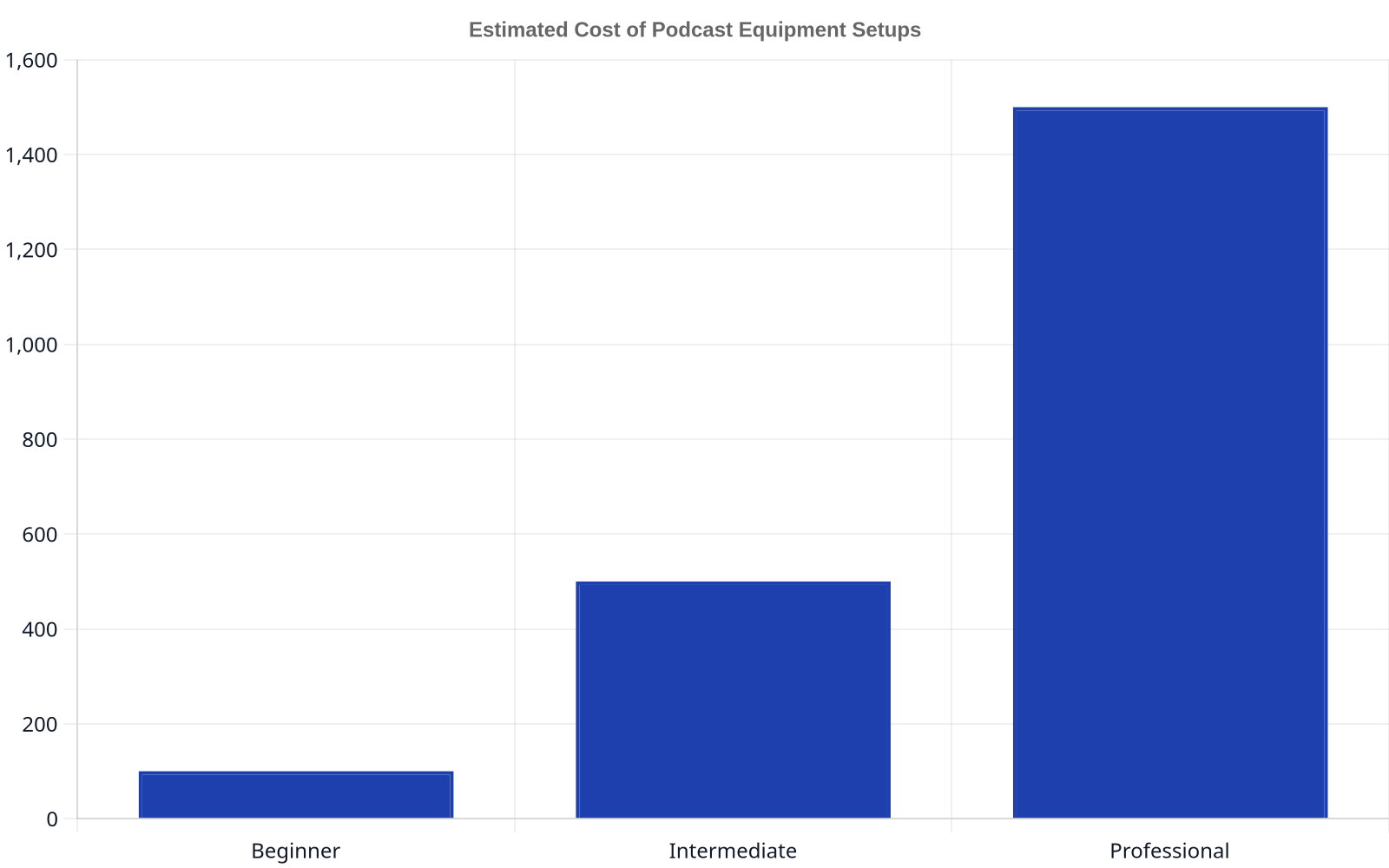
Understanding the potential investment is crucial. Costs can vary dramatically based on the tier of equipment you choose. A basic, high-quality setup is more accessible than many think.
A professional setup isn’t just about the microphone; it’s the entire signal chain. Investing in a good interface and learning proper mic technique provides a better return than simply buying an expensive mic. Many successful shows on our network started with budget-friendly gear, focusing instead on great content to grow their audience before upgrading.
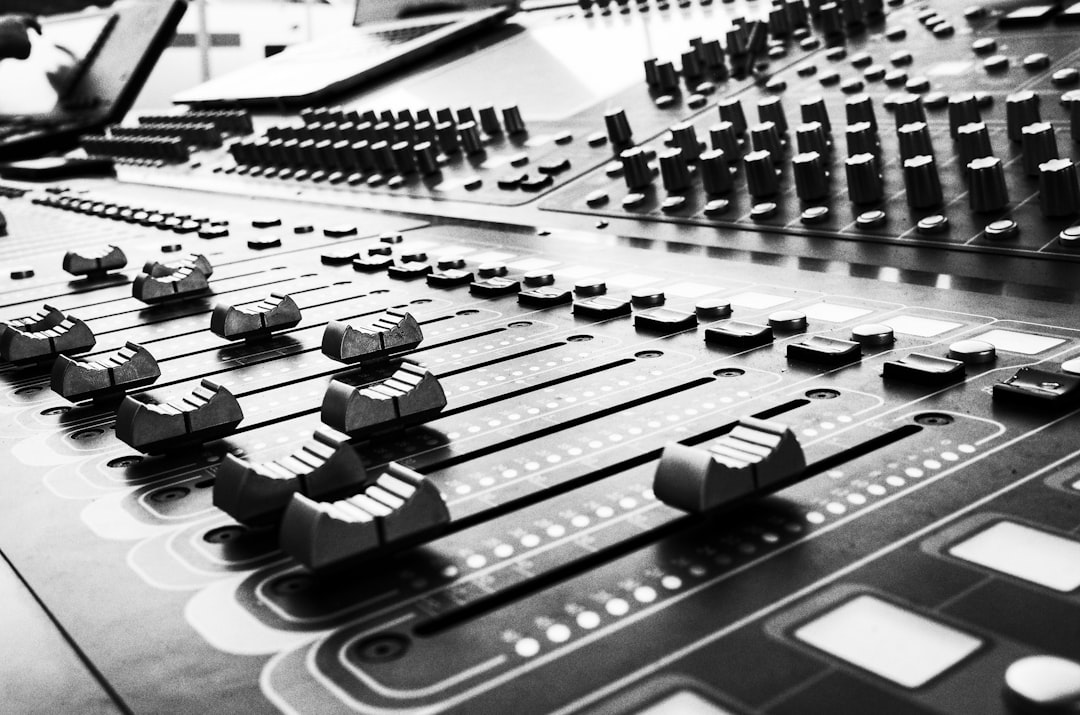
Key Equipment Feature Comparison
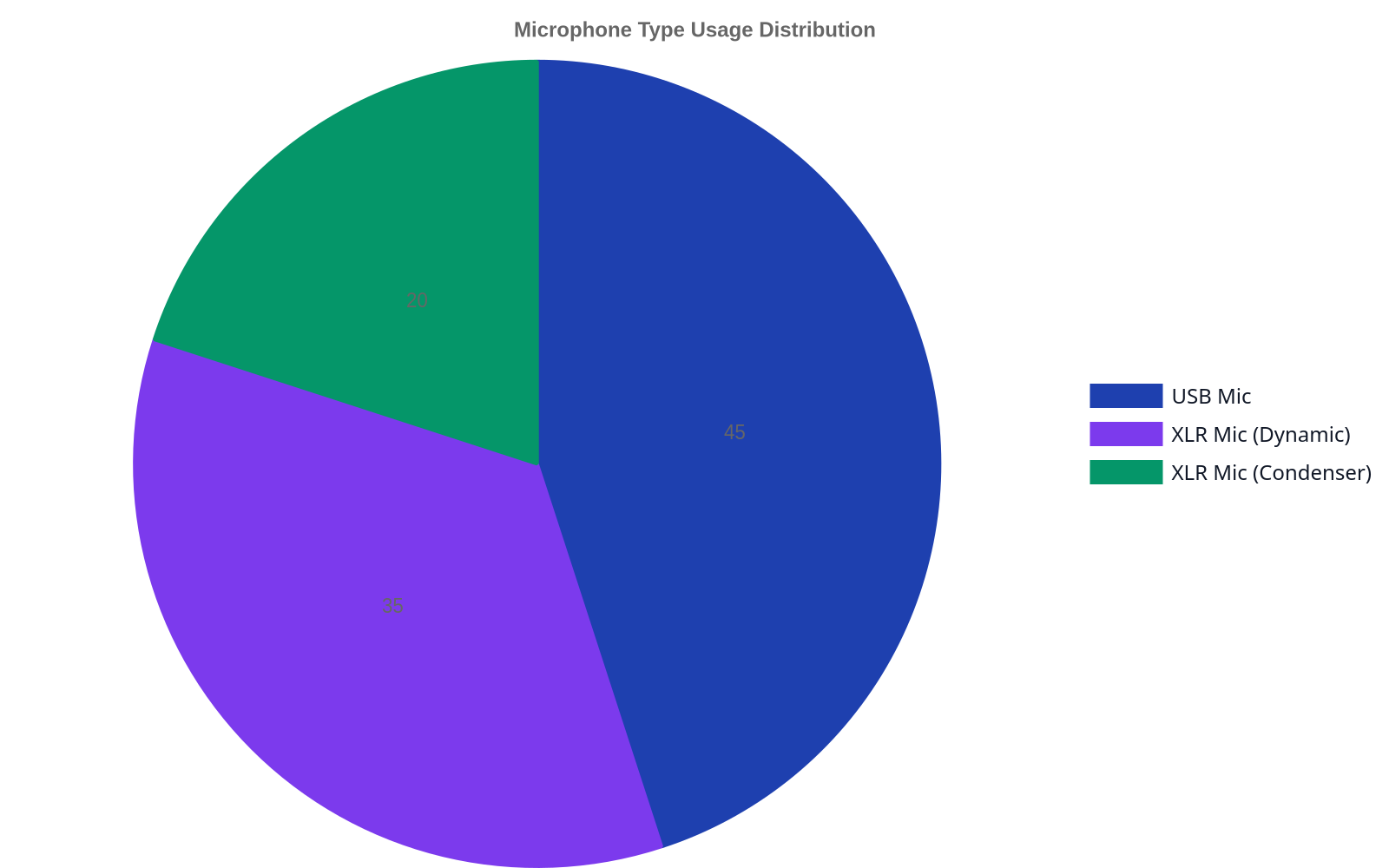
When selecting a microphone, the primary choice is between a dynamic and a condenser mic. Dynamic mics like the Shure SM7B are excellent at rejecting background noise, making them ideal for untreated rooms. Condenser mics like the Rode NT1 are more sensitive and capture more detail, which is great in a quiet, controlled space.
The choice depends entirely on your recording environment. There is no single “best” microphone, only the best one for a specific voice and room. After you have a solid recording process, you can start thinking about how to monetize your podcast.
When It Matters
Having the right equipment matters from day one. Poor audio is one of the top reasons new listeners abandon a podcast. A audio quality is a significant factor in listener retention.
This doesn’t mean you need the best of everything, but it means you must meet a minimum threshold of clarity. If your audio is filled with hiss, echo, or background noise, your message is lost. An essential podcast recording equipment setup is the tool that ensures your voice, and your story, can be heard clearly.
At Big Pond, we believe in empowering creators. By mastering the fundamentals of good audio, you can produce a professional-sounding show and focus on what truly matters: creating compelling content and finding opportunities to monetize and grow your podcast.
Frequently Asked Questions
Can I start a podcast with just my phone?
You can, but it’s not recommended for long-term growth. A phone is great for testing an idea, but the audio quality from its internal microphone is easily compromised by room noise and handling. Listeners have high standards for audio quality, and a dedicated microphone is one of the first and most important upgrades.
What is the single most important piece of equipment?
The microphone. It is the first link in your audio chain and has the biggest impact on how your voice sounds. A good microphone can’t fix a bad room, but a bad microphone will make even a perfect room sound terrible.
Do I need a pop filter?
Yes. A pop filter or windscreen is a non-negotiable part of an essential setup. It’s an inexpensive piece of mesh that sits between your mouth and the microphone to diffuse the blasts of air from plosive sounds (like “p” and “b”). This simple tool dramatically improves the professionalism of your audio.
What’s the difference between an audio interface and a mixer?
An audio interface is designed to get one or two high-quality audio signals into your computer. A mixer is designed to combine multiple audio signals, adjust their levels, and then output a combined signal. For most podcasters starting out, a simple 2-channel interface is all that is needed. You only need a mixer if you regularly record with three or more people in the same room.
About the author
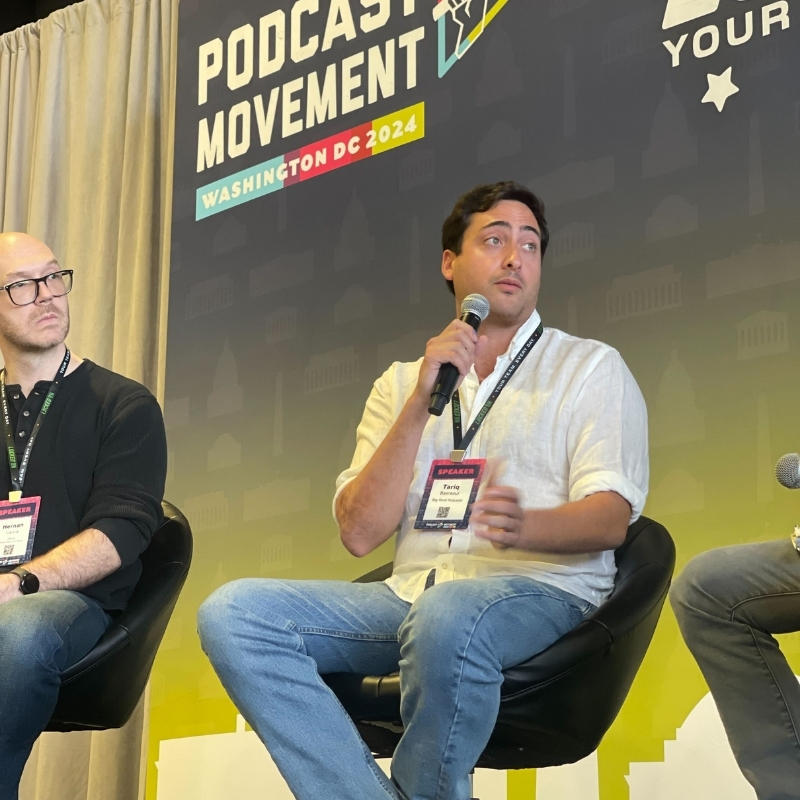
Tariq Basraoui
CEO
Tariq O’Keefe Basraoui, Co-Founder of Big Pond Podcasts, is a seasoned digital marketer and community builder with a track record of success at platforms like TikTok and Zencastr. Known for launching Zencastr’s Creator Network to over 15,000 members in 18 months, his expertise lies in growing user bases and enhancing brand engagement.
His strategic approach to growth and community engagement has established him as a leader in creating some of the fastest-growing media networks in podcasting.
