

Trying to steer a show using only download counts is like flying a plane using just an altimeter. You know you’ve left the ground, but you can’t see if you’re heading toward a storm or missing your destination entirely. You grow your audience by looking past raw server hits to map actual listening behavior, turning completion rates and demographic data into concrete editorial choices. This approach stops creator burnout by focusing your budget on the formats and topics that actually retain listeners for the full episode.
Establishing a Baseline with IAB Measurement Guidelines
The IAB Podcast Measurement Technical Guidelines 2.1 standardize podcast measurement across four primary metrics: Download, Listener, Ad Delivered, and Client-Confirmed Ad Play. A producer might see thousands of sudden server requests for an audio file and assume their audience doubled overnight. Without filtering out automated bot traffic, raw requests mask the true size of a marketable media audience.
Bots and automatic device pings inflate numbers wildly if you lack strict filters. A podcast app checking an RSS feed for updates looks identical to a genuine listener on a basic server log. You need rules that separate a background fetch from a human pressing play.
The updated guidelines include specific filtering guidance for Apple watchOS user agents. A smartwatch often downloads episodes in the background while charging overnight. If your analytics provider counts every one of those fetches as a listener, your data will suggest a massive audience that never actually hears your content.
The guidelines also establish recommendations for IPv6 IP addresses to reduce measurement discrepancies. Mobile networks heavily rely on IPv6, and failing to group these addresses correctly leads to counting the same phone multiple times as it moves between cell towers. Filtering this out gives you a realistic count of unique human devices.
The four core metrics break down the listening journey into distinct phases:
- Download: A file request that successfully transfers enough audio data to represent a listen.
- Listener: Data representing a single user across multiple downloads of the same episode.
- Ad Delivered: A measurement showing the server sent the specific audio file containing an advertisement.
- Client-Confirmed Ad Play: The strongest signal, where the playback app confirms the user actually reached the timestamp of the advertisement.
Working with the top podcast advertising companies for 2026 growth requires this level of clarity before they commit significant budget. Buyers need to know their mid-roll read actually played in a human ear. They refuse to pay for audio segments sitting unheard in a phone’s memory cache.
Standardizing your analytics builds trust with sponsors and helps you scale your operations. When buyers and sellers use a clearly defined common language, negotiations move faster. You stop arguing over whose dashboard is right and start discussing the value of the audience.
Evaluating your show on unverified data also damages your own editorial confidence. You might repeat a weak episode format just because a bot network temporarily inflated its download numbers. Real audience growth requires a foundation of accurate, filtered data that reflects genuine human interest.
Check your hosting provider’s dashboard to confirm they comply with the latest IAB measurement standards. If your platform doesn’t filter background device activity, your growth strategy risks relying on a distorted view of your audience.

Turning Retention Curves into Content Decisions
A platform’s retention graph pinpoints exactly where playback changes, showing a noticeable loss of listeners continuing through an episode. You risk bleeding your core audience entirely if you keep producing segments that trigger mass exits. You fix this by treating your listener retention curve as a direct editorial feedback loop.
Identifying drop-off points requires looking at the timestamps where listeners dip, particularly within the first couple of minutes. A steep vertical cliff right after the intro music means your opening hook failed. Fix cold opens and front-load the payoff at the drop-off timestamps to hold attention past the initial click.
Apple Podcasts Analytics documentation defines Average Consumption as a device-based percentage using listener consumption and episode duration. This percentage lets you compare whole episodes directly. It doesn’t name a single drop-off point for you, so you still have to review the line graph manually.
Examine episode drop-off charts to locate the sections needing improvement. To see drop-off information in Spotify for Creators, click on any episode in your web dashboard. Look for the sharp dips where listeners skipped or stopped playing an episode altogether.
These dips frequently reveal skipped introductions or mid-roll advertisements. When a listener skips forward two minutes, the retention graph drops at the start of the ad and flattens out again when the interview resumes. Review and refine those weak segments to improve retention on future episodes.
Your episode is 45 minutes long, and the analytics dashboard shows a 25 percent drop-off at the four-minute mark. You open the audio file and see that the four-minute mark corresponds exactly to a three-minute guest biography read before the actual interview starts. You tighten that biography to thirty seconds in the next recording to keep the audience engaged.
Rank episodes by consumption rate to shape future editorial planning. Don’t rely solely on gross downloads, which only measure marketing reach. Consumption rates tell you what people actually wanted to hear once they arrived.
Compare the consumption rate across different topics and guests. Produce more content on topics that earned attention and retire topics that underperformed. If a specific format consistently yields a 90 percent completion rate, make it a recurring segment.
Many hosts fail to connect the visual drop in a graph to the audio playing at that exact second. You have to open your editing timeline alongside your analytics dashboard. Match the timestamps perfectly to understand exactly what words drove the listener away.
Using Audience Demographics for Show Expansion
You tailor future episode topics to align with topics listeners are actively searching for by analyzing discovery source breakdowns. The trade-off is that hyper-focusing on podcast listener demographics targeting might limit your creative range, but you risk wasting production hours if you ignore clear regional or age-based audience signals.
Spotify for Podcasters surfaces aggregated audience demographic data including location and age. This geographic listener data allows you to tailor content, guests, and events to the people already showing interest. If your show has a strong following or high concentration of listeners in a specific city or region, consider booking guests who have ties there.
You might schedule local appearances or record localized episodes to capture that regional momentum. A host with a surprising cluster of listeners in Chicago could shift their next live recording to that city to convert casual listeners into dedicated advocates.
Review the impressions breakdown by source graph in the Spotify for Creators Analytics Dashboard. A higher percentage of impressions originating from Spotify Search indicates that people are finding you through specific queries, not just algorithmic recommendations. That usually means a specific subject you covered is a popular search topic on the platform.
You account for this by building future episodes around adjacent search terms. If an episode about vintage microphones spikes your search traffic, your audience is actively hunting for gear reviews. You capture that ongoing intent by dedicating a monthly slot to audio equipment.
Mine community questions and feedback for new episode topics. When the same question keeps showing up in reviews, communities, and forums, that’s an episode. You create a dedicated podcast episode addressing the repeated question to guarantee immediate relevance.
Collect direct feedback by deploying audience surveys. Ask listeners directly to clarify what content is working and what you need to produce next. Using an audience survey built into a platform like Podpage is the best way to get direct qualitative feedback on audience preferences.
Sometimes, standardizing your approach requires bringing in outside expertise to manage the growth process. Big Pond Podcasts provides tools for smooth podcast management, audience growth, and monetization, with a focus on innovation and inclusivity. Let’s help you discover growth and monetization opportunities so you can focus on what’s important…your podcast.
Data only serves your show if you act on it. Leaving demographic insights sitting in a dashboard doesn’t increase your reach or secure better sponsors.
Frequently Asked Questions
What podcast data actually helps you make better content?
Listener retention curves, drop-off points, and consumption rates provide the most direct feedback on your content. These metrics show exactly where people lose interest, allowing you to cut boring segments and expand the formats that hold attention.
What’s a good podcast consumption or completion rate?
There’s no official threshold or universally required completion rate across the industry. You evaluate success by comparing your current episode’s Average Consumption against your own historical baseline to spot improving or declining trends.
Should I use downloads to decide what content to make?
No, you should rank episodes by consumption rate rather than downloads when planning content. Downloads only tell you how effective your title and marketing were, while consumption rate proves the actual audio delivered on that promise.
How often should I review my podcast data for content decisions?
You should review your analytics shortly after a new episode drops to catch immediate performance issues, then conduct a deeper monthly review to identify long-term patterns. Log into your analytics dashboard today and pull up the retention curve for your most recent release to see where your first drop-off occurs.
About the author
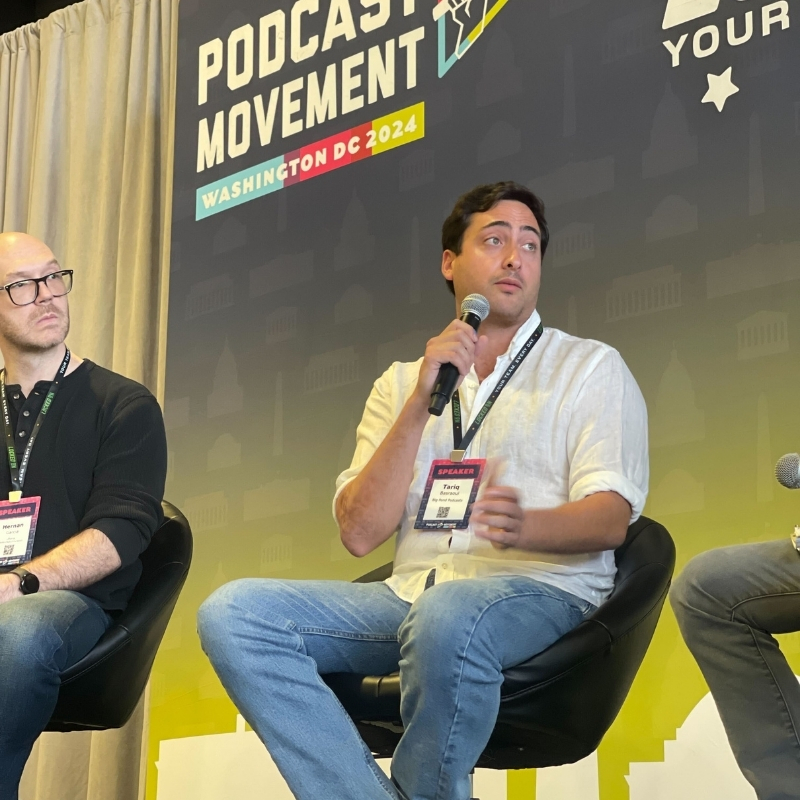
Tariq Basraoui
CEO
Tariq O’Keefe Basraoui, Co-Founder of Big Pond Podcasts, is a seasoned digital marketer and community builder with a track record of success at platforms like TikTok and Zencastr. Known for launching Zencastr’s Creator Network to over 15,000 members in 18 months, his expertise lies in growing user bases and enhancing brand engagement.
His strategic approach to growth and community engagement has established him as a leader in creating some of the fastest-growing media networks in podcasting.
