

A podcast download is a server-side metric counted when at least 60 seconds of an audio file are delivered to a device. A listen, or play, is a client-side metric that tracks when a user actually initiates playback within an app. Downloads measure content delivery and are the industry standard for advertising, while listens measure audience consumption and engagement. This distinction is fundamental for understanding your podcast’s performance and correctly reporting metrics to sponsors.
The Quick Answer
A podcast download is a server-side metric, counted when a significant portion of an audio file (at least 60 seconds, per IAB standards) is successfully delivered to a device. A listen (or play/stream) is a client-side metric, measuring when a user actually initiates playback on an app like Spotify or Apple Podcasts. Downloads measure content delivery, while listens measure content consumption. This distinction is critical for accurately assessing audience size and engagement for monetization.
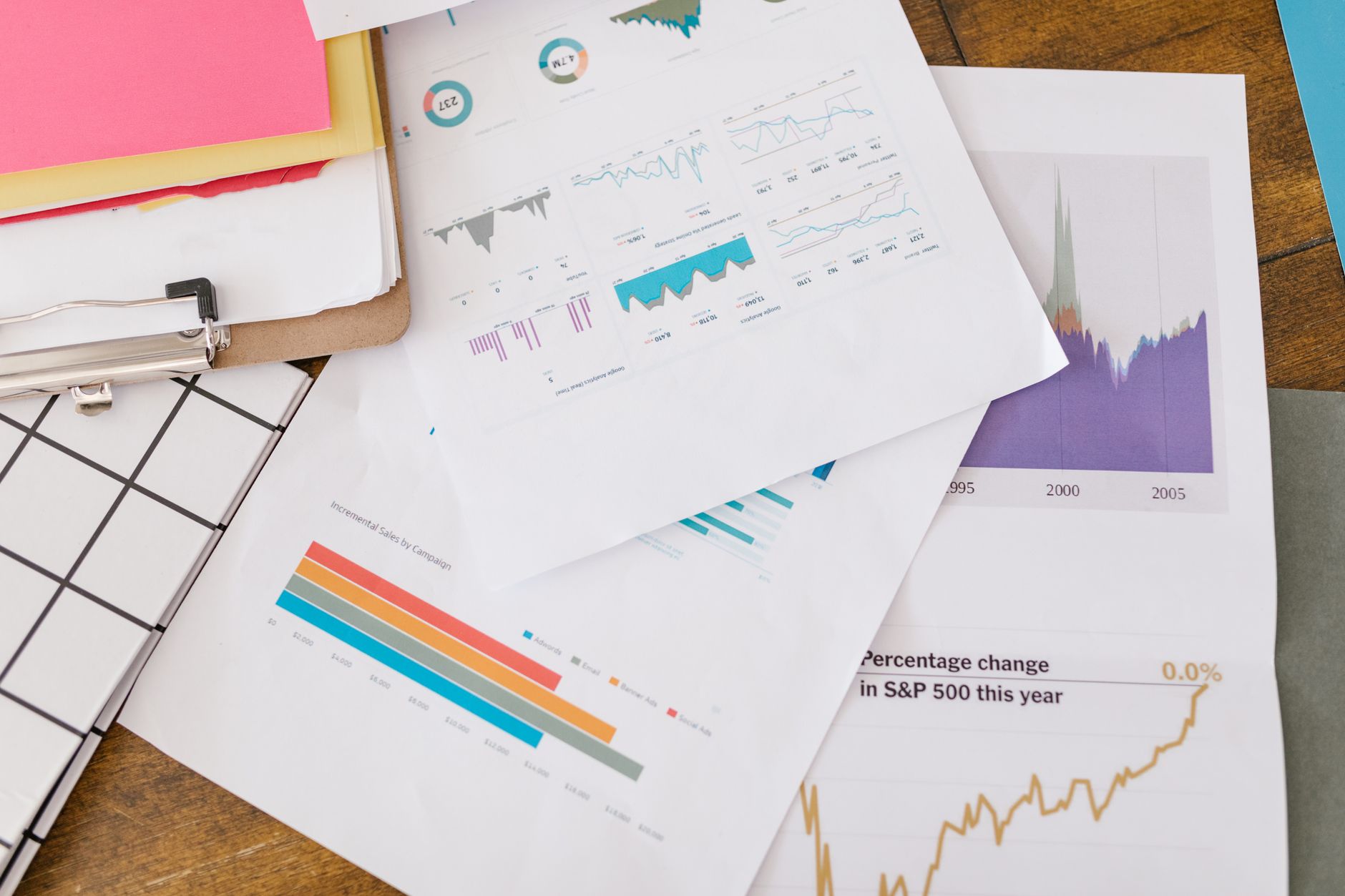
Podcast Download vs. Listen: At a Glance
For those short on time, here is the essential breakdown of what counts as a podcast download vs a listen.
| Metric | Definition & Standard | What It Measures | Watch Out For |
|---|---|---|---|
| Download | At least 60 seconds of an episode file delivered to a device, per unique IP/user agent in a 24-hour period (IAB Standard). | Content Delivery. The potential audience size. | Inflated by automatic downloads; does not confirm consumption. |
| Listen/Stream | Playback initiated by a user within a specific app. Thresholds vary (e.g., Spotify counts a ‘Start’ at 0+ seconds). | Content Consumption. Actual user engagement and intent. | Data is fragmented across different platforms (Apple, Spotify, etc.). |
What Is a Podcast Download?
A podcast download is the established industry metric for measuring audience reach. It is governed by the IAB (Interactive Advertising Bureau) to ensure consistency. A download is officially counted when a request is made to a podcast host’s server and a significant portion of the audio file is sent to the listener’s device.
Specifically, the IAB’s technical guidelines state that a download is one unique file request where at least 60 seconds of audio is retrieved. This prevents fleeting server pings or partial requests from being counted. The metric is also de-duplicated, counting only one download per unique IP address and user agent combination within a 24-hour period.
This is a server-side metric. It confirms the episode was delivered, but it cannot confirm if the user ever pressed play.
What Is a Podcast Listen?
A listen (also called a play or a stream) is a client-side metric. It measures an action taken by a user within a podcast listening app. When someone opens Apple Podcasts, Spotify, or Overcast and hits the play button, that app registers the event as a listen.
Unlike downloads, there is no single, industry-wide standard for what constitutes a listen. Spotify, for instance, counts a ‘start’ when 0 seconds or more are consumed. This means even a brief, accidental play can be counted.
Listens are a measure of consumption and intent, providing a much clearer signal of active audience engagement than a download alone.
Podcast Download vs. Listen: Key Differences
| Download | Listen | |
|---|---|---|
| Definition | File transfer completed from server to device. | Audio content playback initiated and consumed by a user. |
| Action | User’s client requests and receives the full audio file. | User plays the audio file, whether streamed or pre-downloaded. |
| Intent Implied | Interest in content, but not necessarily consumption. | Active engagement and consumption of content. |
| Metrics Context | Often used for reach and potential audience size. | More indicative of audience engagement and consumption. |
| Data Trigger | HTTP GET request for the full audio file. | Playback event (e.g., first few seconds played). |
The core of what counts as a podcast download vs a listen comes down to delivery versus consumption. A download means the file arrived. A listen means someone chose to play it.
This distinction is the primary reason why your download numbers from your host will almost always be higher than the listening data you see inside individual apps. One measures the total files sent out, while the other measures a specific user action on the receiving end. They are two different, albeit related, pieces of the analytics puzzle.
How Downloads Are Counted: The IAB Standard
The IAB standard is the bedrock of podcast advertising measurement. Hosting platforms that are IAB certified adhere to a strict set of rules to filter out invalid traffic. This ensures that the download numbers you see are as close to human activity as possible.
This filtering process removes requests from known bots and data center crawlers. It also enforces the unique listener definition within a 24-hour window. This prevents a single user repeatedly downloading or refreshing from artificially inflating the numbers.
The term is governed by IAB guidelines: counted once per episode, per unique IP address and device, in a 24-hour period when 60 seconds or more of the audio file is delivered.
This standardization is why downloads, not listens, are the currency used for placing podcast ads. Advertisers need a consistent metric across all shows and networks.
The Problem with Automatic Downloads
Many podcast apps include a feature that automatically downloads new episodes for shows a user follows. This is convenient for listeners but creates a significant analytical challenge. The episode is delivered and counted as a download, even if the user never gets around to playing it.
This feature is one of the biggest contributors to the gap between downloads and listens. A user might follow 30 shows, have all new episodes auto-downloaded, but only actively listen to five of them in a given week. That activity results in 30 downloads but only five listens.
Why Your Analytics Don’t Match
One of the most common frustrations for podcasters is seeing different numbers in different dashboards. For instance, your hosting analytics might report 10,000 downloads for an episode, while a specific listening app’s dashboard shows 6,000 streams, and another reports 4,000 unique listeners. This isn’t an error; it’s a reflection of them measuring different things.
Your podcast host measures downloads delivered from its servers to any and all platforms. A listening app like Spotify or Apple Podcasts only measures user activity that happens inside their specific app. One is a global delivery number, while the others are walled-garden consumption numbers.
Multiple devices also play a role. A single dedicated listener might have an episode auto-downloaded to their phone for their commute, their computer at work, and their tablet at home. Because downloads are tracked by IP address and device, this means a single person could generate three separate downloads across their devices, inflating the number of ‘people’ who downloaded.
What Metrics Should Podcasters Actually Track?
As a creator, you need to look at both types of metrics to get a complete picture of your show’s health and reach. At Big Pond, we guide creators across our 1,300+ podcasts to focus on a complete view. You need access to episode performance data to make informed decisions.
Downloads: The Currency of Advertising
Downloads are your primary metric for monetization. This is the number ad buyers and networks use to calculate CPMs (Cost Per Mille, or cost per thousand impressions). It’s the top-line figure that demonstrates your show’s market reach.
Listens & Consumption: The Measure of Engagement
Metrics like average consumption rate (how much of an episode people listen to), drop-off points, and listener demographics from platforms like Apple and Spotify are invaluable. This data tells you what content resonates with your audience. Use it to refine your show format, improve your content, and ultimately create a stickier podcast that people want to finish.
Understanding this data is the first step in a strategy that grow your listenership and makes your show more valuable to advertisers.

Impact on Monetization and Sponsorships
For sponsors, downloads are the quantifiable proof of potential reach. When a brand like Walmart or McDonald’s sponsors a show, they are paying for access to a certain number of potential listeners. The IAB-certified download is the most reliable and universally accepted way to count that potential audience.
However, a lower download count doesn’t mean your show is unmarketable. This is where consumption data becomes your secret weapon. You can use high listen-through rates from Spotify or Apple to prove your audience is highly engaged.
A smaller, deeply engaged audience is often more valuable to a niche advertiser than a massive, disengaged one.
A sponsor for a specialized product would rather reach 5,000 dedicated listeners who finish every episode than 50,000 casual downloaders who may never even hear the ad. This is a key part of understanding podcast monetization beyond numbers.
Which Metric Matters More? The Verdict
Ultimately, both metrics are crucial, but they serve different purposes. The question isn’t which one is better, but which one answers the right question.
Focus on Downloads if…
You are actively seeking advertisers, applying to join a podcast network, or reporting campaign results to sponsors. It’s the financial language of the podcasting industry. Your download count is the primary metric that determines your show’s market value for ad sales.
Focus on Listens if…
You are working on content strategy, trying to understand audience behavior, or looking to improve episode quality. High listen-through rates and low drop-off are signs of a healthy, engaging show. This is the data that helps you make a better podcast that listeners love.
Frequently Asked Questions
Do automatic downloads count as listens?
No. An automatic download counts as a download because the file was delivered to a device. It only becomes a listen if the user manually presses play on that downloaded file.
Why are my download numbers so much higher than my listen numbers?
The primary reasons are automatic downloads that are never played, file deliveries to multiple devices for a single user, and the fundamental difference in measurement. Downloads track file delivery from a server, while listens track user playback within an app.
Which number should I give to potential sponsors?
You should provide your IAB-certified download numbers from your podcast host. This is the accepted industry standard for ad sales and what sponsors will expect to see for calculating reach and ROI.
Can I see how long someone listened to my podcast?
Yes, but not from your hosting provider’s download statistics. Platforms like Spotify for Podcasters and Apple Podcasts Connect provide detailed consumption analytics. These dashboards show average listen duration and where listeners tend to drop off in an episode.
Understanding the difference between delivery and consumption is key to growing your show. By tracking both downloads for monetization and listens for engagement, you can build a more successful and sustainable podcast. If you want to better understand your show’s data and open up its revenue potential, get in touch with our team.
About the author
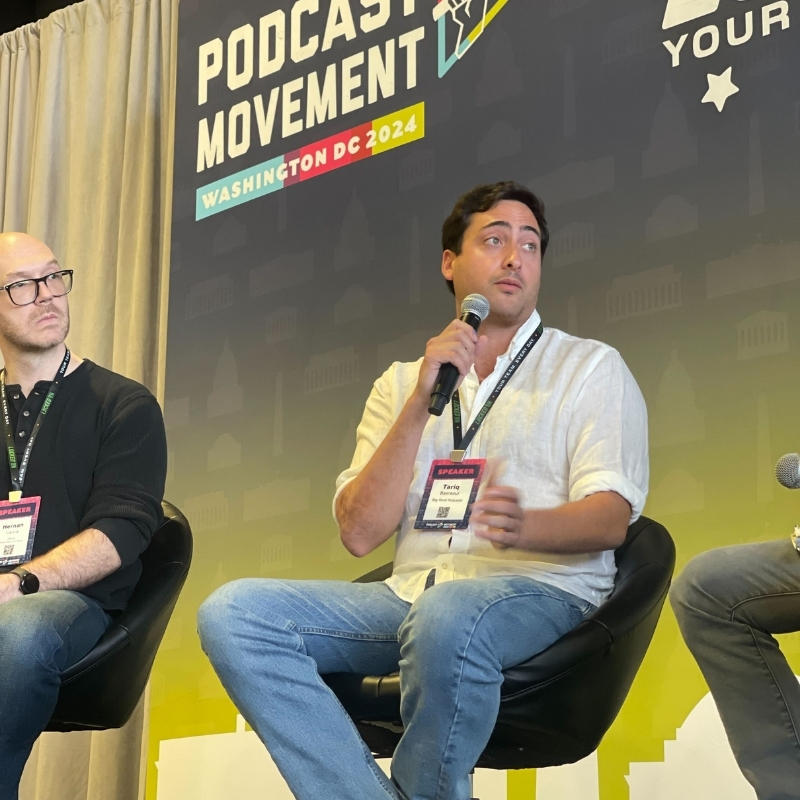
Tariq Basraoui
CEO
Tariq O’Keefe Basraoui, Co-Founder of Big Pond Podcasts, is a seasoned digital marketer and community builder with a track record of success at platforms like TikTok and Zencastr. Known for launching Zencastr’s Creator Network to over 15,000 members in 18 months, his expertise lies in growing user bases and enhancing brand engagement.
His strategic approach to growth and community engagement has established him as a leader in creating some of the fastest-growing media networks in podcasting.
