

Your Podcast’s Download Count is a Vanity Metric. Here’s What to Track Instead.
Everyone loves a big number. But when it comes to podcasting, your total download count is one of the most misleading metrics you can track. The essential metrics to focus on in podcasting are listener retention rate, subscriber growth, and audience engagement, as these figures directly reflect content quality and audience loyalty, which are the true drivers of growth and monetization. A show with 10,000 lukewarm listeners is far less valuable than one with 1,000 die-hard fans who listen to every second. That is the difference between a fleeting stat and a real community.

First, Define Your “Why”
Before you look at a single chart, you need to define your podcast’s primary goal. The metrics that matter for a brand awareness play are different from those for a direct-revenue show. Are you trying to build a community, generate sales leads, establish thought leadership, or simply monetize through ads? For example, a B2B podcast aiming for thought leadership might prioritize audience demographics and listener feedback over raw download numbers. A comedy podcast might focus on shareable moments and social media mentions as a sign of engagement. Without a clear goal, you’re just collecting numbers without a purpose.
The Metrics That Truly Matter: Retention and Growth
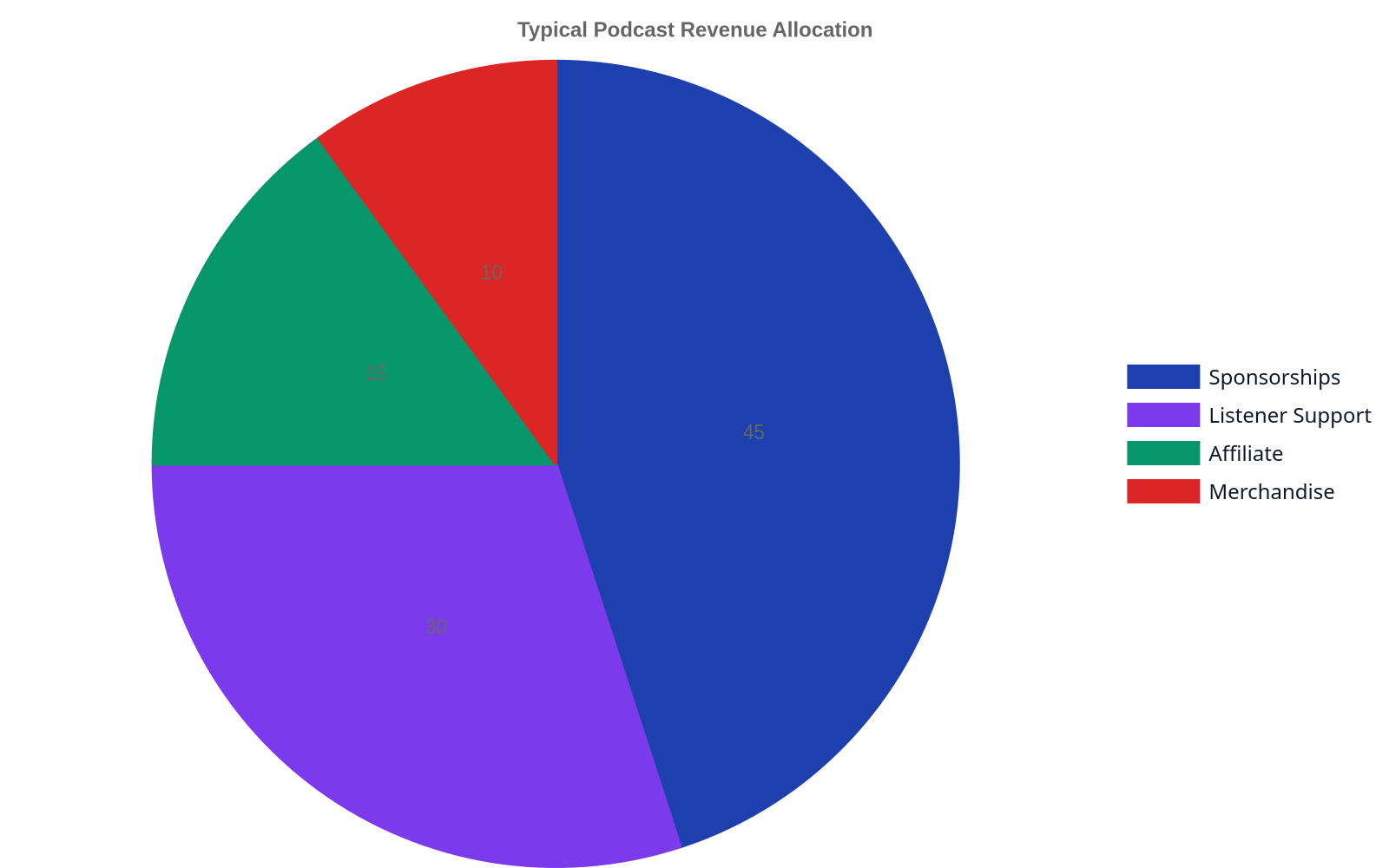
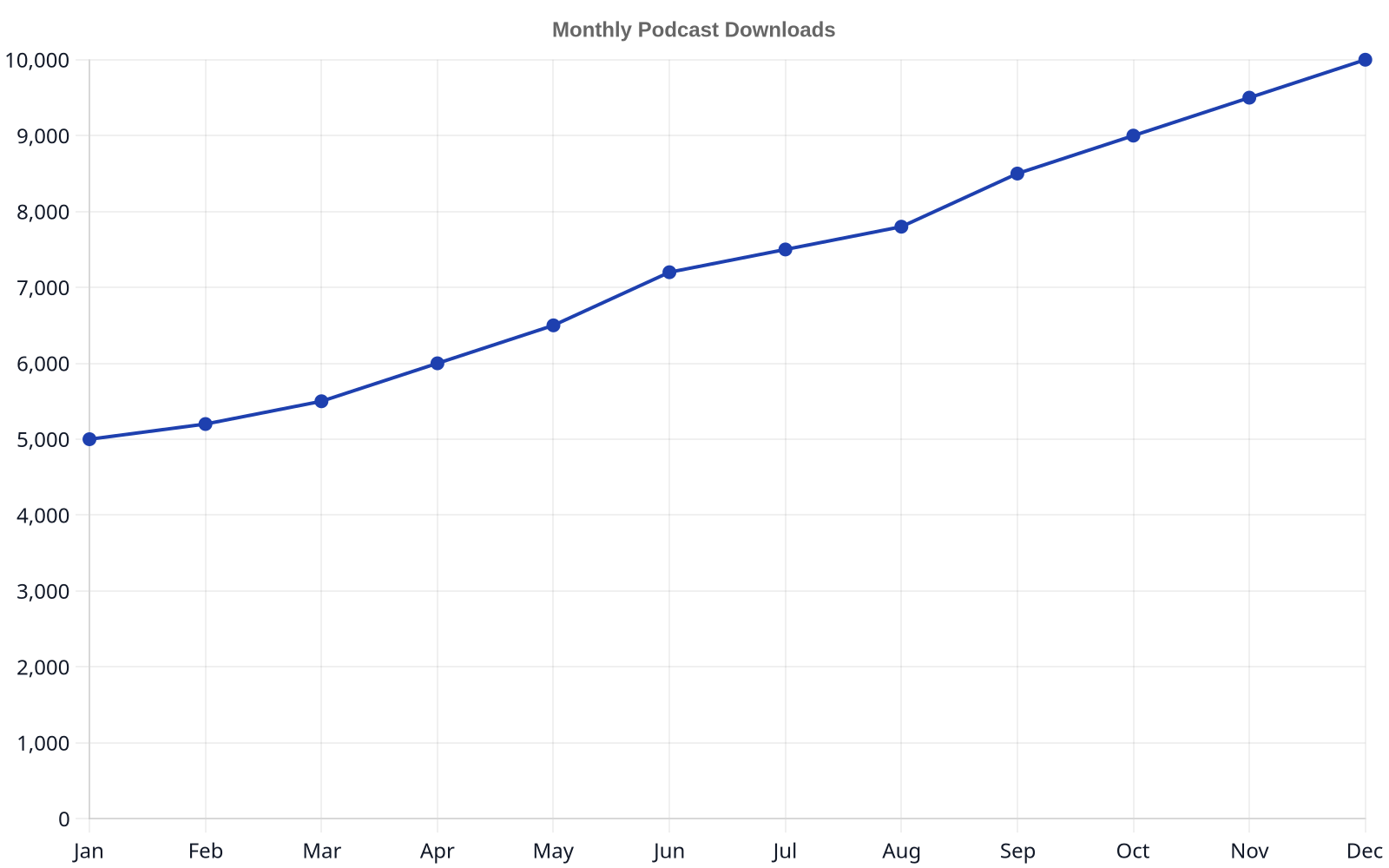
Forget the obsession with total downloads. That number tells you how many times a file was requested from a server, not how many people listened or for how long. The two most critical metrics for understanding your show’s health are listener retention and subscriber growth. These are the numbers that matter.
Listener retention, often visualized as a drop-off curve, shows you exactly where your audience loses interest in an episode. A steep drop in the first few minutes indicates a weak intro. A sudden dip mid-episode could flag a boring segment or a poorly placed ad. Improving this metric is the single most effective way to improve your content. You can explore a more detailed breakdown in a podcast analytics dashboard.
Subscriber growth is the other pillar. This metric shows how many people liked your show enough to want to hear more automatically. It’s a direct measure of audience loyalty and a much stronger signal than a one-time download. A steady increase in subscribers, even if your per-episode downloads fluctuate, proves you are building a dedicated audience. This is particularly crucial when you begin to monetize your podcast effectively.
Engagement Beyond Downloads
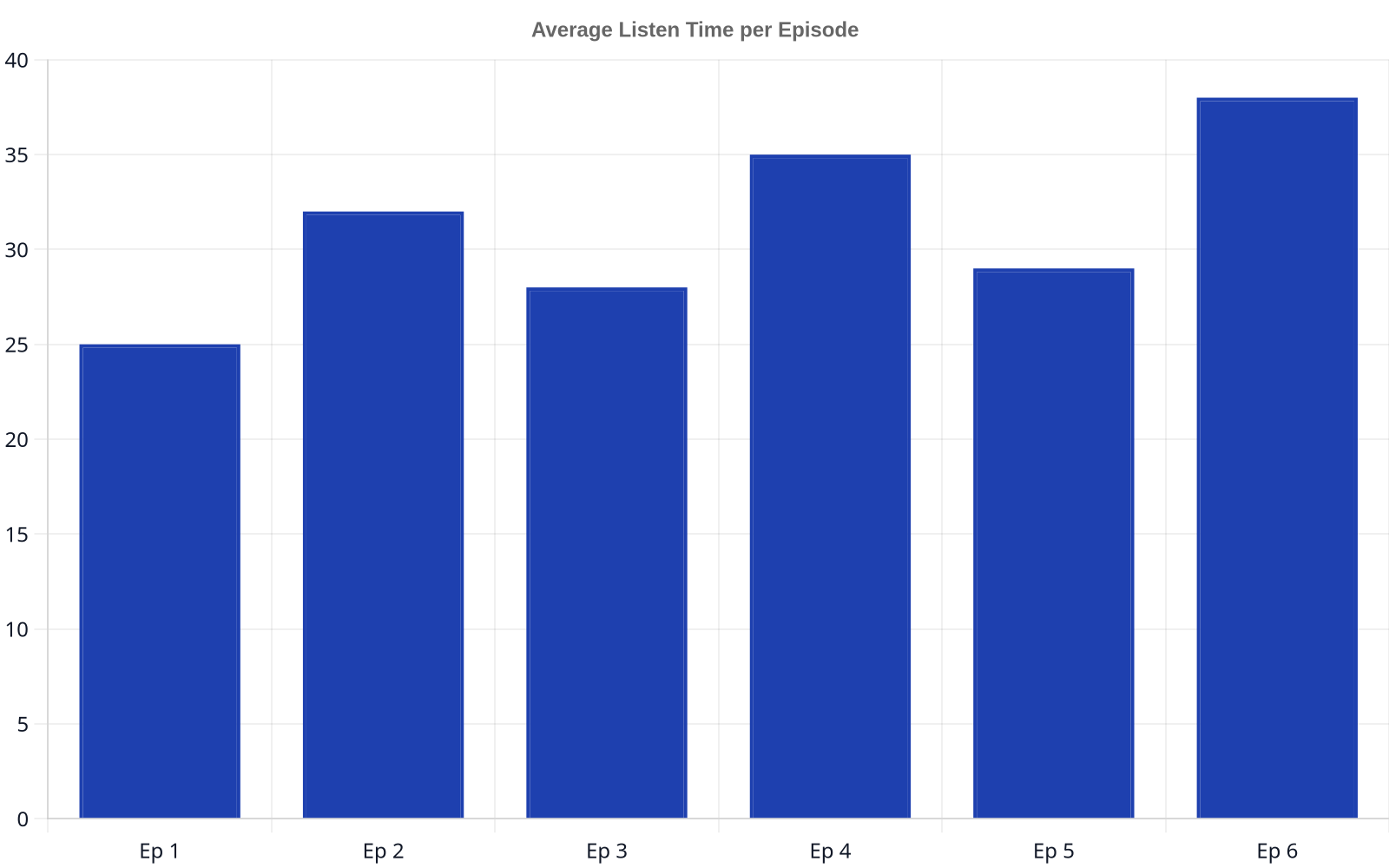
Engagement is where you separate a passive audience from an active community. This goes far beyond simple download counts. Ratings and reviews on platforms like Apple Podcasts are valuable social proof, but the real gold is in direct listener interaction. Are people sharing your episodes on social media? Are they mentioning your brand or specific episode topics? Advanced tools can now track brand mentions and sentiment across the web, giving you a qualitative layer of data that a simple download number can’t provide.
The most valuable analytics aren’t found on a dashboard. They’re in the DMs, the comment sections, and the community forums where your listeners are talking about your show.
Qualitative feedback is just as important. Run listener surveys. Ask for feedback directly in your episodes. Reading comments and emails gives you context that quantitative data alone can’t. This is a core part of building a show that resonates, which is a principle we apply when working with our network of over 1,300 podcasts.

Counterpoint: When Downloads Do Matter
I’m not saying you should completely ignore downloads and streams. Of course, they have their place. When it comes to securing sponsorships, CPM (cost per mille, or per thousand downloads) is still a primary currency. Advertisers need a baseline metric to evaluate reach, and downloads are the industry standard for that. The global podcasting market is projected to grow to $153 billion by 2030, and that value is largely traded on the back of audience size.
However, this is where the conversation needs more nuance. An advertiser isn’t just buying downloads; they’re buying access to an engaged audience. As a creator, you can use your strong retention and engagement metrics to argue for a higher CPM. Show them your 85% completion rate. Show them the vibrant community you’ve built. A high download count gets you in the door for securing podcast sponsorships, but high engagement is what closes the deal at a premium rate.
Using Analytics to Create Better Content
Data is useless if you don’t act on it. The real purpose of tracking these metrics is to create a feedback loop that improves your podcast. Look at your retention curve. Where do people drop off? Cut or rework those segments. Look at your most popular episodes. What topics, guests, or formats drove the most subscribers? Do more of that. If you see a traffic spike from a specific source, like a guest’s newsletter or a social media post, that’s a signal to pursue similar collaborations. We help creators use these insights not just to grow, but to monetize and grow podcasts effectively. The goal is to turn analytics from a report card into a roadmap. For a more detailed look at the tools involved, you can read more about advanced podcast analytics tools.
Ultimately, focusing on the right metrics transforms your perspective. You stop chasing hollow numbers and start building a loyal audience that provides real, sustainable value. That’s how you build a podcast that lasts.
Further reading
Frequently Asked Questions
What are the most common mistakes podcasters make with analytics?
The biggest mistake is focusing solely on downloads. This ignores crucial health indicators like listener retention and subscriber growth. Another common error is failing to define a clear goal for the podcast, which makes it impossible to know which metrics are truly important for success.
How is podcast success measured differently for brand awareness vs. direct revenue?
For brand awareness, you might prioritize metrics like audience demographics, social media mentions, and website traffic from your podcast. For direct revenue, the focus shifts to conversion rates on affiliate links, subscriber growth (for paid subscriptions), and the CPM rates you can command from a highly engaged audience.
At what point should I start trying to monetize my podcast?
There’s no magic number. Instead of a download threshold, focus on having a consistently engaged audience, even if it’s small.
How can I track listener retention?
Most major podcast hosting platforms and analytics services provide a listener retention graph for each episode. This chart shows what percentage of your audience is still listening at any given point in the episode, highlighting where they drop off.
What are some good tools for measuring brand mentions?
Tools like Mention, Brand24, or even Google Alerts can be set up to monitor the web and social media for mentions of your podcast’s name. This helps you capture conversations and sentiment that you might otherwise miss through your standard podcast analytics platform.
About the author
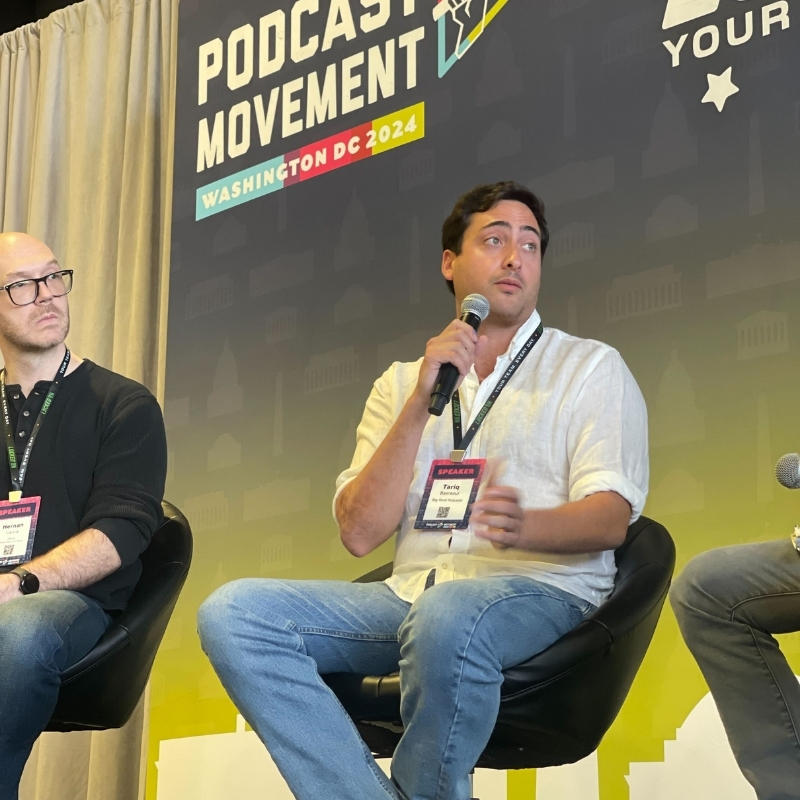
Tariq Basraoui
CEO
Tariq O’Keefe Basraoui, Co-Founder of Big Pond Podcasts, is a seasoned digital marketer and community builder with a track record of success at platforms like TikTok and Zencastr. Known for launching Zencastr’s Creator Network to over 15,000 members in 18 months, his expertise lies in growing user bases and enhancing brand engagement.
His strategic approach to growth and community engagement has established him as a leader in creating some of the fastest-growing media networks in podcasting.
