

Stop cold-emailing podcasters one by one. There’s a better way to find and manage sponsorships. A dedicated podcast platform for sponsors centralizes discovery, negotiation, and campaign tracking, saving you from spreadsheet chaos and missed opportunities. These platforms provide verifiable download numbers, audience demographics, and performance analytics, ensuring your ad spend is placed effectively and your ROI is measurable. By the end of this guide, you’ll know exactly how to choose a platform, vet podcasts, and launch a successful sponsorship campaign that reaches engaged listeners.

1. Define Your Sponsorship Goals and KPIs
Before you log into any platform, you need a clear definition of success. Are you chasing brand awareness, direct conversions, or lead generation? Each goal requires a different strategy and different metrics.
A Nielsen study revealed that podcast ads can drive an average brand lift of 14 points. For awareness, track metrics like download numbers and audience reach. For conversions, you need promo codes, custom URLs, and post-campaign surveys. Know your key performance indicators (KPIs) before you start spending.
2. Identify Your Target Listener
Who are you trying to reach? Go beyond basic demographics. Think about their interests, behaviors, and what they nerd out about. If you’re selling project management software, a comedy podcast might have a huge audience, but a niche show about agile development will have the right audience.
Create a detailed listener persona. What are their job titles? What other media do they consume? The more specific you are, the easier it will be to find podcasts that serve that exact community. Platforms allow you to filter by categories, but your deep understanding of the listener is what uncovers the hidden gems. This understanding also helps when you need to choose programmatic platforms for monetization.
3. Set a Realistic Budget
Podcast advertising costs vary wildly. CPM (cost per mille, or thousand listeners) is the standard pricing model. A show might charge anywhere from a $20 CPM to a $100 CPM. This depends on audience size, niche, and host influence.
Start by defining a total campaign budget. Then, decide how you want to allocate it. You could spend it all on one large show or diversify across several smaller, more targeted podcasts. Having a clear budget from the start helps you negotiate effectively and use a platform’s search filters to find shows within your price range.

4. How Big Pond Podcasts Connects Sponsors and Podcasters
This is where a dedicated podcast platform for sponsors becomes essential. Instead of manually searching through directories and sending outreach emails, a platform aggregates everything you need. At Big Pond Podcasts, we streamline this entire process for brands.
We provide tools to filter our network of over 1,300 shows by category, audience size, and demographics. Our system handles the initial outreach, negotiation, and contract management. For podcasters, we focus on helping them monetize their show, and for sponsors, we help you reach diverse audiences. This creates a marketplace where both parties can find the right fit efficiently.
5. Vet Potential Podcast Partners
Once you have a shortlist, the real work begins. Don’t just look at the download numbers. Listen to at least three recent episodes of any show you’re considering.
Does the host’s style align with your brand? How do they integrate ads? A clunky, unenthusiastic ad read won’t convert, no matter how big the audience. Listeners appreciate when hosts genuinely use and believe in the products they advertise.
6. Understanding Podcast Ad Formats and Pricing Models
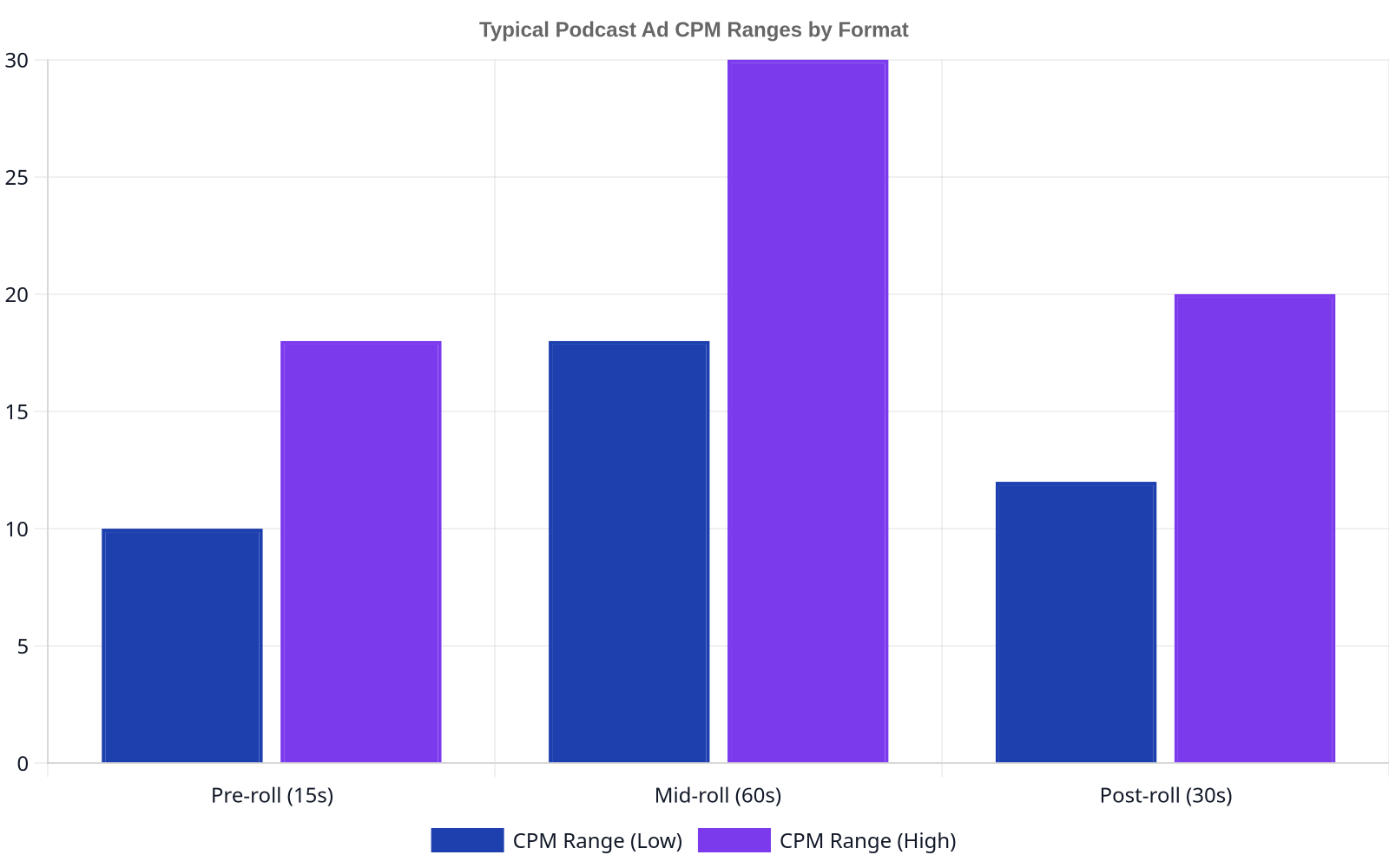
Your campaign’s success also depends on choosing the right ad format. There are two primary types: host-read ads and programmatic ads.
Host-read ads are when the host personally endorses your product. These are incredibly effective because they feel like a recommendation from a trusted friend. Programmatic ads are pre-produced spots that are dynamically inserted into episodes, often targeted by listener demographics. They offer scale but lack the personal touch. We can help with both, including the critical task of securing podcast sponsorships.
7. Negotiate the Terms of the Sponsorship
Negotiation isn’t just about price. It’s about defining the entire scope of the partnership. Be clear about the number of ad slots, the length of the ad (pre-roll, mid-roll, or post-roll), and the specific talking points you want the host to cover.
Will you get one 60-second mid-roll ad per episode for four episodes? Does the agreement include any social media mentions? Get everything in writing. A good podcast platform for sponsors will have standardized agreements to make this part straightforward.
Don’t just buy an ad slot. You are buying a host’s credibility and their relationship with their audience. The contract should reflect a partnership, not a simple media buy.
8. Provide a Clear Creative Brief
A great ad read starts with a great brief. The host knows their audience better than you do, so your brief should be a guide, not a rigid script. Provide key messages, a specific call-to-action (like a unique URL or promo code), and any mandatory legal disclaimers.
Then, give the host the freedom to deliver the message in their own voice. The more authentic it sounds, the better it will perform. A 2023 report from Edison Research confirms that podcast listeners are highly engaged and attentive, so a message that resonates is key.
9. Key Metrics Sponsors Look For
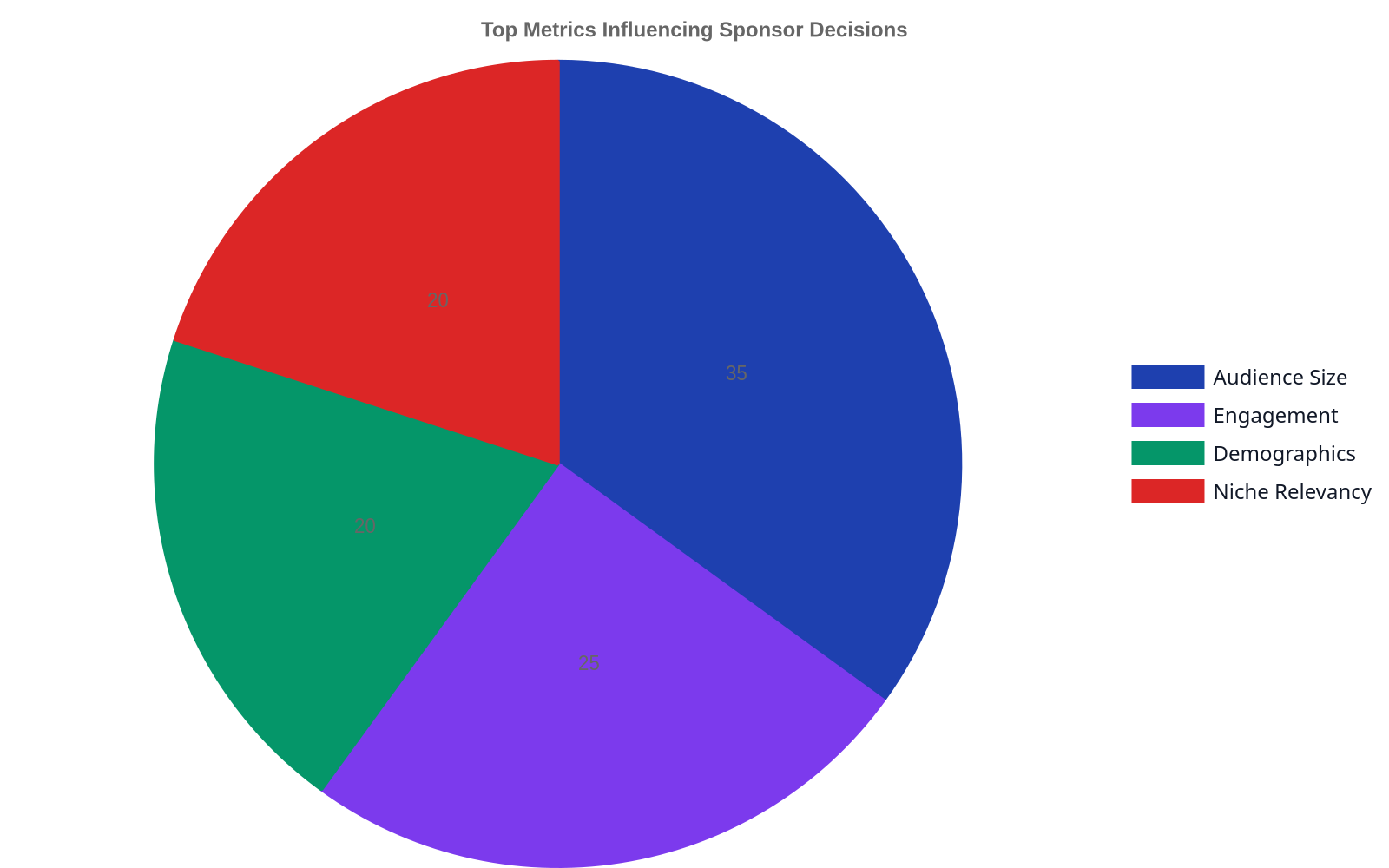
After your campaign launches, measurement is everything. You need to know what’s working and what isn’t. The primary metric to track is return on ad spend (ROAS).
To calculate this, you need to track conversions accurately. Unique promo codes and custom landing pages (e.g., yourbrand.com/podcastname) are the most direct ways to attribute sales to a specific podcast. Surveying new customers about where they heard about you is another simple but effective tactic. For a deeper look, check out our guide on the best podcast ad platforms.
10. Measuring ROI for Your Podcast Sponsorships
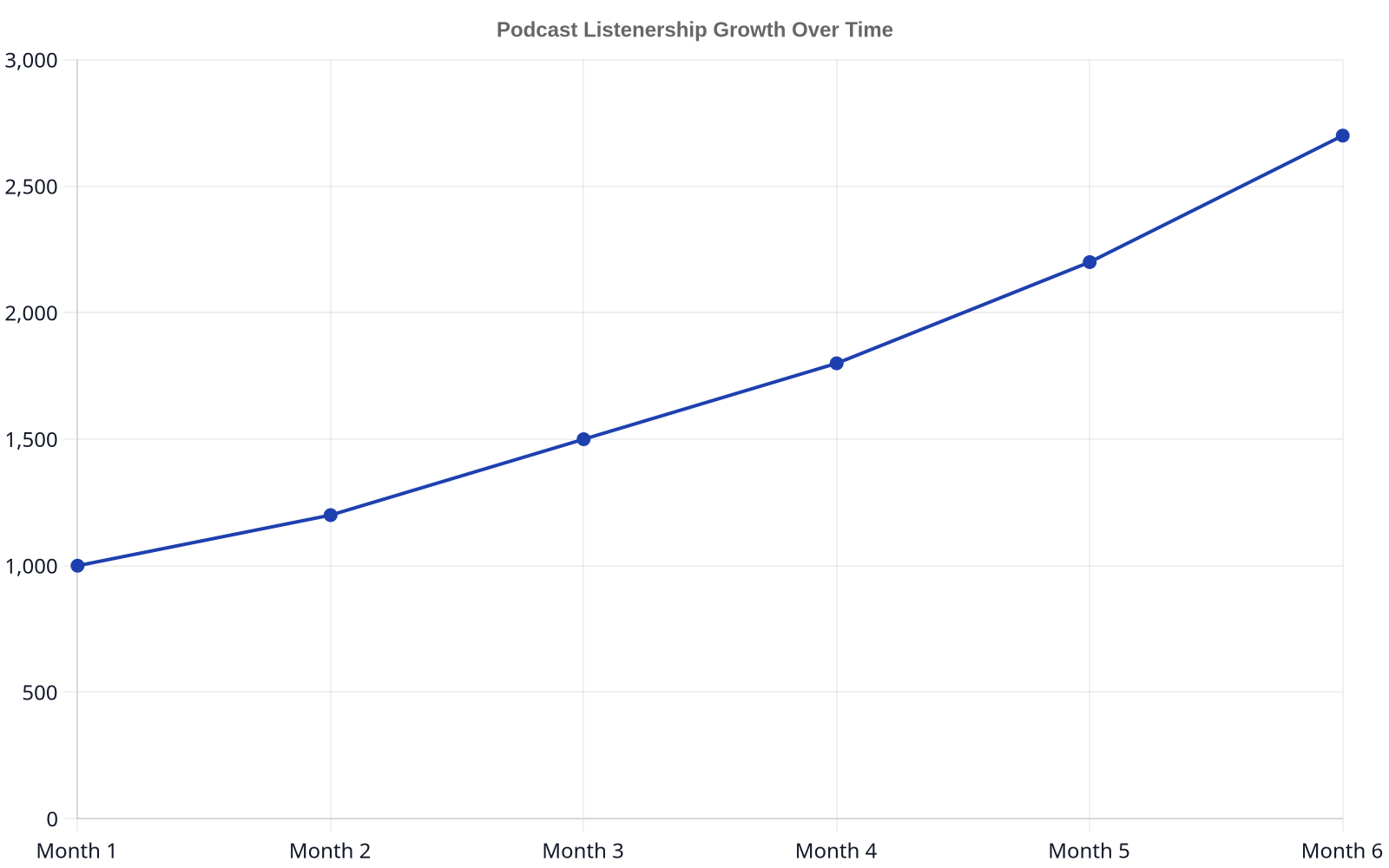
Finally, analyze the data to refine your strategy. Did one podcast drive significantly more traffic than another? Did a specific host’s ad read lead to a spike in sales?
Use this information to optimize future campaigns. You might double down on the shows that performed well or tweak your creative brief for those that didn’t. The goal is to build a scalable, repeatable process for podcast sponsorship that drives consistent results for your brand.
Troubleshooting Common Sponsorship Issues
Even with a perfect plan, you might run into issues. A host might go off-script, or download numbers might not meet expectations. The key is communication and having a good platform partner.
If an ad read is botched, a reputable host or platform will offer a “make-good” in a future episode. If performance is low, revisit the listener persona and the show’s alignment with your brand. Sometimes a show just isn’t the right fit, and it’s better to learn that early and reallocate your budget.
FAQ
How much does it cost to sponsor a podcast?
The total price depends on the podcast’s audience size, engagement, and niche.
What are the most effective types of podcast ads?
Host-read ads are consistently found to be the most effective. The host’s personal endorsement builds trust and credibility with their audience, leading to higher engagement and conversion rates than pre-produced, programmatic ads.
How do I find podcasts in my niche?
A podcast platform for sponsors is the most efficient way. These platforms allow you to filter shows by category, keywords, audience size, and demographics. You can also manually search podcast directories like Apple Podcasts or Spotify and listen to shows to assess their content and audience fit.
What is a good conversion rate for a podcast ad?
Conversion rates vary greatly depending on the product, price point, and ad creative. While there is no single benchmark, many brands look for a positive return on ad spend (ROAS). Tracking with unique promo codes and URLs is essential to measure this accurately.
How long should a podcast sponsorship campaign run?
A typical starting campaign runs for at least one month, or across four episodes. This gives the audience enough time to hear the message multiple times. ad effectiveness increases with frequency, so one-off ads are generally less effective than a sustained campaign.
About the author
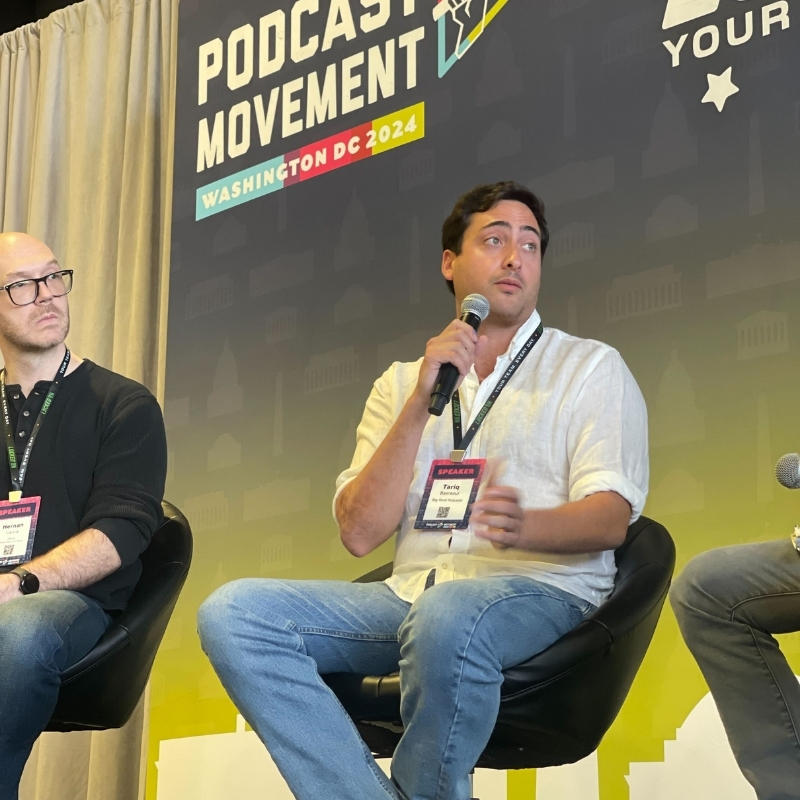
Tariq Basraoui
CEO
Tariq O’Keefe Basraoui, Co-Founder of Big Pond Podcasts, is a seasoned digital marketer and community builder with a track record of success at platforms like TikTok and Zencastr. Known for launching Zencastr’s Creator Network to over 15,000 members in 18 months, his expertise lies in growing user bases and enhancing brand engagement.
His strategic approach to growth and community engagement has established him as a leader in creating some of the fastest-growing media networks in podcasting.
