
Picking the wrong podcast advertising service is a costly mistake. It doesn’t just waste your ad budget on impressions that don’t convert; it can actively damage your brand by placing you on irrelevant or off-brand shows. The best podcast advertising services in the United States do more than just place ads; they offer strategic partnerships, ensuring your message reaches a targeted, engaged audience. This requires deep network access, robust analytics, and a clear understanding of brand safety and audience alignment.

1. Network Size and Niche Relevance
Sheer reach is a vanity metric if it’s not the right reach. A service boasting millions of listeners is useless if they’re all in the wrong demographic. Look for a service that can provide both scale and specificity. The key is whether they can connect you to niche communities where hosts have genuine influence.
For example, a brand selling high-performance camping gear needs to be on an outdoors and adventure podcast, not a general comedy show, no matter how large its audience. We work with over 1,300+ podcasts, which gives us the ability to find these specific, high-value audiences. A good service will provide detailed show-level data on listener demographics, interests, and engagement before you commit a single dollar.
2. Transparency in Targeting and Measurement
This is the criterion most buyers overlook. They get sold on impressive top-level numbers but can’t verify performance. Vague reporting is a massive red flag. You need a partner that provides granular data on where your ads ran and how they performed.
Ask for their measurement methodology. Do they use promo codes, vanity URLs, or pixel-based attribution? Measurability remains a key driver of growth in the industry. Your service should provide clear, actionable reports that connect ad plays to website visits, leads, and sales. If a service’s reporting is a black box, walk away.

Understanding Podcast Advertising Costs: CPMs and Budgeting
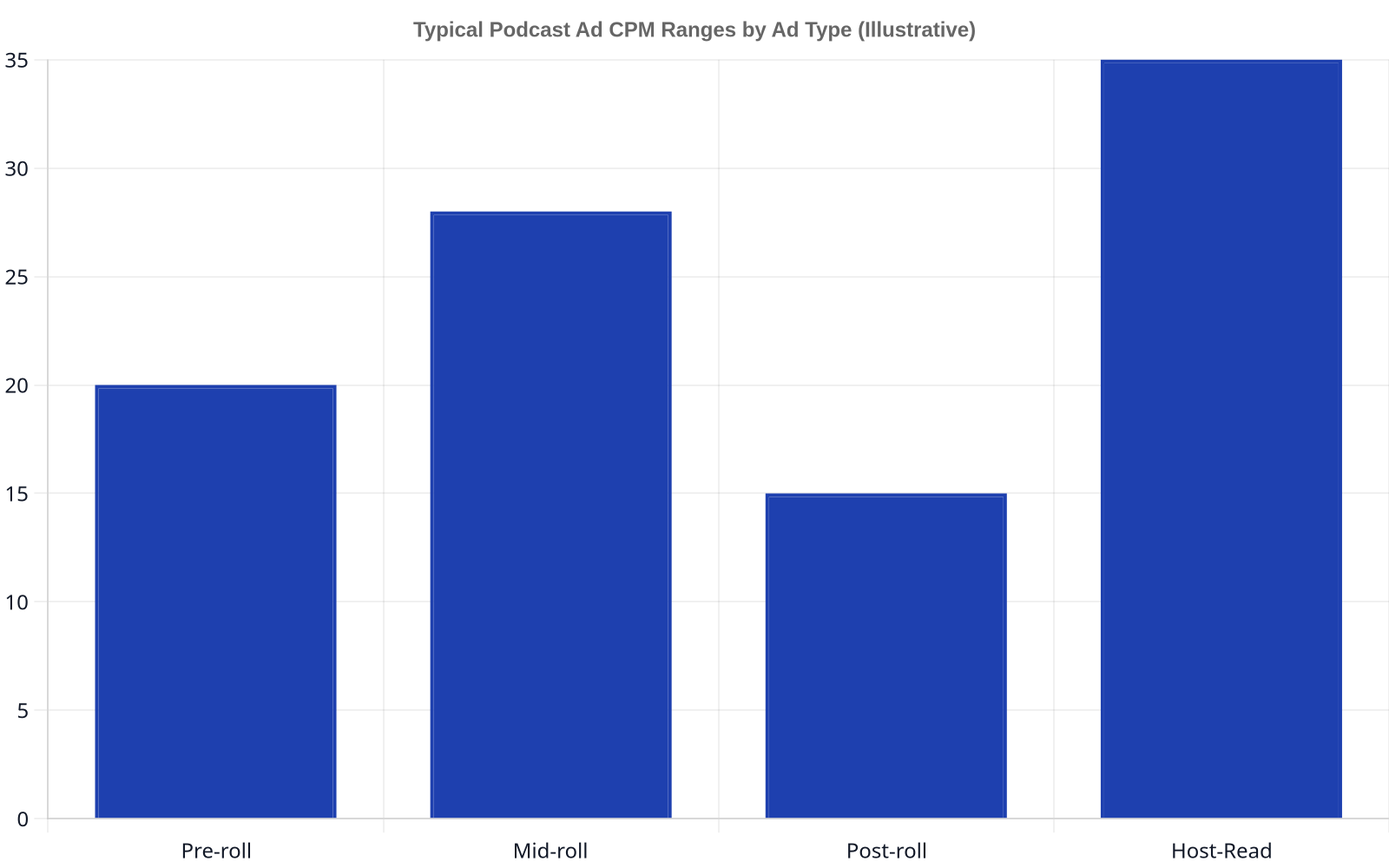
Cost Per Mille (CPM), or the price per 1,000 listens, is the standard pricing model. However, CPMs are not created equal. A $50 CPM for a hyper-targeted niche show can be a better deal than a $15 CPM on a generic, low-engagement one. Our network sees an average 60-second cpm of $22.35, but this varies based on format and audience.
Your service should provide a clear cost breakdown. This includes the base CPM, any fees for dynamic insertion technology, and charges for creative services or campaign management. A trustworthy partner will help you build a budget based on your goals, not just sell you the most expensive inventory.
Don’t chase the lowest CPM. Chase the highest return. A higher initial cost for a perfectly aligned audience almost always delivers better results than a cheap, scattergun approach.
How Podcast Advertising Works: Formats and Placements
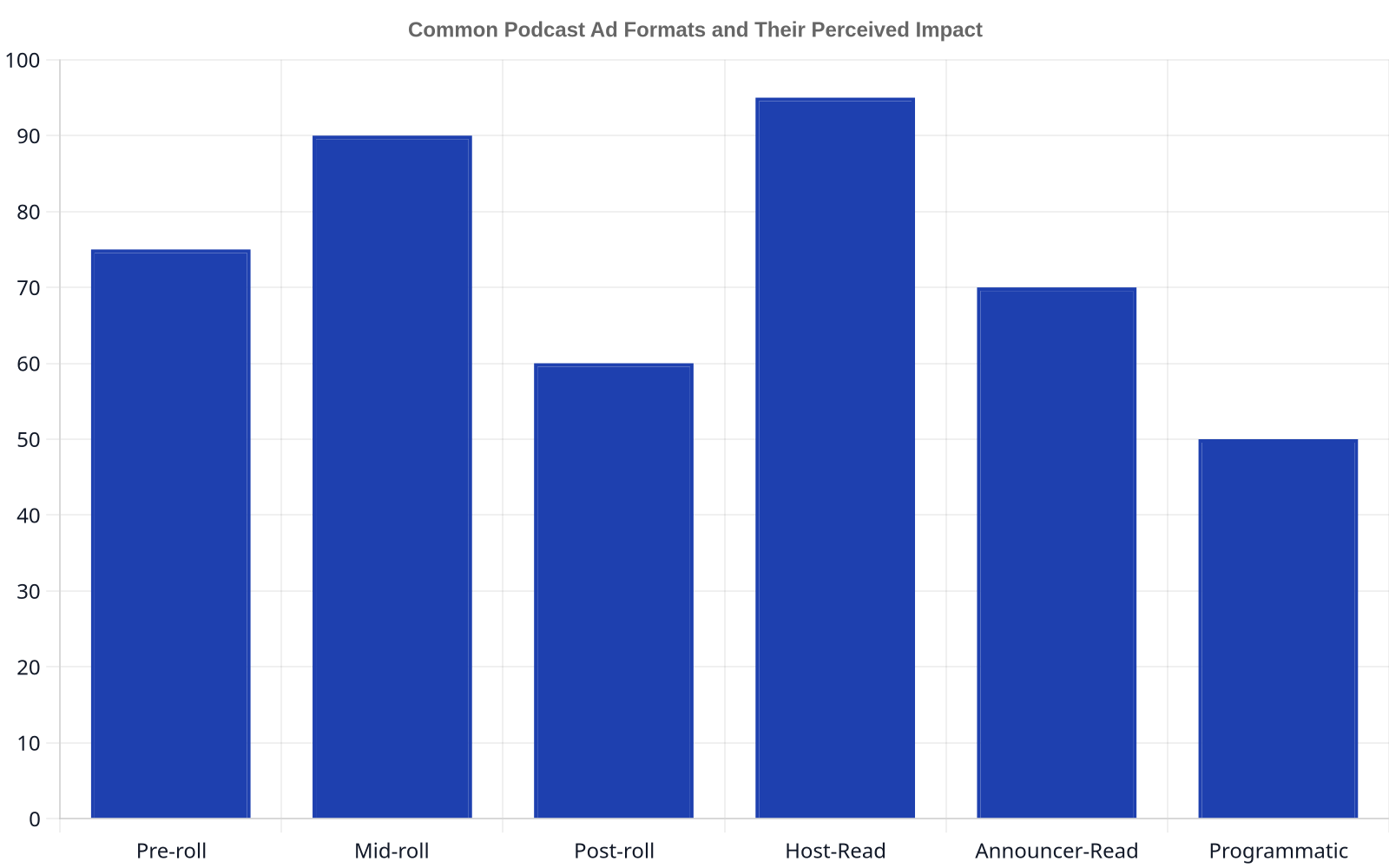
The most common formats are host-read ads and programmatic (announcer-read) ads. Host-read ads, where the host endorses your product in their own voice, consistently deliver higher trust and purchase intent.
Programmatic ads offer scale and targeting efficiency but lack the personal touch. A good service offers both and helps you decide on the right mix. They should also provide options for ad placement: pre-roll (before the show), mid-roll (during a content break), or post-roll (after the show). Mid-roll ads are typically the most effective but also the most expensive.
Key Metrics for Measuring Podcast Ad Success
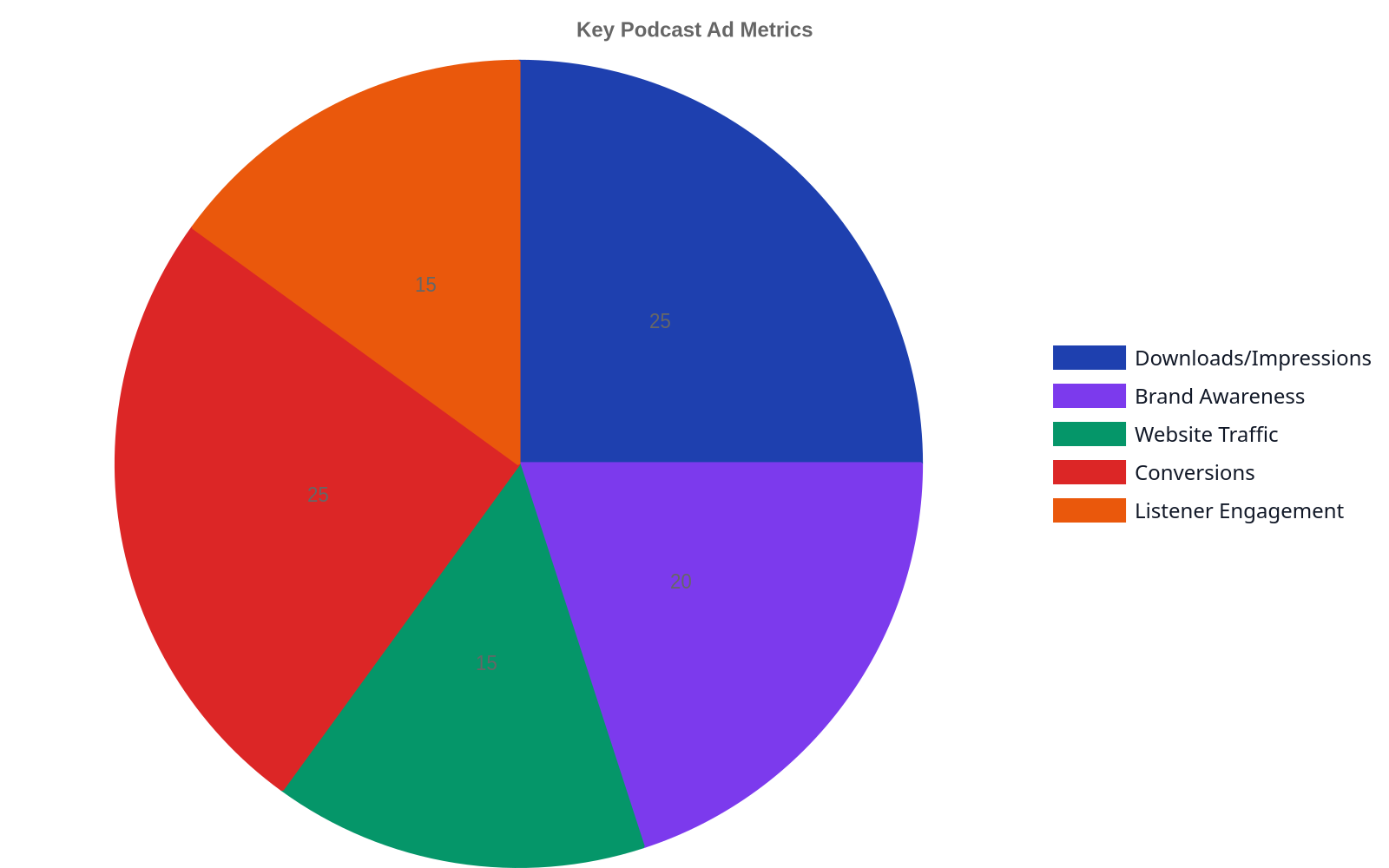
How do you know if your campaign is working? Your service should help you track the right Key Performance Indicators (KPIs). Beyond basic download numbers, focus on metrics that tie back to business objectives. Look for a service that can measure:
- Conversion Rate: The percentage of listeners who took a desired action (e.g., used a promo code, visited a vanity URL).
- Cost Per Acquisition (CPA): How much it costs to acquire one new customer through the campaign.
- Website Lift: The increase in traffic to your website from the target demographic during the campaign, often measured with pixel-based attribution.
- Brand Recall: Measured through post-campaign surveys to see if listeners remember your brand.

Questions to Ask Before You Commit
Use this checklist when vetting potential podcast advertising services in the United States:
- How many shows are in your network, and can you filter them by specific audience demographics?
- Can you provide case studies of successful campaigns for brands similar to mine?
- What is your full range of ad formats (host-read, programmatic, baked-in, dynamic)?
- How do you measure campaign performance and what metrics are included in your reports?
- What is your process for brand safety and ensuring my ads don’t run on inappropriate content?
- Can I approve specific shows before my ads run on them?
- What are your typical CPM ranges for pre-roll, mid-roll, and post-roll ads?
- What attribution methods do you support (promo codes, vanity URLs, pixel tracking)?
- What is the total cost, including media spend and any platform or service fees?
- Do you offer support for ad creative development?
Red Flags to Watch For
Be wary of any service that promises guaranteed results or relies heavily on vanity metrics like total potential reach. A partner who can’t provide detailed, show-level audience data is likely operating on estimates, not facts. Inflexible, long-term contracts are another warning sign; modern services should allow for testing and scaling.
Finally, if their primary pitch is just about being the cheapest option, be skeptical. Effective podcast advertising is about finding the right listeners and building trust, which requires a more sophisticated approach than simply buying bulk impressions at the lowest price. A focus on helping you advertise on podcasts effectively is key.
The goal isn’t just to be heard. The goal is to be heard by the right people, in the right context, at the right moment. That is what a true advertising partner delivers.
A Simple Decision Framework
Choosing the right service depends on your priorities. Use this simple weighting to guide your decision:
- If your priority is brand building and trust: Weight Host-Read Ad Capabilities and Niche Relevance highest. The authentic endorsement from a trusted host is your most valuable asset.
- If your priority is performance and direct response: Weight Transparency in Measurement and Attribution Methods highest. You need to prove ROI for every dollar spent.
- If you are on a tight budget: Focus on Cost Structure Clarity and look for services that offer flexible campaign minimums and programmatic options to maximize your spend.
Ultimately, you are looking for a service that can help you put your brand in the right ears. Don’t settle for a simple vendor; find a strategic partner who understands your goals and has the network and technology to achieve them.
FAQ
How much does it cost to advertise on a podcast in the US?
Average CPMs can range from $15 to $50. The final price depends on the show’s popularity, audience demographics, ad placement (pre-roll, mid-roll, post-roll), and ad format (host-read vs. programmatic).
What is the most effective type of podcast ad?
Host-read ads are widely considered the most effective format. Because they are delivered by the host, they feel more like a personal recommendation than a traditional advertisement. A Nielsen study confirmed that host-read ads significantly outperform other formats in driving purchase intent and brand recall.
How long should a podcast ad be?
Most podcast ads are either 30 or 60 seconds long. A 60-second mid-roll ad generally provides enough time for a host to tell a compelling story about the product or service. Shorter, 15- or 30-second ads are more common for pre-roll or post-roll placements.
Can I target a specific city or state with podcast ads?
Yes, but it depends on the service’s technology. Dynamic ad insertion (DAI) allows for geotargeting ads to listeners in specific regions, cities, or even ZIP codes. This is particularly useful for local businesses or brands running region-specific promotions. Confirm with the service if they offer this level of targeting.
What kind of results can I expect from podcast advertising?
Results vary based on your goals, creative, and targeting. Success can be measured in brand lift (increased awareness and recall), website traffic (using vanity URLs or pixel tracking), and direct sales (using promo codes). It’s realistic to look for incremental growth and a positive return on ad spend (ROAS) over the course of a campaign.
About the author
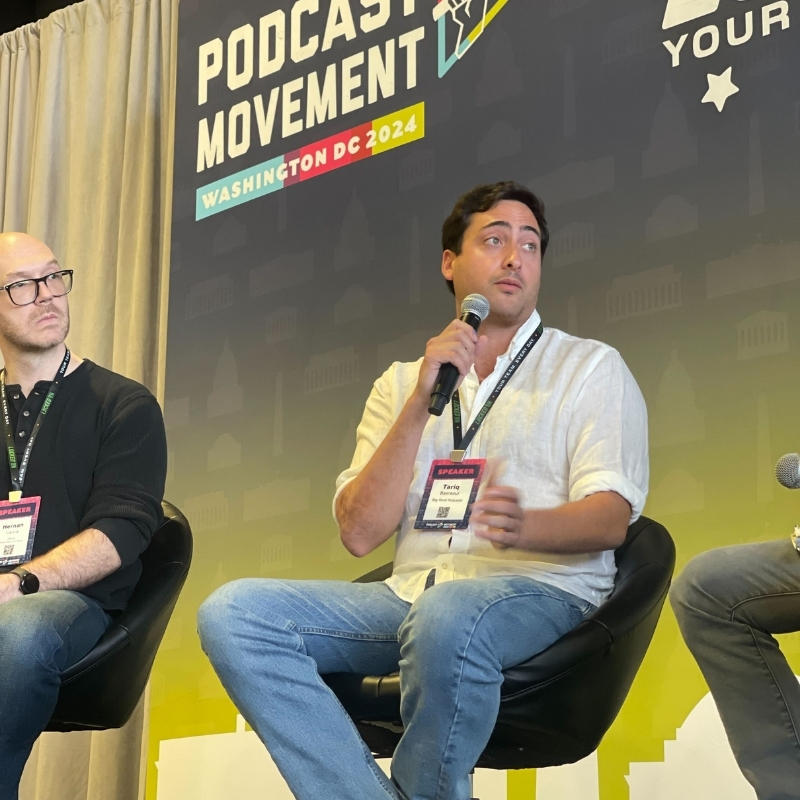
Tariq Basraoui
CEO
Tariq O’Keefe Basraoui, Co-Founder of Big Pond Podcasts, is a seasoned digital marketer and community builder with a track record of success at platforms like TikTok and Zencastr. Known for launching Zencastr’s Creator Network to over 15,000 members in 18 months, his expertise lies in growing user bases and enhancing brand engagement.
His strategic approach to growth and community engagement has established him as a leader in creating some of the fastest-growing media networks in podcasting.
