

Emerging Podcast Industry Trends Analysis for 2026
The most important podcast industry trend is the shift from a creator-centric hobby into a professional, multi-platform media channel. This involves the rapid adoption of AI for production, the strategic necessity of video podcasts for discovery, and a focus on community building to retain listeners. For creators, this means treating your podcast less like a standalone audio file and more like the hub of a content ecosystem. The podcast market is projected to grow significantly, making it a more competitive but also more lucrative space.

What is the current podcast market size?
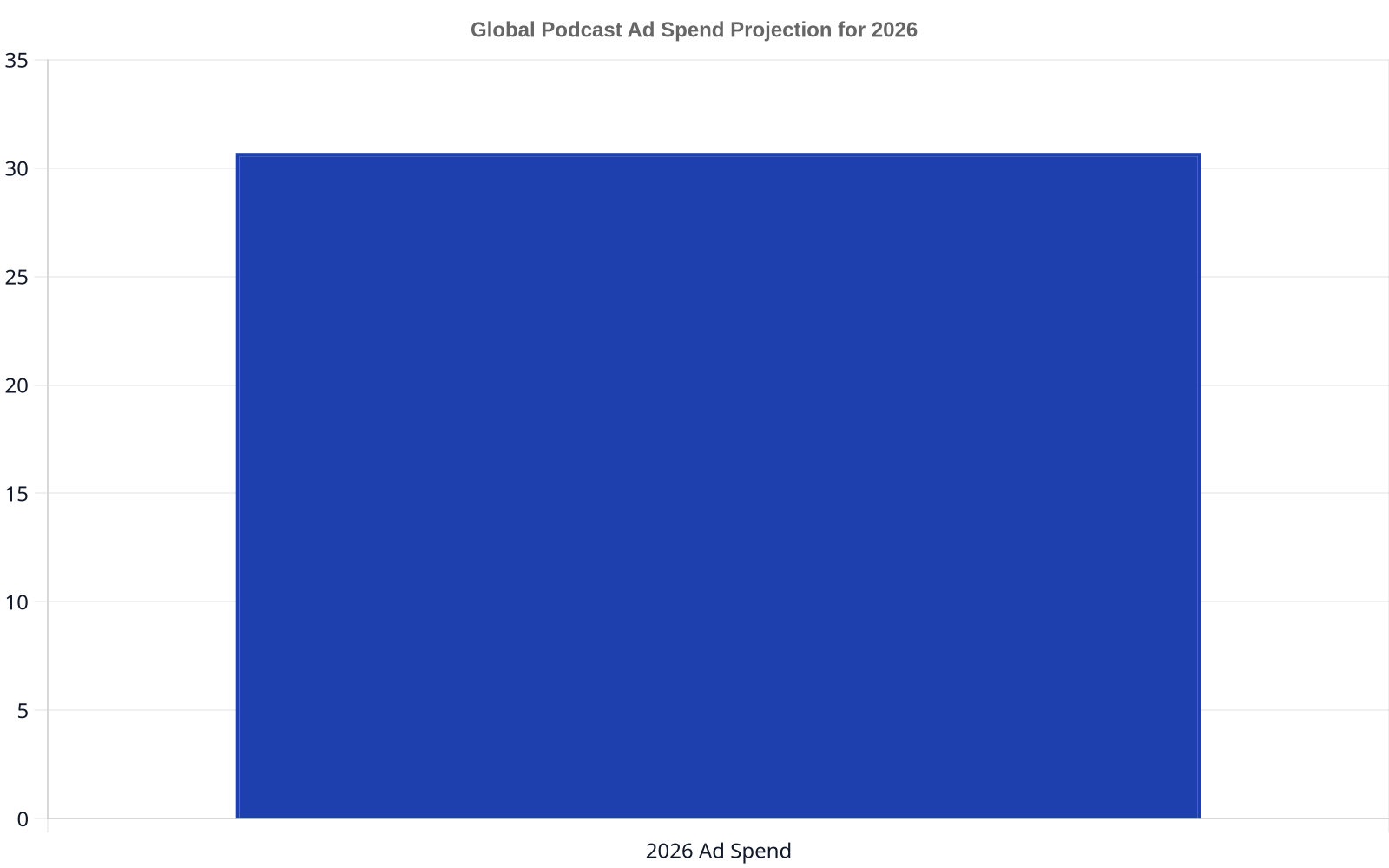
The podcast market is experiencing explosive growth. Grand View Research projects the global market size will reach USD 30.7 billion by 2026. This growth is driven by increasing listener numbers and a surge in advertising spend.
North America currently dominates the market, accounting for a 38.0% share of global revenue. This expansion transforms podcasting from a niche medium into a primary content marketing and entertainment channel. For creators, this signals a massive opportunity but also stiffer competition.
Key Podcast Industry Trends
The podcasting landscape is evolving quickly. Several key trends are shaping how content is produced, distributed, and monetized. Staying aware of these shifts is crucial for any creator looking to grow their audience and revenue.
The Rise of Video Podcasts
Video is no longer an optional add-on; it’s becoming a core component of a successful podcast strategy. Platforms like YouTube and Spotify have heavily invested in video podcast features, and audiences are responding. A recent Forbes analysis highlights video as a key driver for discovery, allowing creators to tap into powerful recommendation algorithms. Repurposing video clips for social media platforms like TikTok and Instagram Reels is now a standard practice for audience growth.
AI in Podcast Production
Artificial intelligence is streamlining the entire podcast production workflow. AI-powered tools can now handle tasks like transcript generation, audio cleanup, and even editing. This technology significantly reduces the time and technical skill required to produce a high-quality show. It allows creators to focus more on content and less on the tedious aspects of production, a trend detailed by leading industry voices. This makes it easier for new podcasters to enter the space and for established shows to increase their output.

Niche Content and Community Building
As the number of podcasts grows (over 4.7 million according to Podcast Index as of June 2026), creators are finding success by targeting hyper-niche audiences. Instead of broad topics, podcasts like Business of Tech, which provides daily 10-minute insights for IT service professionals, are thriving. These shows build loyal communities around a shared interest. This focus on niche topics is a powerful way to stand out. Engagement is no longer just about download numbers; it’s about creating a dedicated community through newsletters, private groups, and live events.
Don’t just build an audience; build a community. An audience listens, but a community participates, shares, and advocates for your show.
Monetization and Platform Shifts
Monetization strategies are becoming more sophisticated. While traditional advertising remains a staple, new formats are gaining traction. At Big Pond Podcasts, we help our 1,300+ podcasters monetize and grow by connecting them with brands, seeing firsthand how diverse revenue streams build sustainable careers. This includes everything from secure podcast sponsorships to affiliate marketing.
At the same time, the industry is seeing major tech players like Spotify and Apple consolidate their power. Their control over distribution and discovery heavily influences which shows get heard. Understanding how to optimize your podcast for these platforms is now a critical part of any growth strategy. This includes optimizing metadata, cover art, and episode descriptions for searchability. Check out our guide to see the latest in podcast advertising trends to stay ahead.

FAQ
How many people listen to podcasts in 2026?
Based on data from Edison Research’s 2025 Infinite Dial report, over 55% of the US population has listened to a podcast. This number continues to grow as podcasts become more mainstream and accessible globally.
Are video podcasts more popular than audio-only?
While audio-only remains a huge part of the market, video podcasts are growing much faster in popularity. Many listeners now expect a video component, especially on platforms like YouTube and Spotify. Video offers greater opportunities for discovery and audience engagement through social media clips.
How is AI changing podcasting?
AI is primarily changing the production and editing process. AI tools can automate tasks like removing filler words, improving audio quality, generating transcripts, and even creating promotional clips. This makes podcasting faster, cheaper, and more accessible to a wider range of creators.
What is the biggest challenge for podcasters today?
The biggest challenge is discovery. With millions of podcasts available, cutting through the noise to find an audience is difficult. This is why trends like video podcasting and niche community building are so important; they provide a strategic way to get noticed and build a loyal following.
This evolving landscape presents both challenges and immense opportunities. For creators who adapt to these new realities, the potential for audience growth and monetization is greater than ever. If you are ready to take the next step with your podcast, get in touch to explore your monetization options.
About the author
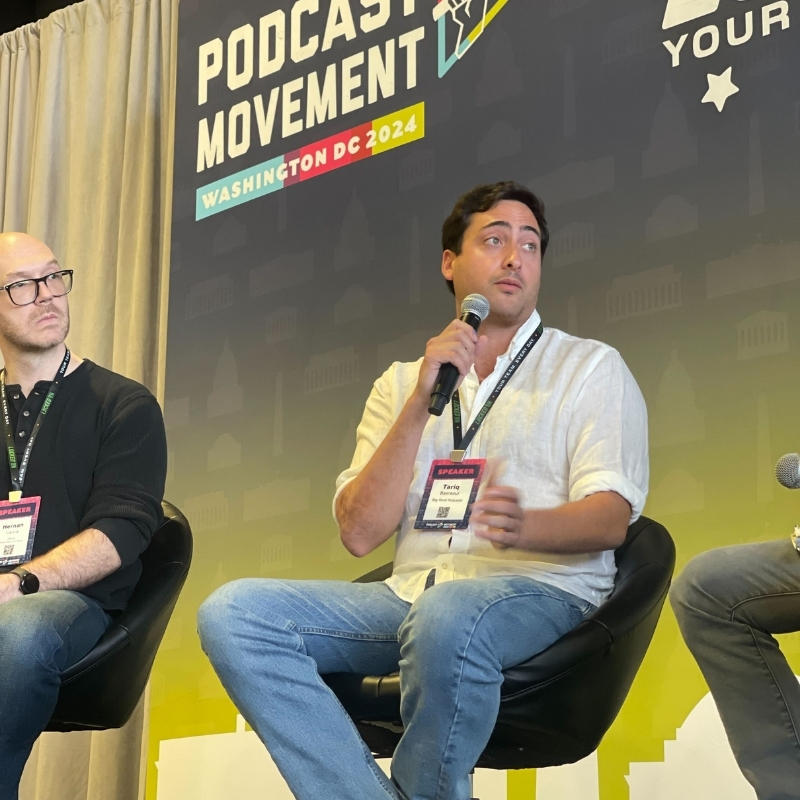
Tariq Basraoui
CEO
Tariq O’Keefe Basraoui, Co-Founder of Big Pond Podcasts, is a seasoned digital marketer and community builder with a track record of success at platforms like TikTok and Zencastr. Known for launching Zencastr’s Creator Network to over 15,000 members in 18 months, his expertise lies in growing user bases and enhancing brand engagement.
His strategic approach to growth and community engagement has established him as a leader in creating some of the fastest-growing media networks in podcasting.
