

Podcast analytics are the data points that measure your show’s performance, while insights are the actionable conclusions you draw from that data. These metrics tell you who your listeners are, what content they engage with, and where they drop off. Understanding this information is the foundation for growing your audience, improving your content, and ultimately, creating more opportunities to monetize your podcast. Without analytics, you are flying blind.
Key metrics include downloads, unique listeners, consumption or drop-off rates, and audience demographics. Each number tells part of a larger story. For instance, high downloads but low consumption rates suggest your titles and topics are compelling, but the content itself isn’t holding attention. We often see this when we audit shows for new creators; it’s a fixable problem.
Analyzing this data moves you from simply producing content to strategically building a show that resonates. It’s how you identify your most loyal listeners, find topics for future episodes, and provide concrete numbers to potential sponsors. This data-driven approach is crucial for securing podcast sponsorships that align with your audience.

Key Podcast Metrics You Should Track
Not all metrics are created equal. Some are vanity numbers, while others provide a direct path to improving your show. Focus on the data that leads to actionable insights.
- Downloads: This is the total number of times your episode file has been downloaded. While it’s a basic measure of reach, it doesn’t tell you if anyone actually listened.
- Listeners (or Unique Listeners): This metric counts individual devices or users that downloaded an episode within a specific timeframe. It’s a much better indicator of your actual audience size than raw downloads. Apple Podcasts, for example, provides data for followers and listeners, showing trends over the last 60 days once you meet certain thresholds like having at least five unique listeners.
- Consumption Rate (or Drop-Off): This is arguably the most important metric for content quality. It shows what percentage of your episode people actually listen to. A steep drop-off in the first few minutes points to an intro that isn’t engaging enough. Consistent drop-offs at the same point in multiple episodes might signal an ad break that’s too jarring or a segment that isn’t landing with your audience.
- Audience Demographics: Knowing your listeners’ age, gender, and location helps you tailor your content and attract relevant sponsors. Platforms like Spotify provide this data, offering a clear picture of who you’re talking to.
Where to Find Your Podcast Analytics
You don’t need to be a data scientist to access this information. Your analytics are available from three primary sources, each offering a different piece of the puzzle.
- Your Podcast Host: Platforms where you upload your episodes (like Big Pond) provide the most fundamental analytics, including download numbers and listener locations. These are often certified by the IAB Tech Lab, which sets the industry standard for accurate and consistent measurement. An IAB certification ensures your download numbers are filtered to remove bots and duplicate requests, giving you a more trustworthy figure to share with sponsors.
- Listening Apps: Platforms like Apple Podcasts and Spotify offer their own analytics dashboards. These are incredibly valuable because they provide data on listener behavior within the app itself, such as consumption rates, follower counts, and even demographic information. This is where you move from “how many?” to “who?” and “for how long?”.
- Third-Party Tools: Services like Podtrac and Chartable offer aggregated analytics, helping you see how your show ranks on various charts and providing a broader view of your market position. These tools are helpful for competitive analysis and tracking overall brand visibility.

How to Use Analytics for Growth and Monetization
Data is useless without action. The real power of analytics comes from using the insights to make specific, informed decisions that grow and monetize your show. We help our 1300+ podcasters do this every day.
If your analytics show a high number of listeners in a specific city, you could create content tailored to that region or even plan a live event there. If you see a spike in listeners for an episode featuring a particular guest, that’s a clear signal to invite more guests like them. This is how you use data to build an audience that is both engaged and growing.
Don’t just look at the numbers; look for the story behind them. A dip in listeners isn’t a failure; it’s feedback telling you what to fix for the next episode.
For monetization, analytics are your currency. Sponsors want to see proof of an engaged audience. A high consumption rate is more valuable to an advertiser than millions of downloads with no one listening. You can learn about different podcast ad types to see what fits your show. When you can tell a sponsor that 85% of your audience listens to the entire episode, including the mid-roll ad spot, you are in a much stronger negotiating position. That data turns a sponsorship pitch from a hopeful request into a confident business proposal. It’s a critical step before considering podcast endorsement deals.

Further reading
FAQ
What is a good download number for a podcast?
A “good” number is relative to your niche and goals. A highly specialized show might have 500 downloads per episode and be incredibly successful with sponsors targeting that specific audience. Instead of chasing a generic number, focus on steady growth and high listener engagement within your target vertical.
How long does it take for Apple Podcasts to show analytics?
Apple Podcasts Analytics typically starts displaying data after your show has gained at least five unique listeners. Data is aggregated and usually reflects trends from the last 60 days, so it can take some time to populate fully after launching a new show.
What’s the difference between podcast analytics and podcast insights?
Analytics are the raw data points: 10,000 downloads, 75% average consumption, 40% of listeners in the US. Insights are the actionable conclusions you draw from that data: “My audience prefers interview episodes over solo shows,” or “The new intro I tested last month increased listener retention by 15%.”
How does IAB Tech Lab certification affect my analytics?
The IAB Tech Lab provides the industry standard for what counts as a legitimate download. Certification means your hosting provider filters out bots, duplicate downloads, and other non-human traffic. This ensures the numbers you see are accurate and trustworthy, which is essential when presenting data to advertisers and sponsors.
If you’re ready to move beyond just checking your download numbers and want to build a real strategy for growth, we can help you understand your data and find opportunities. Get in touch by visiting us at our contact page.
About the author
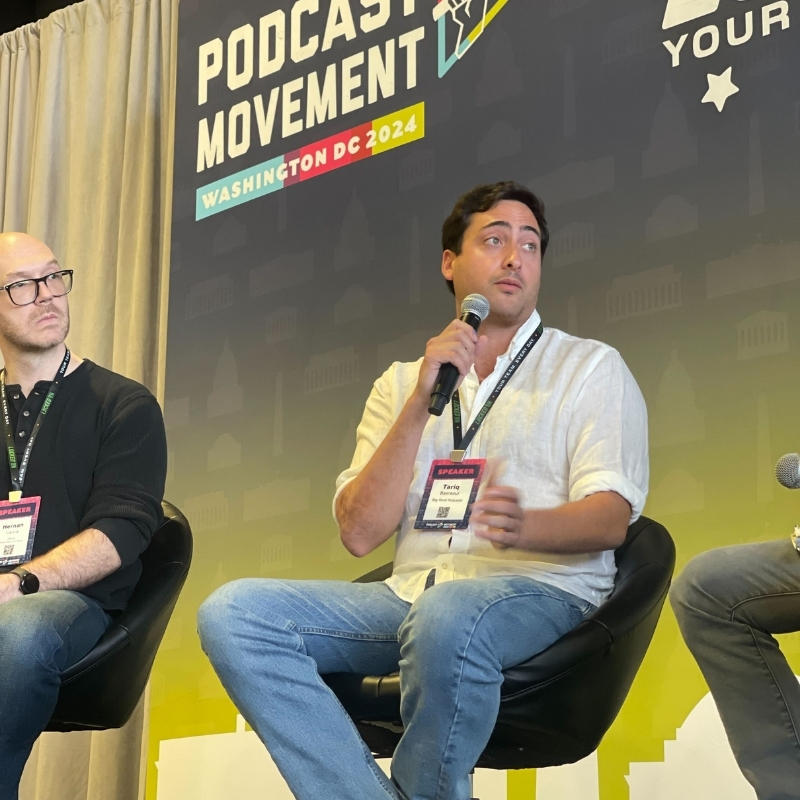
Tariq Basraoui
CEO
Tariq O’Keefe Basraoui, Co-Founder of Big Pond Podcasts, is a seasoned digital marketer and community builder with a track record of success at platforms like TikTok and Zencastr. Known for launching Zencastr’s Creator Network to over 15,000 members in 18 months, his expertise lies in growing user bases and enhancing brand engagement.
His strategic approach to growth and community engagement has established him as a leader in creating some of the fastest-growing media networks in podcasting.
