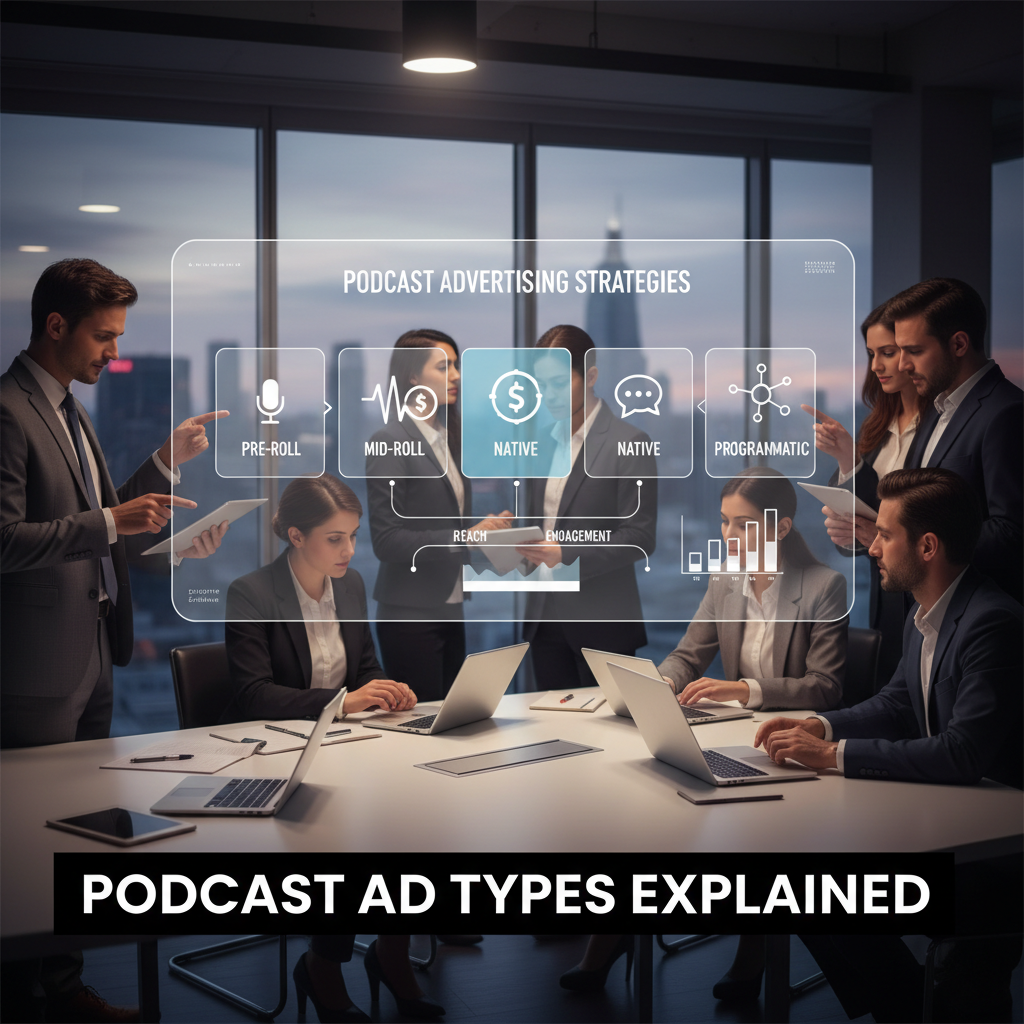
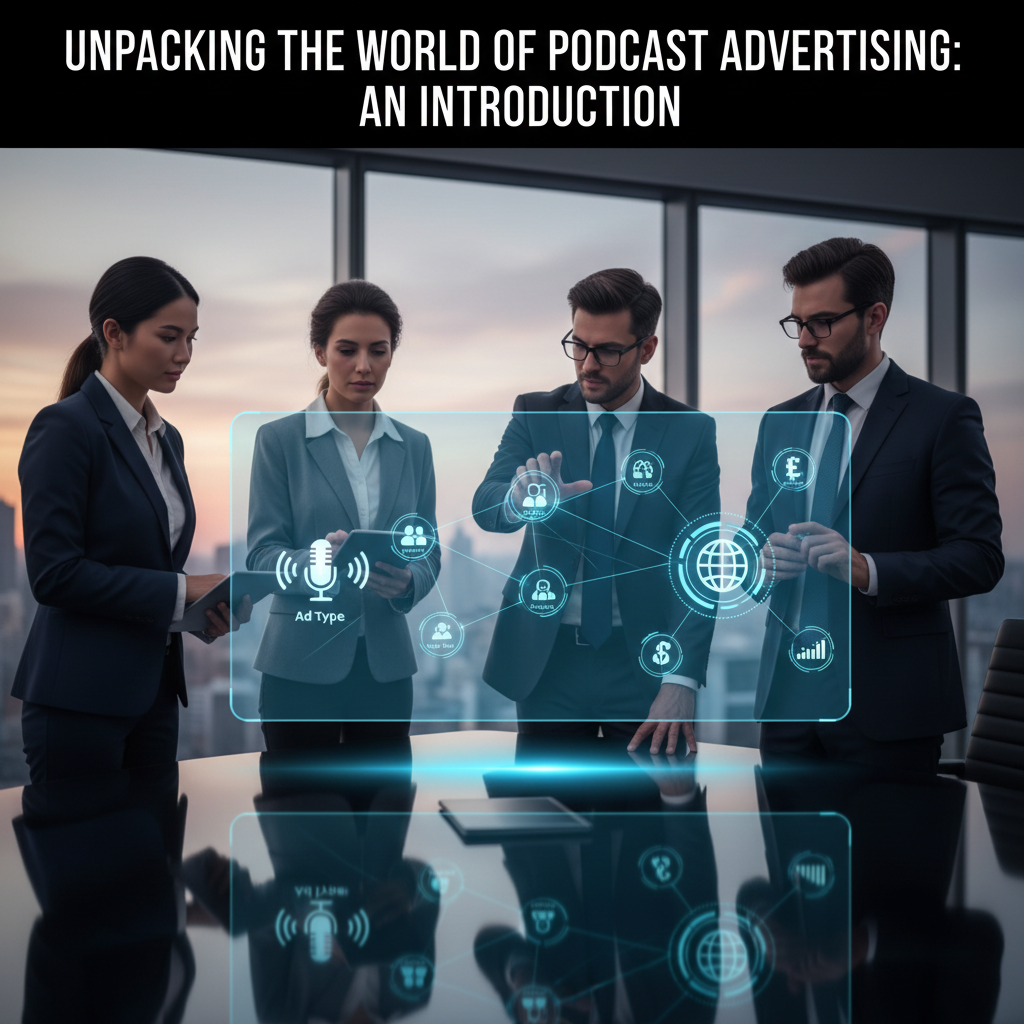
Unpacking the World of Podcast Advertising: An Introduction
In a world saturated with visual noise, the human voice cuts through. Podcast advertising isn’t just about reaching an audience; it’s about becoming part of their daily routine—on their commute, during their workout, or while they unwind. This unique intimacy is why brands and creators alike are doubling down on audio as a core part of their strategy in 2026. But to succeed, you need to speak the right language.
Why Podcast Advertising Matters in 2026
The podcasting boom isn’t slowing down; it’s diversifying. Millions of listeners tune in weekly, seeking connection and expertise from hosts they trust implicitly. Unlike fleeting social media ads or skippable video pre-rolls, podcast promotions are often consumed with genuine intent. Listeners actively opt-in, creating a highly engaged environment where brand messages are not just heard, but welcomed as recommendations from a credible source.
For advertisers, this means unparalleled access to niche communities that are otherwise difficult to reach. Whether you’re a SaaS company targeting industry leaders or a lifestyle brand aiming for wellness enthusiasts, there’s a podcast for that audience. For podcasters, understanding the value you provide is the first step toward sustainable monetization. Grasping the details of podcast ad types explained allows you to structure partnerships that respect your audience while maximizing your revenue potential, turning your passion into a profession.
The Evolving Landscape of Audio Ads
The days of a one-size-fits-all ad read are firmly in the past. The modern podcast advertising ecosystem is a sophisticated mix of creativity and technology. From authentic host-read endorsements to data-driven programmatic ads that target listeners with surgical precision, the options are vast—and can be overwhelming. Choosing the right format is the difference between a campaign that resonates and one that falls flat, or a monetization strategy that thrives versus one that stagnates.
This guide will demystify the entire spectrum of podcast advertising. We will break down each format, exploring its strengths, weaknesses, and ideal use cases. By the end, you’ll have a clear framework for podcast ad types explained in a practical way, empowering you to make strategic decisions whether you’re buying ad space or selling it.
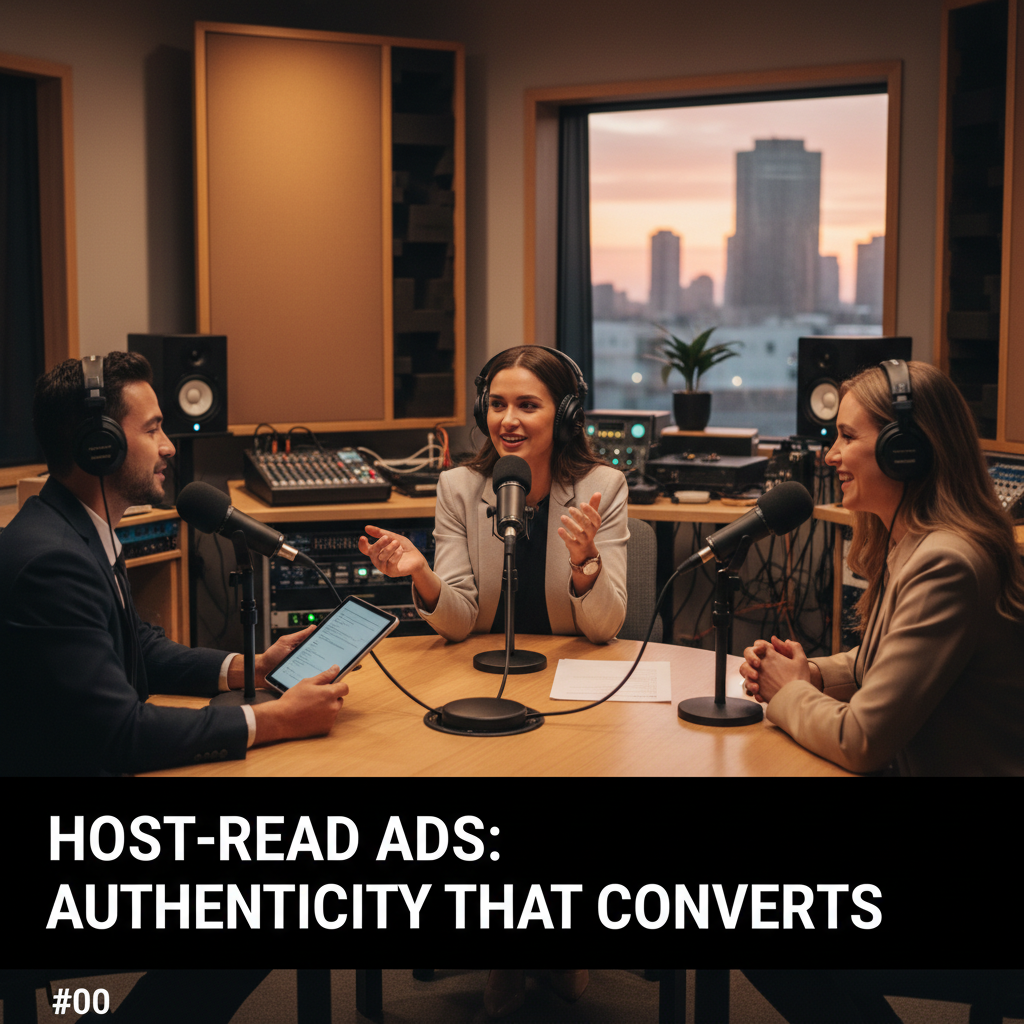
Host-Read Ads: Authenticity That Converts
When it comes to the different podcast ad types explained, none carry the weight and influence of a host-read ad. These are advertisements personally delivered by the podcast’s host in their own voice and style. Instead of a pre-produced spot, the host integrates the message into their show, lending their credibility and personality to the brand. For advertisers, this means an endorsement that feels less like an ad and more like a trusted recommendation from a friend. For podcasters, it’s a premium monetization opportunity that deeply resonates with their audience. This direct endorsement leverages the powerful, parasocial relationship hosts have built with their listeners, resulting in higher engagement and conversion rates than many other ad formats.
The Power of the Podcaster’s Voice
The magic of a host-read ad lies in its authenticity. Listeners tune in because they trust and connect with the host. When that host shares a personal story about a product or genuinely recommends a service, the message cuts through the noise. This is the most sought-after form of native advertising in the audio space. Brands provide talking points, but the host weaves them into their narrative, creating a seamless and persuasive endorsement. Platforms like Big Pond Podcasts make it easy for advertisers to discover creators whose audiences align perfectly with their brand, facilitating authentic collaborations that drive results.
Baked-In vs. Dynamically Inserted Host-Reads
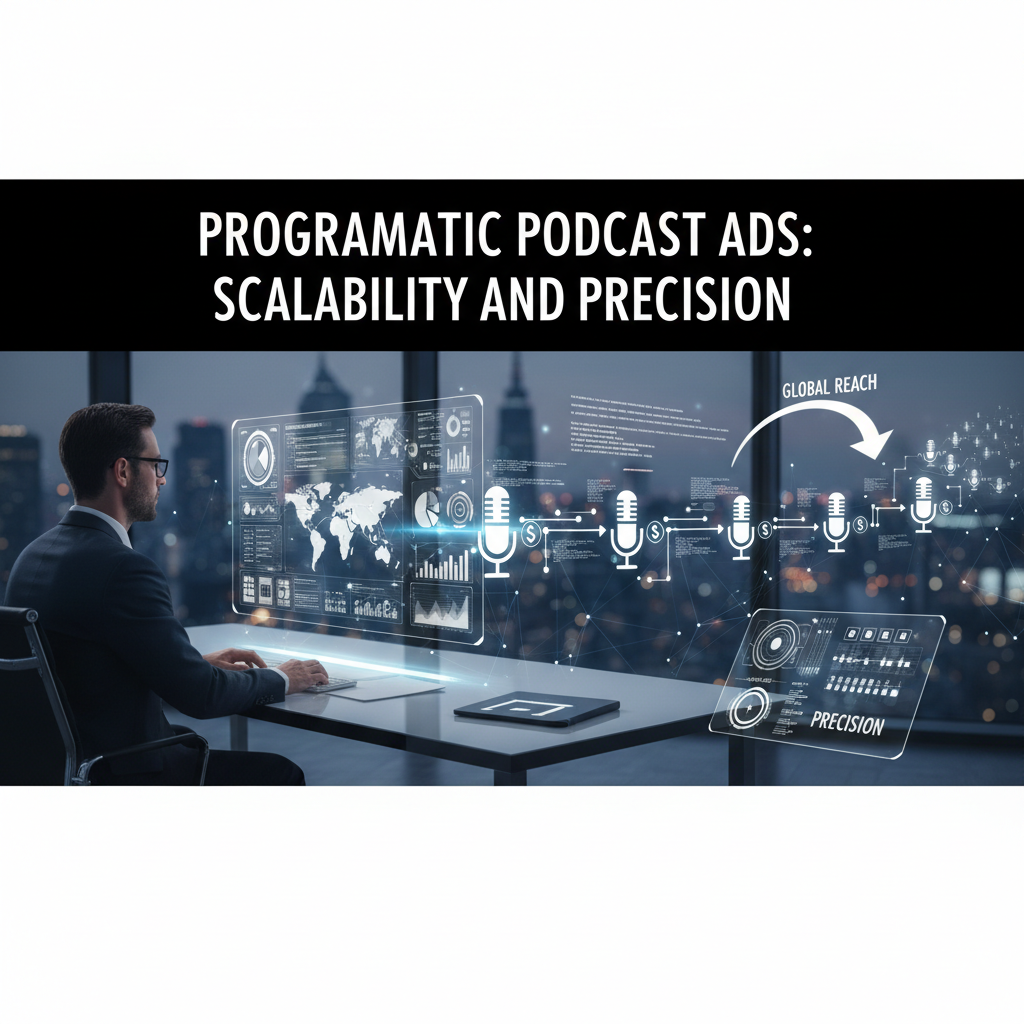
Programmatic Podcast Ads: Scalability and Precision
Programmatic advertising automates the buying and selling of ad space, a technology that has become a cornerstone of digital marketing and is now transforming the podcasting landscape. Instead of manual negotiations for ad slots, programmatic platforms use algorithms to place pre-produced audio spots into podcasts in real time, based on specific campaign criteria, offering a different approach to monetization.
Automated Ad Placement Explained
Think of it as a digital auction house. Advertisers set their campaign goals, budget, and targeting parameters on a demand-side platform (DSP). When a listener downloads an episode from a podcast that has available ad inventory, the technology instantly matches the listener’s profile with an advertiser’s target audience and serves the appropriate ad. This process happens in milliseconds, ensuring a relevant ad is delivered at the moment of listening. This model offers incredible scale, allowing brands to reach millions of listeners across thousands of shows simultaneously. This efficiency is a key reason it is highlighted when podcast ad types explained for large-scale campaigns.
Targeting Capabilities and Data-Driven Campaigns
The true power of programmatic lies in its precision. Advertisers can move beyond just show genres and target listeners based on a wealth of data points, including demographics, geographic location, behavioral data, and even device type. This granular approach enables highly data-driven campaigns. If an ad isn’t hitting its key performance indicators with a certain audience, you can adjust your strategy in real time, optimizing for better results. For a deeper understanding of how to group these audiences, our guide on Podcast Advertising Segmentation: A Complete Guide is an essential resource.
While programmatic ads lack the personal endorsement of a host-read spot, and may result in lower CPMs for some creators, their efficiency and targeting capabilities are unmatched. Big Pond Podcasts helps advertisers harness these powerful tools, connecting them with engaged audiences at scale while ensuring creators can effectively monetize their available ad inventory.
Sponsorships and Integrations: Deeper Brand Alignment
Moving beyond the standard commercial break, podcast sponsorships represent a much deeper form of brand alignment. Unlike a pre-recorded ad dropped into an episode, a sponsorship implies a partnership where the brand’s identity is woven directly into the fabric of the show. This creates a powerful perception of endorsement, as the host isn’t just reading a script—they’re aligning their own brand with the sponsor’s. For advertisers, this means shifting from a simple media buy to becoming part of the listener’s trusted content experience.
Beyond the Commercial Break: Full Show Support
Full show or segment sponsorships allow a brand to “own” a piece of the podcast. Imagine a financial advice podcast where a specific segment, like “The Weekly Wealth Tip,” is presented by a particular investment app. The brand becomes synonymous with valuable advice, not just an interruption. This sustained presence builds familiarity and trust that a fleeting 30-second ad simply cannot match. For podcasters ready to pursue these high-value arrangements, putting together a professional pitch is key. Crafting a compelling Podcast Sponsorship Proposal Template: Ultimate Guide is the first step toward securing these deeper partnerships.
Creative Brand Storytelling within Content
When exploring the full range of podcast ad types explained, integrations offer the most creative freedom. This can manifest as a branded series, where a brand underwrites several episodes on a relevant theme, or as natural product mentions seamlessly integrated into the host’s conversation. For example, a travel host might organically discuss the camera they use to capture their adventures, mentioning the brand by name. This form of storytelling feels authentic and provides genuine value to the listener, making it an incredibly effective tool for long-term brand building. It’s ideal for reaching highly engaged niche audiences who are often resistant to traditional advertising. Ready to explore these advanced monetization strategies for your show? Big Pond Podcasts provides the tools to connect with brands and unlock new revenue streams.
Native and Branded Content Podcasts: The Ultimate Immersion
Moving beyond traditional ad spots, native and branded content represent the deepest level of brand integration in podcasting. Here, the advertisement isn’t just a brief interruption within the show—it is the show, or at least a significant, value-driven portion of it. This strategy masterfully blurs the line between content and commerce to create a truly immersive listener experience.
When the Ad Becomes the Content
This approach takes two primary forms. Native advertising involves a brand sponsoring a specific segment or a one-off special episode that aligns with their values, produced within an existing podcast. A more intensive version is the branded podcast, where a company produces an entire series from the ground up. Think of narrative series or interview shows that explore topics relevant to the brand’s industry without a hard sell. For advertisers, the benefit is unparalleled audience immersion. By providing genuinely valuable and entertaining content, they can establish themselves as thought leaders, build brand affinity, and create a direct, ongoing relationship with a highly engaged audience that opts into their message.
Crafting Engaging Branded Series
The success of branded content hinges entirely on quality. Listeners have sophisticated expectations; a show that feels like a prolonged commercial will be quickly abandoned. The primary challenges are the significant investment required—not just in budget but in creative talent for compelling storytelling and top-tier production. When evaluating all the podcast ad types explained in this guide, see branded content as the ultimate play for audience trust. While the upfront costs are higher, the payoff is a powerful marketing asset that generates brand loyalty long after the campaign ends. This format is a key part of the Podcast Advertising Trends 2026: The Future of Audio Ads. At Big Pond Podcasts, we empower creators and brands to collaborate on these ambitious projects, providing the tools and guidance needed to develop high-quality, authentic branded series that captivate listeners and deliver exceptional results.
Frequently Asked Questions About Podcast Advertising
Navigating the world of audio marketing can bring up a lot of questions. Here we answer some of the most common queries we receive about podcast advertising.
What is the average cost of podcast advertising?
Podcast advertising is typically priced on a Cost Per Mille (CPM) model, or the cost per 1,000 downloads. In 2026, industry benchmarks often place CPMs between $18 and $25 for a standard 30-second pre-roll or post-roll ad. Mid-roll ads, especially valuable host-read endorsements, can command higher rates, often ranging from $25 to $50 or more.
How do I choose the right ad type for my podcast/brand?
The ideal ad type depends on your campaign goals. If your brand prioritizes authenticity and aims to build deep trust, the personal touch of a host-read ad is unmatched. If you need scale, granular targeting, and efficient spending across multiple shows, programmatic ads are the superior choice. Having the various podcast ad types explained clearly helps you align your strategy with your objectives for maximum impact.
What are key metrics to track for podcast ad campaigns?
Beyond simple downloads, effective campaign tracking involves several key metrics. Monitor impressions (how many times an ad is served), reach (unique listeners), and frequency (how often a unique listener hears an ad). Most importantly, track conversions using vanity URLs, unique promo codes, and post-purchase surveys. For a deeper look, check out our guide on Podcast Ad Measurement Metrics: Your 2026 Guide.
Can small podcasts attract advertisers?
Yes, absolutely. Many brands now recognize that a smaller, engaged niche audience can be more valuable than a large, passive one. These dedicated listeners offer advertisers a direct line to a highly targeted demographic, which often leads to higher conversion rates and a stronger return on investment.
What is dynamic ad insertion, and how does it work?
Dynamic Ad Insertion (DAI) is technology that inserts ads into audio files at the moment a listener requests to download or stream an episode. This allows podcasters to place current, relevant ads across their entire back catalog and enables geotargeting for campaigns.
Conclusion: Navigating Your Podcast Advertising Journey in 2026
The landscape of podcast advertising in 2026 is rich with opportunity, but success is not accidental. As we’ve explored, the right choice depends entirely on your specific goals. From the unparalleled trust built by host-read ads to the scalable precision of programmatic campaigns and the deep integration of sponsored content, each format offers a unique pathway to connect with engaged audiences. Understanding the core differences is the first step in crafting a successful monetization or marketing strategy. This guide to podcast ad types explained is designed to provide that foundational clarity.
Ultimately, the most effective approach transcends a simple choice of format. It requires a clear strategy rooted in audience understanding and well-defined objectives. For podcasters, this means balancing revenue generation with the listener experience that fostered your community in the first place. For advertisers, it means aligning your message with the right voice and reaching listeners in a context that feels authentic, not intrusive. Success lies at the intersection of creative content, strategic placement, and genuine connection.
Navigating this dynamic ecosystem can be complex, but you don’t have to do it alone. At Big Pond Podcasts, we empower creators and brands to forge powerful partnerships. Our platform provides the tools for seamless management, audience growth, and effective monetization, helping you find the perfect advertising fit for your show or campaign. If you’re ready to move beyond theory and build a robust advertising strategy that delivers real results, explore how Big Pond Podcasts can help you grow. As the industry continues to evolve, a strategic, well-supported approach will remain the key differentiator between simply running ads and building lasting value.
