
Introduction: The Power of Precision in Podcast Advertising
Imagine this: a listener immersed in your tech interview, only to be jarringly interrupted by an ad for lawn care. The connection is broken, and the advertiser’s message lost. This is the common result of generic ad campaigns in podcasting, where trust and relevance are paramount. Unlike broader media, listeners actively choose to invite hosts into their lives, creating a bond that irrelevant advertising can easily fracture.
As the audio landscape becomes more saturated in 2026, the need for a smarter approach is critical. The era of “spray and pray” is over. Success now hinges on podcast advertising segmentation—the strategic practice of dividing an audience into specific groups based on data like demographics, geographic location, listening behavior, and interests. Instead of one message to all, it’s about delivering the right message to the right listener segment, ensuring the ad is as engaging as the show itself.
This shift transforms the industry, creating a win-win. For advertisers, focused campaigns mean less wasted spend and a higher ROI, as their brand is introduced to a receptive, qualified audience. For podcasters, effective podcast advertising segmentation is key to unlocking true monetization. It allows you to command higher ad rates by offering sponsors access to niche listener groups and enhances the listener experience, making ads feel less like interruptions and more like valuable recommendations. This is the future of sustainable podcast growth.
What is Podcast Advertising Segmentation?
At its core, podcast advertising segmentation is the strategic practice of dividing a broad listener audience into smaller, more defined groups based on shared characteristics. Instead of broadcasting a single ad message to every person who downloads an episode, segmentation allows advertisers to deliver tailored content to specific listener cohorts. This transforms advertising from a blunt instrument into a precision tool, ensuring the message resonates more deeply.
The fundamental principle is relevance. An ad for a local coffee shop in Seattle is wasted on a listener in Miami. Similarly, an ad for high-end hiking gear is more effective when served to an audience interested in outdoor activities. Segmentation ensures your ad spend works smarter.
Moving Beyond Basic Ad Placement
Segmentation goes much deeper than simple ad placement. While a basic strategy might involve choosing a podcast based on its overall genre, effective segmentation looks at the specific listeners within that audience. Instead of just knowing you’re reaching “true crime fans,” you can target subsets, such as those in a certain income bracket, those in urban areas, or those who engaged with similar brands.
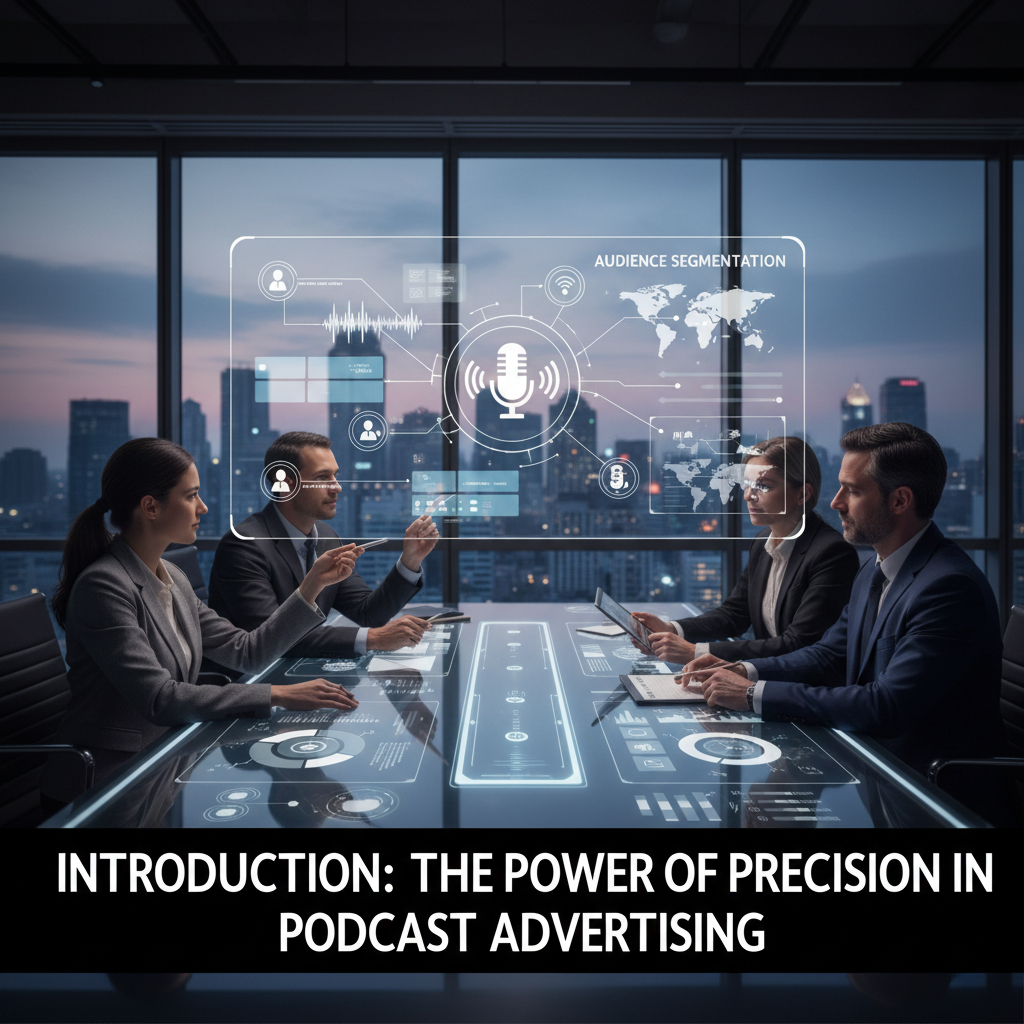
This targeted approach analyzes multiple data layers, including:
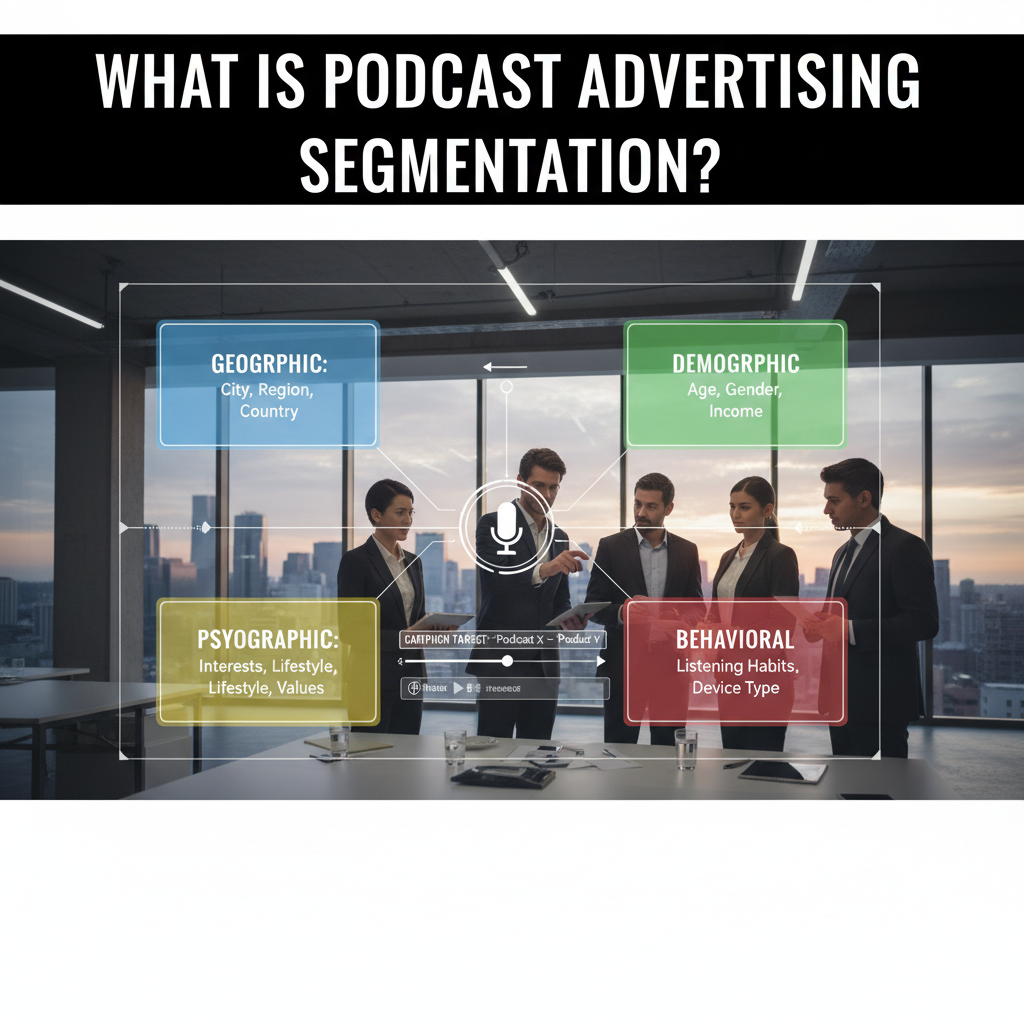
- Geographic: Targeting by country, state, city, or postal code.
- Demographic: Age, gender, income level, and education.
- Behavioral: Listening habits, device usage, and past purchase or engagement history.
- Psychographic: Interests, hobbies, values, and lifestyle choices.
By layering these criteria, advertisers can craft highly personalized campaigns that feel more like valuable recommendations than intrusive ads. This improves campaign performance and respects the listener’s attention, protecting the intimate relationship hosts have with their audience. For more, explore these podcast ad placement best practices for 2026.
Key Segmentation Strategies for Podcast Campaigns
Effective podcast advertising goes far beyond just placing an ad on a popular show. True success lies in reaching the right listeners at the right time. By layering different targeting strategies, you can ensure your message resonates, driving higher engagement and return on investment.
Demographic and Geographic Targeting
The fundamentals of audience targeting begin here. Demographic segmentation involves categorizing listeners based on quantifiable traits like age, gender, and income level. A brand selling luxury watches, for instance, would target high-income earners aged 35 and older. Geographic targeting complements this by focusing on listener location, whether a specific country, city, or neighborhood. This is essential for promoting local businesses, regional events, or products with location-specific availability. While foundational, these segments provide the broad strokes for a campaign.
Psychographic and Behavioral Segmentation
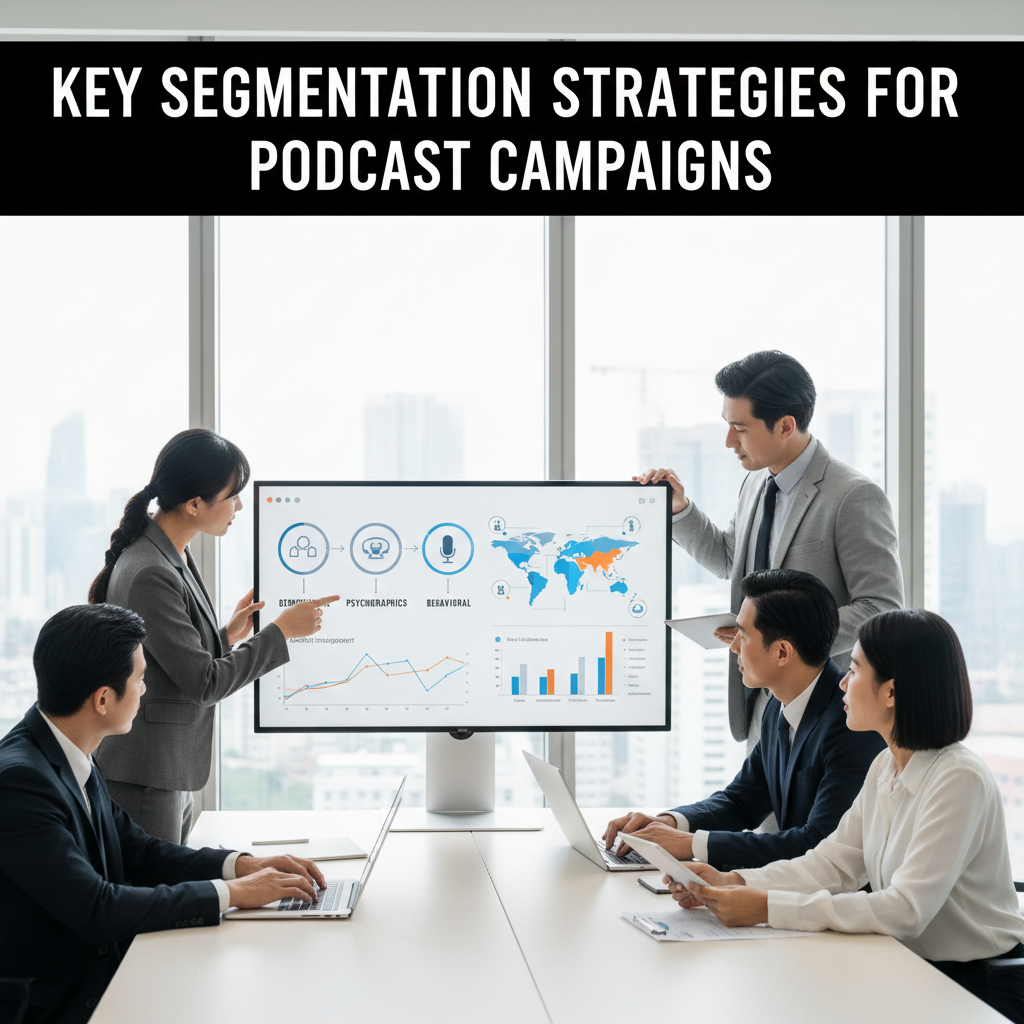
To gain deeper insights, marketers turn to psychographic and behavioral data. This approach moves beyond who the listeners are to why they listen and what drives them. Psychographics include values (e.g., environmentally conscious), interests (e.g., outdoor adventurers), and lifestyles (e.g., new parents). Behavioral segmentation analyzes past actions, such as preferred podcast genres, listening frequency, or interaction with previous ads. This level of podcast advertising segmentation allows you to connect with audiences based on shared mindsets and habits, creating stronger brand affinity.
Contextual and Interest-Based Targeting
Contextual targeting ensures maximum relevance by aligning your ad directly with the podcast’s content. This can be broad, like placing a fintech ad on a business podcast, or incredibly specific, like running a promotion for a camping gear brand on an episode about national parks. This strategy ensures the listener is already in the right frame of mind to receive your message. Aligning the ad’s context with its placement is crucial for listener receptivity. For a deeper dive, explore our guide on Podcast Ad Placement Best Practices for 2026.
Leveraging Data and Technology for Advanced Segmentation
Effective segmentation isn’t about guesswork; it’s about harnessing the power of data and technology. In 2026, the tools available to podcasters and advertisers are more sophisticated than ever, allowing for unprecedented precision. This data-driven approach is key to unlocking true advertising ROI.
First-Party Data: Your Core Listener Insights
First-party data is information you collect directly from your audience. For podcasters, this is the goldmine of analytics provided by your hosting service. Platforms like Big Pond Podcasts offer a wealth of information, including listener geography, device types, download times, and episode completion rates. This foundational data allows you to create initial segments based on observed behavior. Knowing a large portion of your audience listens on iOS devices during morning commutes in major cities gives you a powerful starting point for targeted campaigns.
Third-Party Data: Enriching Audience Profiles
While first-party data tells you what your listeners do, third-party data helps explain who they are. By layering external data sets—such as anonymized purchasing habits, household income brackets, or interests—you can transform a simple listener profile into a detailed persona. This enriched understanding is crucial for advanced podcast advertising segmentation. It allows advertisers to move beyond basic demographics and target listeners based on psychographic traits and lifestyle behaviors, ensuring their message connects with the most receptive audience.
The Role of AI and Analytics Platforms in 2026
The true revolution in 2026 is the application of Artificial Intelligence (AI) and machine learning to analyze this data. Modern analytics platforms can sift through massive datasets to identify hidden patterns and predictive correlations that a human analyst would miss. AI can analyze episode transcripts for keywords, topics, and sentiment, enabling hyper-granular contextual targeting. This ensures ads are not only served to the right person but at the most relevant moment within an episode. Following Podcast Ad Placement Best Practices for 2026 powered by these insights dramatically increases campaign effectiveness. Harnessing this technology is no longer a luxury. Explore how to choose a podcast monetization platform in 2026 to ensure you have the right tools.
Implementing Segmented Ad Campaigns with Big Pond Podcasts
Executing a precise podcast advertising segmentation strategy requires a platform built for targeting. While theory is useful, tangible results come from applying those segments in live campaigns. Big Pond Podcasts simplifies this entire process, turning your audience insights into impactful advertising.
Setting Up Targeted Campaigns
Our platform empowers advertisers to move beyond broad-stroke campaigns. Within the Big Pond Podcasts dashboard, you can easily set up multiple ad sets, each targeting a distinct listener profile. Layer targeting options like listener geography, age demographics, device type, and podcast genre to ensure your message reaches the most relevant ears. For instance, you can serve one ad to listeners of true crime podcasts in the Midwest and a different one to audiences of business podcasts on the West Coast, all from a single interface. This granular control is key to maximizing ad spend.
Best Practices for Ad Creative and Messaging
Effective segmentation demands tailored creative. An ad for a meal-kit service targeting “busy young professionals” should feature energetic music and highlight convenience with a CTA like, “Reclaim your weeknights.” The same service targeting “health-conscious parents” might use a warmer tone, focus on organic ingredients, and use a CTA like, “Serve your family a meal you feel good about.” Your ad’s tone, offer, and language must align with the segment’s distinct values.
Measuring Success and Optimizing
The final step is to measure, learn, and refine. Our analytics suite tracks key performance indicators (KPIs) for each segment, including conversion rates and cost per acquisition (CPA). By analyzing this data, you can identify which segments provide the highest return on investment. Use these insights to optimize future campaigns, reallocating your budget to top-performers and adjusting your creative. Combining smart segmentation with smart ad placement is crucial for success. For more on this, see our guide to Podcast Ad Placement Best Practices for 2026. This data-driven approach to podcast advertising segmentation ensures your campaigns become more effective over time.
Frequently Asked Questions About Podcast Ad Segmentation
Is segmentation only for large podcasts?
Not at all. Podcast advertising segmentation can be more impactful for niche podcasts. While large shows cast a wide net, niche shows engage a specific community. By segmenting this audience based on interests or listening habits, you can offer advertisers hyper-targeted access, making your ad slots significantly more valuable. This approach helps smaller creators compete by delivering superior ad relevance. You can learn more in our guide to niche podcast advertising opportunities in 2026.
How do I collect listener data ethically?
Ethical data collection is built on transparency. The best methods include voluntary listener surveys and analyzing aggregated, anonymized download data (like location and device type) from your hosting platform. Always be clear about how data is used. Reputable platforms, including Big Pond Podcasts, prioritize listener privacy, providing tools for powerful segmentation without collecting personally identifiable information.
What’s the difference between ad segmentation and dynamic ad insertion?
Think of it as the “why” versus the “how.” Ad segmentation is the strategic process of grouping your audience based on shared characteristics to determine who hears what. Dynamic ad insertion (DAI) is the technology that delivers those specific ads to the correct segments in real-time. Segmentation is your plan; DAI is the technology that executes it flawlessly.
Can I use segmentation for direct-response and brand awareness campaigns?
Absolutely. For direct-response, you can serve a promotional code to listeners in one city to drive local sales. For brand awareness, you can target listeners interested in sustainability with an ad for an eco-friendly brand. This tailored approach ensures direct-response ads generate conversions and brand awareness messages resonate deeply, improving the campaign ROI for sponsors.
How often should I refine my audience segments?
Your audience isn’t static. It’s best to review your segments quarterly or at least twice a year. Listener behaviors evolve, new audience groups emerge, and your content may change focus. Regular analysis is crucial for an effective strategy.
Conclusion: The Future of Targeted Podcast Advertising
As we’ve explored, the era of broadcasting a single ad to an entire podcast audience and hoping for the best is over. Success in 2026 and beyond is not just about reaching listeners; it’s about connecting with the right listeners in a way that feels personal and adds value. This strategic shift from broad reach to precise engagement is the new standard for impactful audio advertising.
Recap: Why segmentation is non-negotiable for success
The core takeaway is simple: effective podcast advertising is synonymous with smart segmentation. By moving beyond basic demographics to embrace behavioral, psychographic, and contextual targeting, advertisers can dramatically improve campaign ROI. This approach respects the listener’s intelligence and time, transforming ads from interruptions into relevant recommendations. A well-executed podcast advertising segmentation strategy ensures your message resonates, drives action, and strengthens brand perception rather than eroding it with irrelevant content. The brands that win will be those that prioritize this precision.
The evolving landscape of listener engagement
Looking ahead, the tools for understanding and engaging audiences will only become more sophisticated. We anticipate a greater reliance on privacy-first data and AI-driven predictive analytics to identify niche listener groups with unprecedented accuracy. Contextual intelligence will move beyond simple genre categorization to analyze the specific tone and topic of an episode segment, allowing for hyper-relevant ad placements. Listeners’ expectations for personalized content will continue to rise, making sophisticated targeting a baseline requirement for any serious advertiser in the audio space.
Partnering for precision: Your next steps with Big Pond Podcasts
Navigating this dynamic landscape requires a partner with the right tools and insights. The future of podcast advertising segmentation is happening now, and a powerful hosting platform is your command center for deploying it effectively. Big Pond Podcasts provides the advanced analytics and robust targeting capabilities you need to move from broad assumptions to data-driven precision. By leveraging our platform, you can unlock the full potential of your ad spend and build more meaningful connections with your ideal audience.
Ready to harness a smarter, more effective advertising strategy? Discover how Big Pond Podcasts can elevate your campaigns today.
