

The best podcast management tools in the United States provide the core functions of hosting, distribution, analytics, and monetization in a single platform. These services generate a valid RSS feed, deliver audio files to listeners, and provide IAB-certified data on audience engagement. For American creators, the right platform simplifies the technical backend, allowing them to submit their show to Apple Podcasts and Spotify, track performance, and connect with advertisers, ultimately enabling them to focus on creating content rather than managing infrastructure.
This guide evaluates platforms based on their features for independent creators in the US market, monetization capabilities, and overall user experience. We analyzed tools based on their specific strengths, from all-in-one hosting solutions to specialized services for analytics and ad placement. The goal is to identify the right type of tool for your specific stage, whether you are just starting or looking to scale your revenue.

What Are Podcast Management Tools?
Podcast management software is the operational backbone for your show. At its core, it starts with a podcast host, a specialized service that stores your audio files and creates the RSS feed that powers your podcast. This feed is what you submit to listening directories like Apple Podcasts, Spotify, and Google Podcasts.
Beyond simple hosting, these platforms offer a suite of crucial features. They provide detailed analytics on downloads, listener demographics, and episode performance. Many also include tools to help you monetize your podcast, from dynamic ad insertion to subscription management.
Finally, they ensure wide distribution. A good tool makes it easy to get your show listed on every major platform. This removes the manual work of submitting to each directory individually.
Spreaker
Based in New York, Spreaker is an all-in-one platform designed for creators at all levels. It combines hosting, distribution, and multiple monetization options in one package. The platform provides a content management system that allows podcasters to upload, manage, and schedule episodes.
Spreaker’s monetization is particularly flexible, offering both programmatic advertising and a direct connection to the IAB-compliant podcast ad marketplace. This allows creators to start earning revenue even with a smaller audience. Its distribution feature automates submission to major directories, simplifying the launch process significantly.
- Best for: Creators who want a single platform to handle everything from production to monetization.
- Watch out for: The free tier has limitations on storage and monetization features, requiring an upgrade for serious growth.
- Statistic: The company operates with a team size of 11-50 employees.
Blogtalkradio
Also headquartered in New York, Blogtalkradio offers a unique proposition by blending live-streaming call-in shows with traditional podcast hosting. Creators can schedule live broadcasts, take calls from listeners, and then archive the recording as a standard podcast episode. This model fosters high levels of community engagement.
This platform is particularly suited for interactive formats like Q&A sessions, interviews, and panel discussions. While it provides standard hosting and distribution, its primary differentiator is the live broadcasting component. It creates an accessible on-ramp for those who are more comfortable with a live radio format than with post-production.
- Best for: Podcasters who want to run live, interactive shows with audience call-ins.
- Watch out for: The audio quality can be more variable than pre-recorded, edited shows, and the interface is less modern than some newer platforms.
The most powerful tool isn’t always the one with the most features. It’s the one that removes the most friction from your specific workflow, whether that’s live interviews or complex ad campaigns.
Specialized Analytics Platforms
While most hosts offer built-in analytics, dedicated analytics platforms provide deeper, more actionable insights. These tools aggregate data from multiple sources to give you a complete picture of your audience and performance. They answer questions that basic hosting stats can’t, like listener attribution and drop-off rates.
A great example is detailed in a breakdown of podcast analytics tools, which shows how platforms can track listener journeys across different apps. This level of data is critical for refining content and proving ROI to advertisers. Using a specialized tool gives you an objective, third-party view of your numbers.
- Best for: Data-driven creators and businesses that need granular insights to inform growth strategies and report to sponsors.
- Watch out for: These tools add an extra subscription cost and another dashboard to manage, complicating your tech stack.

Dedicated Monetization Networks
For podcasters focused on revenue, a monetization network or agency can be more effective than built-in platform tools. These networks specialize in connecting shows with relevant advertisers. As a podcast agency, we focus on this exact challenge for our creators.
We work with over 1300+ podcasts to help them monetize and grow, connecting them with brands that fit their specific niche, including major advertisers like BetterHelp. This approach focuses on finding quality sponsorships that resonate with listeners. A good network handles the sales, negotiation, and ad-ops, letting you focus on your content. The right partner can significantly improve your ability to run effective campaigns, an essential part of podcast production management.
- Best for: Established podcasters who are ready to generate significant revenue but lack the time or sales expertise to secure sponsorships themselves.
- Watch out for: Most networks have audience size minimums (often 10,000+ downloads per episode) and take a percentage of ad revenue.
Many podcasters think they need a huge audience to monetize. The truth is you need the right audience and a way to connect with brands like Airbnb and Walmart that want to reach them.
Emerging Trends in US Podcast Management
The landscape of podcast management tools is constantly evolving. A major trend is the integration of AI-powered editing tools. Services are now offering automatic silence removal, filler word (um, uh) detection, and even text-based video editing to dramatically speed up post-production.
Video podcasting is another critical area. With YouTube and Spotify both pushing video formats, top-tier management tools are offering integrated workflows to publish both audio and video versions of an episode simultaneously. According to a 2024 report from Edison Research, monthly podcast listening remains strong, and platforms are adapting to serve this audience across multiple media formats.
Finally, dynamic content insertion is becoming more sophisticated. This technology allows for not just ads but also host-read intros, calls-to-action, and announcements to be targeted to listeners based on their location or the date, keeping content fresh and relevant.
Key Legal Considerations for US Podcasters
Managing a podcast in the United States involves more than just technology; you must also be aware of legal requirements. One of the most important areas is copyright. Using music, sound effects, or clips from other media without permission can lead to takedown notices or legal action. It is essential to understand the principles of copyright and fair use.
Additionally, if you run advertisements or sponsored content, you must comply with Federal Trade Commission (FTC) disclosure rules. These guidelines require you to clearly and conspicuously disclose any material connection you have with an advertiser. This typically means a verbal disclosure within the ad read itself.
Summary Comparison
| Tool / Type | Core Function | Best For |
|---|---|---|
| Spreaker | All-in-one Hosting & Monetization | Beginners to Professionals |
| Blogtalkradio | Live Broadcasting & Hosting | Interactive, call-in shows |
| Analytics Platforms | Deep Listener Insights | Data-driven creators |
| Monetization Networks | Ad Sales & Sponsorships | Established shows with 10K+ downloads |
Further reading
Frequently Asked Questions
How do I choose the right tool as a beginner?
As a beginner, prioritize ease of use and affordability. Look for an all-in-one platform with a free or low-cost tier that covers hosting, one-click distribution to major directories like Apple Podcasts and Spotify, and basic analytics. Don’t overpay for advanced features you won’t use yet.
What’s the difference between a hosting platform and a management tool?
While the terms are often used interchangeably, a hosting platform simply stores your audio files and generates an RSS feed. A comprehensive management tool does that plus offers built-in analytics, monetization options, a website, and other growth features. Most modern providers are full management tools, not just hosts.
How much do podcast management tools cost?
Pricing varies widely. Some platforms offer free plans with basic features but limited storage. Paid plans typically start around $10-$20 per month for more storage and better analytics. Professional and enterprise plans with advanced advertising capabilities can cost several hundred dollars per month.
Can I switch podcast hosting providers?
Yes, you can switch hosts without losing your subscribers. The process involves setting up a 301 redirect from your old RSS feed to your new one. Most reputable hosting providers offer clear instructions and support to make this transition smooth.
What role do analytics play in managing my podcast?
Analytics are crucial for understanding your audience and growing your show. Key metrics to track include total downloads per episode, listener demographics, popular listening apps, and average listening duration. This data helps you create better content and demonstrate your value to potential advertisers, as detailed by sources like Gartner reviews on hosting platforms.
Do I need a separate tool for monetization?
Not necessarily, but it can be beneficial. While many hosting platforms offer basic ad tools, dedicated monetization networks and agencies often provide access to better advertisers and higher CPMs. They also handle the sales and management work, which can be a significant advantage for busy creators.
Choosing the right tools is fundamental to turning your podcast from a hobby into a sustainable venture. By understanding the different types of platforms and how they align with your goals, you can build a technology stack that supports your growth. If you are ready to scale your show and explore serious revenue opportunities, get in touch with our team.
About the author
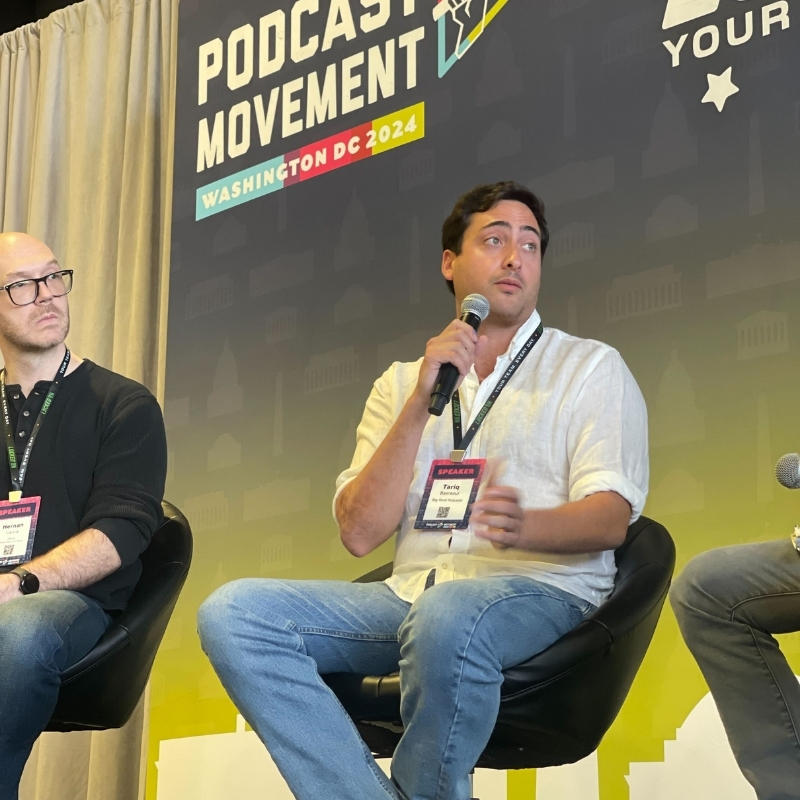
Tariq Basraoui
CEO
Tariq O’Keefe Basraoui, Co-Founder of Big Pond Podcasts, is a seasoned digital marketer and community builder with a track record of success at platforms like TikTok and Zencastr. Known for launching Zencastr’s Creator Network to over 15,000 members in 18 months, his expertise lies in growing user bases and enhancing brand engagement.
His strategic approach to growth and community engagement has established him as a leader in creating some of the fastest-growing media networks in podcasting.
