
Forget the hype around the metaverse for a moment. The most potent advertising revolution is happening in a medium that’s been around for over a century: audio. With audio reaching 96% of Americans daily, it’s not a new channel, but its reinvention is creating unprecedented opportunities. The key audio advertising trends for 2026 are the maturation of programmatic platforms, hyper-personalization through AI, and a doubling-down on creator authenticity. This shift is turning passive listening into an active, measurable, and highly effective advertising ecosystem for brands.
The Shifting Landscape of Audio Advertising
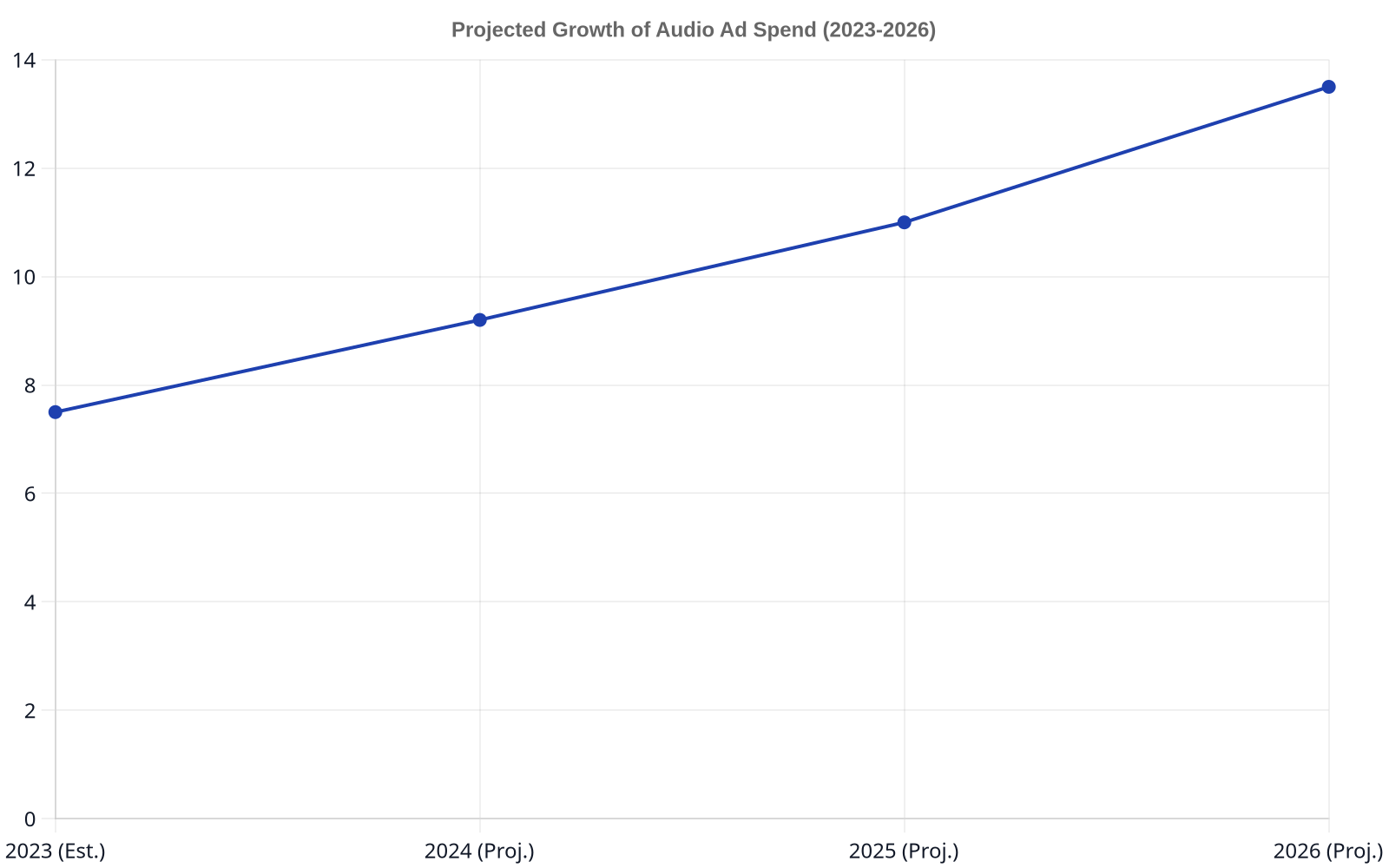
The audio advertising market isn’t just growing; it’s fundamentally restructuring. The global audio advertising market size surpassed $38 billion in 2025, with digital formats leading the charge. In the United States alone, digital audio advertising climbed to $8.4 billion in 2025, marking a 10.2% year-over-year increase. This growth isn’t a temporary spike; it reflects a durable shift in consumer behavior and technology.
Listeners are more engaged than ever, spending an average of 4.5 hours daily with audio content. This deep engagement, often during screen-free moments like commuting or exercising, provides a unique and uncluttered environment for brands to connect with consumers. The rise of digital platforms means this massive audience is now addressable with new precision.
The Digital Audio Surge
Traditional broadcast radio is holding its ground, but the explosive growth is in digital. This category includes streaming music services, online radio, and—most notably—podcasts. Digital audio listenership has swelled to 79% of the U.S. population each month, making it a majority medium. For advertisers, this means scale combined with the ability to target listeners based on demographics, interests, and even real-time context.
Podcast Advertising’s Unmatched Growth
Within the digital audio space, podcasting is the breakout star. Podcast advertising revenue in the U.S. hit $2.9 billion in 2025, a staggering 17.6% jump from the previous year. This is the fastest-growing segment of the entire ad market for a reason. Podcasts offer a level of host-driven trust and niche audience engagement that other formats struggle to replicate. We see this firsthand across our network of over 1,300+ podcasts, where authentic connections drive real results for brands.
Key Drivers of Audio Advertising Growth
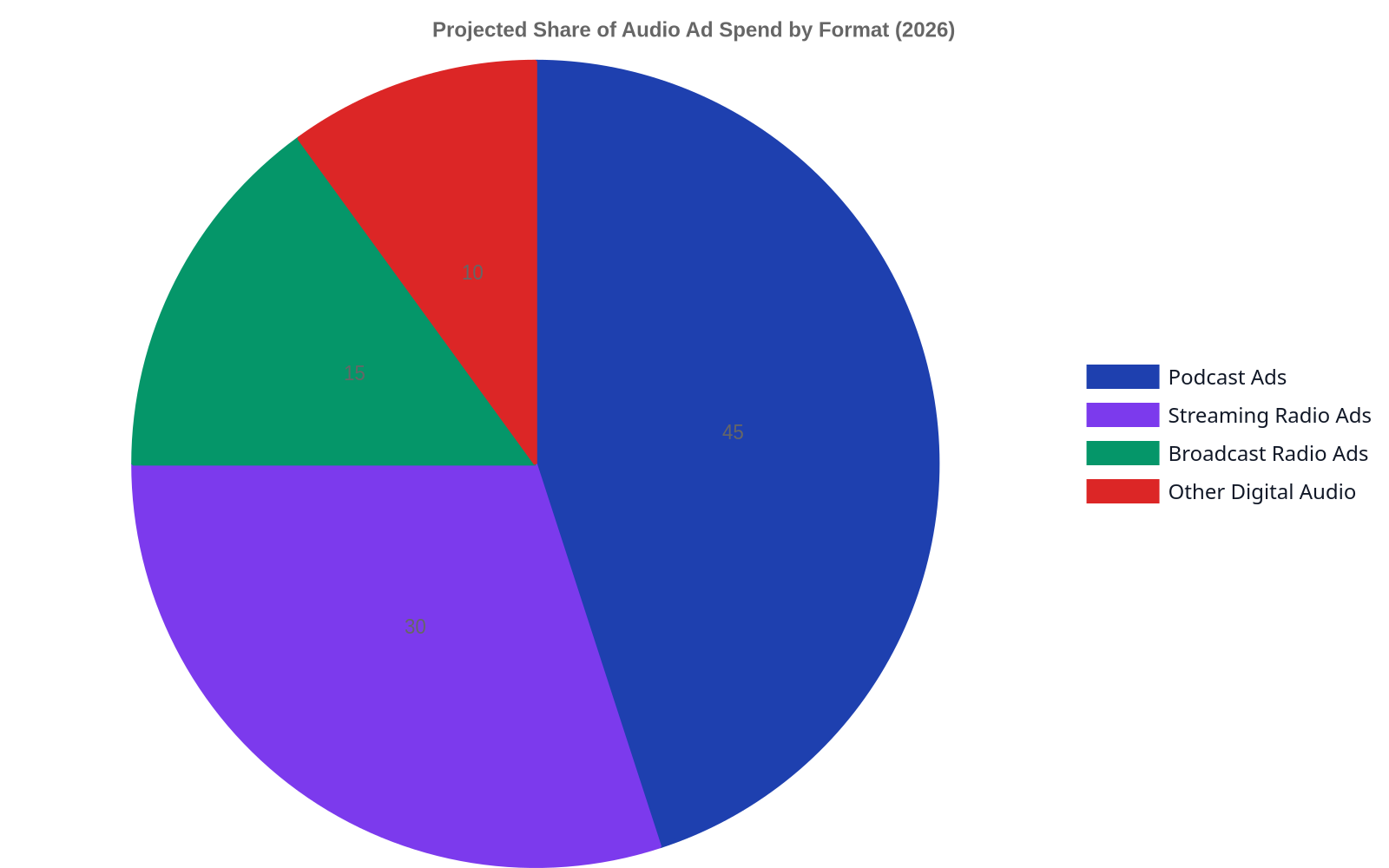
What’s fueling this expansion? It’s a combination of technological advancement, evolving consumer habits, and a recognition of audio’s unique strengths. Advertisers are moving budgets to audio because it delivers results, from brand recall to direct purchases. The ability to reach a potential audience of over 200M+ monthly listeners in our network alone demonstrates the massive scale now available.
The Power of the Commute and “Found Time”
In-car listening is a massive driver. As more vehicles come equipped with connected dashboards, streaming audio is becoming the default choice for millions of drivers. This “found time” is a golden opportunity for advertisers to reach a captive audience. Unlike visual ads, audio ads don’t require a user to stop what they are doing, making them a perfect fit for a multitasking world.
Smart Speakers and At-Home Listening
The proliferation of smart speakers from Amazon, Google, and Apple has turned homes into interactive audio environments. These devices have opened up new inventory for advertisers and paved the way for more interactive ad formats. Voice commands and audio-driven commerce are no longer futuristic concepts; they are happening now and represent a major growth vector for 2026.
Top Audio Advertising Trends for 2026

The audio advertising trends for 2026 are less about reinvention and more about refinement and intelligence. The tools are becoming sharper, the data is getting cleaner, and the creative possibilities are expanding. Here’s what’s defining the cutting edge.
Programmatic Audio Comes of Age
Programmatic buying—the automated purchase of ad space—is now table stakes in audio. What started as a way to sell remnant inventory has become a sophisticated method for precision targeting at scale. Advertisers can now use platforms like the one we’ve developed with partners such as Magnite to buy audio ads across thousands of shows, targeting specific audience segments in real-time. This brings the efficiency of display advertising to the immersive world of audio.
However, the real advance is the move from broad targeting to account-based marketing (ABM) precision, especially in B2B. A recent piece in Ad Age highlights the shift toward role-based messaging, where a company could serve one ad to a CTO and a different one to a marketing manager listening to the same podcast.
AI-Powered Personalization and Dynamic Creative
Artificial intelligence is the engine behind the next wave of audio advertising. AI algorithms can analyze listener data to serve the most relevant ad at the most opportune moment. This goes beyond simple demographics. AI can factor in listening history, time of day, location, and even weather to personalize the ad experience.
This leads directly to Dynamic Creative Optimization (DCO). Instead of producing one ad, brands can create multiple components (different intros, calls-to-action, music beds) that an AI assembles on the fly to create a personalized spot for each listener. This makes ads feel less like interruptions and more like relevant content.
The most effective audio ad isn’t a perfectly polished studio recording. It’s an authentic message delivered by a trusted voice, speaking directly to the listener’s context and needs.
The Enduring Value of Creator-Led Advertising
For all the technological advances, the core appeal of podcast advertising remains the human element. Host-read ads continue to outperform other formats because they are built on trust. Listeners have a personal relationship with the hosts they follow, and they treat a host’s recommendation like advice from a friend. For a complete breakdown of costs, you can explore our complete cost guide.
The trend for 2026 is a hybrid approach. Brands are using programmatic pipes to deliver host-read ads dynamically. This combines the authenticity and influence of a creator endorsement with the targeting and measurement capabilities of automated platforms. It’s the best of both worlds.
Emerging Technologies and Their Impact
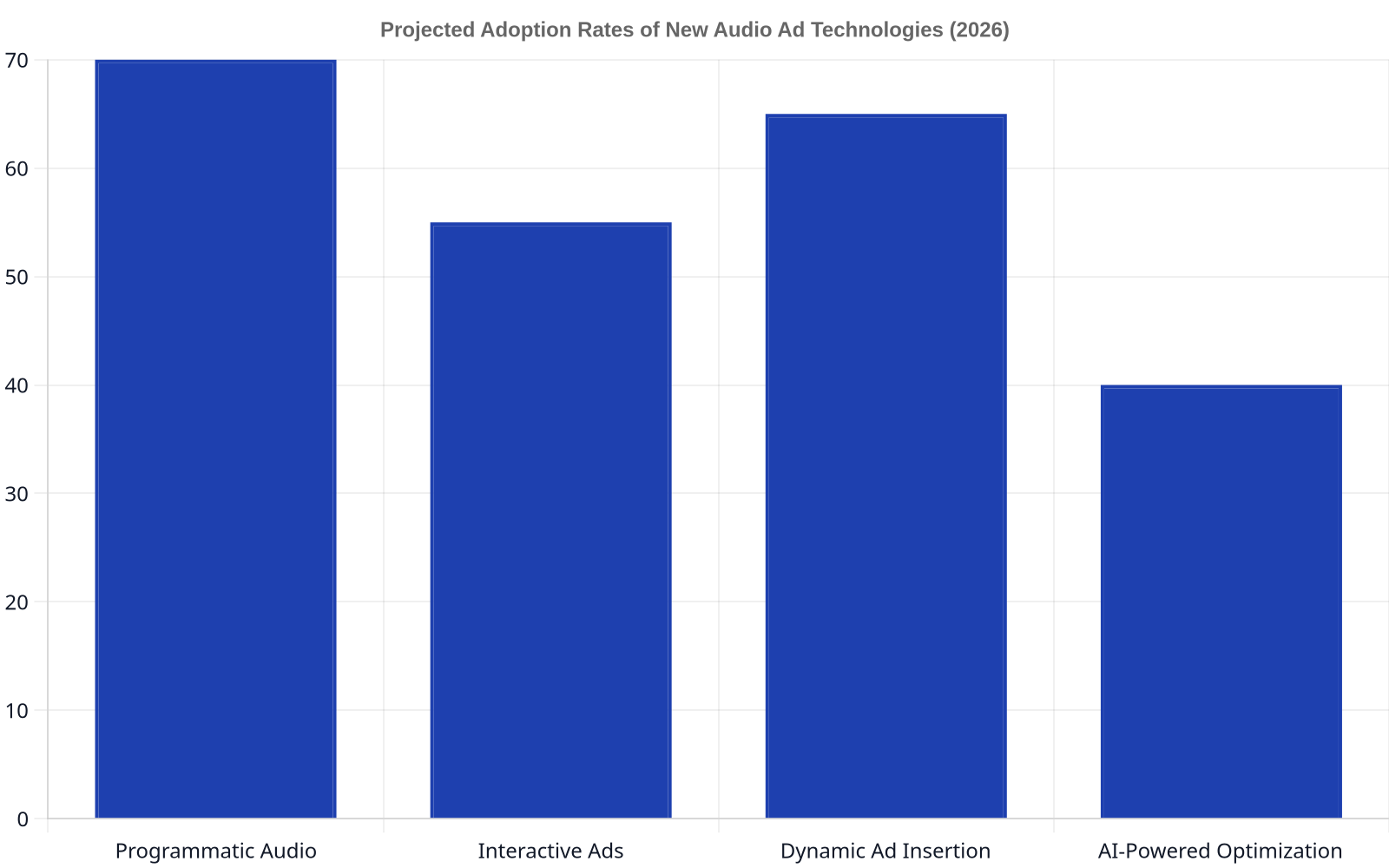
New technologies are not just creating more ad inventory; they are fundamentally changing what an audio ad can be. The shift is from a one-way message to a two-way interaction, powered by voice AI and better measurement.
Interactive Ads and the Rise of Voice
With smart speakers, listeners can now talk back to ads. An ad for a pizza restaurant could end with, “Want to place an order?” A “yes” from the listener could initiate the order directly. These interactive formats turn a passive ad into an active conversion point. This requires a new approach to creative, one that anticipates user responses and provides immediate value.
Attribution and Measurement Finally Catch Up
For years, the biggest knock against audio advertising was the difficulty in measuring ROI. That is no longer the case. Pixel-based attribution, promo codes, and post-conversion surveys are now standard. As one expert noted, “The new broadcast measurement tools being brought to market are offering advertisers insights into the performance of their campaigns that has not been available in the past.” This focus on measurement is closing the loop and proving audio’s place in the performance marketing stack.
Omnichannel Integration
Audio doesn’t exist in a vacuum. The most sophisticated marketers in 2026 are integrating audio into their broader omnichannel strategies. An audio ad can be used to prime a listener for a social media campaign or a search ad they’ll see later. By connecting audio exposure data with other marketing channels, brands can create a cohesive customer journey that boosts the effectiveness of their entire media mix.
How Brands Can Capitalize on Audio Advertising Trends

Understanding the audio advertising trends for 2026 is one thing; acting on them is another. Success requires a strategic approach that starts with the audience and embraces new creative and measurement formats. Brands that simply repurpose their radio spots for podcasts will be left behind.
A Step-by-Step Audio Strategy
- Define Your Audio Persona: Who are you trying to reach, and what are their listening habits? Go beyond demographics to understand their psychographics. What kind of content do they consume, what hosts do they trust, and in what context do they listen?
- Match the Format to the Goal: Are you trying to build brand awareness or drive immediate sales? Your objective will determine the best format. Host-read ads excel at building trust, while programmatic display audio can deliver scale and frequency.
- Invest in High-Context Creative: Generic ads get tuned out. Your creative should feel native to the environment where it’s heard. This means tailoring the message, tone, and call-to-action to the specific podcast or streaming service. Consider learning how to integrate brands into podcasts for a more native feel.
- Test, Measure, and Iterate: Treat your audio campaigns like any other digital channel. Use attribution tools to track what’s working. A/B test different creative, hosts, and calls-to-action to continuously optimize performance.
Comparing Modern Audio Ad Formats
Choosing the right tool for the job is critical. Here’s how the primary audio ad formats stack up against each other:
| Feature | Host-Read Ads | Programmatic Audio Ads | Interactive Audio Ads |
|---|---|---|---|
| Authenticity | Very High | Low to Medium | Medium |
| Scalability | Medium | Very High | Medium to High |
| Targeting | Show/Genre Level | Granular (Audience/Context) | Granular + Behavioral |
| Creative Cost | Medium to High | Low to Medium | High |
| Measurement | Moderate (Promo Codes) | High (Pixel Tracking) | Very High (Direct Response) |
| Best For | Building trust, influencer marketing | Reach, frequency, direct response | Driving immediate action, engagement |
Navigating the Challenges: Ad Fraud and Ethics
With rapid growth come new challenges. The increasing automation and data reliance in audio advertising raise important questions about ad fraud and consumer privacy that the industry must address head-on.
Combating Ad Fraud in Programmatic Audio
As billions of dollars flow into programmatic audio, it has become a target for fraud. This can take the form of fake downloads, bot-driven streams, or misrepresented audiences. Advertisers and platforms must be vigilant. Solutions include working with certified and transparent partners, using third-party verification tools from companies like IAS and Moat, and insisting on clear reporting. The IAB has established guidelines, but diligence is paramount to ensure ad spend reaches real listeners.
In the rush to automate and personalize, we cannot lose sight of the listener. Ethical data handling isn’t just a legal requirement; it’s the foundation of the trust that makes audio advertising so powerful.
Data Privacy and Ethical Targeting
Personalization is powerful, but it comes with responsibility. The ability to target users based on sensitive data raises significant ethical questions. Consumers are increasingly aware of and concerned about how their data is used. The industry must prioritize transparency and user control. This means clear disclosures about data collection, easy opt-out mechanisms, and a commitment to not using data in ways that could be discriminatory or predatory. Adhering to regulations like GDPR and CPRA is the bare minimum; building genuine trust requires going further.
The Future for Creators: Beyond the Ad Spot
For podcast creators, the evolving landscape offers opportunities far beyond a simple 60-second ad read. The creator economy is maturing, and direct monetization is becoming a more viable path, complementing traditional advertising revenue. This is a core part of our mission to help creators monetize and grow their podcasts.
Future models include listener-supported subscriptions for premium content, affiliate marketing arrangements, and selling digital or physical products directly to their audience. Advertising will remain a pillar, but it will be part of a more diverse revenue stack. For example, a host might use a programmatic ad spot to promote their own premium subscription service, turning an ad slot into a funnel for direct revenue. This empowers creators and gives them more control over their financial destiny.
FAQ
What is the biggest trend in audio advertising for 2026?
The single biggest trend is the fusion of programmatic technology with authentic, creator-driven content. This hybrid approach combines the scale and precision of automated buying with the trust and engagement of host-read ads, offering the best of both worlds for advertisers.
How is AI changing audio ads?
AI is making audio ads more personal and effective. It powers Dynamic Creative Optimization (DCO), which assembles customized ads for individual listeners based on data like their location, listening habits, and even the time of day. AI also refines audience targeting, ensuring ads reach the most relevant listeners.
Is podcast advertising still effective?
Yes, it’s more effective than ever. Its effectiveness comes from the deep trust listeners have in hosts, leading to high engagement and recall for host-read endorsements.
What are the challenges facing audio advertising?
The main challenges are ad fraud and data privacy. As more money enters the space, programmatic audio is becoming a target for fraudulent activity like bot traffic. Additionally, the industry must navigate the ethical complexities of using listener data for personalization, ensuring transparency and respecting consumer privacy to maintain trust.
How do small businesses use audio advertising?
Previously, audio advertising was often too expensive for small businesses. Programmatic platforms have changed that. A local business can now run a highly targeted campaign on podcasts or streaming services, reaching potential customers in a specific zip code for a much smaller budget than traditional radio would require. Tools like those discussed in Madison Logic’s analysis are making this increasingly accessible.
In 2026, audio is no longer just a companion channel; it is a primary, performance-driven platform for growth. For brands that understand the interplay of technology and authenticity, and for creators who want to build sustainable careers, the future of audio is incredibly bright. If you’re a creator looking to capitalize on these trends or a brand ready to find your voice, we can help you navigate this exciting landscape.
About the author
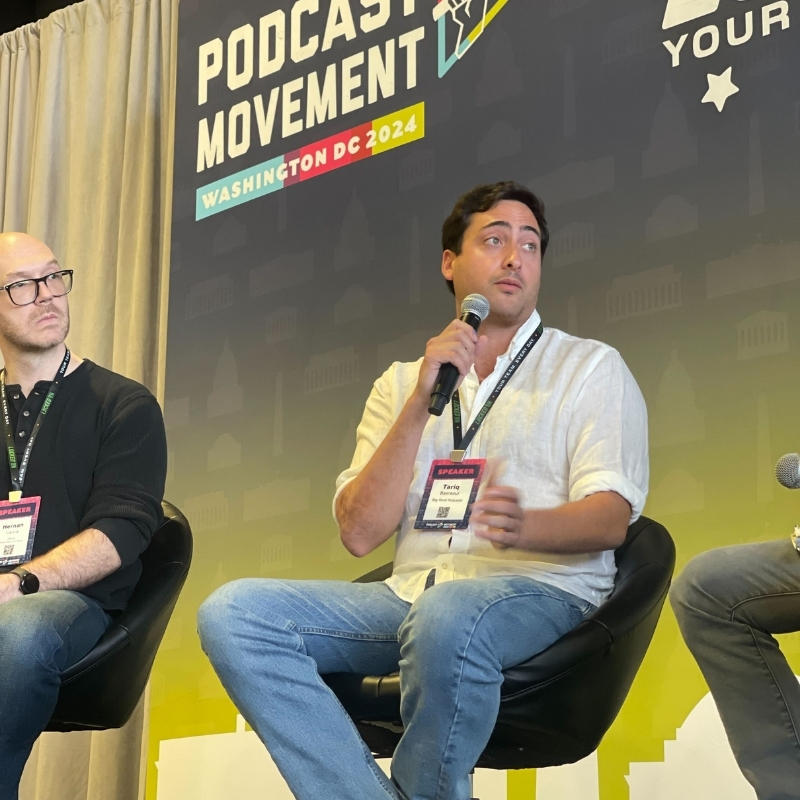
Tariq Basraoui
CEO
Tariq O’Keefe Basraoui, Co-Founder of Big Pond Podcasts, is a seasoned digital marketer and community builder with a track record of success at platforms like TikTok and Zencastr. Known for launching Zencastr’s Creator Network to over 15,000 members in 18 months, his expertise lies in growing user bases and enhancing brand engagement.
His strategic approach to growth and community engagement has established him as a leader in creating some of the fastest-growing media networks in podcasting.
