

How much should you actually pay to advertise on a podcast? Brands expect a simple number, but the reality is a wide spectrum. The truth is, there is no single rate card for the podcasting world, which reached over $4 billion in advertising revenue in the US.
Most podcast ads in 2026 cost between $15 and $50 CPM (cost per mille, or thousand listeners). The average for a standard 60-second mid-roll ad often lands near $25-$35 CPM. This means you pay that amount for every 1,000 downloads an episode gets. Our goal at Big Pond is to help brands and creators navigate this landscape to monetize and grow podcasts effectively.
How Much Do Podcast Ads Cost?
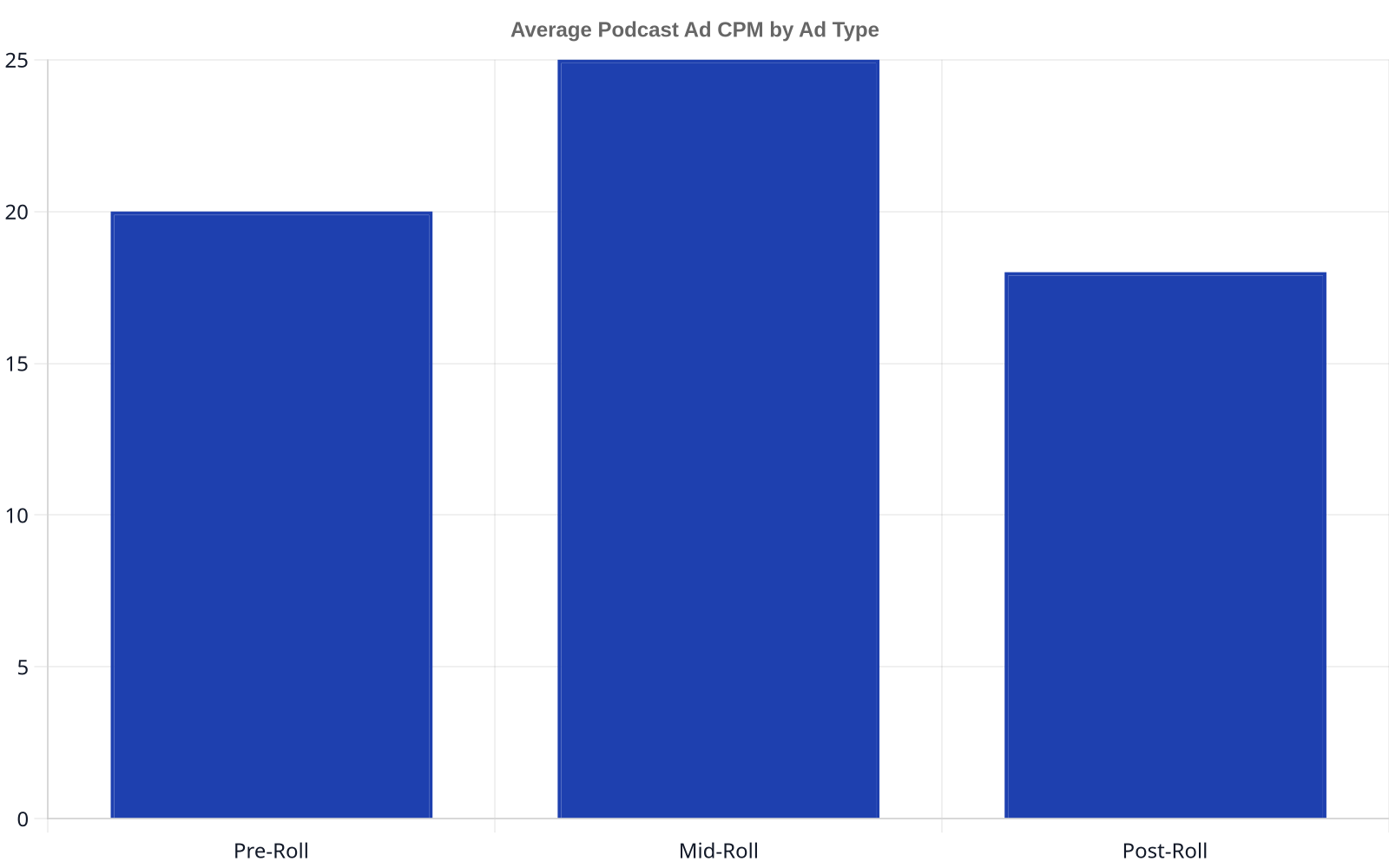
The primary pricing model for podcast advertising is CPM. It stands for “Cost Per Mille,” which is the price an advertiser pays for one thousand views or impressions of an advertisement. This is the standard for valuing ad inventory in the industry.
Here is a typical breakdown of advertising rates on podcasts based on placement and format.
| Ad Slot Type | Common CPM Range (2026) | Primary Value Driver |
|---|---|---|
| Pre-Roll (15-sec) | $15–$25 | First message listeners hear |
| Mid-Roll (60-sec) | $25–$50 | Highest listener engagement |
| Post-Roll (15-30 sec) | $10–$20 | Brand reinforcement at a lower cost |
| Host-Read Ad | Adds $5-$15 to base CPM | Host authenticity and trust |
| Programmatic Ad | $15–$25 | Scale and automated targeting |
At Big Pond, we see our network average for a 60-second ad slot at a competitive $22.35 CPM. This reflects a healthy mix of show sizes and ad formats. This blended rate demonstrates the value available within a managed network.
Factors Influencing Podcast Ad Rates
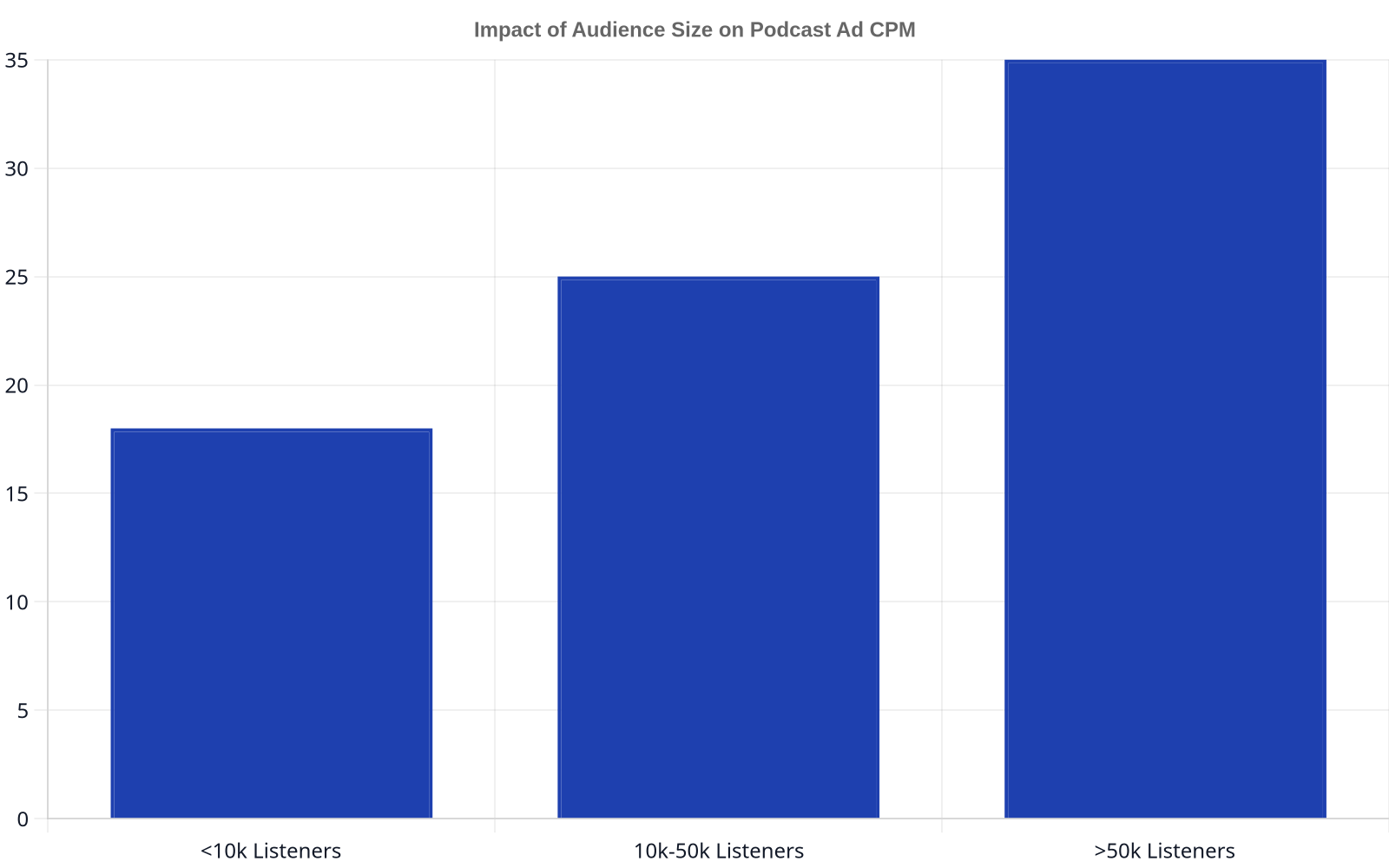
Several key variables determine the final CPM rate for a campaign. It’s never just about the number of listeners. Understanding these drivers is crucial for setting a realistic budget.
Audience Size and Engagement
A podcast with 100,000 downloads per episode will have more leverage than one with 10,000. However, a smaller show with a hyper-engaged audience that trusts the host implicitly can often deliver a higher return. The number of listeners sets the baseline, but their loyalty determines the real value.
Niche and Demographics
A general pop culture podcast has a broad audience. A podcast for enterprise CFOs has a small but extremely valuable one. Expect to pay a premium CPM for access to specialized audiences that are notoriously hard to reach through other channels.
Ad Format and Placement
As the table shows, mid-roll ads command the highest prices. Listeners are most captive in the middle of an episode. Host-read ads also add a premium, as they function as personal endorsements. Crafting effective ad copy is crucial, which is why we have a guide with some excellent podcast ad copy examples.
A host-read ad isn’t a commercial break. It’s a trusted recommendation from a voice the listener invites into their life every week.
Ad Load and Exclusivity
Shows that run fewer ads can charge more for each one. An episode with only one mid-roll ad gives that brand exclusive access to the listener’s attention. An episode cluttered with five or six ads offers a more diluted impact, and the CPM rates reflect that.
What People Forget to Budget For
Your total investment goes beyond the CPM rate. Many advertisers are surprised by ancillary costs that weren’t factored into the initial plan. Be sure to account for these items.
- Creative Production: If you want a produced ad with sound effects and music, that costs money. Even for a host-read ad, someone needs to write the script or talking points.
- Agency or Platform Fees: Working with a partner to place and manage your ads involves a fee. This often pays for itself in better rates and access. For brands looking for expert help, a podcast ad agency can streamline the entire process.
- Attribution and Tracking: Tools to measure campaign effectiveness, like those from Podsights or Chartable, are an additional subscription cost.
- Rush Fees: If you need a campaign launched within a few days, many podcasts and networks will charge a premium for the expedited service.
Sample Podcast Advertising Budgets for 2026
To make the numbers more concrete, here are three sample budgets. These illustrate how a brand might allocate funds at different investment levels. Budgets are based on a typical four-week campaign.
Tier 1: The Test Campaign ($5,000)
This budget is for dipping your toes in the water. You can target 2-3 smaller, niche podcasts with 5,000 to 10,000 listeners per episode. This would likely buy you 8-12 mid-roll ad slots, generating around 200,000 total impressions.
Tier 2: The Growth Campaign ($25,000)
Here, you can build a more sustained presence. A $25,000 budget allows for a mix of mid-tier shows (20k-50k listeners) and programmatic ads for broader reach. This level of investment can generate over 1 million impressions in a month.
Tier 3: The Scale-Up Campaign ($100,000+)
At this level, you can anchor your campaign on top-tier podcasts and buy across a wide portfolio of shows. It allows for annual commitments, deep integrations, and host-read endorsements from major creators. Working with a network of our size, with over 1,300 podcasts, makes this level of scale manageable and effective.
Don’t just buy the largest podcast you can afford. Buy the right podcast where your message will resonate most deeply with the audience.
Where You Can Cut Costs (Without Regretting It)
While you get what you pay for, there are smart ways to make your budget go further. Sacrificing quality for cost is a mistake, but optimizing your spend is just good business.
First, buy your ad slots in bulk. A single ad is a transaction; a 10-episode campaign is a partnership, and podcasters will often offer a lower CPM for that commitment. Second, consider programmatic ads for reach-oriented goals, as they are consistently more affordable than host-read spots.
Finally, don’t ignore smaller shows. A podcast with 5,000 dedicated fans can provide far more value than one with 50,000 passive listeners, and their rates will be significantly lower.
Podcast Ad Formats and Pricing Models
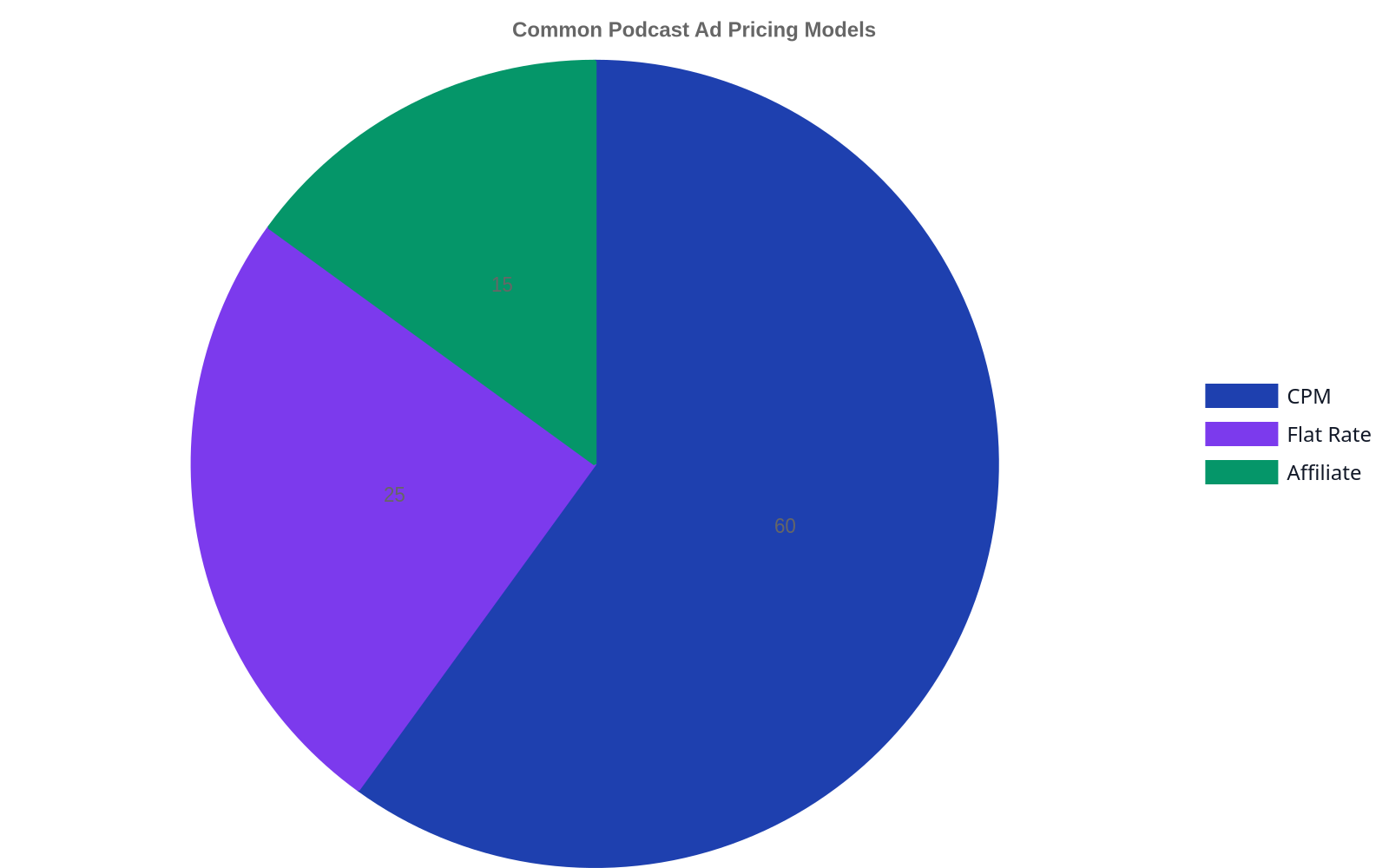
While CPM is the most common model, it isn’t the only one. Understanding the different structures helps you negotiate better deals and align the payment with your campaign goals. Each has its place in a well-rounded strategy.
- CPM (Cost Per Mille): The standard model where you pay per 1,000 downloads. It’s predictable and easy to compare across shows.
- CPA (Cost Per Acquisition): You pay the podcaster a flat fee for every listener who completes a specific action, like making a purchase. This is less common because it shifts all the risk to the creator.
- Flat Rate: A fixed price per episode or per campaign, regardless of download numbers. This is most common with smaller podcasts or for deep sponsorships beyond a simple ad read.
Exploring these different models is one aspect of keeping up with industry changes. To stay ahead, it is also useful to read about the latest podcast growth trends.
Further reading
- How Much Do Podcast Ads Cost? 2026 CPM Rates ($15–$50)
- Podcast Advertising Rates 2026: CPM Costs by Format
Frequently Asked Questions
What is a good CPM for podcast advertising?
A good CPM depends on the podcast’s niche and audience size, but a general range is $18-$25 for a standard ad slot. Highly specialized B2B or finance shows can command CPMs of $50 or more, while general entertainment shows may be lower.
How are podcast ad rates calculated?
The most common calculation is: (Total Ad Spend / Number of Impressions) x 1,000 = CPM. For example, if you pay $500 for an ad on an episode that gets 20,000 downloads, your CPM is ($500 / 20,000) x 1,000 = $25.
Are pre-roll or mid-roll ads more expensive?
Mid-roll ads are consistently more expensive than pre-roll ads. They have higher listener engagement as the audience is already invested in the content. Pre-roll ads are shorter and appear at the beginning, making them slightly less valuable.
How much does it cost to advertise on a top podcast?
Advertising on a top-100 podcast can cost anywhere from $50,000 to over $1,000,000 for a single campaign, depending on the show’s reach and the nature of the partnership. Their CPMs are often in the $40-$80 range due to massive demand.
How does podcast advertising compare to radio or social media ads?
Podcast advertising often yields higher engagement and trust than radio or social media. Studies on ad response rates show listeners are more likely to act on a podcast ad. While social media offers more precise targeting, host-read ads provide a level of endorsement that digital ads can’t match.
What is a typical podcast advertising response rate?
Response rates vary wildly based on the offer, creative, and host. However, direct response campaigns often see lift ranging from 5% to 15%. This is tracked through unique promo codes, vanity URLs, and post-campaign surveys.
What are future predictions for advertising rates on podcasts?
Experts predict that while CPMs for top-tier shows will continue to rise, the growth of programmatic advertising will provide more affordable options for advertisers. Projections show the market continuing its strong growth trajectory, indicating sustained demand and investment in the channel.
Ready to find the right audience for your brand? We can help you navigate the advertising rates on podcasts and connect you with engaged listeners across our network. Contact us to get started.
About the author
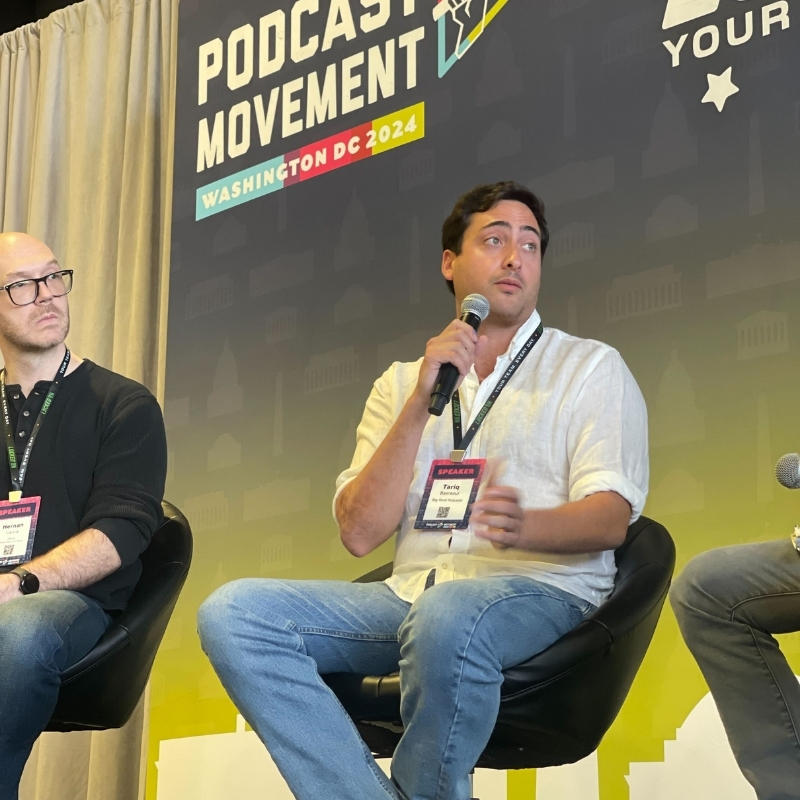
Tariq Basraoui
CEO
Tariq O’Keefe Basraoui, Co-Founder of Big Pond Podcasts, is a seasoned digital marketer and community builder with a track record of success at platforms like TikTok and Zencastr. Known for launching Zencastr’s Creator Network to over 15,000 members in 18 months, his expertise lies in growing user bases and enhancing brand engagement.
His strategic approach to growth and community engagement has established him as a leader in creating some of the fastest-growing media networks in podcasting.
