

Expecting podcast growth to follow the old rules is like trying to navigate a new city with a 10-year-old map. The streets have changed, entire new districts have appeared, and the fastest route is completely different. The core podcasting principles of great audio and compelling stories still matter, but the strategic layer on top has been completely rewritten. The most critical podcast growth trends for 2026 are the dominance of video on platforms like YouTube, the integration of AI for production, and a pivot to hyper-niche content. Creators must master new monetization models, build strong off-platform communities, and use analytics to compete. For a deeper dive into how search algorithms are evolving, explore podcast seo trends. To understand how revenue models are evolving, learn about podcast monetization trends. This playbook prioritizes authenticity and direct engagement over passive listenership. To fully grasp these shifts, delve into podcast trends 2026.
The Unstoppable Rise of the Video Podcast
Video is no longer an optional add-on for podcasters; it’s becoming the default discovery format for millions. If your show is still audio-only, you are becoming invisible to a huge segment of potential listeners. According to a 2026 Podbean report, over half of Americans (51%) have watched a video podcast at least once, and the habit is deeply ingrained in younger audiences.
Why YouTube is the New Center of Gravity
YouTube is not just a video platform; it has aggressively positioned itself as a primary podcast destination. The platform reported 1 billion monthly podcast viewers in early 2025, and its recommendation algorithm is a powerful growth engine. For Gen Z consumers, video isn’t optional; data shows that only 10% of this group never watch video podcasts. Uploading a full video episode to YouTube isn’t just repurposing; it’s a core distribution strategy that opens your show up to a massive, actively engaged audience, as seen in this podcast growth case study.
From Static Images to Dynamic Visuals
A common mistake is treating video as an afterthought. Simply putting a static image over your audio file for YouTube is a missed opportunity. Listeners who choose video expect more. This doesn’t mean you need a Hollywood-level production. It can be a well-lit shot of the hosts, integrated B-roll, or even dynamic audiograms and chapter markers. The key is providing a visual experience that justifies the viewer’s choice of platform, a topic we explore in our guide to integrating visual storytelling.
AI’s Role in Production and Discovery
Artificial intelligence is rapidly moving from a novelty to a necessity in the podcasting workflow. AI tools can now handle tasks that once required hours of manual labor or specialized skills, from audio cleanup to content generation. This allows creators to focus more on what they do best: creating.
Streamlining the Editing Process
Tools like Descript and Adobe Podcast have transformed audio editing. They can automatically remove filler words (“ums” and “ahs”), enhance microphone quality to sound like it was recorded in a studio, and even generate transcripts for editing the audio by editing the text. This dramatically lowers the barrier to entry for producing high-quality sound. At Big Pond, we see this firsthand across the 1300+ podcasts we work with, where faster editing cycles lead to more consistent publishing schedules.
Ethical AI and Content Integrity
The rise of AI also introduces critical ethical questions. The ability to clone a host’s voice for ad reads or generate entire segments of content creates a risk of deepfakes and misinformation. A 2023 a majority of Americans are more concerned than excited about AI in daily life. Creators must be transparent with their audience about how they use AI. Disclosing AI-generated content and ensuring human oversight are essential for maintaining the trust that makes podcasting so powerful.
The most successful podcasts aren’t just broadcasting to an audience; they are organizing a community. The engagement happens long after the episode ends.
The Trajectory of Podcast Listenership: Current State and Future Projections
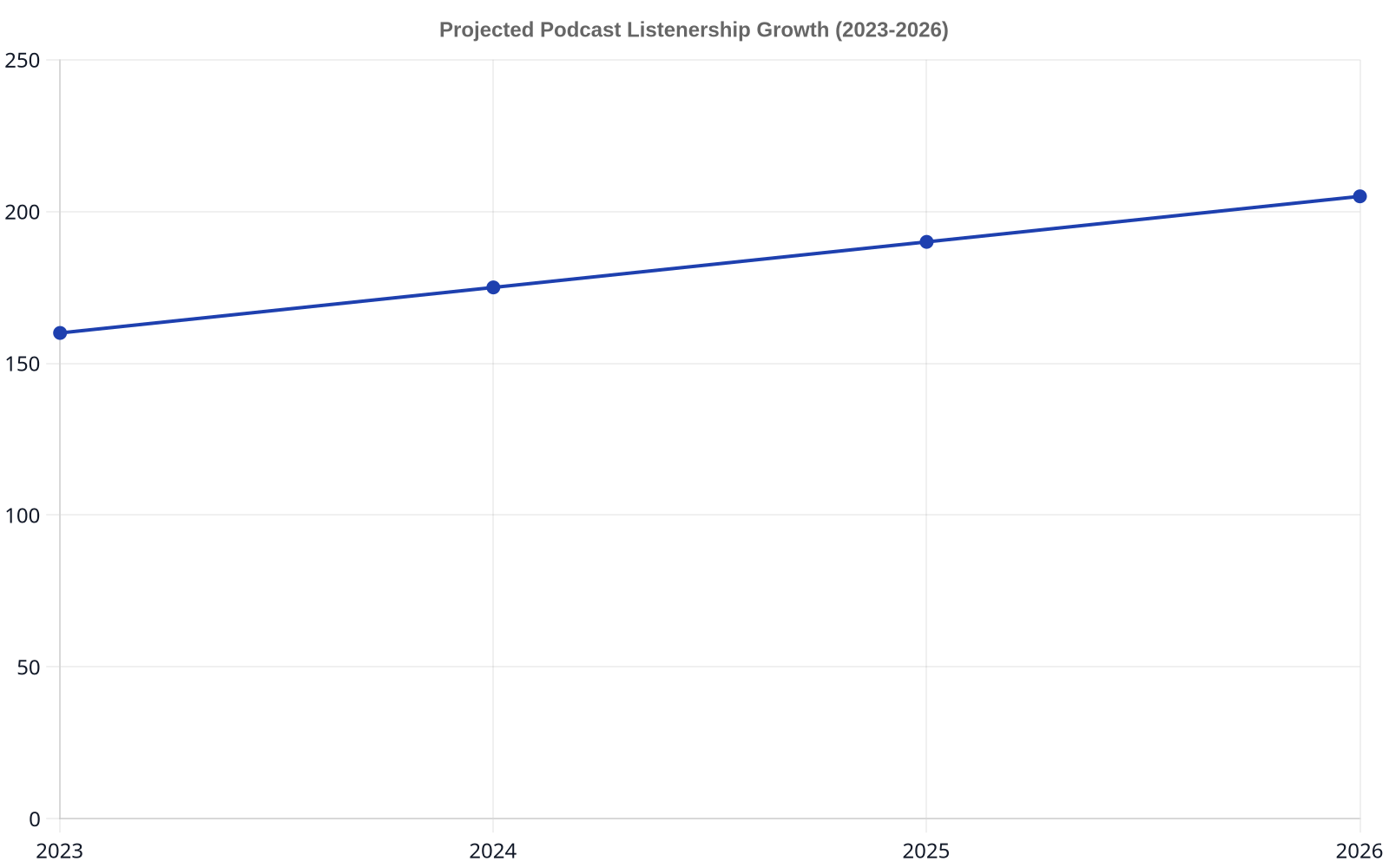
The podcast audience continues to expand, becoming more diverse and mainstream. An iHeartMedia article notes that podcasts have become a major cultural force, stating, “Podcasts are your next Netflix binge, they’re taking over awards shows, influencing elections, and at the center of major cultural moments.” This growth presents a massive opportunity for creators who understand the evolving demographics and consumption habits of the audience.
Monetization Evolution: From Ads to Subscriptions and Beyond
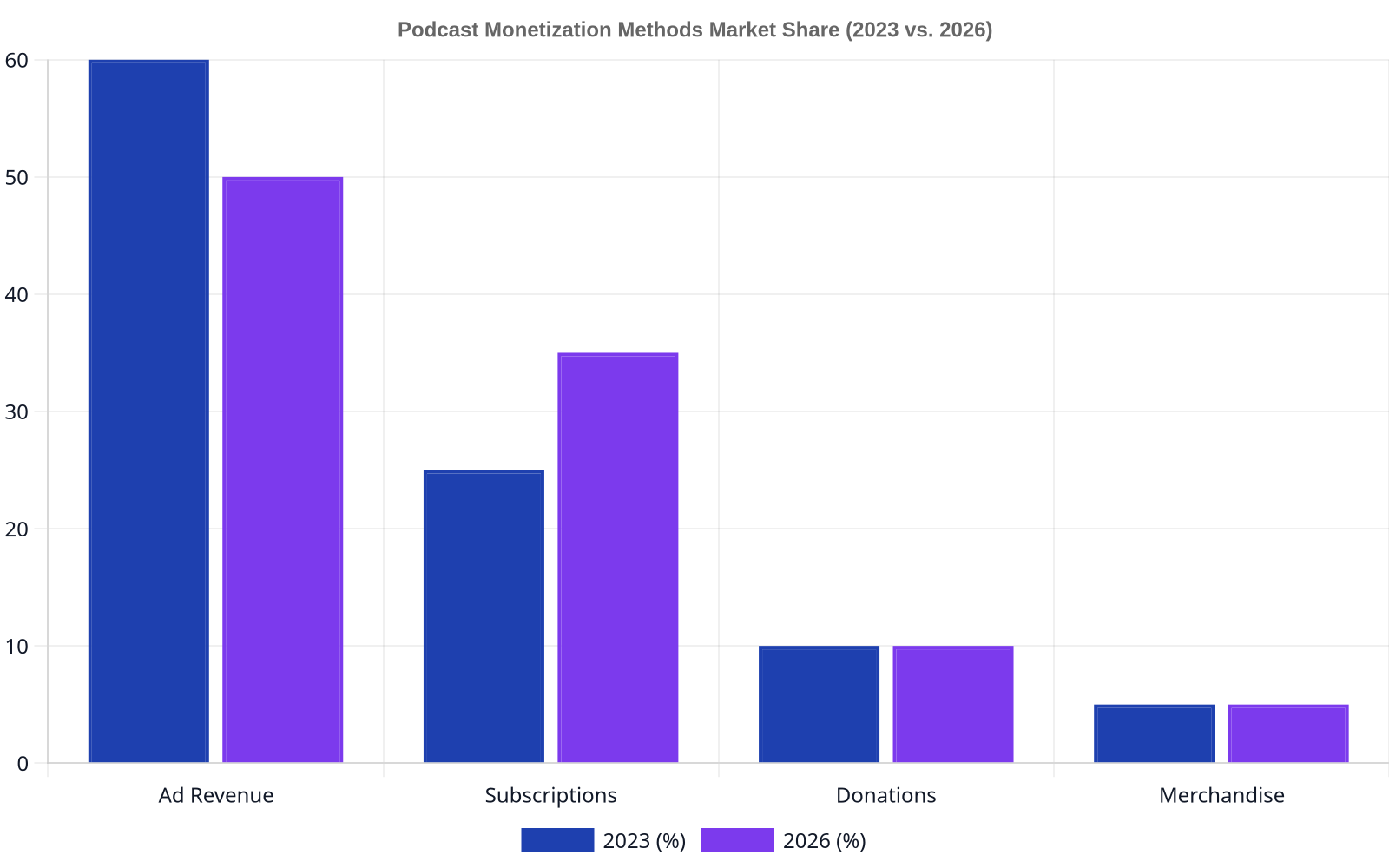
The ways podcasts make money are becoming more sophisticated. While advertising remains a primary revenue source, relying solely on pre-roll and mid-roll ads is a limited strategy. The future of podcast monetization is diversified, giving creators more control and stability. At Big Pond, our core mission is to help creators monetize and grow podcasts through these evolving models.
The Shift to Direct Support
Platforms like Patreon and Supercast have normalized the idea of listeners paying directly for content they love. This can take the form of ad-free episodes, bonus content, early access, or exclusive community features. This model creates a direct financial relationship with your most dedicated fans, providing a predictable revenue stream that isn’t dependent on audience size alone. A report from Graphtreon shows consistent growth in creator earnings on Patreon, underscoring the viability of direct fan support.
Building a Monetization Ladder
Smart creators build a “monetization ladder” that offers multiple ways for listeners to provide support at different levels of commitment. This creates a sustainable business model that doesn’t rely on a single income stream. Looking at some examples of great ad copy shows how even advertising can be integrated more naturally to preserve the listener relationship, a key part of the monetization mix.
Comparison: Traditional vs. Modern Podcast Monetization
| Method | How It Works | Best For | Key Challenge |
|---|---|---|---|
| Baked-in Host-Read Ads | Host reads an ad that is permanently part of the audio file. | Shows with a strong host-listener trust and evergreen content. | Ads can become outdated; no ability to target specific listener segments. |
| Dynamic Ad Insertion (DAI) | Ads are inserted into episodes at the time of download, allowing for targeting. | Shows with large, diverse audiences and timely content needs. | Can feel less personal if not implemented carefully; requires more tech. |
| Listener Subscriptions | Fans pay a recurring fee for premium content (bonus episodes, ad-free feed). | Shows with a deeply engaged, loyal community. | Requires consistent delivery of valuable premium content to avoid churn. |
| Affiliate Marketing | Host promotes a product/service with a unique code/link; earns a commission on sales. | Creators who genuinely use and can vouch for specific products. | Income can be unpredictable; depends on audience conversion. |
| Selling Direct Products | Creator sells their own products, like courses, merchandise, or books. | Established creators with a strong brand and proven expertise. | Requires significant effort outside of podcast production (e.g., e-commerce, fulfillment). |
Platform Wars: YouTube’s Gravity and Distribution Shifts
While Apple Podcasts and Spotify are still giants, YouTube’s gravitational pull is reshaping how people find and consume podcasts. This doesn’t mean abandoning traditional podcast apps, but it requires a multi-platform strategy. Around 70% of all podcast consumers use YouTube to engage with podcasts in some way, making it impossible to ignore.
The Algorithm as Your Ally
Success on YouTube requires understanding its algorithm. Titles, thumbnails, and descriptions are no longer just metadata; they are critical marketing assets. A compelling thumbnail can be the difference between a listener scrolling past or clicking on your episode. Treating your YouTube presence with the same strategic rigor as your audio feed is fundamental to growth in 2026.
Owning Your Audience Relationship
With platforms constantly changing their rules, the most durable asset you can build is a direct connection with your audience. This means encouraging listeners to join your email newsletter, a Discord server, or another community platform you control. This owned channel is immune to algorithm changes and ensures you can always reach your core supporters.
Stop thinking about your podcast as an audio file. In 2026, it’s a media franchise, and your RSS feed is just one of many distribution points.
Content Trends: What’s Hot and What’s Next
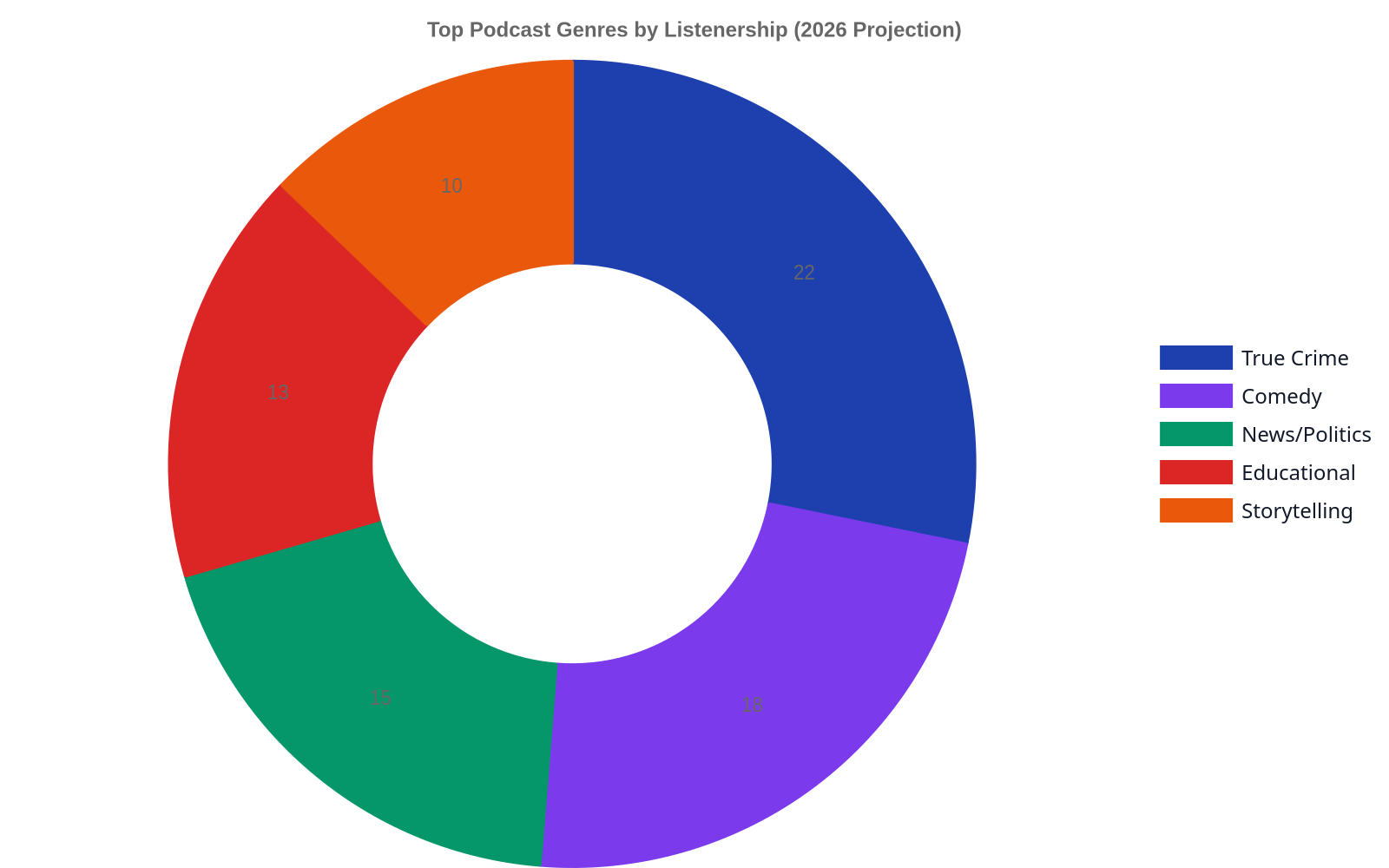
As the podcasting space matures, hyper-niche content is consistently outperforming broad, general-interest shows. It’s better to have 1,000 true fans of a show about vintage fountain pens than 100,000 casual listeners of another generic interview show. Specificity builds loyalty and creates a “moat” around your content that is difficult for others to replicate.
The Power of the Hyper-Niche
Consider shows like The Pen Addict (focused on pens and stationery) or 99% Invisible (which started with a tight focus on design and architecture). They built deeply loyal audiences by going deep into a specific topic. This allows for highly relevant monetization opportunities, from targeted affiliate deals to creating products for a dedicated community. This trend is a core part of what we see in shifting to niche formats.
Branded Podcasts as Content Marketing
More brands are recognizing the power of podcasts for content marketing, moving away from direct sales pitches to building authentic shows that provide real value. We’ve worked with companies like Airbnb to connect with creators who can build these kinds of authentic narratives. The key is for the brand to create a show that people would want to listen to even if it weren’t branded, building trust and affinity that a traditional ad can’t match.
Building Your Moat: Community and Authenticity
In a crowded market, authenticity is your greatest differentiator. Listeners subscribe to podcasts because they connect with the host’s personality and perspective. This trust is the foundation of community and monetization.
5 Steps to Build an Off-Platform Community
- Choose the Right Platform: Decide where your ideal listeners gather. This could be Discord, a Facebook Group, Slack, or a dedicated forum on your website.
- Create a Clear Call to Action: At the end of every episode, give listeners a single, compelling reason to join. Offer exclusive Q&As, behind-the-scenes content, or simply a place to discuss the episode.
- Engage Actively: Don’t just set up the community and walk away. Participate in discussions, ask questions, and make members feel seen and heard.
- Empower Superfans: Identify your most active community members and give them a special role or title. They can become powerful ambassadors for your show.
- Bridge On and Off-Platform Content: Mention community discussions in your podcast episodes and post episode-related content in the community. This creates a virtuous cycle of engagement.
Further reading
FAQ
Is it too late to start a podcast in 2026?
No, but you must have a specific strategy. The market for generic interview shows is saturated. Success in 2026 requires a clear, niche topic, a plan for video distribution, and a strategy to build a community around your content from day one.
Do I have to do a video podcast to succeed?
It is strongly recommended for discoverability and audience growth, especially with younger demographics. While high-quality, audio-only shows can still succeed, ignoring video means ignoring the largest podcast discovery platform, YouTube. You can start small with a simple single-camera setup.
How is AI changing podcast advertising?
AI is making ad targeting much more sophisticated through Dynamic Ad Insertion (DAI). It also enables new possibilities like cloning a host’s voice for quick ad updates (with ethical considerations). For brands, AI helps analyze podcast transcripts at scale to find relevant content for ad placements.
What’s more important: a large audience or a niche audience?
A niche audience is almost always more valuable. A smaller, highly engaged audience in a specific vertical is more attractive to advertisers, more likely to support you directly through subscriptions, and more likely to become true fans who evangelize your show. Engagement is more important than raw download numbers.
How much does it cost to start a podcast in 2026?
The cost can range from under $100 to thousands of dollars. You can start with a quality USB microphone like the Audio-Technica AT2020 ($150) and free editing software like Audacity. A more professional setup with multiple XLR mics, an audio interface, and a video camera could cost $1,000 or more. The key is to start with good audio quality.
At Big Pond, we believe the future of podcasting is bright for creators who are willing to adapt. These podcast growth trends for 2026 show a clear path forward. By embracing video, thoughtfully integrating AI, focusing on a niche, and building a true community, you can build a thriving media brand. If you’re ready to take the next step, get in touch with our team.
About the author
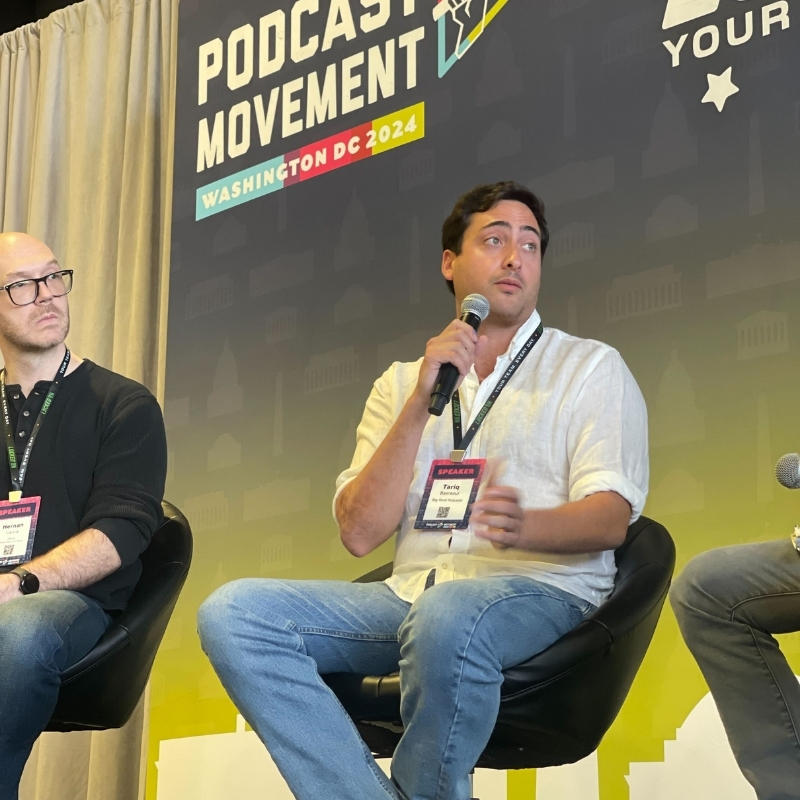
Tariq Basraoui
CEO
Tariq O’Keefe Basraoui, Co-Founder of Big Pond Podcasts, is a seasoned digital marketer and community builder with a track record of success at platforms like TikTok and Zencastr. Known for launching Zencastr’s Creator Network to over 15,000 members in 18 months, his expertise lies in growing user bases and enhancing brand engagement.
His strategic approach to growth and community engagement has established him as a leader in creating some of the fastest-growing media networks in podcasting.
