

Forget CPMs: The Real Future of Podcast Monetization in 2026 is Direct Ownership
Everyone is still chasing CPMs. They’re tweaking ad placements and fighting for a bigger slice of a shrinking programmatic pie. But focusing on ad rates alone is a losing game. The most critical podcast monetization trends for 2026 involve a fundamental shift from renting audiences through ad networks to owning the relationship with your listeners. Success will come from building authentic, omnichannel brands that embrace video, hyper-targeted B2B strategies, and direct creator-to-audience revenue streams. If your monetization plan relies solely on programmatic ads, you’re already falling behind. By 2026, podcast listenership is projected to reach 500 million monthly, with ad revenue hitting $5 billion, as shown by podcast statistics 2026. For a deeper dive into the future, explore podcast trends 2026.
The Evolving Landscape of Podcast Advertising
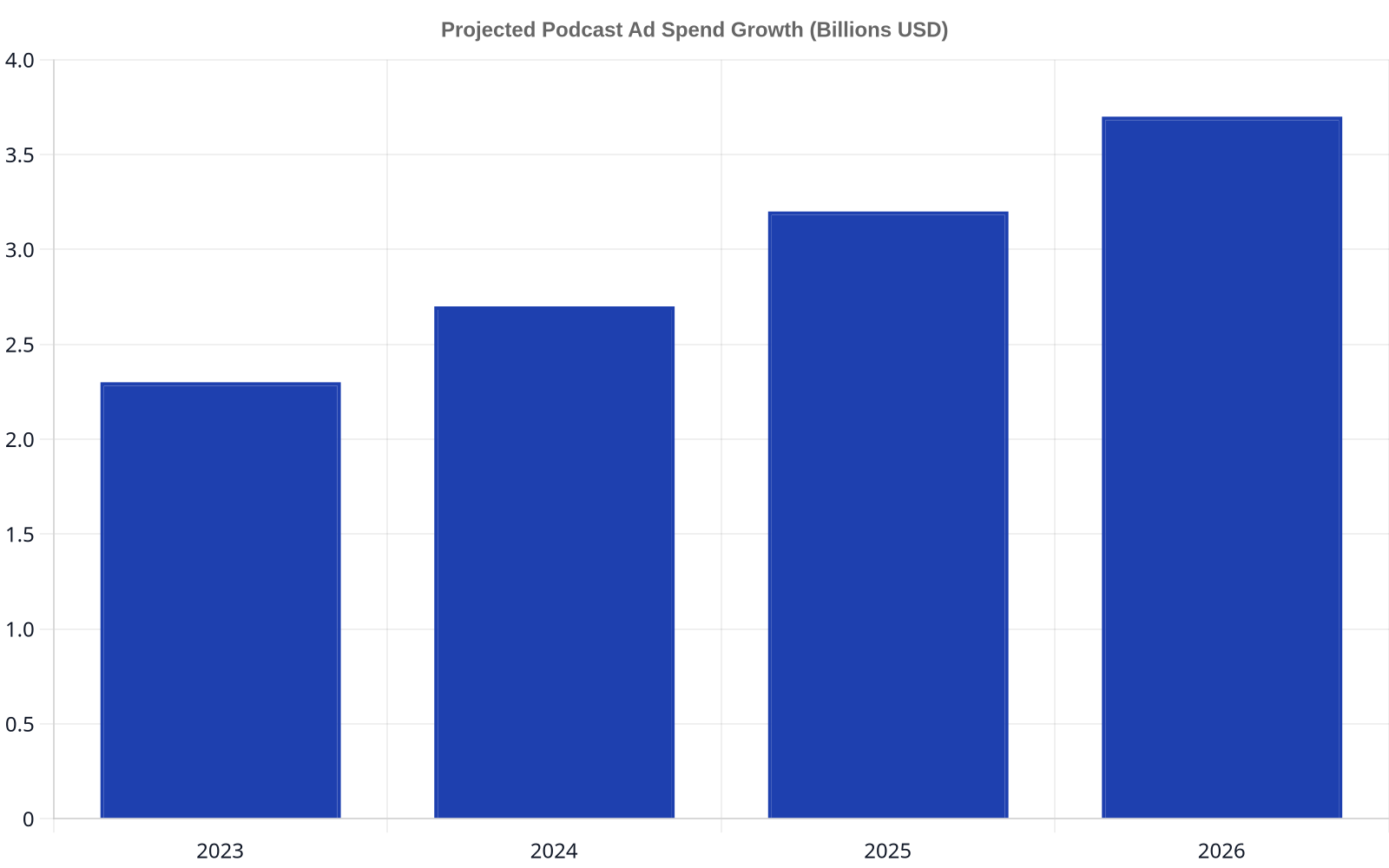
Podcast advertising isn’t dead, but its center of gravity has moved. The old model of simply racking up downloads and cashing checks from a faceless network is over. While our network sees a healthy average 60-second CPM, relying only on this is a mistake. The smart money is moving toward authenticity and precision.
Host-read ads continue to outperform because they are built on trust. Listeners have a direct relationship with the host, not the ad network. However, the next evolution is integrating this trust with data. AI-driven campaigns can now deliver host-read ads to specific listener segments, combining the authenticity of a personal recommendation with the targeting of digital marketing. This is a far cry from generic, low-engagement programmatic ads that often feel jarring to the listener experience.
The Rise of Video and Omnichannel Content
If your podcast is still audio-only, you are invisible to a massive audience segment. According to recent data, 51% of Americans age 12+ have watched a podcast. Furthermore, YouTube now boasts more than 1 billion monthly active viewers of podcast content. Ignoring video is no longer an option.
Creating a video version of your podcast doesn’t just open up YouTube’s monetization tools; it transforms your show into an omnichannel brand. Clips from your video podcast can become short-form content for TikTok, Instagram Reels, and YouTube Shorts. These clips act as discovery engines, driving new listeners and viewers back to your long-form content. This ecosystem allows you to monetize not just the episode itself, but the entire content funnel you build around it. For more on this, check out our guide on how to diversify podcast income.
The B2B Podcasting Goldmine
Consumer-focused podcasts get all the headlines, but B2B podcasting is a quieter, often more lucrative, world. Instead of chasing millions of listeners, a successful B2B podcast might target a few thousand key decision-makers in a specific industry. The value here isn’t in mass-market ad buys; it’s in lead generation and client acquisition.
A company that sells enterprise software can create a podcast interviewing industry leaders. The show builds authority, establishes trust, and generates highly qualified leads. The monetization isn’t a $20 CPM ad; it’s a $100,000 software contract that resulted from a relationship nurtured by the podcast. This is a direct monetization strategy that bypasses ad networks entirely and provides immense value. For other ways to earn, explore podcast monetization methods beyond ads.
Stop thinking about monetization as a simple CPM game. That race to the bottom is over. Anyone still playing it is already behind.
Diversifying Revenue Streams Beyond Ads
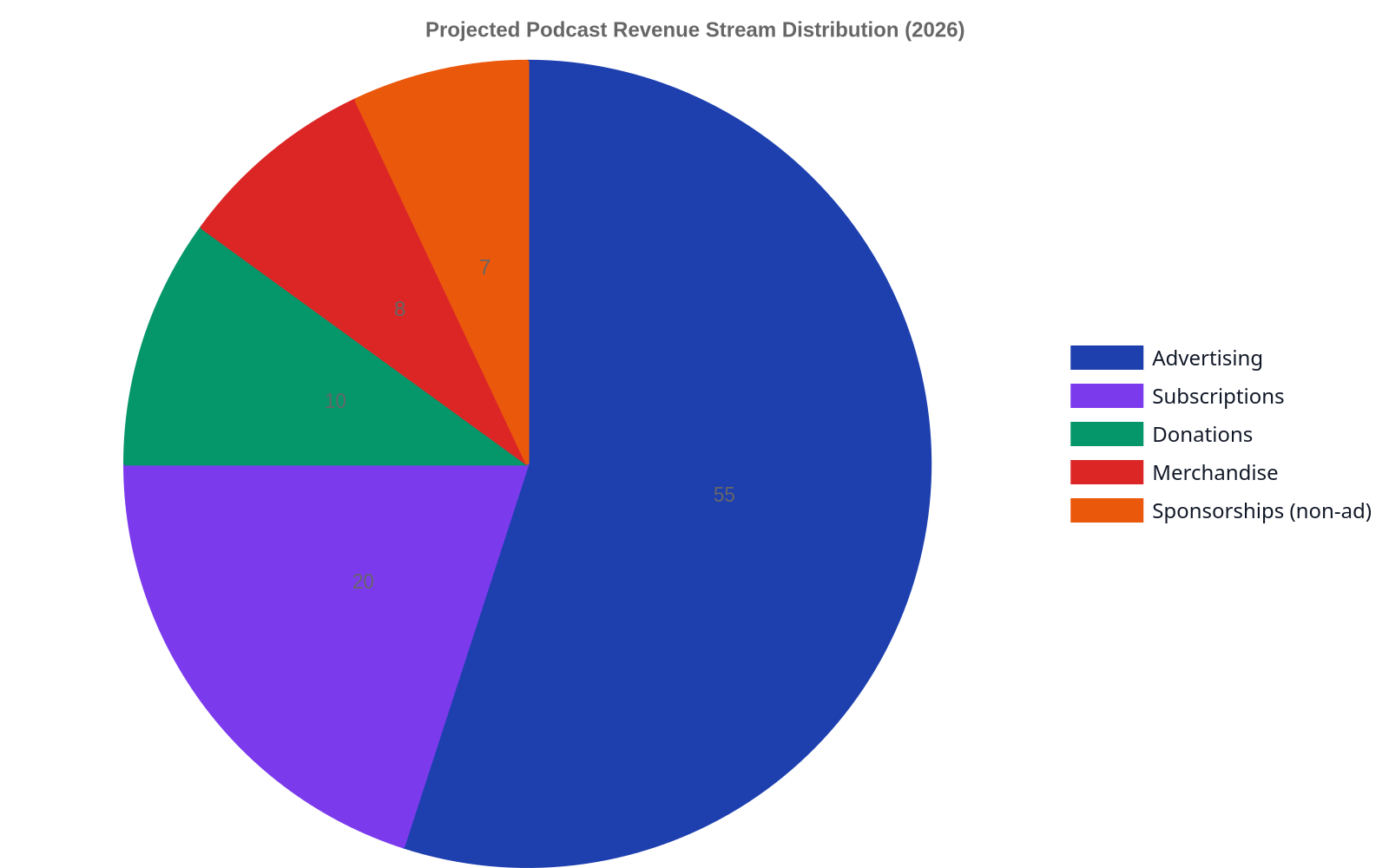
The most resilient podcasters don’t have one income stream; they have many. The creator-to-audience economy is the single most powerful trend for 2026. This means moving listeners off rented platforms (like Spotify or Apple Podcasts) and onto platforms you own, like an email list or a private community.
Once you have that direct line of communication, the possibilities are endless:
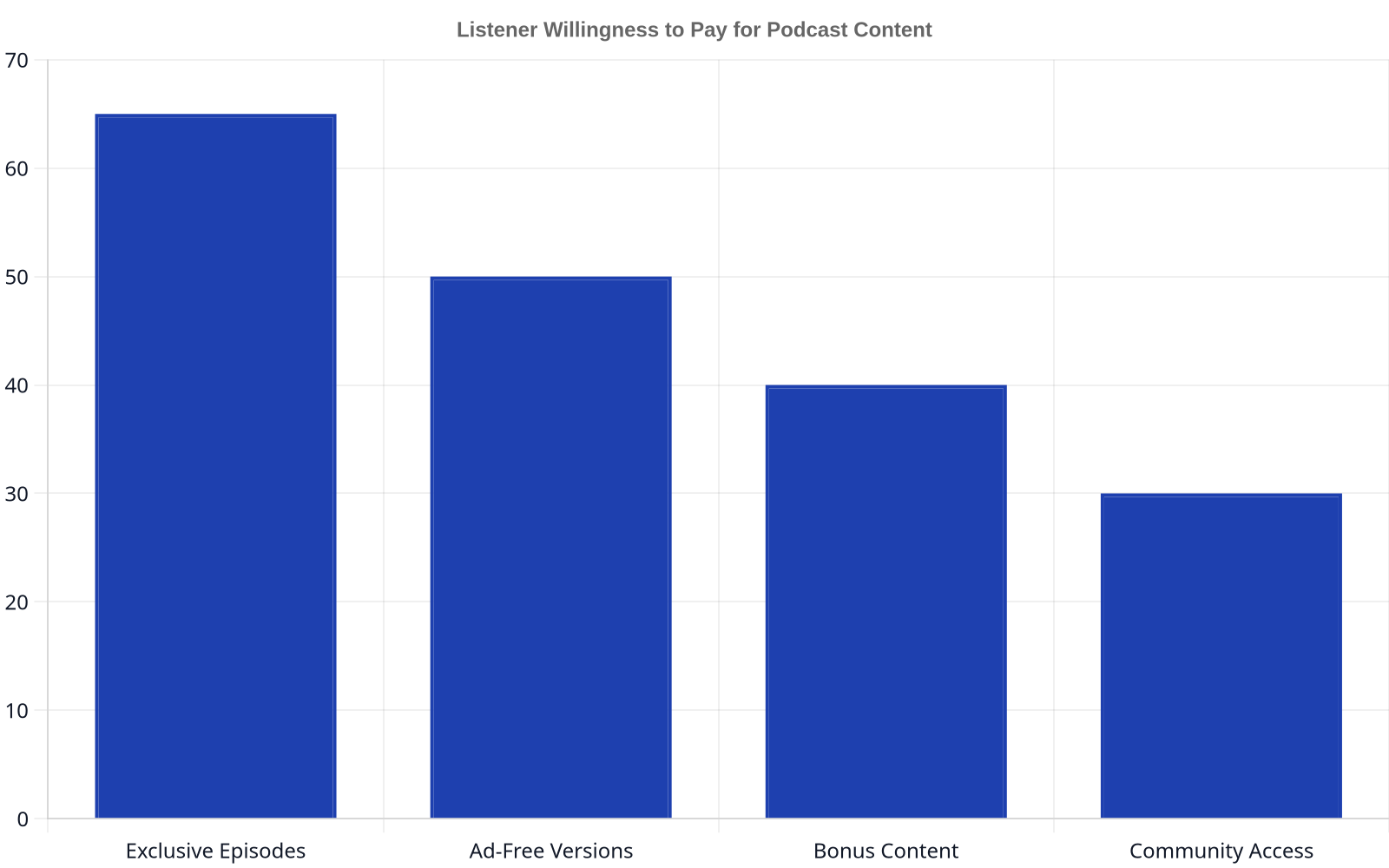
- Premium Subscriptions: Offer ad-free streams, bonus episodes, or early access for a monthly fee through platforms like Patreon or directly on your site.
- Exclusive Content: Sell access to deep-dive interviews, AMA sessions with the host, or behind-the-scenes content.
- Community Access: Charge for entry into a private Slack, Discord, or Circle community where listeners can connect with each other and the host.
We work with over 1,300+ podcasts, and the ones with the most sustainable growth are those who have built and monetized their own communities. For more on this, see our article on integrating brands into your podcast.
The Rise of Creator-Audience Engagement Models
Ultimately, all these trends point to one thing: owning your audience. Platform dependency is the biggest risk to a creator’s business. When an algorithm changes or a platform pivots, your entire audience can disappear overnight.
Building an email list is non-negotiable. It’s the only communication channel that you fully control. Every episode should have a call-to-action that encourages listeners to sign up. Whether you offer a free guide, a checklist, or entry into a giveaway, the goal is to convert a transient listener into a permanent part of your audience.
This is where authenticity becomes a financial asset. An audience that trusts you is far more likely to support you directly. A 2023 report from PwC highlights that trust in brands is fragile, and authentic media personalities have a distinct advantage. That trust is what you cash in when you ask for a subscription, sell a course, or launch a product.
FAQ
What is the most important podcast monetization trend for 2026?
Direct creator-to-audience monetization is the most critical trend. This includes subscriptions, premium content, and community memberships, which create more stable revenue streams than relying solely on advertising.
Is podcast advertising going away?
No, but it’s changing. The focus is shifting from broad programmatic ads to hyper-targeted, AI-driven host-read ads. Authenticity and trust are key, making host-read endorsements more valuable than ever, as noted by sources.
Why is video so important for podcasters now?
Video is crucial because a huge portion of the audience prefers to watch podcasts. Platforms like YouTube offer massive discovery and monetization potential that audio-only podcasts miss out on.
How can a small podcast start monetizing?
Smaller podcasts should focus on building a tight-knit community and offering direct support options like a Patreon or a ‘buy me a coffee’ link. They can also pursue niche-specific affiliate marketing or create a single, valuable digital product related to their content.
What is B2B podcasting?
B2B (business-to-business) podcasting targets a professional audience in a specific industry. Its primary goal is often lead generation, building professional authority, and client acquisition, which can be far more valuable than traditional ad revenue.
How do I own my audience?
The most effective way to own your audience is by building an email list. By persuading listeners to sign up, you create a direct line of communication that isn’t dependent on podcast platforms or social media algorithms. This is the foundation for direct monetization.
About the author
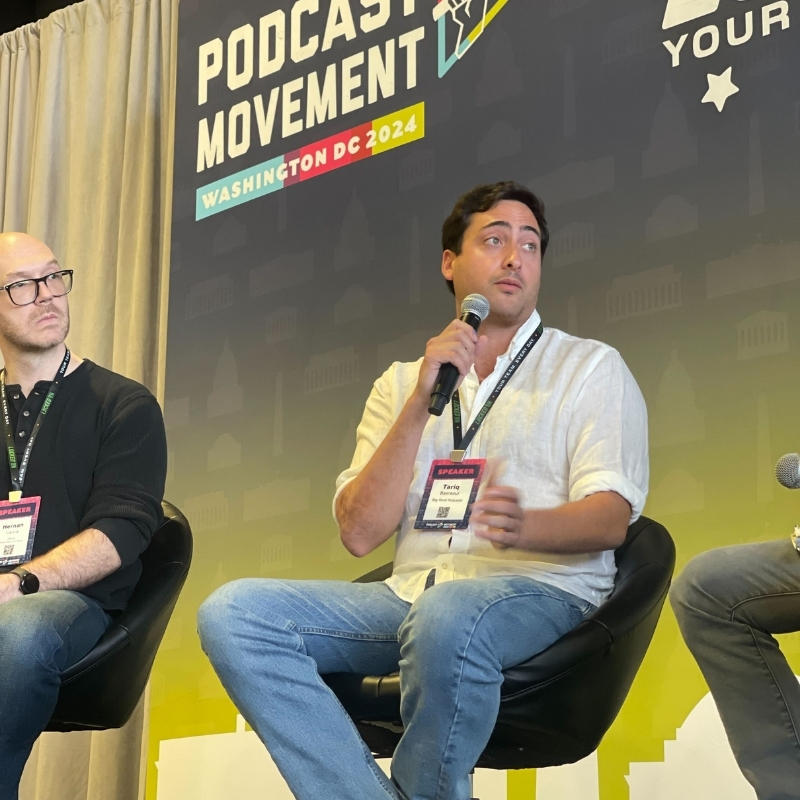
Tariq Basraoui
CEO
Tariq O’Keefe Basraoui, Co-Founder of Big Pond Podcasts, is a seasoned digital marketer and community builder with a track record of success at platforms like TikTok and Zencastr. Known for launching Zencastr’s Creator Network, his expertise lies in growing user bases and enhancing brand engagement.
His strategic approach to growth and community engagement has established him as a leader in creating some of the fastest-growing media networks in podcasting.
