

Stop waiting for a million downloads. You can monetize your podcast with 1,000, 500, or even 100 dedicated listeners if you use the right strategy. The best podcast monetization methods for creators involve a mix of direct and indirect revenue streams, such as listener subscriptions, affiliate marketing, and targeted advertising. Focusing solely on ad CPMs is a mistake; building a direct relationship with your audience through value-added content creates more sustainable income paths long-term. This guide breaks down the methods that work.
How We Ranked These Methods
This isn’t a random list. We ranked these podcast monetization methods based on a weighted analysis of three factors: revenue potential for small-to-midsize podcasts (under 50,000 downloads per episode), listener experience impact, and setup complexity. We consulted data from our own network, reviewed creator feedback on platforms like Patreon and Buzzsprout, and incorporated findings from the latest IAB U.S. Podcast Advertising Revenue Study to provide a realistic hierarchy. We want to show you how to monetize your podcast, not just chase vanity metrics.
Top Podcast Monetization Methods
| Sponsorships | Listener Support | Premium Content | Affiliate Marketing | Merchandise Sales | Live Events | |
|---|---|---|---|---|---|---|
| Mechanism | Ad reads, brand deals | Donations, Patreon, memberships | Exclusive content, ad-free | Product promotion, commission | Branded physical/digital goods | Ticket sales, experiences |
| Ideal For | Established shows with audience data | Community-focused podcasts | Dedicated fanbases | Niche audiences, product reviews | Strong brand identity, loyal fans | Engaged local/global audience |
| Setup Effort | High (finding sponsors, negotiating) | Medium (platform setup, promoting) | Medium (content creation, platform) | Low (joining programs, integrating links) | Medium (design, production, fulfillment) | High (planning, logistics, promotion) |
| Revenue Potential | High (scalable with audience) | Medium (consistent, but capped) | High (value-driven, scalable) | Medium (performance-based) | Medium (per-item profit) | High (event-specific) |
1. Sponsorships and Advertisements
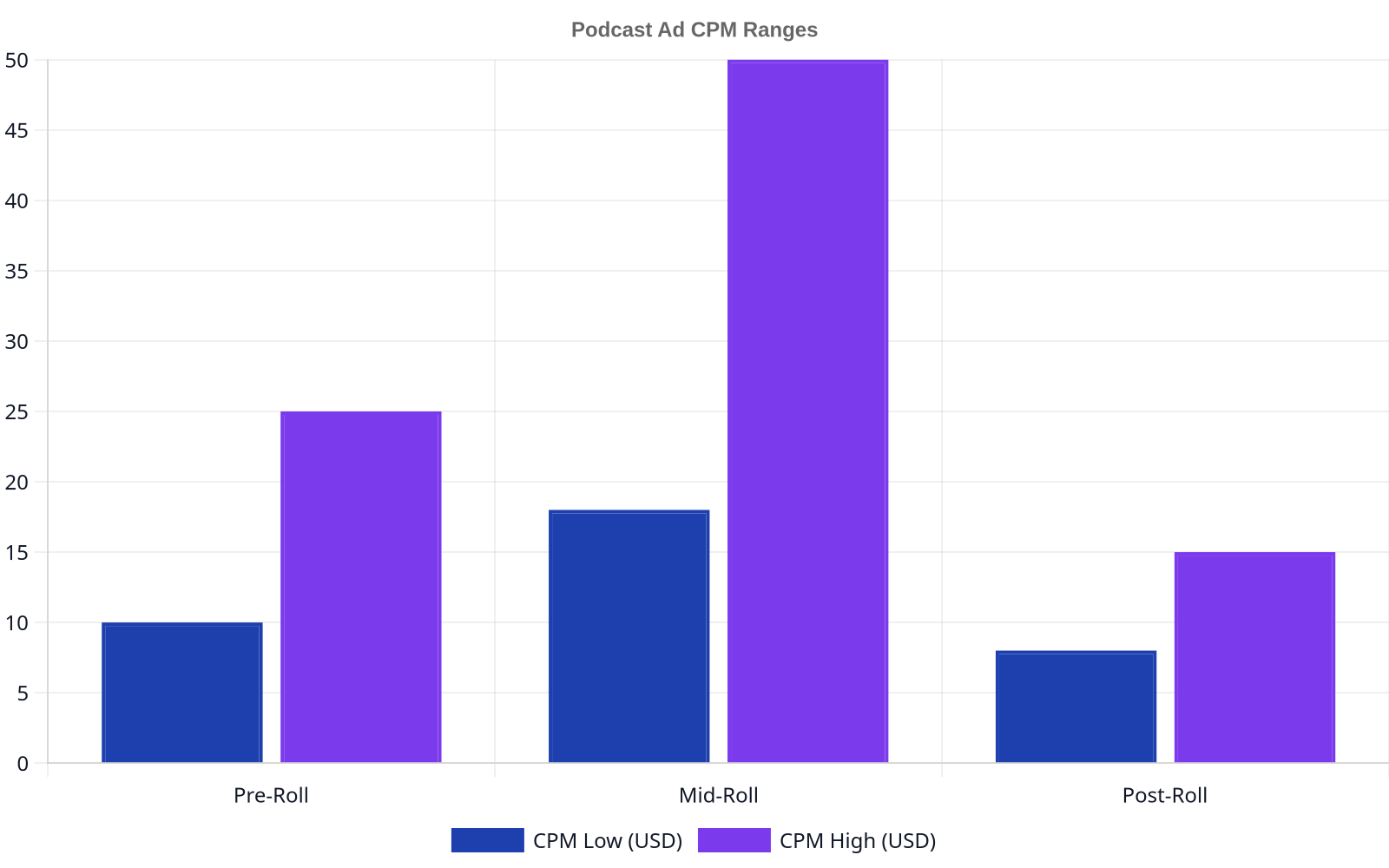
This is the most well-known podcast monetization method. A brand pays you to advertise their product or service on your show. These can be host-read ads, where you personally endorse a product, or dynamically inserted ads placed by a network.
At Big Pond Podcasts, we specialize in securing podcast sponsorships for our creators, connecting them with brands that align with their audience. The key is finding the right fit, which makes the ad feel less like an interruption and more like a genuine recommendation. For shows with a dedicated niche audience, sponsorships can be lucrative even without massive download numbers.
- Best for: Podcasts with a clearly defined niche and a loyal audience of 1,000+ listeners.
- Watch out for: Poorly matched sponsors can alienate your audience and damage your credibility.
- Statistic: Podcast ad spending is projected to reach $4 billion in 2025.

2. Listener Subscriptions and Memberships
Why rent your audience to advertisers when you can build a direct relationship? Platforms like Patreon, Memberful, or even Spotify for Podcasters’ subscription tools allow you to offer premium content for a monthly fee. This creates a predictable, recurring revenue stream.
This model works because you’re not selling ads; you’re selling more of what your listeners already love. Successful subscriptions often include bonus episodes, ad-free listening, early access to content, or exclusive community access. We help creators design subscription tiers that offer real value, which is one of the core ways we help you monetize and grow your podcast.
- Best for: Creators with a strong community and the ability to produce exclusive bonus content.
- Watch out for: Requires consistent delivery of premium value to prevent subscriber churn.
- Statistic: A 100 dedicated fans paying $5/month could generate a stable $500 monthly income, often surpassing early-stage ad revenue.
Don’t just ask for support. Offer tangible value that makes a subscription feel like a backstage pass, not a donation jar.
3. Affiliate Marketing
Affiliate marketing is a performance-based way to earn money. You promote a product or service using a unique link or promo code, and you earn a commission for every sale generated through your referral. It’s a lower-stakes entry point than direct sponsorships.
Unlike ads, you can often choose the exact products you want to promote. This makes it easier to maintain authenticity. The key is to recommend products you genuinely use and believe in. For example, a tech podcast could become an affiliate for a specific microphone or software, like Descript or Riverside.fm.
- Best for: Shows that focus on specific products, services, or interests where natural recommendations are possible.
- Watch out for: Low commission rates on some products mean you need significant volume to generate substantial income. Always disclose your affiliate relationships to your audience to maintain trust.
- Statistic: The affiliate marketing industry is valued at over $17 billion as of 2023.

4. Selling Your Own Products or Services
Your podcast is the ultimate top-of-funnel marketing tool. It builds trust and authority at scale. Use that authority to sell your own products or services, such as online courses, coaching sessions, ebooks, or consulting.
This is often the most profitable of all podcast monetization methods for creators because you keep 100% of the revenue. For example, a podcast about financial planning could lead listeners to a paid financial literacy course. Your content proves your expertise, and the product provides the solution. This is a monetization method that can truly grow with your brand; for more details on this you should look into how to choose a platform that will support your goals in the long run. We have more information on choose a podcast platform.
- Best for: Experts, coaches, consultants, and educators who have a skill or knowledge base to sell.
- Watch out for: Requires having a high-quality product or service ready to sell; the podcast becomes your marketing channel, not the product itself.
- Statistic: A creator with 10,000 listeners selling a $100 digital product with a 1% conversion rate could earn $10,000 from a single episode mention.
5. Merchandise Sales
Selling merchandise turns your listeners into walking billboards for your show. T-shirts, mugs, stickers, and hats with your podcast’s logo, inside jokes, or catchphrases can create a strong sense of community. It also provides a physical connection to your digital brand.
Services like Printful or Teespring handle the production and shipping, so you don’t need to manage inventory. You simply create the designs and promote them to your audience. Merch is more than just a revenue stream; it’s a way to deepen your relationship with your most passionate fans.
- Best for: Podcasts with a strong brand identity, inside jokes, and a highly engaged community.
- Watch out for: Margins are often slim, so this is typically a supplementary income source rather than a primary one.
- Statistic: The global custom T-shirt printing market is expected to reach $7.57 billion by 2028, reflecting a massive appetite for personalized and creator-driven apparel.
Your first piece of merch shouldn’t just be a logo on a shirt. It should be a reference that only a true fan would understand. That’s how you build a tribe.
Finding the Right Monetization Mix
No single method is a silver bullet. The most successful podcasters combine several strategies. You might start with affiliate marketing, add listener subscriptions once you have a loyal following, and then introduce sponsorships as your audience grows.
Your podcast content itself can act as a guide for what will work. Do you review products? Affiliate marketing is a natural fit. Do you teach a skill? You have a built-in audience for an online course. At Big Pond, we believe in a holistic approach to help creators find the perfect mix. This is a core part of our mission to help you monetize your podcast, stress-free.
FAQ
How many listeners do you need to make money from a podcast?
You don’t need a huge audience. With direct support models like subscriptions or selling your own products, you can start earning with as few as 100 loyal fans.
How much can a podcast with 10,000 listeners make?
Earnings vary wildly depending on the monetization methods used.
What’s the difference between baked-in ads and dynamic ad insertion?
Baked-in ads are permanently edited into your episode audio file, so they live there forever. Dynamic ads are inserted in real-time when a listener downloads an episode, allowing for targeted, timely campaigns that can be updated long after the episode is published.
Do I need to register a business for my podcast income?
Once you start earning money, you are technically operating a business. For tax purposes, it’s wise to consult with an accountant. In the U.S., you may operate as a sole proprietorship initially, but forming an LLC can offer liability protection as your podcast grows.
Which podcast monetization method is the most profitable?
Selling your own high-ticket products or services is typically the most profitable method because you control the price and keep all the revenue. However, it also requires the most effort to create and market the product. For passive profitability, a mix of sponsorships and subscriptions is a powerful combination.
About the author
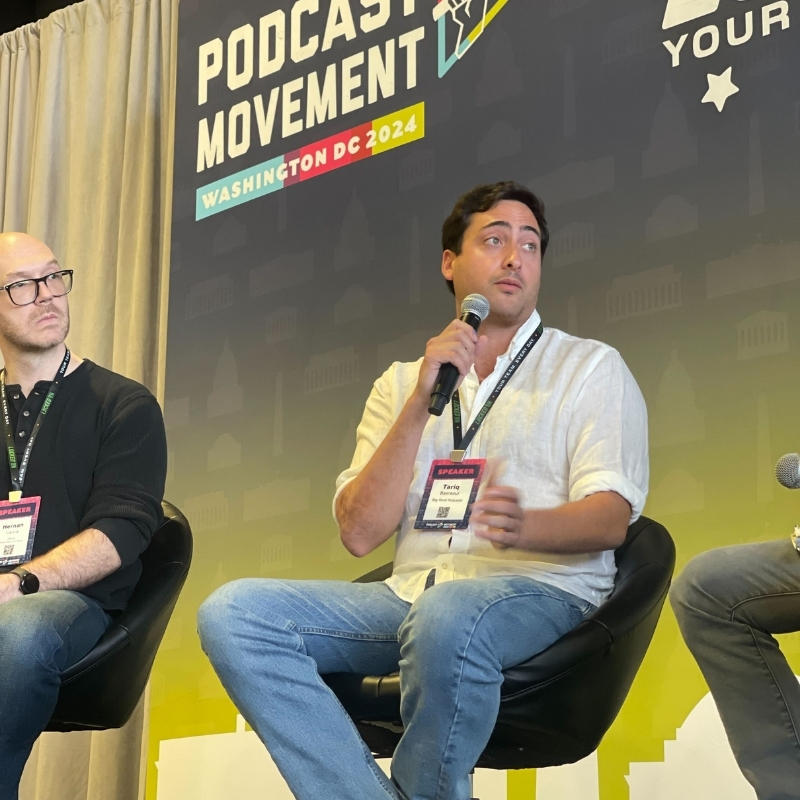
Tariq Basraoui
CEO
Tariq O’Keefe Basraoui, Co-Founder of Big Pond Podcasts, is a seasoned digital marketer and community builder with a track record of success at platforms like TikTok and Zencastr. Known for launching Zencastr’s Creator Network to over 15,000 members in 18 months, his expertise lies in growing user bases and enhancing brand engagement.
His strategic approach to growth and community engagement has established him as a leader in creating some of the fastest-growing media networks in podcasting.
