

The Definitive Guide to New Podcast Monetization Methods 2027
The most effective new podcast monetization methods for 2027 focus on diversifying income beyond simple ad reads. Successful podcasters are building entire ecosystems around their shows by integrating strategies like token-gated premium content using Web3 technologies, direct-to-consumer sales via integrated e-commerce platforms, and using AI to create derivative products like ebooks and courses. It’s about building a multi-faceted brand, not just selling ad slots. The future is a blended model where community, content, and commerce converge.
Why Your Old Monetization Strategy is Obsolete
The podcasting industry is projected to surpass $5 billion in revenue. This rapid growth means competition is fierce. Simply running pre-roll and mid-roll ads isn’t enough to build a sustainable podcasting business anymore.
The Limits of Dynamic Ad Insertion
Dynamic ad insertion (DAI) was a major step forward, allowing for targeted, timely ads. However, as listeners become more accustomed to them, ad fatigue sets in. The CPM model, while straightforward, commoditizes your audience, making you reliant on download numbers rather than listener engagement. Our network, for instance, sees an $22.35 Avg. 60-Sec CPM, which gives you a benchmark for what quality inventory can command. But relying solely on this is a fragile strategy.
The Audience Expectation Shift
Listeners are increasingly willing to pay for content they value. A YouGov poll found that 25% of podcast listeners are willing to pay for a podcast. They crave deeper connections, exclusive access, and a way to support creators directly. Your monetization strategy must reflect this desire for a value exchange, not just a passive ad experience. The goal is to evolve from broadcasting to community building.
Sponsorships and Dynamic Ads in 2027
While the foundation is shifting, advertising isn’t dead; it’s just evolving. The future of podcast advertising is more integrated, intelligent, and respectful of the listener experience. At Big Pond, we help many of our 1,300+ podcasters monetize and grow their podcasts by connecting them with the right brands.
AI-Powered Ad Matching
In 2027, expect ad networks to use sophisticated AI to match sponsors with podcasts. This goes beyond simple demographics. AI will analyze episode transcripts for sentiment, subject matter, and conversational nuance to find perfect brand alignments. This means more relevant ads for listeners and higher conversion rates for advertisers, justifying premium CPMs.
The Rise of Host-Read Dynamic Ads
Historically, host-read ads were ‘baked-in’ and lived forever, while dynamic ads were programmatic and impersonal. The next wave combines the best of both. Platforms now allow hosts to record ad reads that are then dynamically inserted. This maintains the host’s authentic voice while giving the advertiser the flexibility of DAI, targeting specific listener segments or running timely campaigns.
Subscriptions and Memberships: Building Your Core Community
Direct listener support is the most stable revenue stream you can build. It aligns your incentives directly with your audience: make great content they love, and they will pay for it. This is a core part of how we help creators monetize their show effectively.
Platform-Specific Models: Patreon vs. Substack
- Patreon has long been the standard for creators. It’s a flexible platform where you can offer tiered membership levels with rewards like bonus episodes, early access, or physical merchandise. It excels at community management features.
- Substack is quickly gaining ground, especially for podcasters whose shows are tied to a newsletter. It offers a clean, integrated experience for delivering both audio and written premium content to paying subscribers.
- Memberful is another powerful option that integrates directly with your own website, giving you full control over branding and the user experience.
What to Offer in a Premium Package
Don’t just hide your regular episodes behind a paywall. Add genuine value. Successful premium offerings include:
- Ad-free feeds: The simplest and often most-requested perk.
- Bonus episodes: Deeper dives, Q&As, or behind-the-scenes content.
- Early access: Let your biggest fans hear new episodes a day or two before everyone else.
- Exclusive community access: A private Discord server or forum where listeners can interact with you and each other.
The Creator as a Brand: Merchandise and E-Commerce
Your podcast isn’t just audio; it’s intellectual property. Merchandising is a tangible way for listeners to show their support and for you to extend your brand’s reach. This is a key part of our focus on helping creators with securing podcast sponsorships and more.
From T-Shirts to Niche Products
Basic merchandise like t-shirts and coffee mugs with your logo are a start. But the real opportunity lies in products that are deeply connected to your podcast’s niche. A true crime podcast could sell detective-themed puzzle boxes. A history podcast like Dan Carlin’s Hardcore History could sell high-quality historical maps. Think about what your audience is passionate about and create products that serve that passion.
Integrating E-commerce Directly
Platforms like Shopify now have integrations that make it easy to create a store connected to your podcast. Imagine a listener hearing you mention a product and being able to click a link in the show notes to buy it immediately. This creates a powerful, low-friction path from interest to purchase.
Don’t just sell merch with your logo on it. Sell products that solve a problem or deepen a passion you and your audience already share.
Beyond Traditional Ads: Emerging Revenue Streams
The future of podcast audience engagement 2027 is interactive and diversified. The most forward-thinking creators are experimenting with revenue streams that were unimaginable just a few years ago.
Web3 and Token-Gated Content
Web3 technologies offer a new model for ownership and community. Instead of a monthly subscription, you can sell a limited number of ‘access tokens’ (NFTs). Owning a token grants a listener access to your premium content, a community DAO (Decentralized Autonomous Organization), or even a share of the podcast’s revenue. This creates a set of true stakeholders, not just subscribers. For a deeper look at platforms, check out our guide on how to choose a podcast monetization platform.
Affiliate and Performance Marketing
Affiliate marketing is more than dropping an Amazon link in your show notes. It’s about authentically recommending products and services you genuinely use and believe in. The key is disclosure and trust. Many affiliate programs, like those from software companies or online course platforms, offer recurring commissions. This means you can earn revenue for months or years from a single listener sign-up.
Repurposing Content for Multiple Revenue Streams
Your podcast episodes are a goldmine of content that can be repackaged and sold in different formats. Stop thinking in terms of single episodes and start thinking in terms of an intellectual property library.
From Audio to Text: Ebooks and Show Notes
Services like Descript can transcribe your audio with stunning accuracy. You can bundle the transcripts from a popular series into an ebook and sell it on Amazon KDP. Or, you can use AI tools to summarize key insights from each episode, creating premium show notes or a weekly newsletter that you can monetize through a platform like Substack.
Coaching, Courses, and Consulting
If your podcast establishes you as an expert in a particular field, you have the authority to sell high-ticket services. A podcast about financial management can lead to one-on-one coaching clients. A show about marketing can be the top of the funnel for an in-depth online course. This is often the most lucrative monetization strategy, turning your most engaged listeners into high-value clients.
The Listener Journey: From Discovery to Conversion
Mapping your monetization strategy to the listener journey is critical. You can’t ask a brand new listener to buy a $500 course. You must build trust and provide value at each stage.
| Stage | Listener Action | Monetization Opportunity | Example |
|---|
| Discovery | Finds show via search, social, or recommendation | N/A (Focus on growth) |
| Engagement | Listens to multiple episodes, follows on social media | Programmatic Ads, Host-Read Ads |
| Community | Joins email list, participates in Discord | Affiliate Marketing, Merchandise |
| Support | Signs up for premium content | Subscriptions (Patreon, Substack) |
| Advocacy | Becomes a true fan, recommends to others | High-Ticket Offers (Courses, Coaching) |
Legal and Ethical Considerations
As you diversify your revenue, you also take on new responsibilities. Transparency is non-negotiable.
Disclosures and Endorsements
The FTC requires clear and conspicuous disclosure for any sponsored content or affiliate relationship. This isn’t just a legal requirement; it’s about maintaining trust. A simple, verbal disclosure at the beginning of an ad read (“This episode is sponsored by…”) is usually sufficient. For affiliate links in show notes, a simple disclaimer is needed.
Audience Trust and Monetization Fatigue
There is a limit to how much you can sell to your audience. If every episode is packed with five ad reads, a plug for your merch, a pitch for your course, and a request for donations, listeners will tune out. Introduce new monetization methods slowly. Test what resonates with your audience. Remember that the core of your podcast is the content and the connection you have with your listeners. Protecting that relationship is your first priority.
Your audience’s trust is your most valuable asset. Once you lose it, no monetization strategy can win it back.
For more ideas on building a sustainable model, see our thoughts on monetization methods beyond ads.
FAQ
How many listeners do I need to start monetizing?
You don’t need a massive audience, but you need an engaged one. For direct support models like Patreon or subscriptions, you can start with as few as 100 loyal fans. For programmatic ads, you’ll typically need at least 5,000 to 10,000 downloads per episode to generate meaningful income. Affiliate marketing can work at any size if your recommendations are trusted.
What is the easiest way to start making money from a podcast?
Affiliate marketing is often the simplest entry point. You can sign up for affiliate programs for products you already use and mention them organically in your episodes. Creating an account on a platform like Patreon and offering a simple, ad-free feed is also a straightforward first step into direct listener support.
How do video podcasts on YouTube change monetization?
Video adds a significant revenue stream through YouTube’s Partner Program. You can earn money from ads that play before or during your video. It also opens up visual opportunities for sponsorships (product placement) and enhances affiliate marketing, as you can visually demonstrate products. The worldwide listenership is huge, with figures suggesting over 500 million podcast listeners worldwide, and YouTube is a massive discovery engine.
What are ‘value-for-value’ models?
The value-for-value model is a system where you don’t require payment but encourage listeners to contribute what they feel the content is worth. Pioneered by podcasters like Adam Curry, this often involves micro-payments using cryptocurrencies or platforms like Fountain. Listeners can ‘boost’ a show with small amounts of money as they listen, rewarding specific moments they find valuable.
Should I use more than one monetization method?
Absolutely. Diversification is the key to a stable podcasting business. Relying on a single income stream, especially one you don’t control (like programmatic ad revenue), is risky. A healthy mix of advertising, direct support, and product sales will create a more resilient and profitable show.
At Big Pond Podcasts, we are dedicated to helping creators find the right mix of monetization strategies. If you’re ready to grow your podcast and turn it into a sustainable business, get in touch with us. We have the tools and the network to help you succeed.
Related reading
- How to Choose a Podcast Monetization Platform in 2026
- Easy Podcast Monetization Solutions: 2026 Guide.
About the author
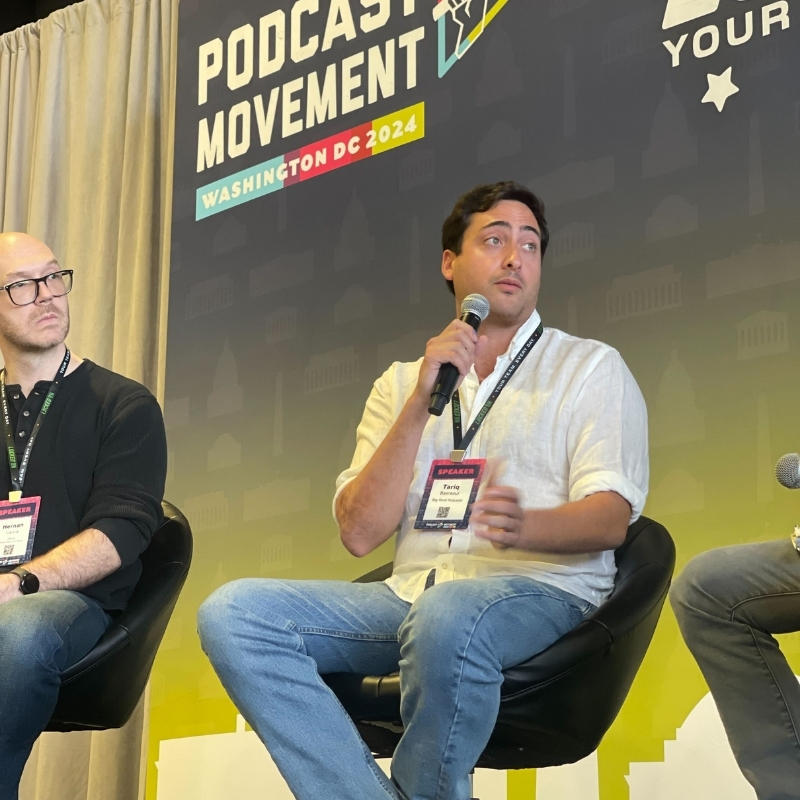
Tariq Basraoui
CEO
Tariq O’Keefe Basraoui, Co-Founder of Big Pond Podcasts, is a seasoned digital marketer and community builder with a track record of success at platforms like TikTok and Zencastr. Known for launching Zencastr’s Creator Network to over 15,000 members in 18 months, his expertise lies in growing user bases and enhancing brand engagement.
His strategic approach to growth and community engagement has established him as a leader in creating some of the fastest-growing media networks in podcasting.
