

Most podcasters think monetization starts with ads. They are wrong. Chasing sponsors before you have a deeply engaged audience is like trying to build a skyscraper on a foundation of sand. The real path to a sustainable creative career is not just about getting more downloads; it’s about creating more value. To successfully diversify podcast income sources, you must build multiple revenue streams that serve your most dedicated listeners, including direct subscriptions, affiliate marketing, and selling your own products or services. This approach creates financial resilience and deepens your relationship with your audience.
The Ad-Revenue Ceiling: Why Sponsorships Aren’t Enough
For years, the podcasting success story was defined by a single metric: download numbers. The bigger the number, the more you could charge for ads. But this model is a fragile one, leaving creators beholden to advertiser budgets and the whims of ad-tech platforms.
Understanding CPM and Ad Inventory
CPM, or “cost per mille,” is the price an advertiser pays for one thousand listens or downloads of an ad. Across our network of over 1,300 shows, we see an average 60-second CPM of $22.35. That sounds great, but the math reveals a slow grind for new shows.
According to industry data, dynamic ad insertion often requires about 1,000 monthly listeners to even begin. At a $20 CPM and 2,000 downloads per episode, each episode earns roughly $40. If you publish weekly, that’s about $2,000 a year. It’s a start, but it’s not a living.
The Problem with an Ad-Only Model
An ad-only strategy makes your audience the product, not the customer. This can create a conflict between serving your listeners and pleasing your sponsors. More importantly, it leaves you vulnerable. If an advertiser pulls out or a platform changes its algorithm, your income can disappear overnight.
When Ads Make Sense (and When They Don’t)
Ads are not inherently bad. For shows with massive reach, they are a powerful revenue driver. One report notes that a show with 10,000 downloads per episode running three ad slots at a $30 CPM can earn $900 per episode. That adds up to roughly $46,800 a year with a weekly schedule. For more details on this, see our complete guide to podcast advertising rates.
But for the 99% of podcasts that don’t have those numbers, ads should be a supplement, not the primary goal. They work best once you have an established audience that trusts you, making host-read ads particularly effective.
Popular Podcast Monetization Methods
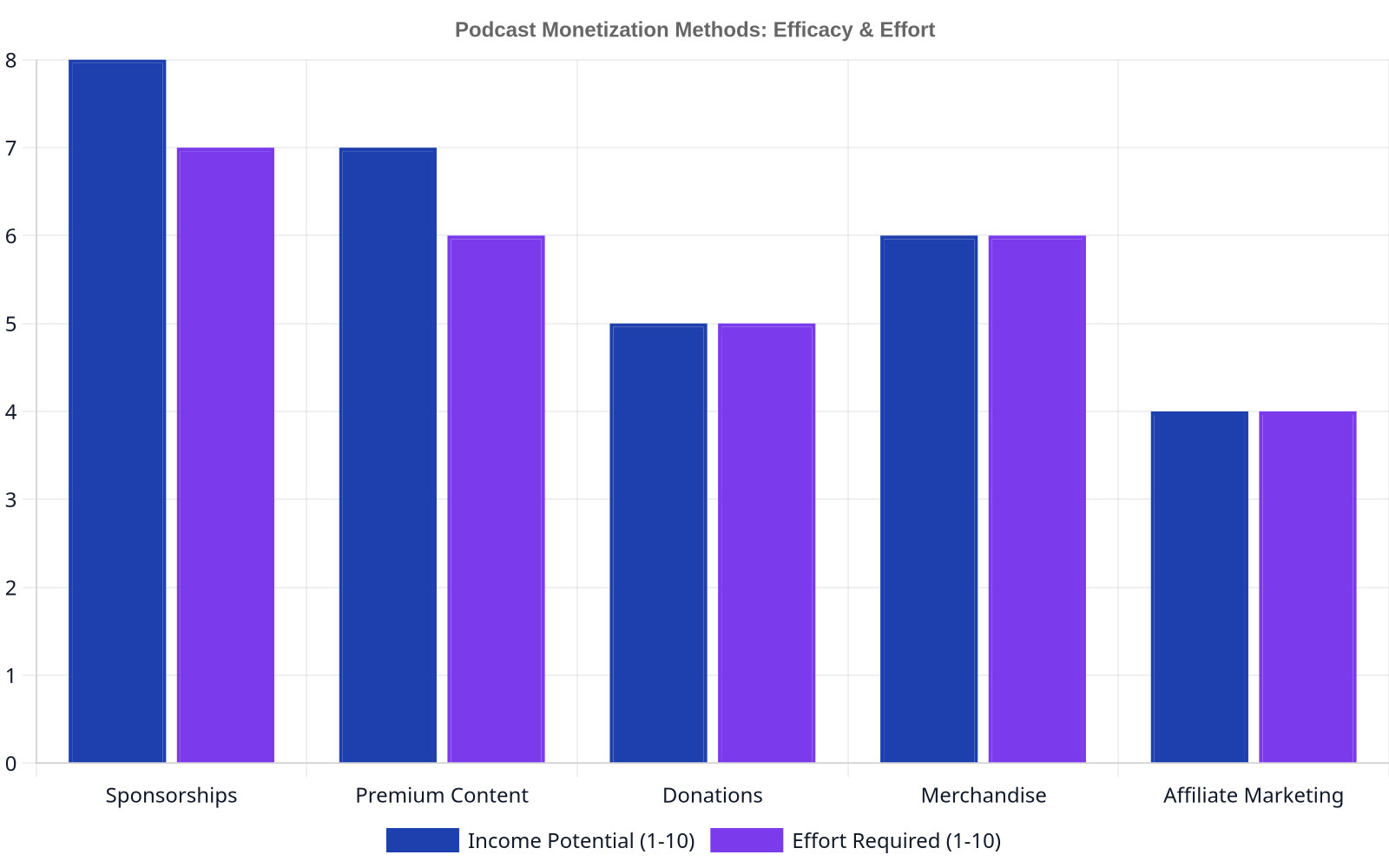
Diversification is about creating a healthier financial ecosystem for your podcast. Instead of a single point of failure, you build a web of support. The most successful podcasters combine several of the methods below.
Direct Listener Support: Subscriptions and Memberships
This is the most direct and powerful model. You offer exclusive content—bonus episodes, ad-free feeds, early access, or behind-the-scenes material—in exchange for a monthly or annual fee. This model creates a predictable, recurring revenue stream that is completely independent of advertisers.
A study of a hypothetical show found that 300 loyal listeners paying just $7 a month can generate $25,200 a year. This is often more achievable and more stable than chasing thousands of passive listeners for ad revenue.
Affiliate Marketing: Earning from Recommendations
Affiliate marketing involves recommending a product or service you genuinely use and love. When a listener makes a purchase through your unique link or code, you earn a commission. This preserves the authenticity of your relationship with your audience, as you are only promoting things you believe in.
This works best when the products are highly relevant to your podcast’s niche. For example, a tech podcast could have affiliate links for gear, or a wellness podcast could partner with a meditation app.
Selling Your Own Merchandise
Merch is more than just a revenue stream; it’s a way for your listeners to signal their membership in your community. T-shirts, mugs, stickers, and posters with inside jokes or iconic branding can turn passive listeners into walking ambassadors for your show.
Platforms like Printful and Shopify have made it easier than ever to set up an online store with minimal upfront investment. You can use a print-on-demand model, so you don’t have to worry about inventory or shipping.
Chasing downloads to sell to advertisers is a race to the bottom. Building a community you can serve directly is a race to a sustainable future.
How to Diversify Your Podcast Income

Once you decide to diversify podcast income sources, the key is to build a “product ladder.” This means creating a range of offerings at different price points, allowing listeners to support you at a level they are comfortable with. It provides multiple ways for your audience to engage with your brand and for you to generate revenue.
Building a Product Ladder: From Free to Premium
A product ladder might look something like this:
- Free: Your public podcast feed. This is the top of your funnel, designed for maximum reach and audience growth.
- Low-Cost: A “buy me a coffee” link or a low-tier membership ($1-$5/month) for access to a private community forum or newsletter.
- Mid-Tier: A premium subscription ($5-$15/month) for bonus episodes, an ad-free feed, and exclusive content.
- High-Ticket: Digital products like a comprehensive online course ($100-$500) or personalized coaching/consulting services (>$1,000).
Creating and Selling Digital Products (Courses & Ebooks)
If your podcast teaches a skill or explores a topic in depth, you have the foundation for a digital product. You can package your expertise into an ebook, a video course, or a set of templates. This allows you to monetize your knowledge directly, without relying on any intermediaries. To learn more about how to monetize your podcast, check out our full guide.
Platforms like Gumroad and Teachable make it easy to sell digital products. The key is to solve a specific problem for your audience. For a more foundational look at getting started, consider our blueprint for launching and growth.
Offering High-Ticket Services (Coaching & Consulting)
For podcasters with professional expertise, offering one-on-one coaching, group workshops, or consulting services can be the most lucrative income stream. A Harvard Business Review article on solopreneurs highlights how expertise shared on a podcast can translate directly into high-value client work. This method leverages your podcast as a powerful lead-generation tool, demonstrating your authority and building trust with potential clients.
Understanding Your Audience for Diversification
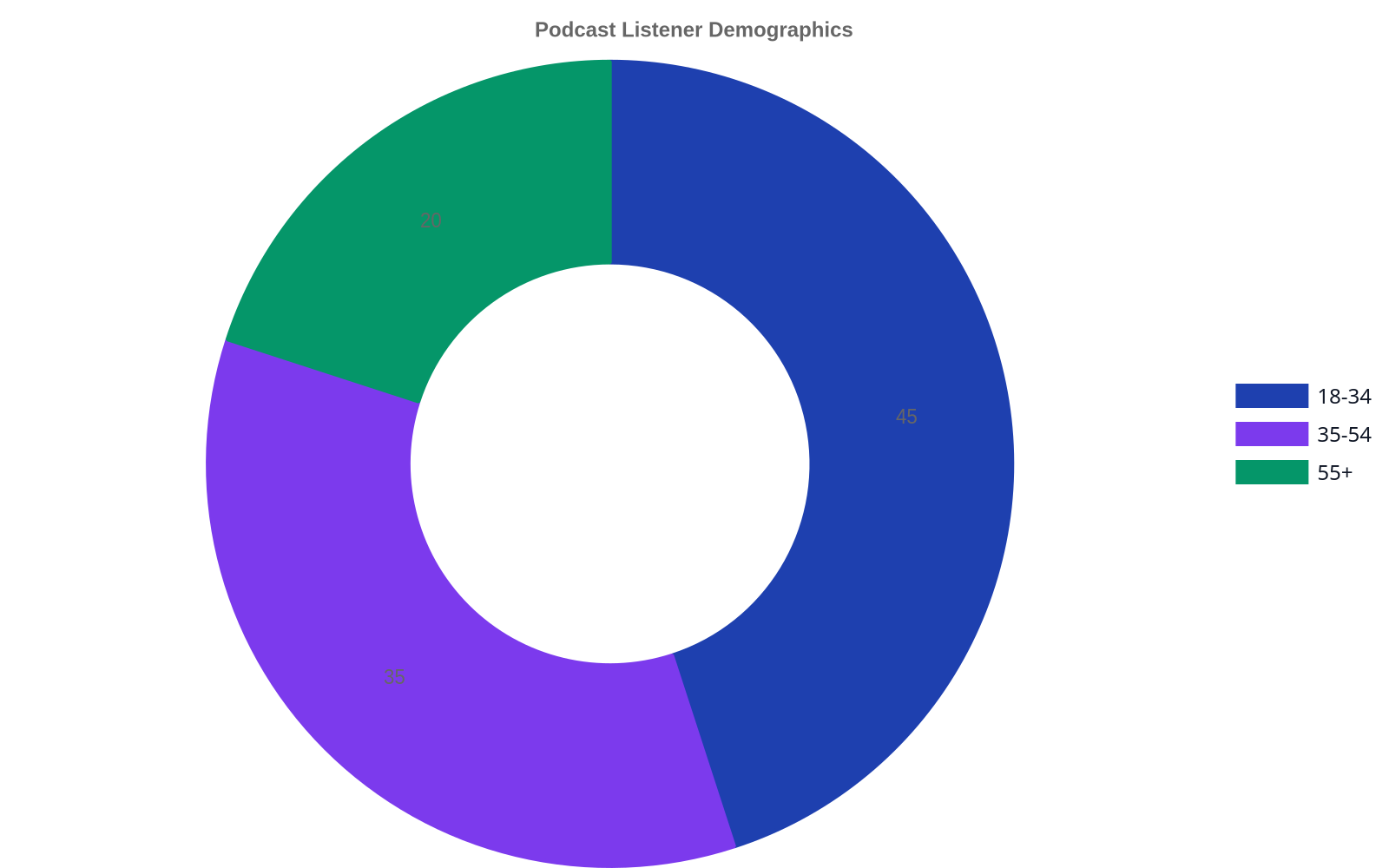
Effective monetization isn’t about throwing every possible option at the wall. It’s about understanding who your listeners are and what they actually want. Your audience data holds the clues to which income streams will succeed.
From Listener to Superfan: Building Community
Revenue diversification starts with community engagement. People don’t pay for content they can get for free; they pay for connection and belonging. Use a Discord server, a Facebook group, or a platform like Patreon to create a space where your most passionate listeners can interact with you and each other.
This is where you can ask them directly what they’d be willing to pay for. Polls, surveys, and conversations are your best market research tools. Building this community is a core part of how we help creators Monetize and Grow Podcasts.
Using Analytics to Find Monetization Opportunities
Your podcast analytics can reveal a lot. Which episodes get the most downloads? What topics generate the most discussion? If you notice a spike in interest around a particular subject, that’s a strong signal that there might be an opportunity for a related digital product or premium series.
Platforms like Chartable and Podtrac provide valuable demographic and engagement data. Use this information to create a listener persona and tailor your offerings to their needs and interests.
Prioritizing Income Streams Based on Your Niche
Not every income stream is right for every podcast. A true-crime podcast might excel with a Patreon offering deep-dive case files, while a business podcast is better suited for coaching services or a high-ticket mastermind group.
A Simple Framework for Prioritization:
- Assess Your Content: Is it educational, entertaining, or narrative-driven?
- Assess Your Audience: Are they looking for community, knowledge, or entertainment?
- Assess Your Skills: What are you uniquely positioned to offer beyond the podcast?
Answering these questions will help you choose the 1-2 diversification strategies that offer the highest chance of success with the least amount of wasted effort.
A show with 300 loyal listeners who pay $7/month earns $25,200 a year. That’s often more achievable and reliable than finding 10,000 passive listeners to serve ads to.
The Future of Podcast Monetization
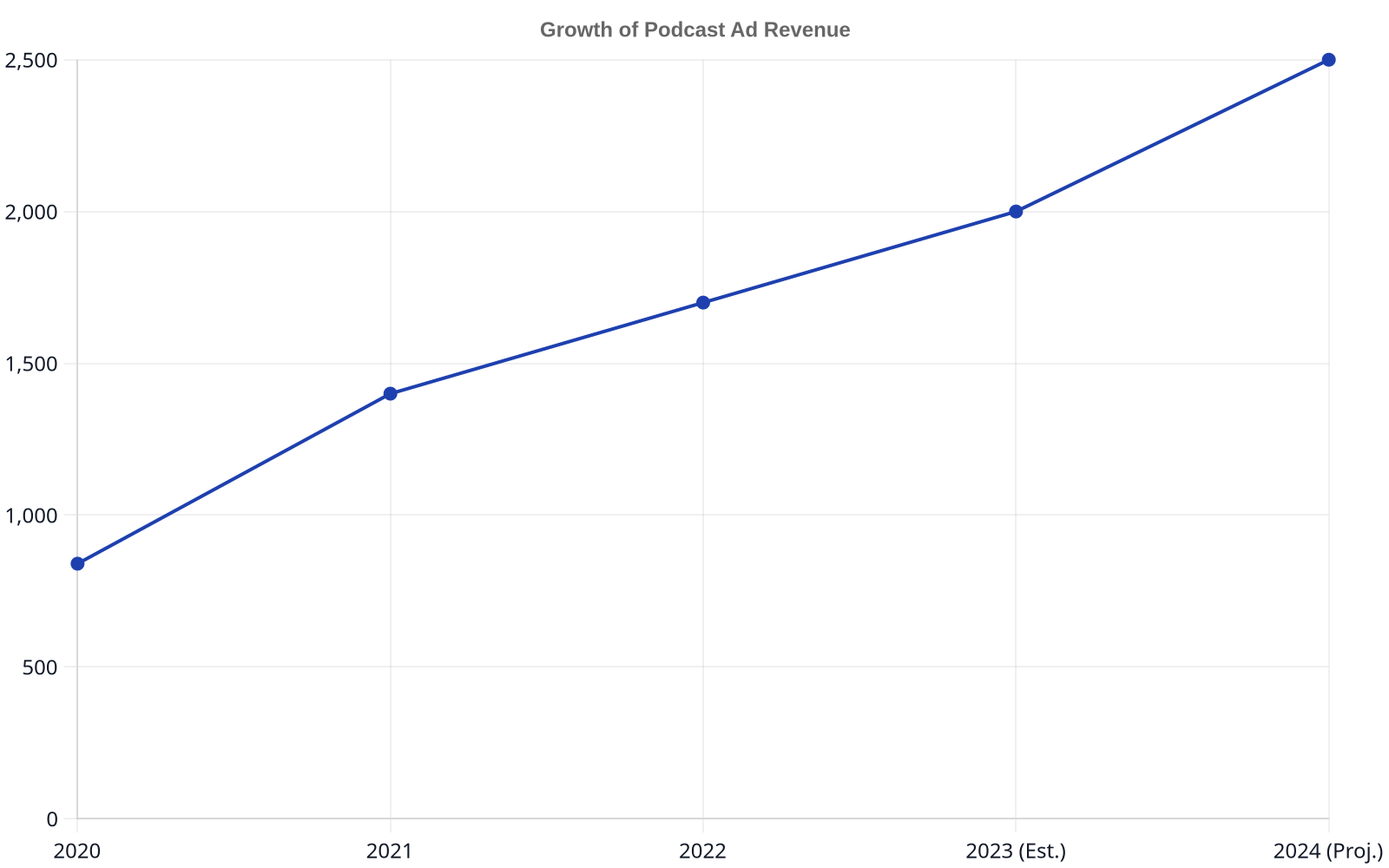
The podcasting landscape is constantly changing. While audio remains the core product, the opportunities for monetization are expanding into new formats and experiences. Staying ahead of these trends is crucial for long-term growth.
The Rise of Live Events and Paid Appearances
As podcasting becomes more mainstream, live shows are becoming a significant revenue source. These can range from a simple live recording of an episode in front of an audience to a full-fledged touring production. It’s an opportunity to connect with your community in person and create a premium, ticketed experience.
As your profile grows, you may also be invited for paid speaking gigs or appearances at conferences, further leveraging the authority you’ve built through your show. For visual-heavy shows, integrating video is a natural next step, and you can explore more about video podcasting best practices to enhance your offerings.
Legal and Tax Considerations for Multiple Income Streams
As you diversify your income, your financial situation becomes more complex. It’s crucial to understand the legal and tax implications. Income from different sources—affiliate marketing, product sales, subscriptions—may need to be tracked and reported differently.
Many podcasters choose to form an LLC (Limited Liability Company) to protect their personal assets and professionalize their operation. Consulting with a small business accountant or lawyer is a wise investment to ensure you are compliant and set up for financial health.
The Importance of Consistency and Adaptation
No matter which income streams you choose, success depends on two things: consistency and adaptation. You must continue to deliver your free content consistently to grow the top of your funnel. At the same time, you need to be willing to experiment with your paid offerings, listen to feedback, and adapt your strategy based on what works.
Choosing Your Monetization Path
To help you decide, here is a comparison of the three main monetization pillars.
| Feature | Advertising & Sponsorships | Subscriptions & Memberships | Digital Products & Services |
|---|---|---|---|
| Primary Requirement | Large download volume | High listener engagement | Specific expertise or IP |
| Revenue Predictability | Low to Medium | High (recurring) | Medium to High (launch-based) |
| Effort to Start | Medium (pitching, negotiation) | Low to Medium (platform setup) | High (creation of product/service) |
| Audience Relationship | Can be disruptive | Strengthens community | Establishes authority |
| Best For… | Shows with 10k+ downloads/ep | Niche shows with a strong community | Educational or skill-based shows |
5 Steps to Launching Your First Non-Ad Revenue Stream
- Survey Your Audience: Create a simple poll asking what kind of extra content or products they would be interested in. Don’t guess; ask.
- Start Small: Choose the simplest option first. A “Buy Me a Coffee” link or a single bonus episode on Patreon is an easy way to test the waters.
- Define the Value: Be crystal clear about what paying supporters will receive. Create a simple, compelling offer that is easy to understand.
- Announce and Promote: Dedicate a segment in your show to announce the new offering. Explain why you are doing it and what the support will allow you to create.
- Analyze and Iterate: After a month, look at the results. Is it working? What feedback have you received? Use that data to refine your offer or try something new.
The Future of Podcast Monetization
Staying ahead requires adapting to new trends and technologies. The future of podcast monetization is interactive and community-driven. Think live-streamed episodes with audience Q&As, token-gated content for web3 communities, and dynamically inserted, personalized offers. As a platform working with major brands like Magnite, we see the growing demand for authentic, creator-driven monetization that goes beyond simple ad reads.
Further reading
FAQ
How many downloads do I need to make money from a podcast?
However, you can start earning money with a much smaller audience through other methods.
What’s the easiest income stream to start with?
For most podcasters, affiliate marketing or a simple membership tier via a platform like Patreon or Buy Me a Coffee is the easiest to start. Affiliate marketing requires no product creation, only authentic recommendations. A basic membership can be launched with minimal effort by offering an ad-free version of your existing show.
Can I use multiple monetization methods at once?
Yes, and you should. This is the core principle to diversify podcast income sources. A successful strategy often combines 2-3 different streams, such as a mix of light advertising, a thriving membership community, and occasional digital product launches.
How do I tell my audience I’m adding paid options without alienating them?
Be transparent and focus on the value exchange. Explain that their support allows you to dedicate more time to the show, improve quality, or create more of the content they love. Ensure your free offering remains valuable and consistent, so non-paying listeners don’t feel left behind.
Do I need a separate business entity for my podcast?
Initially, you can operate as a sole proprietor. However, as your revenue grows, forming an LLC is highly recommended. It provides liability protection, separating your personal assets from your business assets, and can offer tax advantages. It’s best to consult with a legal or financial professional to decide what’s right for your situation.
Building a financially successful podcast is a marathon, not a sprint. It requires a strategic shift from chasing downloads to building community. By creating multiple streams of income that provide genuine value to your listeners, you build a more resilient, rewarding, and sustainable career as a creator. If you’re ready to take the next step, let’s talk about how Big Pond can help you grow.
About the author
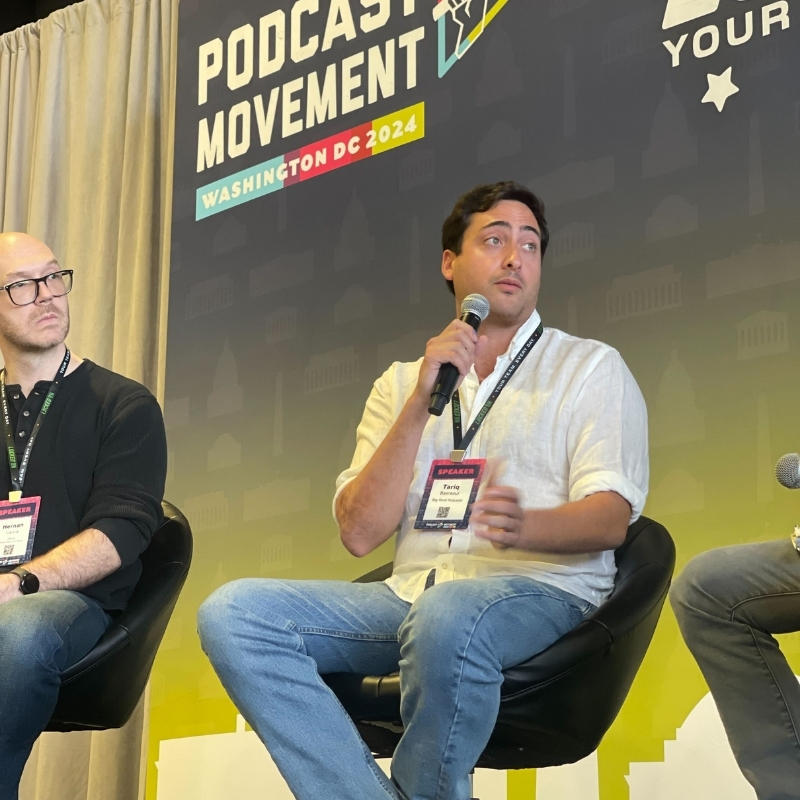
Tariq Basraoui
CEO
Tariq O’Keefe Basraoui, Co-Founder of Big Pond Podcasts, is a seasoned digital marketer and community builder with a track record of success at platforms like TikTok and Zencastr. Known for launching Zencastr’s Creator Network to over 15,000 members in 18 months, his expertise lies in growing user bases and enhancing brand engagement.
His strategic approach to growth and community engagement has established him as a leader in creating some of the fastest-growing media networks in podcasting.
