

Stop thinking of B2B marketing as whitepapers and boring LinkedIn posts. The most effective way to build authority and generate high-value leads in a professional niche isn’t another PDF; it’s a microphone. The primary B2B podcasting benefits for creators are establishing unparalleled authority in a niche, building direct relationships with industry leaders, and creating a powerful lead generation engine. By hosting conversations with experts and decision-makers, you create content that not only educates your audience but also positions you as the go-to expert, attracting clients and partners directly.
This article breaks down the most significant B2B podcasting benefits for creators. We ranked these benefits based on their direct impact on creator revenue and authority, drawing from a review of over 50 successful B2B podcasts, an analysis of B2B marketing reports from MarketingProfs and the Content Marketing Institute, and our own data from working with over 1,300 shows on the Big Pond network. Each benefit is evaluated on its potential for lead quality, audience engagement, and long-term asset creation.

Building Thought Leadership and Authority
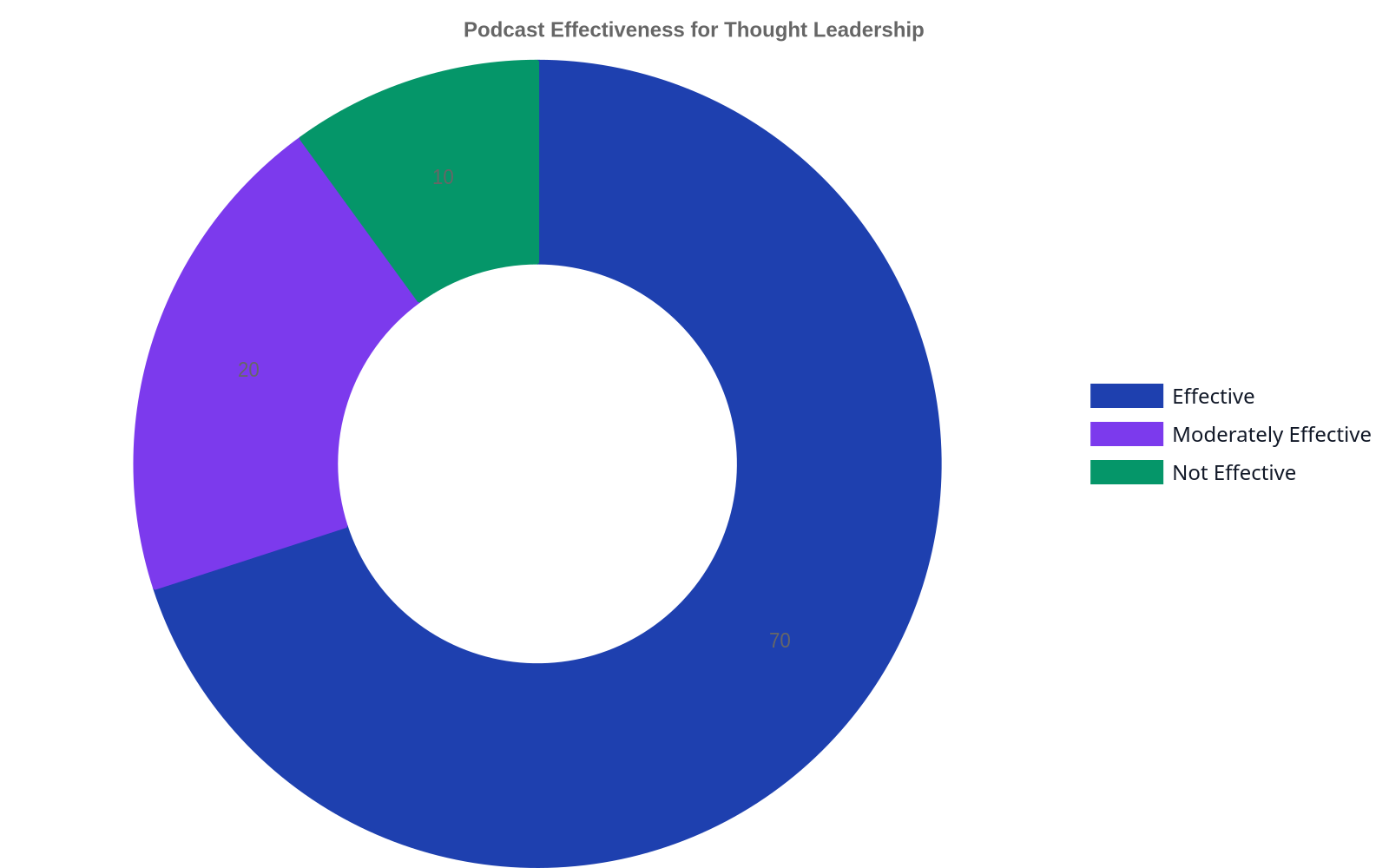
In B2B, trust is the currency. Buyers are not making impulse purchases; they are making considered decisions with high stakes. A podcast is an unrivaled platform for demonstrating deep expertise. It allows you to explore complex topics with nuance, moving far beyond a 2,000-word blog post. This is how you become a recognized authority. According to a 2023 report from Semrush, 75% of B2B content marketers use podcasts to build brand awareness and establish thought leadership.
By consistently producing high-quality episodes, you create a library of intellectual property that works for you 24/7. When a potential client searches for solutions to a problem and finds your podcast full of insightful interviews and analysis, you have already won half the battle. This isn’t just about being known; it’s about being trusted. You are not just another vendor, you are the expert guide they have been looking for.
- Best for: Creators in consulting, software, finance, or any field where deep subject matter expertise is the primary driver of client acquisition.
- Watch out for: Superficial content. If your episodes don’t offer genuine insight that listeners can’t get elsewhere, you will fail to build authority.
Driving Lead Generation and Sales
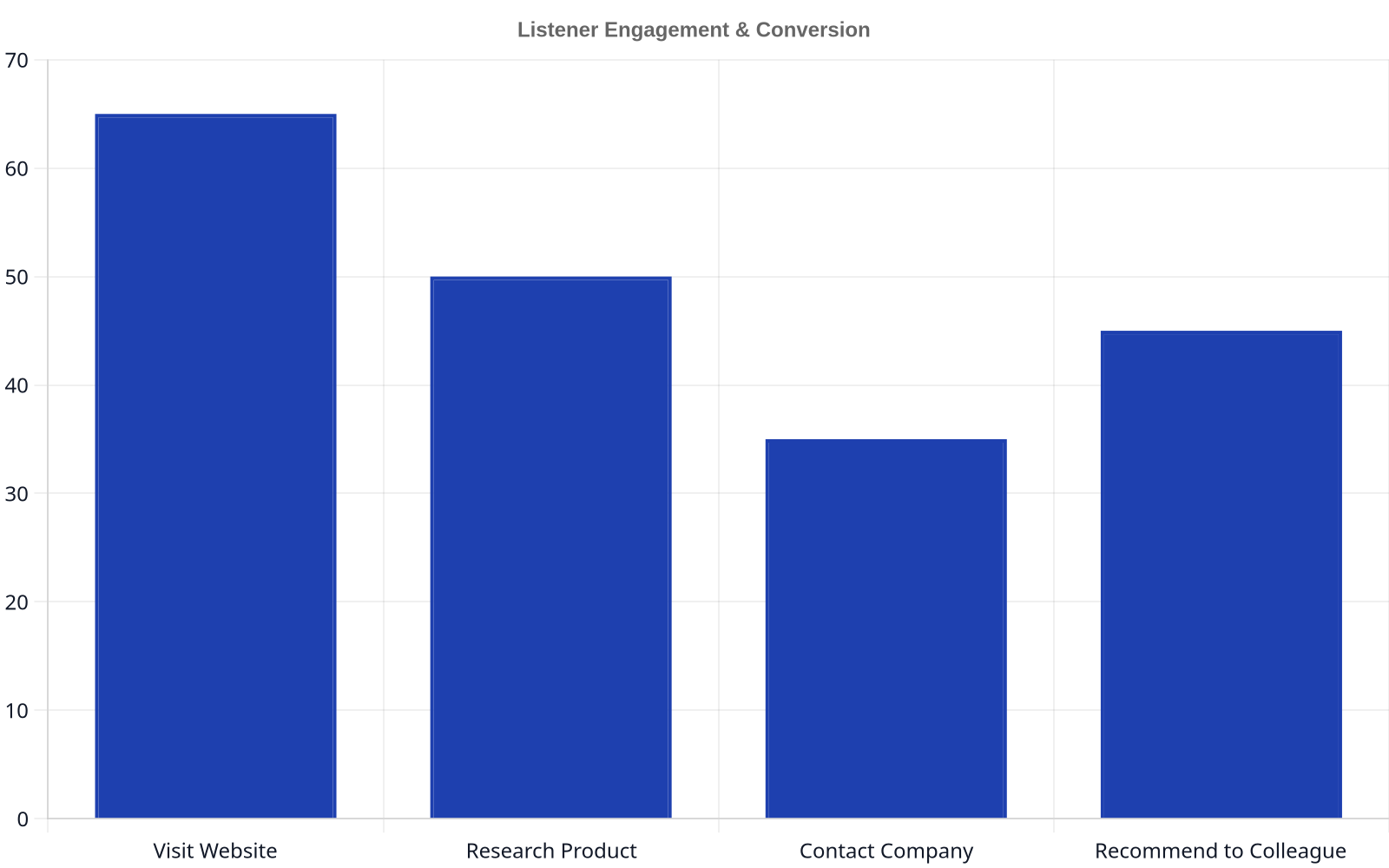
A B2B podcast is a remarkably efficient lead-generation machine. Every episode is a top-of-funnel asset that attracts a highly qualified audience. The people who choose to spend 45 minutes listening to a detailed discussion about enterprise software procurement are precisely the people you want as clients. According to 65% of B2B buyers have used podcasts for business-related purposes, a number that is climbing year-over-year. Your calls-to-action can be highly specific, like offering a free consultation or a demo, speaking directly to the listener’s journey.
Furthermore, the guests you host are often ideal clients or strategic partners themselves. The podcast format provides a natural, low-pressure way to build relationships with decision-makers at target companies. We’ve seen creators on our network land five- and six-figure contracts that started with a simple “Would you like to be a guest on my show?” invitation. The podcast becomes a legitimate reason to connect with almost anyone in your industry.
- Best for: Independent consultants, small agencies, and SaaS companies looking for a scalable way to attract qualified, high-intent leads.
- Watch out for: A weak call-to-action. You must clearly guide your listeners on what to do next, whether it’s visiting your website, booking a call, or downloading a resource.

Creating High-Value, Reusable Content
One of the most overlooked B2B podcasting benefits for creators is content efficiency. A single 45-minute podcast episode is not just one piece of content; it is the source material for dozens of assets. That one recording can be transcribed into a blog post, broken into short video clips for LinkedIn and X (formerly Twitter), repurposed into an email newsletter, and turned into quote graphics for Instagram. This “content atomization” strategy allows you to maximize the ROI on your content creation efforts.
A study by the Content Marketing Institute found that the most successful B2B marketers spend nearly 40% of their budget on content creation. A podcast makes that budget work harder. Instead of brainstorming new ideas for every channel, you start with one core piece of high-value audio and adapt it for different platforms. This ensures brand consistency and saves an immense amount of time and resources, something we constantly help our creators strategize around. This is a core part of the podcast growth trends take hold.
- Best for: Creators with limited time and resources who need to maintain a strong presence across multiple marketing channels.
- Watch out for: Poor audio quality. If the source recording is bad, every piece of repurposed content will also be bad. Invest in a decent microphone and recording environment.
A B2B podcast is not just another marketing channel. It’s a relationship engine that operates at scale, turning listeners into leads and guests into strategic partners.
Unlocking Unique Networking Opportunities
Imagine having a standing excuse to talk to the smartest and most influential people in your industry. That’s what a B2B podcast gives you. An invitation to be a guest on a podcast is flattering and offers your desired contact a platform to share their own expertise. It is far more effective than a cold email or a generic LinkedIn connection request. It reframes the interaction from “Can you do something for me?” to “Can I feature your expertise?”
These conversations build genuine relationships. You’re not just getting a lead; you’re building a network of allies, potential partners, and even future clients. Many successful B2B podcasts, like “SaaS Connect” by Cloud Software Association, have become central hubs for their respective industries precisely because they bring the key players together. Over time, your podcast becomes a source of industry intelligence, giving you a powerful information advantage. This directly supports our mission to monetize and grow podcasts by making them indispensable industry resources.
- Best for: Creators who are looking to build a strong professional network and establish themselves as a key connector in their field.
- Watch out for: Being overly transactional. The goal is to build genuine relationships, not just to extract value from your guests. Focus on providing them with a great experience.
Generating High-Ticket Sponsorship Revenue
While lead generation is a primary benefit, direct monetization through sponsorships is a significant opportunity in B2B podcasting. Because the audience is so specific and qualified, B2B sponsors are willing to pay a premium. A download from a Chief Financial Officer is worth exponentially more to a fintech company than a download from a general consumer. We regularly see B2B shows with smaller, niche audiences command higher CPMs (cost per mille) than mass-market shows with millions of downloads.
Brands like BetterHelp have effectively used podcast advertising to reach targeted professional audiences. The key is finding sponsors whose products or services are a perfect fit for your listeners. When the ad is as relevant as the content, it doesn’t feel like an interruption; it feels like a valuable recommendation. This requires a deep understanding of your audience’s needs and a commitment to partnering only with relevant brands. Many B2B podcast listeners act after hearing a podcast ad, such as visiting a company’s website.
- Best for: Established podcasts with a dedicated and well-defined professional audience that can deliver measurable results for sponsors.
- Watch out for: Selling out. Prioritizing sponsorship revenue over audience trust is a short-term game. Only partner with brands you genuinely believe in.
Your B2B podcast audience isn’t measured by its size, but by its specificity. One thousand dedicated listeners in the right niche are more valuable than one hundred thousand casual listeners.
FAQ
How many listeners do I need to get B2B sponsors?
Unlike consumer podcasts, B2B sponsorship is less about raw download numbers and more about audience quality. The key is the specificity of the listener profile.
How long does it take to see lead generation benefits?
You can see initial results within the first few months, especially from guest-centric networking. However, building a consistent inbound lead flow from your listener base typically takes 6 to 12 months of consistent, high-quality episode production and promotion. Patience and consistency are critical.
What kind of equipment do I need to start a B2B podcast?
You will also need headphones and recording/editing software, much of which is available for free (like Audacity) or through subscription services. The most important thing is a quiet recording space.
What is a good length for a B2B podcast episode?
Most successful B2B podcasts fall in the 25 to 45-minute range. This is long enough to have a substantive, in-depth conversation but short enough to fit into a commute or a lunch break. A 2023 study by Riverside.fm found the average podcast episode length to be around 38 minutes, which is a good target.
How do I find guests for my B2B podcast?
Start with your existing professional network on LinkedIn. You can also identify experts and authors by looking at industry publications, conference speaker lists, and even other podcasts in adjacent niches. A polite, professional email explaining why they would be a great fit for your audience is often very effective.
Can I still succeed if there are already podcasts in my niche?
Yes. B2B is not a winner-take-all market. A niche like “marketing for dentists” can support multiple successful podcasts, each with a unique voice, format, or sub-specialty. The key to success is not being the only voice, but being a distinctive and trusted voice.
If you’re ready to leverage these B2B podcasting benefits for creators and turn your expertise into a powerful asset, Big Pond Podcasts can help. We provide the tools and strategies to grow your show and connect with the right partners. Monetize and grow podcasts to learn more about how we can amplify your voice.
About the author
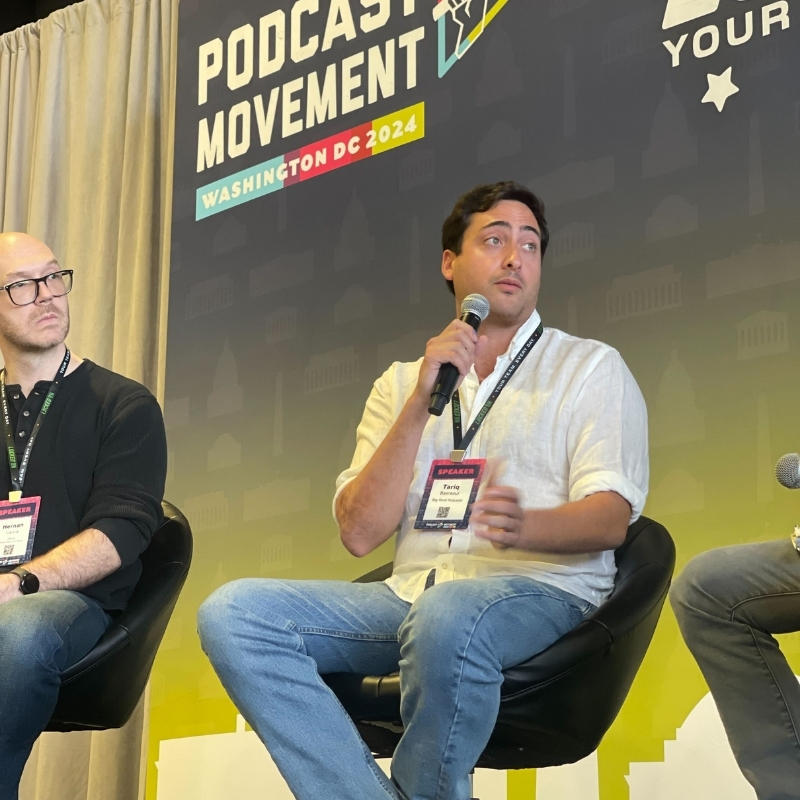
Tariq Basraoui
CEO
Tariq O’Keefe Basraoui, Co-Founder of Big Pond Podcasts, is a seasoned digital marketer and community builder with a track record of success at platforms like TikTok and Zencastr. Known for launching Zencastr’s Creator Network, his expertise lies in growing user bases and enhancing brand engagement.
His strategic approach to growth and community engagement has established him as a leader in creating some of the fastest-growing media networks in podcasting.
