

Stop staring at your download numbers. They are a vanity metric, a misleading signal that tells you almost nothing about your podcast’s health or potential. True podcast performance optimization techniques focus on engagement, retention, and monetization, not just reach. Optimizing performance means turning casual listeners into a dedicated audience by improving your content quality, refining your audio, and strategically structuring your episodes for maximum impact. A show with a smaller number of hyper-engaged listeners can be infinitely more valuable than one with a much larger number of passive downloads.
Methodology: How We Ranked These Techniques
This isn’t a random list of tips. We ranked these podcast performance optimization techniques based on a weighted analysis of three factors. First, impact on listener retention, drawing from data across our network of podcasts. Second, ease of implementation for independent creators with limited budgets. Finally, direct correlation to monetization potential, using benchmarks like our network’s average 60-second CPM to evaluate which strategies drive the highest ad value.

1. Master Your Audio Quality
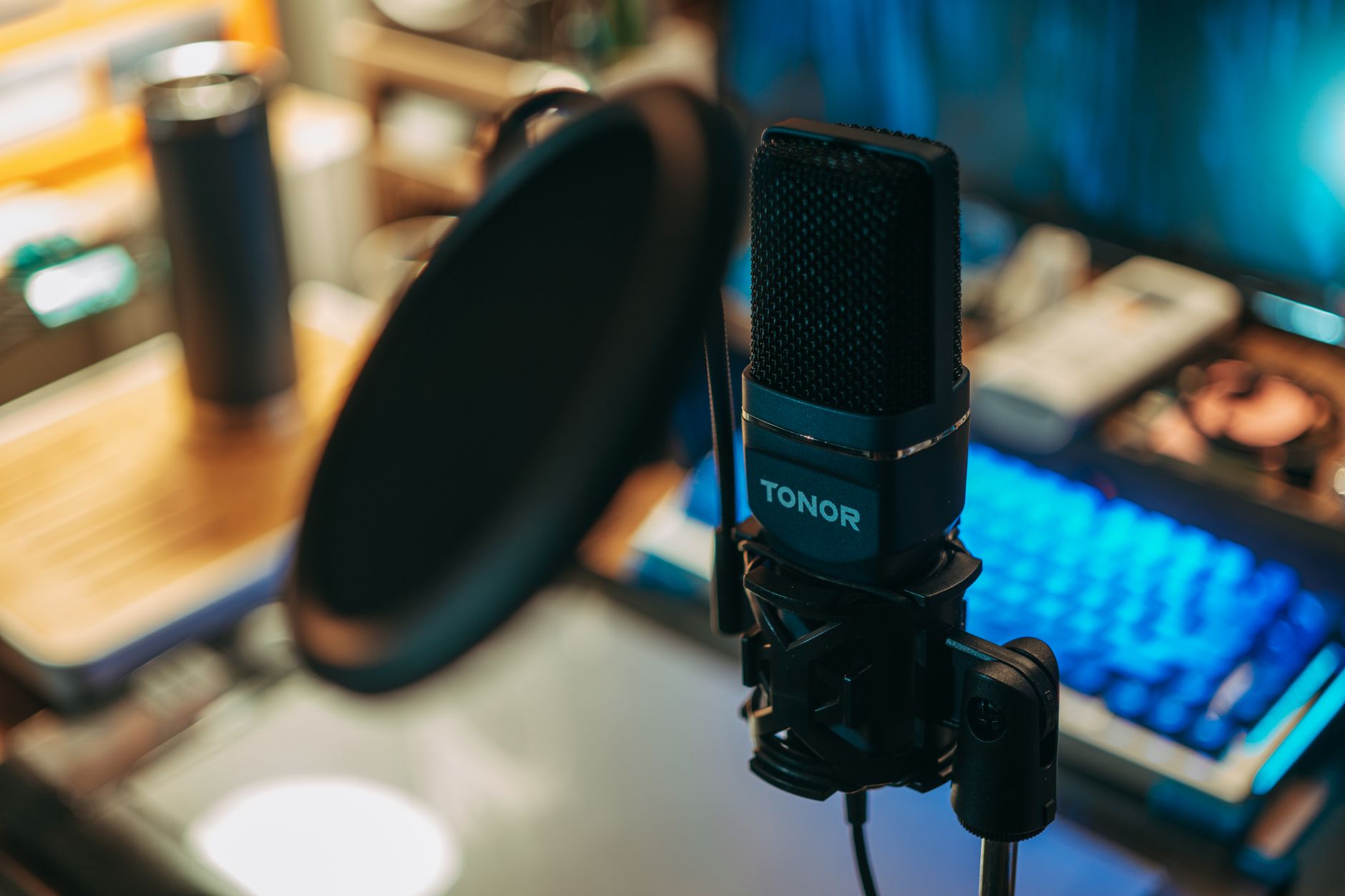
Poor audio is a significant reason new listeners abandon a show. You can have the most compelling content in the world, but if it’s full of echo, background noise, or clipping, people may leave quickly. You don’t need an expensive studio setup, but you do need to get the basics right. This is the foundation of all other podcast performance optimization techniques.
A decent USB microphone like an Audio-Technica AT2020 or a Rode NT-USB+ is a worthy investment under $200. Learning basic post-production in a tool like Audacity or Descript to remove filler words, balance levels, and apply noise reduction is non-negotiable. According to a 2023 study by The Podcast Host, 62% of listeners are more likely to skip ads or episodes with poor sound quality.
- Best for: Podcasters at all levels, but especially those just starting out.
- Watch out for: Over-processing your audio until it sounds robotic or sterile.
2. Engineer for High Audience Retention
Downloads are meaningless if listeners bail after five minutes. Your goal is a high listen-through rate (LTR). This metric, which most hosting platforms provide, tells you what percentage of your audience finishes an episode. A high LTR signals to podcast directories that your content is engaging, which can boost your visibility.
Structure your episodes to hook listeners immediately. Start with a compelling cold open, a surprising fact, or a question before your intro music. Use signposting throughout the episode (“In a few minutes, we’ll talk about…”) to keep people invested. Analyze your episode drop-off points in your analytics; if you see a consistent dip at the 10-minute mark, you know exactly where your content is failing to hold attention. Exploring b2b podcasting benefits can reveal how this focus on retention directly builds authority and revenue.
- Best for: Podcasters who have consistent downloads but aren’t seeing audience growth.
- Watch out for: Sacrificing content depth just to keep the pacing frantic.
The perfect episode length isn’t a number. It’s the exact moment your content has delivered on its promise without a single wasted second.
3. Implement Strategic Episode SEO
Podcast directories are search engines. Treating your titles and descriptions like an afterthought is a massive mistake. Your episode title should be a headline, not a label. Instead of “Episode 54: Interview with Jane Doe,” try “Jane Doe on Building a Successful E-commerce Brand from Scratch.”
Use relevant keywords in your titles and show notes. Tools like Ahrefs or Semrush can show you what your target audience is searching for on Google. What questions are they asking? What problems are they trying to solve? Create episodes that answer those questions directly. A significant portion of listeners find new podcasts through app searches, a number that has only grown.
- Best for: Shows in crowded niches that need to stand out from the competition.
- Watch out for: Keyword-stuffing your descriptions until they become unreadable.
Understanding Key Podcast Metrics
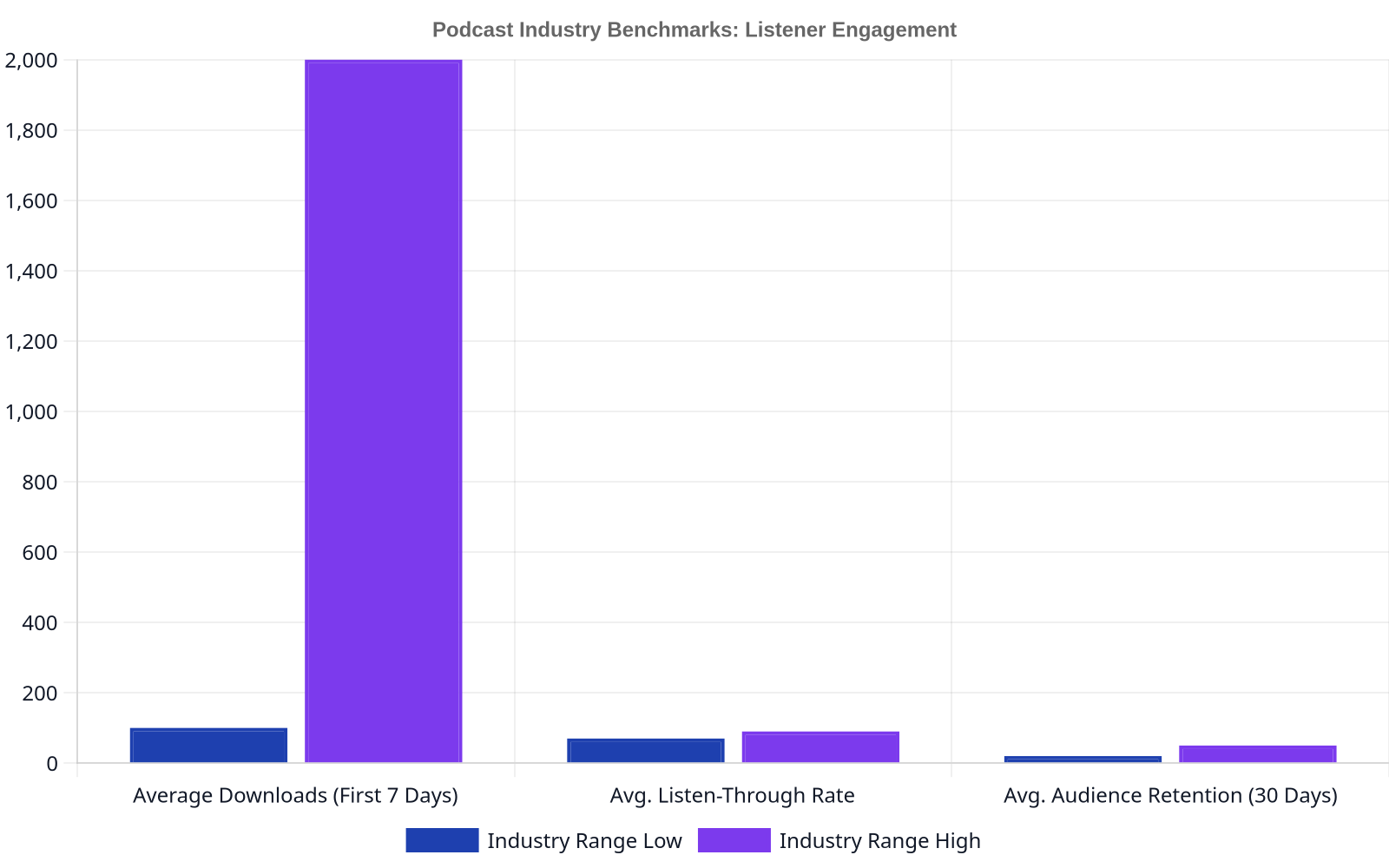
Before you can optimize, you need to know what to measure. Beyond simple downloads, focus on metrics that reflect true engagement. These include Audience Retention Rate, Listener Demographics, and Click-Through Rates on any links you share in your show notes. Tracking these is a core part of effective podcast performance optimization techniques. Many of the most important podcast growth trends are centered on understanding and acting on this deeper data.
4. Repurpose Content into High-Value Audiograms
Your podcast episode is not a single asset; it’s a pillar from which you can carve dozens of micro-assets. An audiogram, a short video clip combining a static image, audio waveform, and your podcast’s audio, is one of the most effective ways to promote your show on social media. Platforms like Instagram, TikTok, and LinkedIn are visual-first, and a simple audio link won’t cut it.
Use a tool like Headliner or Veed.io to create these. Pull out a 30-60 second highlight from your episode that is controversial, insightful, or exceptionally funny. Add captions, as a huge portion of social video is watched with the sound off. A well-placed audiogram can drive thousands of new listeners to your show. Big Pond Podcasts has seen this strategy help grow shows to reach a collective audience of over 200 million monthly listeners.
- Best for: Podcasters who want to grow their audience using social media.
- Watch out for: Choosing boring clips that don’t create curiosity.
5. Build and Engage with Your Community
Podcasting can feel like a one-way street, but the most successful shows build a dedicated community around their content. This creates a powerful feedback loop, provides social proof, and deepens listener loyalty. A community isn’t just an email list; it’s an interactive space.
Create a dedicated space for listeners to connect with you and each other. This could be a Discord server, a Facebook Group, or a Substack with comments enabled. Ask for listener questions and feature them on the show. Run polls to decide on future topics. When listeners feel like they are part of the show’s journey, they are more likely to share it with others. According to podcast listeners are significantly more active on every social media platform compared to the general population.
- Best for: Hosts who want to build a long-term, sustainable brand.
- Watch out for: Starting a community and then abandoning it. Consistency is key.
Monetization Strategies and Performance
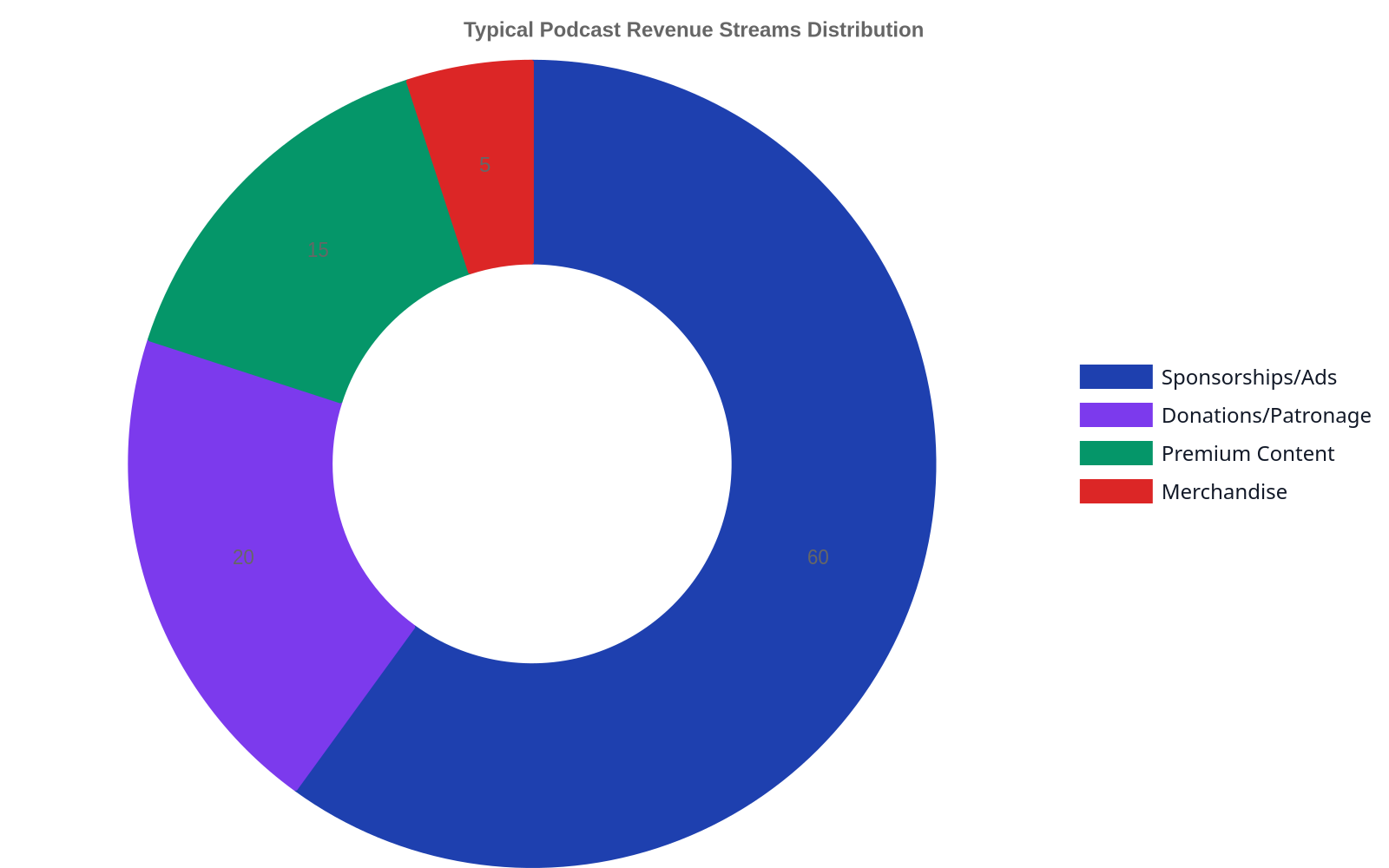
Optimizing your podcast isn’t just about listener numbers; it’s about creating a valuable asset. The right monetization strategy flows from a highly engaged audience. Our work with brands like Airbnb shows that advertisers seek out shows with a dedicated, trusting listenership. For an independent creator, this could mean affiliate marketing, direct support, or premium content. The goal is to match the monetization method to your audience’s expectations, a critical component of podcast performance optimization techniques.
Don’t chase advertisers. Chase an audience so engaged that advertisers start chasing you. That’s how you build a real podcasting business.
6. Conduct a Transcript and Show Notes Audit
Your show notes and transcripts are invaluable SEO assets that most podcasters neglect. A full transcript makes your content accessible to search engines and to individuals with hearing impairments. Google’s crawlers can index every single word, connecting your episode to a vast range of long-tail search queries.
Go back through your most popular episodes and ensure they have full, accurate transcripts. Use a service like Otter.ai or Descript to generate them automatically, then do a quick human edit for accuracy. In your show notes, don’t just list topics; write a compelling, keyword-rich summary of the episode. Include links to all resources mentioned. A Backlinko analysis of 11.8 million search results confirmed that long-form content, which a transcript qualifies as, tends to rank higher in Google.
- Best for: Podcasters with a significant back catalog of episodes.
- Watch out for: Relying purely on automated transcripts, which can be full of errors.
If you get these techniques right, you build a foundation for sustainable growth and monetization. It’s not about finding a magic bullet; it’s about a consistent, disciplined approach to quality and engagement. Big Pond is dedicated to helping creators with tools and strategies to both monetize and grow podcasts.
FAQ
What are the most important podcast metrics to track?
Beyond raw downloads, focus on audience retention (or listen-through rate), subscriber growth, and listener demographics. These metrics provide a much clearer picture of audience engagement than simple download numbers, which can be easily inflated and don’t reflect loyalty.
How much does professional podcast audio equipment cost?
Free software like Audacity is powerful enough for most editing needs.
How long should a podcast episode be?
There is no magic number. Episode length should be determined by your content, not a formula. A daily news podcast might be 10 minutes, while a deep-dive interview could be 90 minutes. The key is to hold your audience’s attention for the entire duration. Check your analytics to see where listeners drop off.
What is a good download number for a new podcast?
According toa podcast host, if your new episode gets over 142 downloads in the first 30 days, you’re in the top 50% of all podcasts. Don’t get discouraged by low numbers early on; focus on consistent quality and promotion.
How do I use SEO for my podcast?
Treat your episode titles and show notes like blog post headlines and meta descriptions. Research keywords your target audience is searching for using standard SEO tools. Include those keywords naturally in your titles and summaries to help new listeners discover your show through podcast app search functions.
Can I really make money if my audience is small?
Absolutely. A small but highly engaged niche audience can be very valuable. Monetization options like affiliate marketing, selling your own digital products, offering coaching, or using a platform like Patreon can be more effective with a dedicated small audience than programmatic ads are for a large, passive one.
About the author
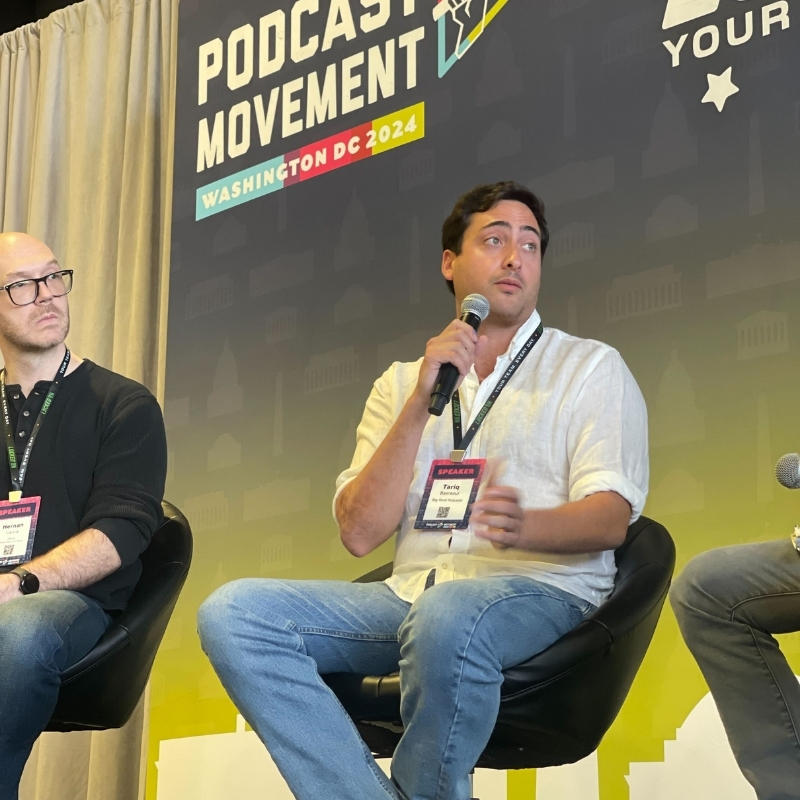
Tariq Basraoui
CEO
Tariq O’Keefe Basraoui, Co-Founder of Big Pond Podcasts, is a seasoned digital marketer and community builder with a track record of success at platforms like TikTok and Zencastr. Known for launching Zencastr’s Creator Network, his expertise lies in growing user bases and enhancing brand engagement.
His strategic approach to growth and community engagement has established him as a leader in creating some of the fastest-growing media networks in podcasting.
