

Building an engaged podcast listener community starts with defining a clear purpose that resonates with your specific audience. Create value both inside your episodes with interactive segments and outside with a dedicated hub like Discord or Substack. Consistent engagement, clear moderation, and exclusive content are the pillars that convert passive listeners into active members. This process transforms your audience from a metric into a self-sustaining ecosystem, creating a loyal base that supports and grows your show. By following this guide, you will have a concrete framework for launching and nurturing a community that adds immense value to your podcast.
Prerequisites
Before you begin, you should have a few items in place. First, an active podcast with a consistent publishing schedule, even if your audience is small. Second, a basic understanding of who your current listeners are and what they value about your show.

Step 1: Define Your Community’s Purpose and Values
A community without a purpose is just a chat room. Your first step in building an engaged podcast listener community is to define its core reason for existing. Ask yourself: why would someone want to join, and what value will they get from participating?
This purpose must align with your podcast’s brand identity and the interests of your listeners. For the show My Favorite Murder, the “Fan Cult” community provides a space for people who share a specific, dark sense of humor and an interest in true crime. This creates a powerful sense of belonging that a generic fan club could never achieve.
Drill down into your ideal listener by defining their specific interests and pain points. You can learn more about how to pinpoint listener demographics to get this right. Your community’s purpose should be the answer to a question or the solution to a problem your audience has.
Step 2: Embed Community Hooks Into Your Podcast Content
Your podcast is the primary recruitment tool for your community. You must give listeners a reason to seek it out. Embed interactive segments directly into your episodes that require community participation to complete the loop.
This can include listener Q&A sections, reading reviews or comments from your community platform, or featuring voice messages submitted by members. Tools like SpeakPipe allow listeners to easily record and send audio clips, making them feel like part of the show. Explicitly state the call to action (CTA) in every episode: “Join our Discord to discuss this episode,” or “Submit your questions in our Substack for next week’s Q&A.”
Step 3: Choose the Right Platform(s)
| Discord | Facebook Groups | Patreon | Slack | Circle/Discourse | |
|---|---|---|---|---|---|
| Best For | Real-time interaction, gaming communities | Broad audience reach, existing social network | Monetization, exclusive content | Professional networking, team collaboration | Dedicated community hub, forum-style discussion |
| Key Features | Text/voice/video channels, bots | Private groups, event creation, polls | Subscription tiers, direct messaging, content hosting | Channels, direct messages, integrations | Forums, groups, courses, customizable branding |
| Monetization | Indirect (tips, merch) | Indirect (ads, sponsored posts) | Direct (subscriptions, donations) | Indirect (premium features) | Direct (subscriptions, courses) |
| Ease of Setup | Moderate | Easy | Moderate | Moderate | Moderate to Complex |
| Control & Customization | High (with bots/integrations) | Low | Moderate | Moderate | High |
Selecting the right home for your community is critical. There is no single best option; the choice depends on your audience’s technical comfort and your engagement strategy. Your goal is to reduce friction for joining and participating.
- Discord: Excellent for highly engaged, real-time conversation with dedicated text and voice channels. It thrives with gaming, tech, and hobbyist communities that are already familiar with the platform. A look at Discord’s features for communities shows how granular you can get with roles and permissions.
- Substack: Integrates a newsletter, podcast, and community threads into one platform. This is a strong choice if your community is built around written content and discussion, and it has built-in monetization models for premium tiers.
- Facebook Groups: Still a viable option due to its massive user base, making it easy for less tech-savvy audiences to join. However, you are subject to Facebook’s algorithm and branding, which can be a significant downside.
Compare the features of different compare community platforms to decide which one aligns with the purpose you defined in step one. It’s better to master one platform than to be mediocre on three.

Step 4: Create an Onboarding Process for New Members
Getting a listener to click “join” is only the beginning. You need a clear onboarding process to convert them from a silent newcomer into an active participant. An automated welcome message, a dedicated #introductions channel, and a pinned post with community rules are essential.
Your onboarding should immediately demonstrate the community’s value. Direct new members to a popular discussion thread or an exclusive piece of bonus content. This structured welcome prevents the feeling of walking into a crowded room where you don’t know anyone.
A community isn’t a megaphone for your show. It’s a living room where your most dedicated listeners get to talk to each other.
Step 5: Engage and Nurture Your Community
Community is not a “set it and forget it” project. It requires consistent, active participation from you, the host. Be present, answer questions, and start conversations.
Establish a routine. This could be a weekly discussion thread based on the latest episode or a monthly live Q&A session. Creating exclusive content, like behind-the-scenes updates or bonus mini-episodes just for members, reinforces the value of being part of the group.
This continuous effort is how our team grows listenership and engagement for the shows we work with. The community becomes a flywheel that generates excitement and content for the podcast itself.
Step 6: Promote Your Community and Collaborate
Your community won’t grow in a vacuum. You must promote it consistently across all your channels. Mention it in every podcast episode, link to it in your show notes, and feature it on your social media profiles.
Collaborating with other podcasters in your niche is another powerful growth tactic. When you appear as a guest on another show, mention your community. This puts your podcast and its community in front of a new, relevant audience that is already primed to be engaged listeners.
Step 7: Establish Clear Moderation and Safety Guidelines
An unmoderated community will eventually become toxic. Establishing clear rules of conduct from day one is non-negotiable. These rules should cover hate speech, spam, self-promotion, and general etiquette to ensure the space remains welcoming.
For a small community, you might handle moderation yourself. As it grows, you will need to recruit volunteer or paid moderators from your most trusted members. A comprehensive guide to community moderation provides frameworks for handling everything from minor disputes to serious violations.
“If you have strong traffic, but no audience, you’re in deep trouble.”
This quote perfectly captures why moderation matters. A safe environment is what turns traffic into a loyal, trusting audience.
Step 8: Measure Engagement and Adapt Your Strategy
To understand if your community-building efforts are working, you need to track the right metrics. Don’t just look at the total member count. Focus on metrics that signal true health and engagement.
Key Performance Indicators (KPIs) for a podcast community include the percentage of active members, the number of posts and comments per day, and member retention rate. Most platforms provide analytics to track this data. Use these insights to see which topics and formats resonate most, and adjust your strategy accordingly.
These metrics are a core part of understanding podcast engagement metrics beyond simple download numbers. They tell the story of your audience’s loyalty.
Step 9: Monetize Through Community-Exclusive Offerings
An engaged community opens up direct monetization paths that are often more profitable and sustainable than advertising alone. Once you have a core group of dedicated fans, you can introduce premium offerings. We help over 1,300+ podcasters monetize and grow their shows, and community is a key part of that.
This can take several forms. Platforms like Patreon or Substack’s premium tiers allow you to charge a monthly fee for access to the community, bonus content, and other perks. You can also sell exclusive merchandise designed with community in-jokes or create paid, ticketed virtual events.
This approach aligns revenue directly with the value you provide to your most loyal supporters. Our goal is always to help creators monetize their podcast stress-free, and community-led models are a fantastic way to do that.
Troubleshooting Common Issues
Even with a solid plan, you may encounter challenges. If your community is quiet, jumpstart conversations with targeted questions or polls. You can also directly message a few of your most active listeners and ask them to help get a new thread going.
If conflict arises between members, refer to your moderation guidelines immediately and act decisively. Intervening early and fairly prevents disputes from escalating and poisoning the atmosphere for everyone else. Remember that a healthy community requires active gardening.
Frequently Asked Questions
How long does it take to build a podcast community?
There’s no set timeline. A podcast with an existing backlog and a small, dedicated audience might see an active community form in a few months. For a brand new show, it could take a year or more of consistent effort to reach a critical mass of active members.
Should my podcast community be free or paid?
Start with a free community to remove barriers to entry and build your core audience. Once you have established a consistent pattern of value and engagement, you can introduce a paid tier with exclusive perks. Offering a free, foundational space is crucial for top-of-funnel growth.
What are some easy ways to get initial members?
Announce the community on your podcast for several episodes in a row with a strong call to action. Promote it heavily to your existing email list and social media followers. Personally invite friends, family, and past guests to join and help get the initial conversations started.
How do I handle trolls or negative members?
Act quickly and decisively based on your written community guidelines. Give one public warning for minor infractions. For serious issues like hate speech or harassment, issue an immediate and permanent ban without discussion to protect the safety of the community.
Can I build a community if my podcast is new?
Yes, and it’s a great idea to start early. A community can be a powerful feedback loop for a new show, helping you refine your content and build relationships with your first 100 true fans. The key is to set realistic expectations for growth in the beginning.
Building an engaged community is a long-term investment that pays dividends in listener loyalty, content ideas, and direct monetization opportunities. If you want to accelerate your show’s growth, our team can audit your show, help build your audience, and connect you with the right opportunities. Let us know how we can help by getting in touch with our team.
About the author
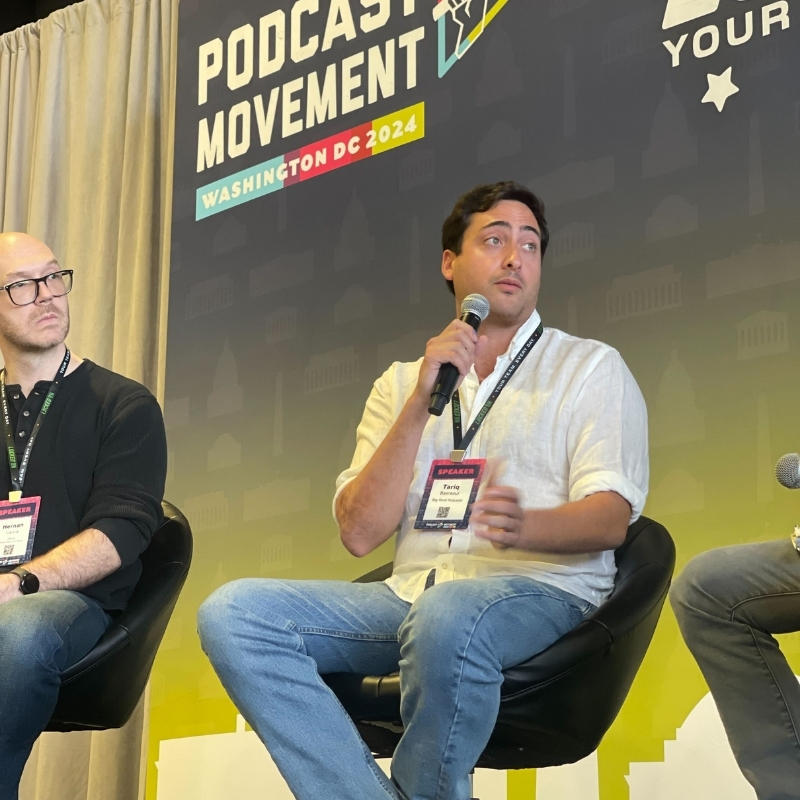
Tariq Basraoui
CEO
Tariq O’Keefe Basraoui, Co-Founder of Big Pond Podcasts, is a seasoned digital marketer and community builder with a track record of success at platforms like TikTok and Zencastr. Known for launching Zencastr’s Creator Network to over 15,000 members in 18 months, his expertise lies in growing user bases and enhancing brand engagement.
His strategic approach to growth and community engagement has established him as a leader in creating some of the fastest-growing media networks in podcasting.
