
When a host quits mid-season, sponsors immediately re-evaluate the deal based on contractual ‘key person’ clauses and the show’s ability to retain its audience. This event triggers urgent negotiations to either continue with new terms, pause the campaign, or exit the agreement entirely. The final outcome is dictated by the strength of the contract, the host’s importance to the brand, and the effectiveness of the podcaster’s crisis response plan. For sponsors, it’s a critical test of ROI and brand safety; for creators, it’s a defining moment for their business resilience.
This guide breaks down the critical factors and strategic responses for both podcasters and sponsors. The analysis is structured around contractual realities, audience retention models, and proven crisis communication tactics. We’ve ranked these considerations based on their immediate financial and brand impact, starting with the legally binding clauses that govern the relationship.

The Immediate Fallout: Contractual Obligations
The first place everyone looks is the sponsorship agreement. A ‘key person’ clause is the most important provision in this scenario. This clause explicitly names an individual whose participation is essential for the contract to remain valid.
If your agreement has a key person clause naming the departing host, the sponsor typically has the right to terminate the deal. Some contracts may specify a penalty or a buyout, but many allow a clean exit. Without this clause, the contract is likely with the podcast’s legal entity (your LLC or network), not the host. This gives you a much stronger position to negotiate from.
Podcasters sometimes look to force majeure clauses, but these rarely apply. A host leaving is a business risk, not an unforeseeable catastrophe like a natural disaster. Relying on it is not a viable strategy.
The Sponsor’s Decision Framework: Stay or Go?
Sponsors must quickly decide if the podcast still offers value without the original host. Their framework is purely about risk and return. They will analyze audience data to see if listeners are loyal to the host or to the show’s format and topic.
A clear transition plan is critical. If you can present a compelling new host or a series of well-known guest hosts, sponsors might stay. Brands we work with, such as Walmart or McDonald’s, prioritize predictable reach and brand safety above all else.
They will weigh the cost of pulling out against the risk of paying for ads that reach a dwindling or disengaged audience. An undefined plan is the fastest way to lose a sponsor’s confidence. The brand will assess if their association now carries reputational risk.
The value of a podcast ad isn’t just the download number; it’s the trust an audience places in the voice delivering the message. When that voice disappears, the trust is up for grabs.
Your Crisis Communication Plan: Managing Stakeholders
How you communicate the change is just as important as the change itself. A structured plan is essential. Your first call should be to your sponsors, before any public announcement.
Be transparent about the situation and present your transition plan immediately. Next, craft a clear and honest message for your audience. Avoid corporate jargon and speak to them directly about the show’s future.
Finally, inform any network partners or production staff. For example, when the host of a major sports podcast left unexpectedly, the network immediately offered sponsors make-good ads on other popular shows to protect the relationship and retain the yearly ad spend. A proactive approach shows stability.

Mitigating Audience Loss and Retaining Value
The central question is whether the audience will leave with the host. You must act to preserve your listenership. Bringing in respected guest hosts from the same niche can bridge the gap and maintain interest.
Running audience surveys or polls can give you direct feedback on what they want to see next. This also makes them feel involved in the show’s future. You must redefine the podcast’s value proposition beyond a single personality.
Perhaps the real value is the show’s unique data analysis, its community, or its specific niche. Highlight these elements in your communication with both listeners and sponsors. The show’s brand must become the primary asset.
Renegotiating and Adapting Sponsorship Deals
If a sponsor is open to continuing, the original deal is off the table. You must be prepared to renegotiate. Common options include pausing the campaign, offering make-goods, or reducing the CPM for a set period.
From the sponsor’s side, creative must be adapted. A host-read ad format, for instance, is no longer possible with the original host. A brand might need to pivot to a producer-read ad or a pre-produced audio spot that can be dynamically inserted. This is a key discussion point, as the effectiveness of different podcast endorsement deals can vary.
Flexibility is key. Offering a short-term, discounted trial period with the new format can be a low-risk way for a sponsor to test the waters. Your goal is to keep the revenue relationship alive, even at a reduced rate.
What happens to sponsors when a host quits mid-season? A Case Study
A useful way to understand the fallout is through a hypothetical based on common industry events. Consider a fictional podcast, ‘Tech Forward Weekly’, with two co-hosts.
The lead host, who handled all ad-reads, quits abruptly to start a competing show. The podcast’s primary sponsor, a project management software company, had a contract without a key person clause. However, their campaign was built entirely around the lead host’s authentic testimonials.
The sponsor immediately paused their campaign. The remaining co-host, with the production team, proposed a new format with a rotating guest expert each week. They offered the sponsor a 50% discount for two months to continue.
The sponsor countered, agreeing to a 40% discount and shifting their ads from host-reads to pre-produced spots voiced by their own team. While initial downloads dropped by 35%, they stabilized within a month, and the sponsor ultimately renewed the contract, albeit at a slightly lower rate. This demonstrates a realistic compromise.
A contract is your first line of defense, but a strong relationship and a smart recovery plan are what actually save the deal.
Building Resilient Sponsorship Relationships
This entire situation highlights the danger of a single point of failure. Building resilient partnerships from the start is the best defense. This means diversifying your sponsors so the loss of one isn’t a fatal blow.
It also means integrating the sponsor’s brand with the podcast itself, not just the host’s personality. According to research on professional relationships, it’s critical to cultivate multiple sponsors and contacts for just this reason. This creates a broader, more stable foundation.
At Big Pond Podcasts, our work involves more than selling ads; a core service is managing brand deals to ensure they are structured for long-term stability. When relationships are managed at the network or show level, they are less vulnerable to the departure of one person. You can see how this works in our podcast case studies.
Long-Term Implications for Your Podcast Brand
A host’s departure is a serious test of your brand’s strength. Handled well, it can be an opportunity for a refresh and can prove that the show’s value is durable. Handled poorly, it can permanently damage audience loyalty.
Sponsors will watch closely. A successful transition signals a professional, resilient operation. A chaotic one signals risk, making future sponsorships harder to secure, even with a new host in place.
The event becomes part of your show’s history. It will be a data point that future partners, from networks to sponsors, will consider when evaluating a partnership with you.
Summary of Outcomes When a Host Quits
| Scenario | Key Contract Clause | Likely Sponsor Action | Podcaster’s Best Move |
|---|---|---|---|
| Host leaves, ‘Key Person’ clause exists | Present and names the host | Terminate the contract, citing the clause. | Offer a new, separate contract with the new host; accept the loss. |
| Host leaves, no ‘Key Person’ clause | Absent | Pause campaign, re-evaluate ROI, request data. | Proactively offer make-goods, a temporary discount, and a clear transition plan. |
| Co-host leaves a multi-host show | Either | Less severe; likely to stay but may ask for a small rate adjustment. | Reassure sponsor of continuity; highlight the strength of the remaining team. |
| Host leaves, but show has a strong brand | Absent | Likely to stay, but will monitor audience numbers closely. | Emphasize the show’s brand, community, and format as the core value. |
Navigating a host’s mid-season departure requires a cool head and a proactive, legally-informed strategy. If you need help structuring your sponsorship agreements or managing partner relationships through a transition, get expert guidance on navigating these situations.
About the author
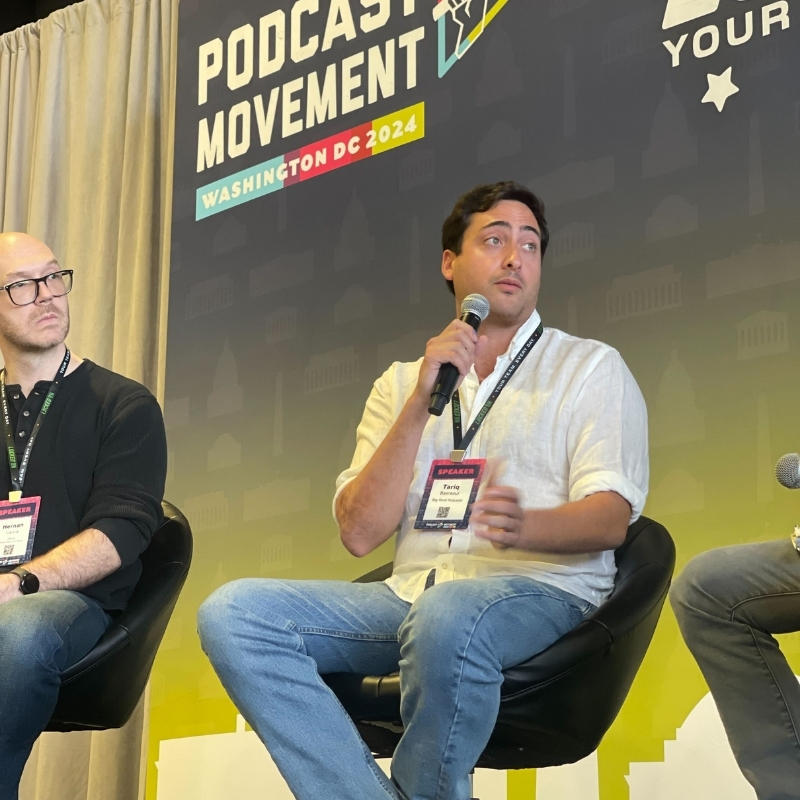
Tariq Basraoui
CEO
Tariq O’Keefe Basraoui, Co-Founder of Big Pond Podcasts, is a seasoned digital marketer and community builder with a track record of success at platforms like TikTok and Zencastr. Known for launching Zencastr’s Creator Network to over 15,000 members in 18 months, his expertise lies in growing user bases and enhancing brand engagement.
His strategic approach to growth and community engagement has established him as a leader in creating some of the fastest-growing media networks in podcasting.
