

Your Podcast Isn’t a Show, It’s a Brand: A Guide to Podcast Brand Management
Too many podcasters think they’re just making a show. They obsess over microphones and download numbers, but forget what truly makes a podcast last: a brand. A show is a file; a brand is a promise. Effective podcast brand management is the strategic process of shaping a distinct identity for your show that attracts a loyal audience and unlocks monetization. It defines your unique value, voice, and visual presence, turning casual listeners into a dedicated community who trusts what you have to say.
The Evolving Podcast Landscape
Podcasting is no longer a niche medium. Global podcast listenership is projected to exceed 500 million people in 2024, and it continues to grow. This explosion in popularity means more opportunity, but also more competition. Simply having great content is not enough to get discovered or build a sustainable show. Your brand is what cuts through the noise. It’s the reason a listener chooses your show out of a dozen others on the same topic and the reason they keep coming back.
Understanding Podcast Brand Management
Podcast brand management is the deliberate, ongoing effort to control the narrative around your show. It’s how you manage your reputation, your messaging, and your audience’s perception. It’s not just about having a logo. It’s about creating a consistent and recognizable experience across every touchpoint, from your audio production to your social media posts. This isn’t a one-time task; it’s a core function of running a successful podcast, just like episode planning or audio editing.
Why Branding Is Critical for Growth
A strong brand builds trust. When listeners know what to expect from your show—whether it’s in-depth analysis, humor, or expert interviews—they are more likely to subscribe and engage. This trust is the foundation for monetization. Brands like BetterHelp and Airbnb invest in podcast advertising not just for reach, but for the authentic connection hosts have with their audience, a connection built on a solid brand foundation. To truly grow your audience, explore proven podcast marketing strategies that move beyond vanity metrics. For brands seeking to turn listener trust into tangible ROI, a podcast ad agency can navigate the complex audio ecosystem. To learn more about how to integrate brands seamlessly, check out our 2026 guide. According to a Nielsen study.com/How-can-brands-effectively-integrate-podcasts-into-their-content-marketing-strategy), host-read ads drive significantly higher brand recall and purchase intent than other forms of audio advertising.
The Difference Between Brand and Marketing
Branding is who you are; marketing is how you tell people about it. Your brand strategy must come first. It dictates your marketing efforts. For example, your brand’s personality (e.g., irreverent and witty) will define the tone of your ad campaigns, the style of your social media content, and how you engage with your community. Without a clear brand, your marketing efforts will be scattered and ineffective.
Key Pillars of Podcast Brand Management
A strong podcast brand is built on several core pillars. Neglecting any one of these can undermine the entire structure. Each element works together to create a cohesive and memorable identity for your show.
Pillar 1: Unique Value Proposition (UVP)
What makes your podcast different from all the others in its category? Your UVP is a clear statement that describes the benefit you offer, for whom you are offering it, and how you do it uniquely. It’s the answer to the listener’s question: “Why should I listen to this show?” For example, instead of “a podcast about movies,” a strong UVP would be “the only podcast that reviews 80s action movies through the lens of their practical effects.”
Pillar 2: Defined Audience Persona
You cannot be everything to everyone. The most successful podcasts have a crystal-clear picture of their ideal listener. Create a detailed persona: what is their age, what do they do for work, what are their hobbies, what other media do they consume? Knowing your listener avatar informs your content, your tone of voice, and your promotional strategies. This is a critical step before you can even think about a create a podcast media kit.
Pillar 3: Consistent Voice and Personality
Your podcast’s voice is its personality. Is it academic and serious, or conversational and funny? Is the host an expert guide, a curious investigator, or a relatable friend? This personality must be consistent in every episode and across all your marketing channels. A listener who loves your witty, fast-paced show will be confused if they find a dry, corporate-sounding social media feed.
Don’t just have a topic, have a take. Your unique perspective is what people subscribe to, not just your subject matter.
Building a Strong Podcast Brand Identity
With your strategic pillars in place, you can start building the tangible assets of your brand identity. These are the elements that listeners will see and hear. They are the sensory expression of your brand strategy.
Naming and Logo Design
Your podcast name and logo are often the first impression a potential listener has of your show. A good name is memorable, easy to say, and hints at the show’s content or tone. Your logo should be legible as a small square thumbnail on podcast apps. It needs to stand out in a sea of other covers. Think of iconic shows; their artwork is instantly recognizable.
The Importance of Visual Branding
Your brand’s visual identity extends beyond your logo. It includes the color palette, typography, and imagery you use on your website, social media graphics, and audiograms. A consistent visual theme reinforces your brand and makes your content immediately identifiable as it travels across different platforms. This visual cohesion signals professionalism and builds credibility with both listeners and potential sponsors.
Personal Branding for the Host
For many podcasts, the host is the brand. Listeners don’t just tune in for the topic; they tune in for the host’s personality, expertise, and storytelling. As a host, your personal brand is inextricably linked to the show. Investing in your own online presence, engaging with listeners on social media, and appearing as a guest on other podcasts are all powerful ways to build both your personal brand and the visibility of your show.
Monetization and Growth Strategies
A well-managed brand is easier to monetize. When advertisers like McDonald’s consider sponsoring a show, they look for a clear brand identity and an engaged audience that aligns with their own. Monetization isn’t just about running ads; it’s about creating value that people are willing to pay for.
From Listeners to Community
Brand management turns a passive audience into an active community. An engaged community is a powerful asset. It provides social proof, creates user-generated content, and offers a direct line of feedback. Fostering this requires consistent work, but it is the key to long-term sustainability. True podcast listener engagement into creating a real connection.
Legal Considerations for Your Brand
As your brand grows, so does the need to protect it. It is crucial to ensure your podcast name and logo don’t infringe on existing trademarks. A simple search on the U.S. Patent and Trademark Office (USPTO) database is a good first step. Similarly, be mindful of music licensing. Using copyrighted music without permission can lead to legal trouble. Be sure to use royalty-free music or obtain proper licenses from services like Soundstripe or Artlist.
Measuring and Adapting Your Podcast Brand Strategy

Podcast brand management is not a “set it and forget it” activity. It requires continuous monitoring and adjustment based on data and audience feedback. What works today might not work next year.
Key Metrics to Track
Beyond download numbers, you should be tracking metrics that reflect brand health:
- Audience Growth Rate: Are you attracting new listeners consistently?
- Listener Retention: What percentage of listeners stick with an episode until the end?
- Website & Social Media Traffic: Is your podcast driving traffic to your other platforms?
- Audience Feedback & Reviews: What are listeners saying about your show on Apple Podcasts, social media, and in emails?
- Sponsor Conversion Rates: If you have sponsors, how are your ads performing? This data is key to your growth and understanding of the future of future podcast advertising trends.
When and How to Rebrand
Sometimes a podcast outgrows its original branding. A rebrand might be necessary if your show’s focus has shifted, your target audience has changed, or your current branding simply feels dated. A successful rebrand is more than just a new logo. It requires a clear strategy, transparent communication with your existing audience, and a coordinated rollout across all platforms.
Your brand isn’t what you say it is. It’s what your listeners tell their friends it is.
Common Podcast Brand Archetypes
| Archetype | Core Identity | Example Content | Voice & Tone |
|---|---|---|---|
| The Expert | Authoritative, credible, educational. | Deep dives, tutorials, interviews with leaders. | Professional, clear, confident. |
| The Storyteller | Narrative, emotive, immersive. | Serialized non-fiction, personal journeys. | Evocative, personal, suspenseful. |
| The Investigator | Curious, journalistic, truth-seeking. | True crime, historical mysteries, industry exposés. | Inquisitive, objective, detailed. |
| The Entertainer | Humorous, charismatic, relatable. | Comedy, pop culture commentary, interviews. | Witty, conversational, energetic. |
FAQ
How do I define my podcast’s brand voice?
Start by writing down three to five adjectives that describe your show’s desired personality (e.g., “witty,” “inspirational,” “skeptical”). Then, analyze your speech patterns. Do you use slang or formal language? Are you high-energy or calm? This voice should feel authentic to the host and appeal to your target listener.
What are the most common podcast branding mistakes?
Inconsistency is the biggest mistake. This includes changing your format without warning, having a visual brand that doesn’t match your audio tone, or promoting in a way that feels off-brand. Another common error is having a vague or generic brand that fails to stand out in a crowded market.
How much should I budget for podcast branding?
This can range from nearly zero to thousands of dollars. You can create basic assets yourself using tools like Canva. A professional designer for a logo and brand kit can cost anywhere from $500 to $5,000+. The most important investment is your time in developing a clear strategy before you spend any money.
How long does it take to build a recognized podcast brand?
Building a brand takes time and consistency. You might start seeing some recognition within 6-12 months of consistent publishing and promotion. However, creating a strong, reputable brand that has true equity with an audience can take several years of dedicated effort.
Building a powerful podcast brand is a journey, not a destination. It requires strategic thinking, consistent effort, and a willingness to adapt. But the reward is a show that not only survives but thrives, creating a lasting impact and generating real value. If you’re ready to turn your show into a brand, we’re here to help you navigate the path to growth and monetization.
About the author
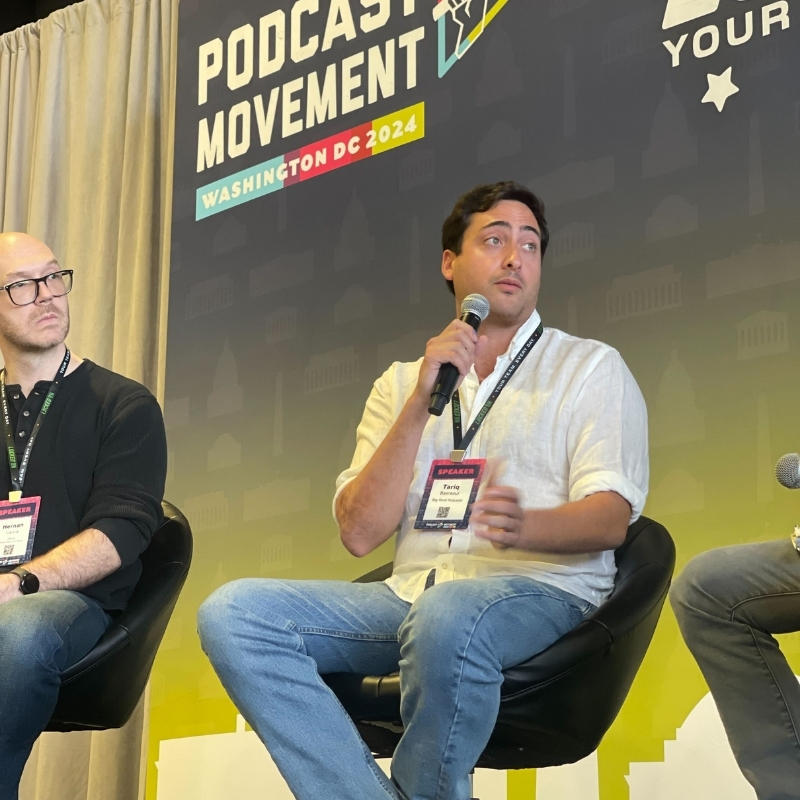
Tariq Basraoui
CEO
Tariq O’Keefe Basraoui, Co-Founder of Big Pond Podcasts, is a seasoned digital marketer and community builder with a track record of success at platforms like TikTok and Zencastr. Known for launching Zencastr’s Creator Network to over 15,000 members in 18 months, his expertise lies in growing user bases and enhancing brand engagement.
His strategic approach to growth and community engagement has established him as a leader in creating some of the fastest-growing media networks in podcasting.
