

The 2026 Guide to Authentic Strategies for Podcast-audience-engagement-and-awareness/).co/reach/podcast-listener-engagement) Listener Engagement
“Downloads are a vanity metric. For years, podcasters have been conditioned to chase bigger and bigger download numbers, but that number tells you almost nothing about the health of your show. Effective strategies for podcast listener engagement focus on converting passive listeners into an active, dedicated community. This involves creating interactive content, fostering two-way communication, and providing genuine value beyond the audio itself. To truly grow your audience, move beyond vanity metrics and buy engagement tools. True growth isn’t just about reaching more people; it’s about creating a deeper connection with the ones you already have.”
Stop Chasing Downloads: Why Engagement is Your Real KPI
Chasing download numbers is a fool’s errand. While working to grow the Zencastr Creator Network to over 15,000 members, the most successful shows weren’t always the ones with the largest download counts. They were the ones with the most vibrant communities.
An audience listens. A community participates, advocates, and provides feedback. That’s where the real value lies, both for your creative satisfaction and for potential monetization. Advertisers are increasingly looking beyond simple CPMs; they want to see an active and loyal listener base, the kind we help facilitate for brands like BetterHelp and Airbnb.
Why Engagement Matters More Than Audience Size
A show with 1,000 highly engaged listeners is far more valuable than a show with 100,000 passive listeners. Engaged listeners are more likely to support you financially through memberships or merch, act on your recommendations, and share your show with others. According to a 2023 report from Edison Research, “super listeners”—those who listen 5+ hours a week—are a podcast’s most valuable asset.
The Shift from CPM to CPE (Cost Per Engagement)
Sponsors are getting smarter. They know a download doesn’t equal a listen, and a listen doesn’t equal attention. The industry is slowly shifting towards valuing engagement through metrics like social media mentions, community participation, and response to specific calls-to-action. Building a strong media kit is a great way to showcase this engagement to potential sponsors.
An audience is a group of people who consume your content. A community is a group of people who care about each other, connected by your show.
Understanding Podcast Listener Behavior
Your podcast analytics are a goldmine for understanding what your listeners want. Don’t just glance at the download numbers and call it a day. Dig into the data to see how people are listening. At Big Pond Podcasts, our platform provides detailed analytics to help you pinpoint exactly what resonates with your audience.
Beyond Demographics: What Your Analytics Are Really Saying
Demographics are just the starting point. Look at consumption rates. Where are your listeners dropping off? A consistent drop-off point 10 minutes into every episode is a clear signal that your intro is too long or your first segment isn’t compelling enough. Conversely, high consumption rates for a specific episode type tell you exactly what to make more of.
Tracking Listening Patterns and Drop-off Rates
Most podcast hosting platforms provide data on listener drop-off. Use this to analyze your episode structure. Are you losing people during ad breaks? Maybe the transition is too jarring. Is there a spike in shares at a particular moment? That’s a “Momentum Clip” you should be promoting on social media.
Content Strategies for Engagement
Passive content gets passive listeners. To build engagement, you need to create content that actively invites participation. This means shifting your mindset from producing a monologue to hosting a conversation.
Designing Interactive Episode Formats
Break the mold of the standard interview or solo show. Experiment with formats that require listener input. This could be a monthly Q&A episode, a segment where you review listener-submitted stories, or even interactive polls within your show notes that you discuss in the next episode. For example, the My Favorite Murder podcast built a massive community partly by dedicating segments to listener-submitted “hometown” stories.
Creating “Momentum” with Shareable Audio Clips
Identify the most quotable, hilarious, or insightful 30-60 second moment in your episode. Use a tool like Headliner or Descript to turn it into a visually appealing audiogram. Post this clip on Instagram Stories, TikTok, or YouTube Shorts with a direct link to the full episode. This creates a low-friction entry point for new listeners and a shareable asset for current fans.
Exclusive Content: Rewarding Your Most Loyal Fans
Your most dedicated listeners want more from you. Offering subscriber-specific content through platforms like Patreon or your own membership system is a powerful way to reward them. This doesn’t have to be a whole other show; it can be bonus Q&A, ad-free episodes, or early access to content. It acknowledges their support and strengthens their bond with your show.
Building a Thriving Community Around Your Podcast
Your podcast should be the central hub of a community, not just a media product. Giving your listeners a place to connect with you and with each other transforms your show into a movement. It builds a moat around your podcast that competitors can’t easily cross.
Choosing the Right Platform for Your Community
Where your community lives is critical. Different platforms serve different needs. A 2022 Pew Research Center study highlights the distinct user bases of each platform, which can help guide your choice.
| Platform | Pros | Cons | Best For |
|---|---|---|---|
| Discord | Highly customizable, real-time chat, voice/video channels. | Can be complex for new users, requires active moderation. | Gaming, tech, and niche hobbyist podcasts. |
| Built-in discovery, threaded conversations, user-led moderation. | Anonymity can lead to toxicity, less personal. | True crime, news, and educational podcasts. | |
| Facebook Groups | Large existing user base, easy to set up, event features. | Low organic reach, data privacy concerns. | Local-focused or older demographic podcasts. |
| Slack | Professional feel, great for integrations, organized channels. | Limited free history, can feel like “work.” | Business, marketing, and professional development podcasts. |
From Listener to Community Member
Here’s a simple process to guide listeners into your community:
- Consistent Invitation: Your call-to-action (CTA) shouldn’t just be at the end. Mention your community at the start, middle, and end of your episodes.
- Clear Value Proposition: What’s in it for them? Tell them specifically what they get by joining (e.g., “Join our Discord to continue the discussion from today’s episode.”).
- Low-Friction Onboarding: Make the link easy to find and the sign-up process simple. Use a memorable URL like
YourShow.com/community. - Welcome Ritual: Have a welcome channel or a pinned post that greets new members and explains how to get involved.
- Stoke the Fire: As the creator, you need to initiate conversations and model the behavior you want to see.
Featuring Listeners on the Show
One of the most powerful engagement tools is to feature your listeners directly. Read their emails, play their voicemails, or even have them on as a guest. When people feel seen and heard, their loyalty skyrockets. It shows you respect their contribution and view them as collaborators, not just consumers.
Mastering Direct Communication and Feedback Loops
Engagement is a two-way street. You need to create clear, consistent channels for your listeners to talk back to you, and you need to show them you’re listening. This builds the trust that great podcast brands—like our client New Era—are built on.
The Art of the Call-to-Action (That Actually Works)
Most CTAs are weak because they are generic (“Please rate and review!”) and self-serving. A strong CTA is specific, value-driven, and conversational. Instead of begging for a review, ask a question related to the episode’s content: “We just debated the best 90s sci-fi movie. Go to our Instagram and tell me why I’m wrong.”
The most effective call-to-action isn’t a demand for a review; it’s an invitation into a conversation that deepens the listener relationship.
Structuring Q&A and AMA Segments
“Ask Me Anything” segments are a fantastic way to engage your audience, but they require structure. Use a service like Google Forms or a dedicated channel in your community to collect questions in advance. This allows you to screen them for quality and group similar questions together, creating a more cohesive and valuable segment for everyone.
Managing Feedback: The Good, The Bad, and The Angry
Not all feedback will be positive. Handling criticism gracefully is a key part of community management. The lessons from “The ‘No, But’ Guy” in online communities apply directly to podcasters. Acknowledge valid criticism, correct factual errors, and ignore trolls. Addressing negative feedback thoughtfully can turn a detractor into a loyal fan by showing you are open and responsive.
Turning your audience into a community is one of the best ways to grow your revenue, and you can explore more about what is working now in our breakdown of podcast monetization trends.
FAQ
How do I measure listener engagement?
Look beyond downloads. Key metrics include average consumption rate (what percentage of an episode people finish), social media mentions and shares, comments on your posts, participation in your community (like a Discord or Facebook group), and responses to your in-episode calls-to-action.
What if my podcast audience is small?
A small audience is the perfect place to start building deep engagement. It’s easier to have one-on-one conversations and make each listener feel valued. Focus on super-serving this core group; they will become your evangelists and help you grow.
How often should I ask for listener feedback?
Make it a consistent part of your show’s structure, but don’t overdo it. A good rule of thumb is one clear, specific call-to-action per episode. You can also have a recurring monthly segment, like a Q&A, which creates a predictable opportunity for interaction.
Can negative feedback actually be good for my podcast?
Absolutely, if handled correctly. Legitimate criticism is free consulting. It can highlight blind spots in your content or production. Addressing it publicly and thoughtfully shows that you respect your audience’s opinion and are committed to improving, which builds immense trust.
At Big Pond Podcasts, we empower creators with the tools and strategies to not only grow but also deeply connect with their audience. If you’re ready to build a loyal community and explore new monetization opportunities, reach out to our team today.
About the author
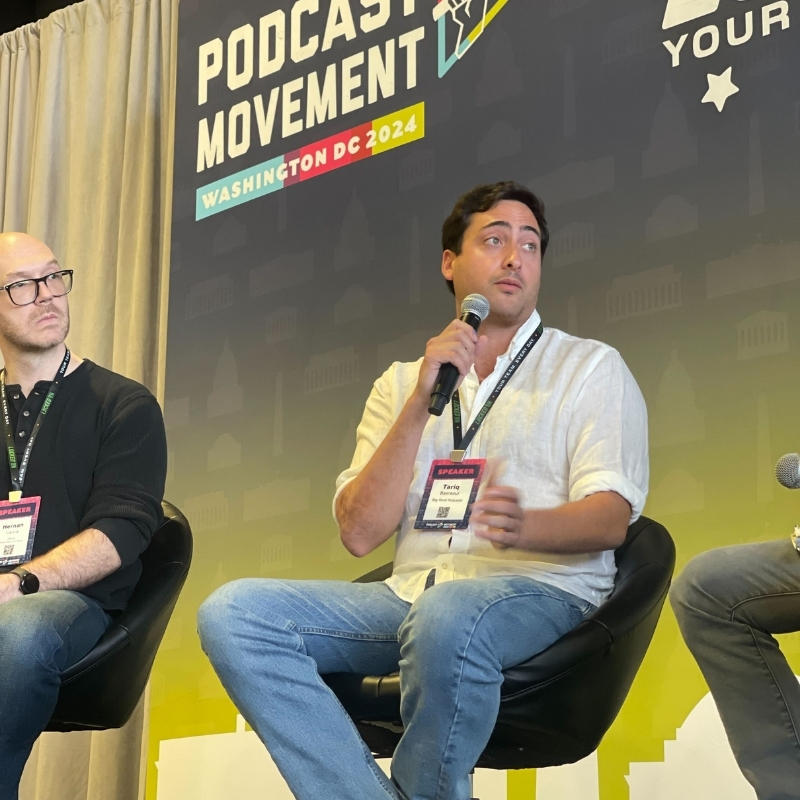
Tariq Basraoui
CEO
Tariq O’Keefe Basraoui, Co-Founder of Big Pond Podcasts, is a seasoned digital marketer and community builder with a track record of success at platforms like TikTok and Zencastr. Known for launching Zencastr’s Creator Network to over 15,000 members in 18 months, his expertise lies in growing user bases and enhancing brand engagement.
His strategic approach to growth and community engagement has established him as a leader in creating some of the fastest-growing media networks in podcasting.
