

Forget Commercial Breaks: A Guide to Integrating Brands into Podcast Episodes
Throwing a 30-second ad into a podcast is like shouting a commercial at a dinner party. It’s an interruption, not a conversation. Truly effective brand integration in podcasts isn’t about buying a time slot; it’s about becoming part of the story. Integrating brands into podcast episodes means weaving a product or service into the narrative so it feels like a natural extension of the content, recommended by a trusted host. This method builds deep listener trust and drives higher engagement because it respects the intimate relationship between the host and their audience.
Understanding Podcast Brand Integrations

Brand integration is a spectrum. On one end, you have subtle mentions, and on the other, you have entire series built around a brand’s ethos. It’s crucial to distinguish between these forms to choose the right strategy for your goals.
Branded Podcasts vs. In-Episode Integration
A branded podcast is a show produced by a company to explore topics related to its industry or values. Think of “The Message” by General Electric or the classic “Inside Trader Joe’s.” These are long-term content marketing plays. In-episode integration, however, is about placing a brand within an existing podcast. This can range from a host-read ad to a sponsored segment or a guest appearance by a brand expert. While we help brands like Magnite with sophisticated advertising tech, the real magic often happens with simpler, more direct host-voiced integrations.
The History and Evolution with IMC
The earliest forms of brand integration date back to radio soap operas funded by soap manufacturers. The principles of this Integrated Marketing Communications (IMC) approach are stronger than ever in podcasting. Early digital ads were intrusive, but podcasting brought back the power of the trusted, personal endorsement. This isn’t just about reach; it’s about resonance. According to a study highlighted by Ad Age, brands are increasingly turning to creators to foster more authentic connections.
Why it Works: The Parasocial Relationship
Listeners develop strong, one-sided relationships with podcast hosts, known as parasocial relationships. They trust the host’s recommendations as they would a friend’s. When a host genuinely talks about using a product or service, it doesn’t register as a traditional ad. I’ve seen this firsthand. When we connect advertisers with podcasters, the most successful campaigns are from brands like BetterHelp that empower hosts to share personal stories, not just read a script.
The Brand-Listener Connection: Why it Matters
The connection forged between a podcast host and their listener is unique in media. It’s an intimate, trust-based relationship built over hundreds of hours. Successful brand integration respects and contributes to that connection rather than exploiting it. The result is better outcomes for the brand and a better experience for the listener.
Building Trust and Authenticity
When a host shares their experience with a brand, it cuts through the noise of traditional advertising. A recent report on content marketing strategy emphasizes that podcasts build an unparalleled level of trust. A scripted ad can be ignored, but a genuine story from a trusted voice is memorable. This is why host-read ads consistently outperform other formats in listener recall and trust.
Driving Engagement and Leads
This trust translates directly into action. A study found that 60% of podcast listeners have purchased a product they heard about on a podcast. This isn’t passive listening; it’s an active, engaged audience ready to act on a host’s recommendation. Brands see this in their metrics, moving beyond simple downloads to track conversions and leads, a key part of our focus when building a podcast monetization strategy.
The goal isn’t for the audience to tolerate your brand’s presence. The goal is for them to appreciate the value it adds to the episode they chose to download.
Reaching Niche, Attentive Audiences
Podcasting allows brands to connect with highly specific, passionate communities. From rock climbers to vintage pen collectors, there is a podcast for every interest. This lets brands like Airbnb, who have worked with podcasters, to move beyond broad demographics and target audiences based on shared passions and values, ensuring their message reaches the most receptive ears.
A Strategic Approach to Integrating Brands into Podcast Episodes
Effective integration isn’t accidental; it’s the result of a deliberate strategy rooted in clear goals, smart partnerships, and a deep understanding of the medium.
Step 1: Define Your Integration Goals
What does success look like? Your entire approach changes based on the answer.
- Awareness: You want the podcast’s audience to know your brand exists. The key metric is reach and listener recall. A simple, well-placed host-read mention can achieve this.
- Consideration & Leads: You want listeners to visit your website, download a resource, or sign up for a trial. This requires clearer calls-to-action, vanity URLs, and promo codes. The integration needs to be compelling enough to drive immediate action.
- Sales & Conversion: The ultimate goal is to drive purchases. This often involves exclusive offers and tracking sales directly attributable to the podcast. This requires a deeper, more persuasive integration and a very strong host endorsement.
Step 2: Find the Right Podcast Partners
Look beyond download numbers. The right partner has an audience that aligns with your brand’s values and a host who can speak authentically about your product. A well-crafted crafted podcast media kit is a great starting point for evaluating potential partners. Look for clear audience demographics, engagement metrics, and examples of past brand collaborations.
Step 3: Use Platforms to Facilitate Partnerships
Finding the right partner, negotiating rates, and managing campaigns can be complex. This is where influencer marketing agencies and platforms like Big Pond Podcasts come in. We bridge the gap between creators and brands, using our tools to manage everything from discovery and payment to campaign analytics, ensuring a smooth process for both sides.
Execution: Best Practices for Native Advertising
Once you have a strategy and a partner, the focus shifts to execution. How do you actually make a brand integration feel native and compelling? The answer lies in storytelling and respecting the listener.
Storytelling for Brands: Making the Brand a Character
Don’t just list features and benefits. Tell a story. How did the product solve a real problem for the host? Can the brand’s origin story be woven into a conversation? The brand shouldn’t be the hero of the story—the host or their guest is the hero. The brand is the tool that helps the hero win.
The In-Episode Integration Spectrum
| Integration Type | Description | Best For | Host Involvement |
|---|---|---|---|
| Host-Read Ad | The host reads a script or talking points about the brand. | Broad Awareness, Direct Response | Medium to High |
| Sponsored Segment | A specific part of the show (e.g., a Q&A) is presented by the brand. | Deeper Storytelling, Association | Medium |
| Guest Appearance | An expert or founder from the brand joins as a guest. | Thought Leadership, Education | Low (as a Host) |
| Organic Mention | The host naturally mentions a product they use and love. | Maximum Authenticity | High (requires genuine usage) |
| Affiliate Marketing | Host earns a commission for sales via a specific link/code. | Driving Sales, Performance Tracking | Medium |
Ethical Considerations and FTC Disclosures
Trust is your most valuable asset. The U.S. Federal Trade Commission (FTC) requires that all paid endorsements be clearly disclosed. This isn’t just a rule; it’s good practice. Listeners are savvy and appreciate transparency. Disclosures should be made in the audio itself, not just in the show notes. A simple “Thanks to [Brand] for sponsoring this episode” is often sufficient, as detailed in the FTC’s own guidelines.
Measuring Real Impact: ROI and Effectiveness
Measuring the success of a podcast integration requires looking beyond vanity metrics like download numbers. True measurement connects the integration to tangible business outcomes.
Tools and Metrics for Podcast Measurement
Vanity URLs (e.g., brand.com/podcast) and unique promo codes are the simplest way to track direct traffic and conversions. For broader awareness campaigns, post-listen surveys can measure brand lift and recall. At Big Pond, we provide advertisers with detailed analytics on listener engagement, helping them understand the real impact of their spend.
Don’t just buy space on a podcast. Earn a place in the conversation by adding value to the listener’s experience.
Comparing ROI: In-Episode vs. Branded Podcasts
In-episode integrations typically offer a more immediate and measurable return on investment, making them ideal for performance-focused campaigns. A branded podcast is a long-term brand-building asset. The ROI is measured less in direct sales and more in audience growth, brand affinity, and industry authority over several years. Assessing trends in podcast advertising can help you decide where to place your bets.
Repurposing and Amplifying Your Integrated Content
The value of a great brand integration doesn’t end when the episode does. Smart marketers amplify their investment by repurposing podcast content across all their channels. This is a core concept that we explore extensively.
From Audio to Video, Social & Blog Content
Turn a 5-minute sponsored segment into a shareable audiogram or video clip for Instagram and TikTok. Transcribe the integration and use it as the foundation for a blog post detailing the collaboration. Pull compelling quotes from the host and create graphic assets for social media. Each new asset creates another entry point for your audience to discover the content.
Case Studies of Successful Brand Integrations
We can look to major brands for inspiration. Adobe’s former “Wireframe” podcast explored design stories, perfectly aligning with its creative software products. Basecamp.
About the author
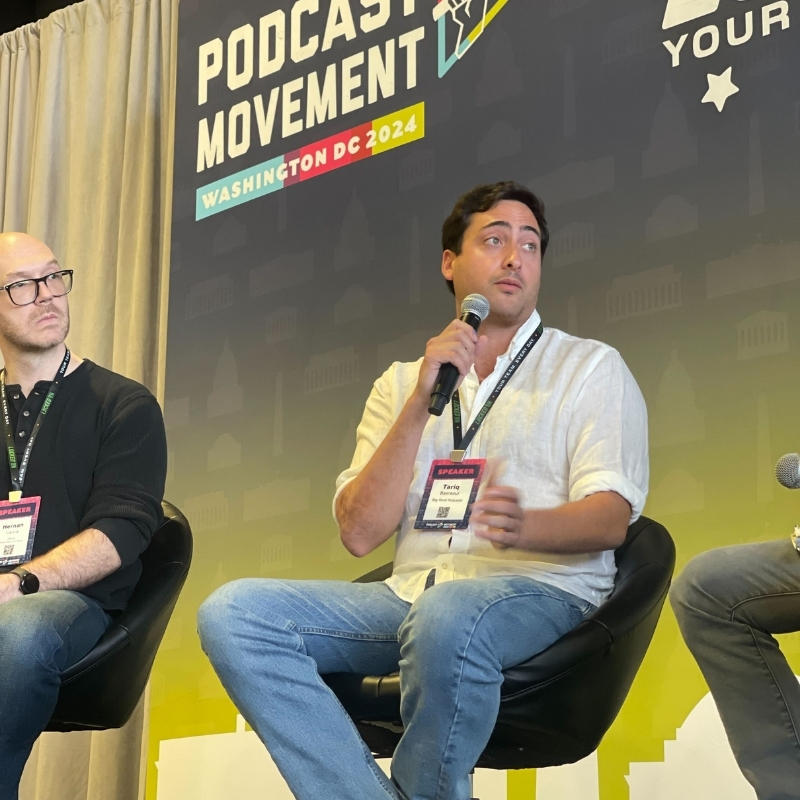
Tariq Basraoui
CEO
Tariq O’Keefe Basraoui, Co-Founder of Big Pond Podcasts, is a seasoned digital marketer and community builder with a track record of success at platforms like TikTok and Zencastr. Known for launching Zencastr’s Creator Network to over 15,000 members in 18 months, his expertise lies in growing user bases and enhancing brand engagement.
His strategic approach to growth and community engagement has established him as a leader in creating some of the fastest-growing media networks in podcasting.
