

Most podcasters track the wrong things. They obsess over download numbers—a metric that says nothing about whether an audience actually cares about the content. The best podcast listener engagement tools to buy are those that shift focus from passive downloads to active participation through direct audience interaction, deep analytics, and seamless integration with your existing podcast host. For a deeper dive into these solutions, explore the best engagement tools. True growth comes from building a community, not just accumulating plays.
Effective listener engagement is the foundation for a sustainable podcast. It directly impacts listener retention, provides invaluable feedback for content planning, and creates a loyal audience that advertisers, like BetterHelp, find highly valuable. This is how we consistently help creators monetize and grow their podcasts.
#1: Direct Integration with Your Hosting Platform
Your engagement tool shouldn’t create more work. If it doesn’t connect directly with your podcast hosting platform, you’re signing up for a manual data-entry nightmare. This is the single most important technical criterion.
Look for native integrations or robust API access via tools like Zapier. A truly integrated tool can automatically pull episode data, sync listener feedback to specific timestamps, and enrich your existing analytics without you lifting a finger. Before you buy, check the tool’s integration directory or ask their support team specifically about your hosting provider.
A good answer is a one-click authentication. A bad answer is “you can export a CSV.”
#2: Features for Direct Audience Interaction
Engagement isn’t a report; it’s a conversation. The entire point of these tools is to close the gap between you and your listeners. Passive analytics can only tell you what happened, not why.
Prioritize tools that offer multiple ways for your audience to talk back. This could include features for submitting timestamped audio comments, participating in live chats during premieres, answering in-episode polls, or dedicated Q&A sections in your show notes. According to monthly podcast listening has grown, making these interactive features crucial for standing out.
The difference between a listener and a fan is interaction. A listener consumes; a fan contributes.
These features transform your podcast from a monologue into a dialogue, giving your most dedicated fans a reason to connect with the show and each other.
#3: Understanding Podcast Engagement Metrics
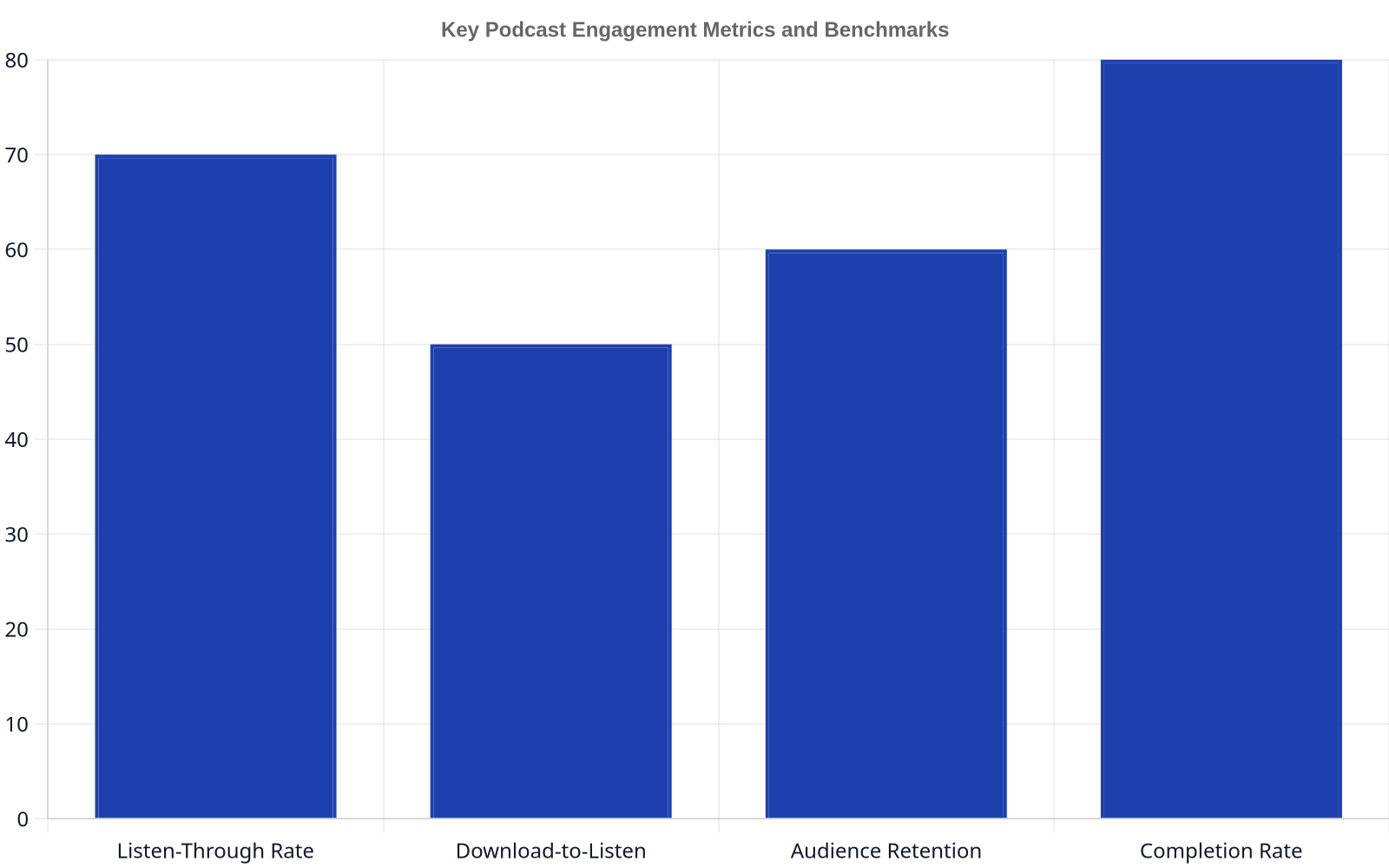
Downloads are a vanity metric. True engagement metrics tell you about listener behavior and loyalty. Your tool must provide analytics that go beyond simple play counts.
Look for metrics like average consumption rate (what percentage of an episode do people finish?), drop-off points, and listener retention over time. These data points are gold. They show you exactly which segments are resonating and where your audience loses interest, allowing you to refine your content strategy. A platform that offers these insights is essential for long-term growth. For more on this, our guide on podcast growth trends is a useful resource.
#4: Data Ownership & Monetization Pathways (The Overlooked Criterion)
Many podcasters overlook this until it’s too late: who owns the audience data? Some platforms lock you in, making it impossible to export your listener contacts or analytics if you decide to leave. This is a critical mistake.
Before you commit, read the terms of service carefully. You must own your data, including listener email addresses, survey responses, and contact information. This data is your direct line to your audience and a primary asset for monetization. It allows you to build an email list, which is a key step in our advice to diversify your income.
Furthermore, assess how the tool supports your monetization goals. Does it help you identify your most engaged listeners for a premium community? Does it integrate with ad platforms to provide better reporting for sponsors? A tool that helps you make money is an investment; one that just costs money is an expense.
#5: Comparing Podcast Engagement Platforms
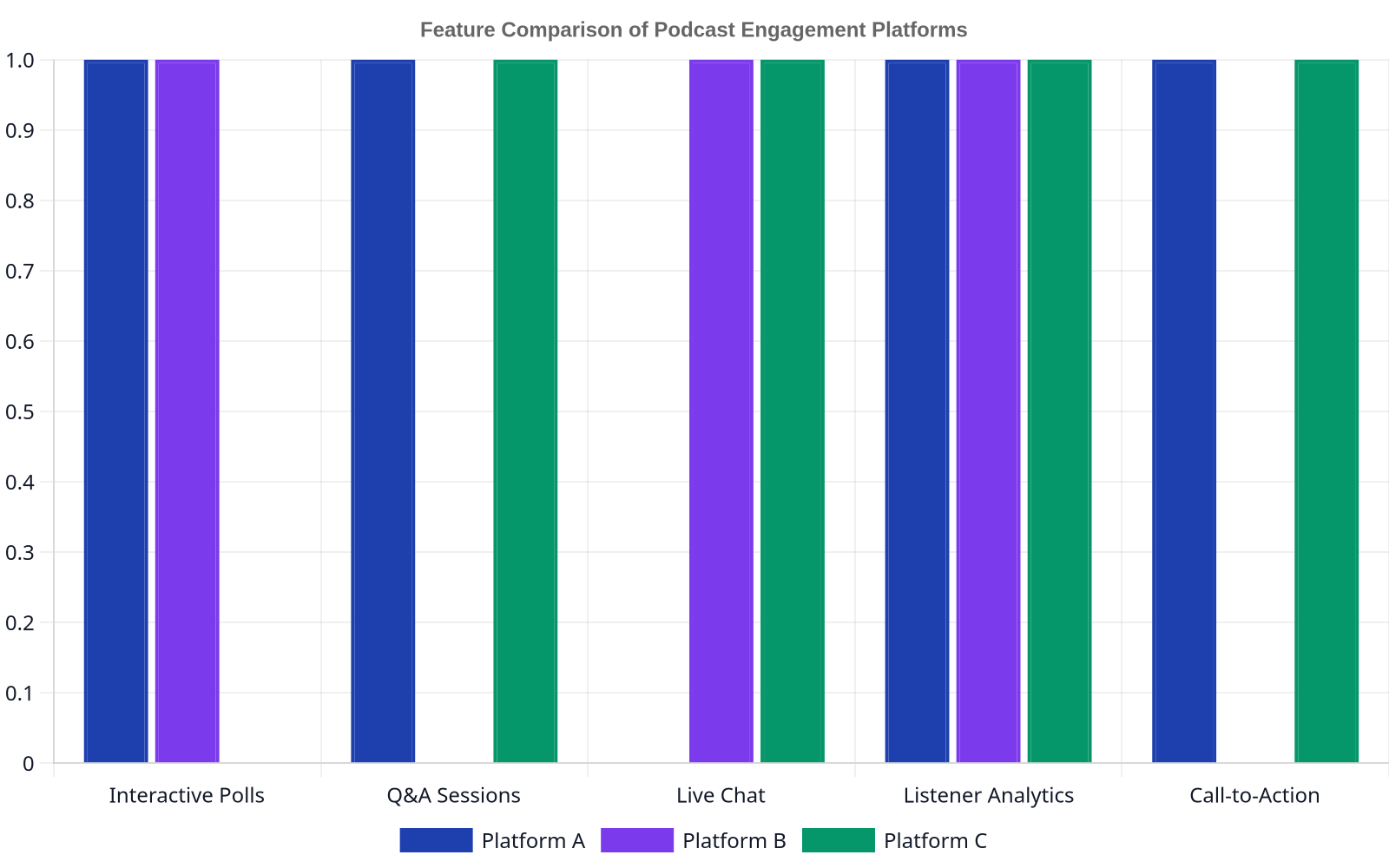
A side-by-side analysis of features is a necessary step. Don’t just look at the marketing copy on their homepages. Dig into the actual functionality and how it applies to your specific show format and goals.
Create a simple spreadsheet. List your must-have features on one axis and the tools you’re considering on the other. This visual comparison clarifies which platform truly aligns with your needs, whether that’s running listener surveys, hosting live Q&As, or building an interactive content library.
#6: The Impact of Engagement Tools on Listener Growth
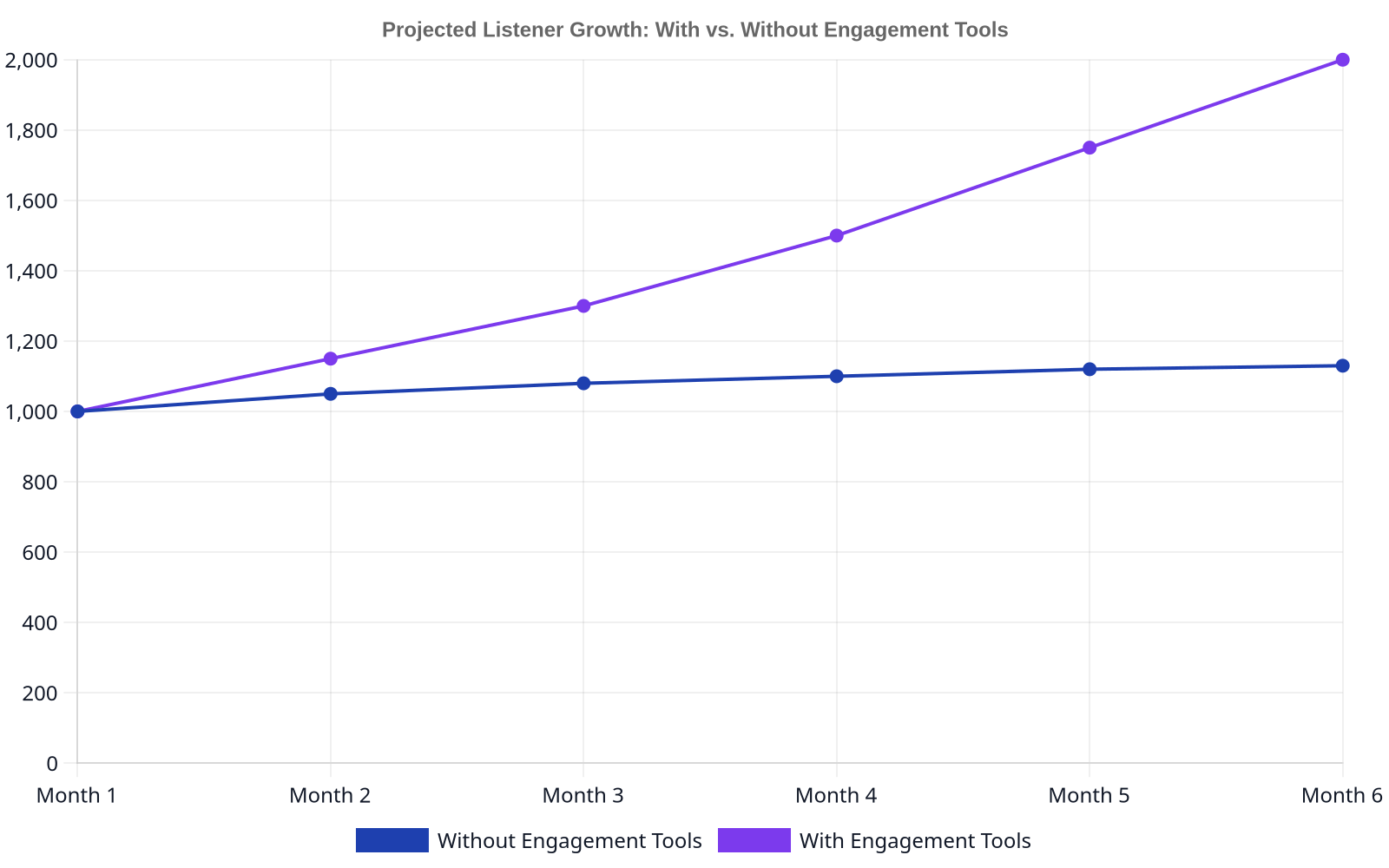
Choosing the right tools has a direct and measurable effect on your podcast’s trajectory. By fostering a more interactive and responsive environment, you increase listener loyalty and word-of-mouth marketing. This is how small shows grow into powerful networks.
Engaged listeners are more likely to share episodes, leave reviews, and support the show financially. Over time, this creates a compounding growth effect. We see this across the get in touch with us in our network; shows that prioritize interaction retain listeners at a much higher rate.
Don’t just build an audience; build a community. An audience listens, but a community participates, advocates, and buys.
#7: Scalability and Pricing Models
Your podcast won’t be the same size a year from now. Your engagement tool needs to be able to grow with you. A tool that’s perfect for 1,000 listeners might become prohibitively expensive at 50,000.
Examine the pricing tiers. Is it based on downloads, active listeners, or feature sets? Avoid models that penalize you for growth. A platform that charges per-download for engagement features can quickly become unsustainable. Look for predictable, flat-fee pricing or tiers that offer clear value at each stage of your podcast’s journey.
Questions to Ask Before You Commit
Copy and paste these directly into an email to a potential vendor. The quality of their answers will tell you everything you need to know.
- Do you have a native integration with [Your Hosting Platform]?
- How do you measure listener consumption or completion rates?
- Can I export all of my listener data, including email addresses?
- What interactive features (polls, Q&A, voice notes) do you offer?
- How does your pricing scale as my audience grows?
- Can I see a case study of a podcast like mine using your tool?
- What is your roadmap for new features in the next 12 months?
- How do you help podcasters monetize their engaged audience?
- Is your platform compliant with privacy regulations like GDPR and CCPA?
- What does your support process look like for creators on the basic plan?
Red Flags: When to Walk Away
- Vague Answers: If a vendor can’t give you a straight answer on data ownership or pricing, run.
- No Social Proof: They can’t name any established podcasts using their tool.
- Locked-In Data: Any platform that makes it difficult or impossible to export your audience data is a trap.
- Per-Download Pricing: This model is outdated and punishes you for success.
- Poor User Interface: If the dashboard is confusing during the free trial, it won’t get better once you’re a paying customer.
A Simple Decision Framework
Don’t get overwhelmed. Weigh your choice based on your primary goal.
- If your priority is community building: Weight criteria #2 (Direct Interaction) and #4 (Data Ownership) highest. You need tools that foster conversation and give you a direct line to your fans.
- If your priority is content improvement: Weight criterion #3 (Engagement Metrics) highest. You need deep analytics on listener behavior to see what’s working.
- If your priority is monetization: Weight criteria #4 (Data Ownership & Monetization) and #7 (Scalability) highest. You need to own your audience and have a clear path to revenue that doesn’t break the bank as you grow.
Further reading
- Best Podcast Advertising Platforms Reviews 2026 – Gartner
- As podcast audiences broaden, so should advertiser engagement …
FAQ
What is the first step to improve podcast listener engagement?
The first step is to explicitly ask for it. Create a simple, clear call-to-action in your episodes asking listeners a specific question and directing them to one place—like a Q&A tool or a voice note submission page—to answer it. Making it easy and specific is key.
How do I measure listener engagement accurately?
Look beyond downloads. The IAB (Interactive Advertising Bureau) provides technical guidelines for podcast measurement that define these metrics.
Are listener surveys effective for engagement?
Yes, very. But keep them short and focused. Instead of a 20-question annual survey, try a one-question poll in your show notes each week. This provides continuous feedback and feels more interactive for the listener.
What’s the ROI on engagement tools?
The return is both qualitative and quantitative. Qualitatively, you get better content ideas and a stronger community. Quantitatively, higher engagement leads to higher listener retention and value for advertisers. A podcast ads can drive a 14-point lift in purchase intent, a figure that is amplified by an engaged audience.
How much should I budget for these tools?
It varies widely, from free basic tools to hundreds of dollars per month for enterprise-level platforms. The key is to ensure the tool’s cost is justified by the value it provides in audience insights or monetization support.
Can social media work as an engagement tool?
It can, but it’s often less effective. Social media platforms are noisy and designed to keep users on their platform, not yours. Directing listeners to a dedicated, integrated tool within your podcast app or website keeps their focus on your content and makes their feedback easier to manage and analyze.
Choosing the right tools is about choosing the right strategy. Focus on building a community, not just counting downloads. At Big Pond Podcasts, we help creators find the right path to growth and monetization. If you’re ready to turn your listeners into a community, get in touch with us.
About the author
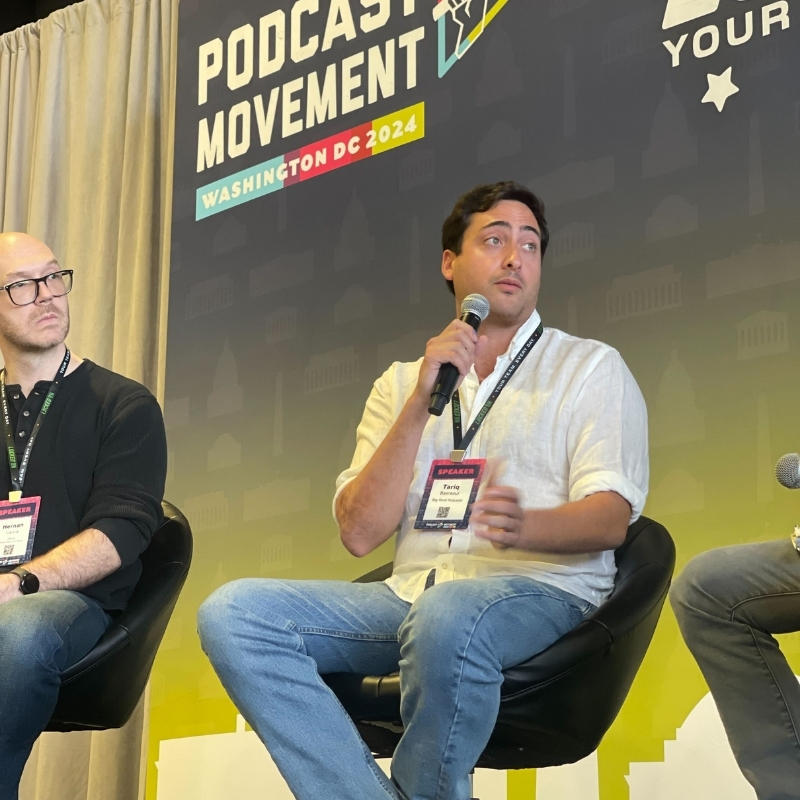
Tariq Basraoui
CEO
Tariq O’Keefe Basraoui, Co-Founder of Big Pond Podcasts, is a seasoned digital marketer and community builder with a track record of success at platforms like TikTok and Zencastr. Known for launching Zencastr’s Creator Network to over 15,000 members in 18 months, his expertise lies in growing user bases and enhancing brand engagement.
His strategic approach to growth and community engagement has established him as a leader in creating some of the fastest-growing media networks in podcasting.
