

Is the podcast creator economy just about slapping some ads on your show? That’s a dangerously incomplete picture. The podcast creator economy is the entire ecosystem of independent creators, advertisers, and service providers who build businesses around audio content. This includes everything from direct listener support and affiliate marketing to selling courses and merchandise, all anchored by the trust a host builds with their audience. It’s a shift from chasing downloads to building a community-driven business.
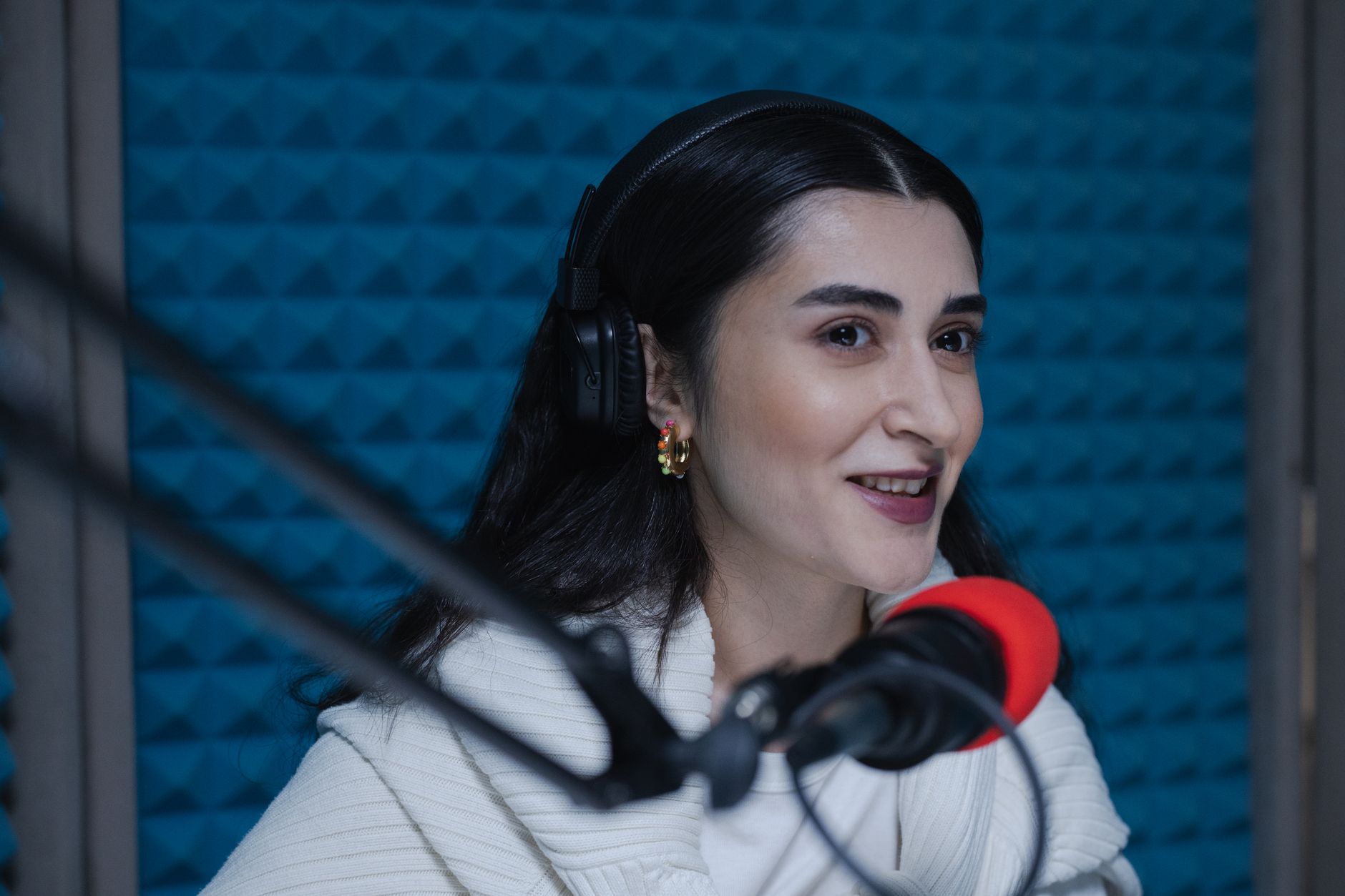
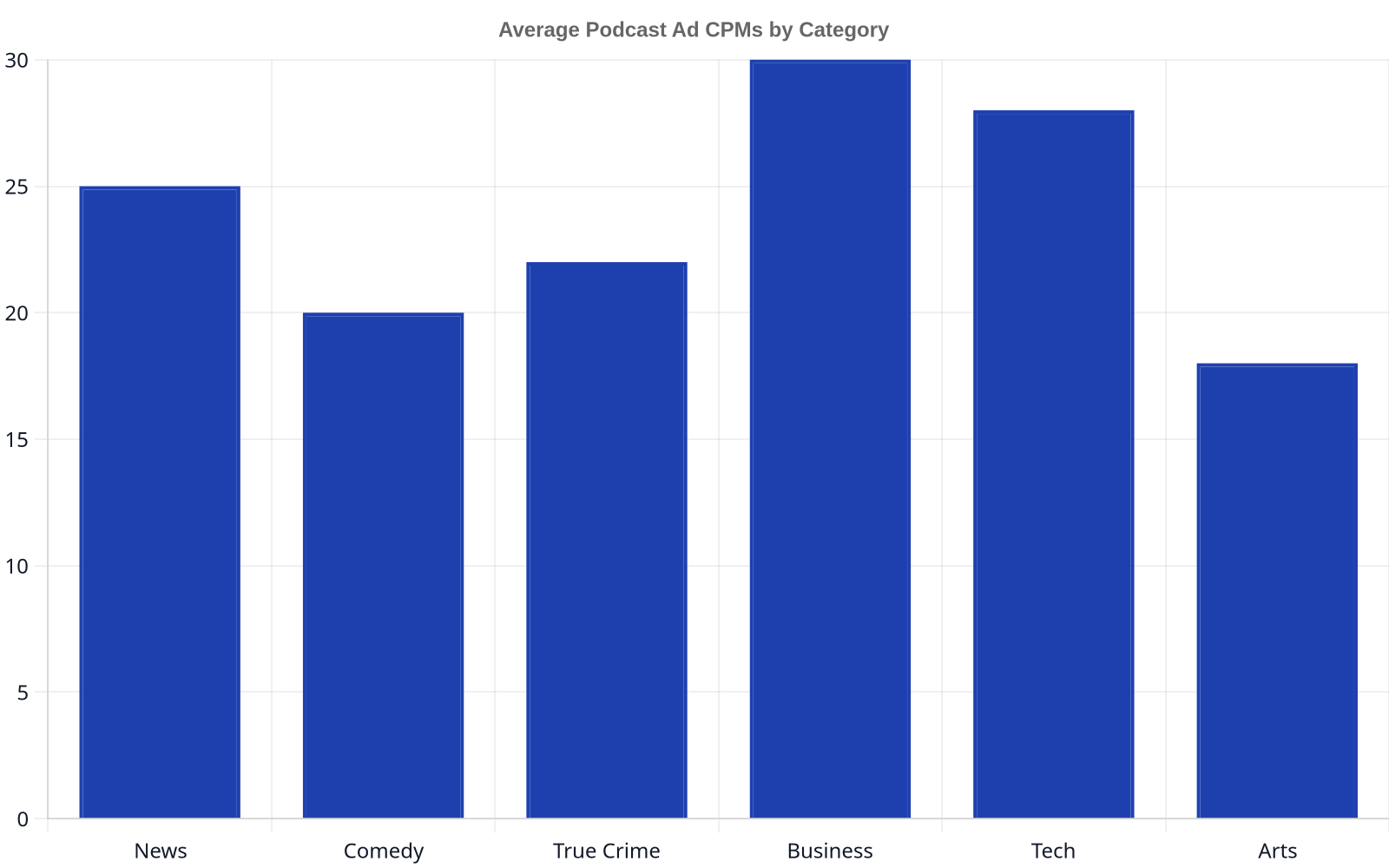
The podcast creator economy landscape refers to the full array of individuals, platforms, and monetization methods that allow podcasters to generate income from their work. It goes far beyond simple advertising. It encompasses a diverse set of revenue streams that creators can tap into, transforming their podcast from a hobby into a sustainable enterprise. For example, even with 100 listeners, there are podcast monetization methods beyond just ads. This financial structure is built on the direct relationship creators have with their listeners.
At its core, this landscape includes direct-to-consumer models like paid subscriptions via platforms such as Patreon, affiliate commissions from product recommendations, and selling proprietary digital products like ebooks or online courses. It also includes business-to-business opportunities, such as brand sponsorships and host-read endorsements, where we connect our shows with advertisers like Magnite. Projected U.S. podcast ad spending indicates a massive opportunity for creators.
The real shift isn’t just about making money. It’s about creators retaining ownership and control over their content, their audience relationship, and their financial destiny.
Our focus since our founding in 2023 has been to help creators navigate this complex environment. Understanding this landscape is the first step toward building a resilient, multi-faceted business around your audio content, rather than just being a voice for someone else’s ads.

How the podcast creator economy works: A worked example
Let’s break it down with a real-world scenario. Imagine a podcast called “Future Finance” with a significant number of downloads per episode.
Initially, the host monetizes through programmatic ads, earning a CPM (cost per mille, or thousand listeners). This generates revenue per episode. To expand, the host joins our network of podcasts and secures a host-read ad spot for a fintech app, which pays a premium CPM. That single ad now brings in increased revenue per episode.
But that’s just the beginning of engaging with the creator economy. The host also:
- Launches a Patreon: Offers a bonus monthly Q&A episode for $5/month. If just 1% of the audience (200 listeners) signs up, that’s an extra $1,000 per month.
- Uses Affiliate Links: Recommends a specific budgeting software in their show notes, earning a $20 commission per sign-up. This generates another $400/month from 20 new customers.
- Sells a Digital Product: Creates a $99 online course on “Beginner’s Guide to Crypto Investing.” A modest conversion of 0.25% of the episode audience (50 sales) results in $4,950.
By diversifying, the host has created multiple income streams that are less vulnerable to shifts in the ad market. This is a core principle for those looking to diversify their podcast income.
What the podcast creator economy is not
Many podcasters confuse participating in the creator economy with simply having a large audience or being on a major platform.
- It is not just about download numbers. High download counts are useless without an engaged community that trusts you. A show with dedicated listeners who buy products and subscribe to premium content is often more profitable than a show with passive listeners who skip every ad. A significant percentage of listeners have bought a product after hearing a podcast ad, proving engagement trumps sheer numbers.
- It is not just about programmatic advertising. Relying solely on automated, non-personal ads is the equivalent of putting a generic banner on your website. While it provides some income, it fails to tap into the host-listener trust that defines podcasting and can even alienate your audience with irrelevant promotions.
- It is not exclusive to top-charting shows. You don’t need to be in the Apple Podcasts Top 100. Niche shows with dedicated audiences often have higher engagement and can secure more lucrative, targeted sponsorships. For more ideas on this, check out our guide to niche podcast advertising.

When does this landscape matter?
Frankly, if your podcast is purely a weekend hobby with no financial goals, you can ignore all of this. But the moment you decide you want your podcast to generate revenue, create professional opportunities, or become a self-sustaining project, you have entered the creator economy.
Don’t confuse being a content creator with being a business owner. The former makes episodes; the latter builds a system around those episodes.
This landscape matters most to creators who are ready to transition from being hobbyists to entrepreneurs. It requires a mindset shift: you are no longer just producing audio content. You are building a brand, cultivating a community, and creating a business where the podcast is the primary marketing channel. The U.S. podcast advertising market is forecast to grow significantly, making this an ideal time to build a business foundation.
Thinking about this early helps you make better decisions on everything from your content format to your choice of hosting platform. For guidance on picking the right partner, see our breakdown of podcast monetization platforms.
FAQ
What is the difference between the creator economy and the gig economy?
The creator economy is focused on individuals building a business and intellectual property around their unique content and audience. The gig economy typically involves providing a service or completing a task on a platform you don’t own, like driving for a rideshare app.
How large is the podcast creator economy?
While exact figures for the entire ecosystem are hard to pin down, the market is substantial. GlobalWebIndex reports that around 1 in 10 internet users identify as creators. Combined with the billions flowing into podcast advertising, it represents a significant economic force.
Do I need a huge audience to make money in the podcast creator economy?
No. A small, highly engaged niche audience can be more valuable than a large, passive one. Monetization methods like affiliate sales, consulting, or selling high-ticket courses can be very profitable with just a few hundred dedicated listeners.
What are the first steps to enter the podcast creator economy?
Start by identifying your unique value proposition and building a community, not just an audience. Then, focus on a single, direct monetization method like offering bonus content on Patreon or creating a simple digital guide. Master one before adding others.
How do platforms like Big Pond Podcasts help?
We provide the tools and connections to monetize and grow your show. This includes connecting you with advertisers, offering dynamic ad insertion technology, and providing analytics to help you understand and grow your audience, tapping into a network with a 200M+ monthly listeners reach.
About the author
Tariq Basraoui
CEO
Tariq O’Keefe Basraoui, Co-Founder of Big Pond Podcasts, is a seasoned digital marketer and community builder with a track record of success at platforms like TikTok and Zencastr. Known for launching Zencastr’s Creator Network, his expertise lies in growing user bases and enhancing brand engagement.
His strategic approach to growth and community engagement has established him as a leader in creating some of the fastest-growing media networks in podcasting.
