

Monetizing Small Podcasts: Your First-Dollar Strategy for 2026
Stop chasing sponsors. The biggest myth in podcasting is that you need a massive audience and big-name advertisers to make money. For years, I’ve watched creators with passionate, dedicated listeners burn out because they were focused on the wrong metrics.
For podcasters just starting out, monetizing small podcasts effectively means rejecting the conventional path of chasing advertisers. The most viable first steps.com/What-are-the-steps-to-monetizing-a-podcast-and-earning-income) for shows with under 5,000 downloads per episode are direct listener support through platforms like Patreon and affiliate marketing for niche products your audience genuinely needs. This approach builds a loyal community and a revenue stream simultaneously, creating a foundation for larger sponsorship deals later. Focus on your first 100 true fans, not 10,000 passive listeners.
Challenging Conventional Wisdom: Ads Are Not Your First Step
Industry veterans often quote “The truth is that ads and sponsors can be among the worst ways to monetize a podcast.” I agree completely. If you have a small podcast, there are superior models available that respect your work and your audience.
The Broken Math of CPM for Small Shows
CPM, or “cost per mille,” is the price an advertiser pays for 1,000 impressions (or listens). Industry-standard CPMs for podcasts can range from $18 to $100 for a 60-second ad. While our average 60-second CPM at Big Pond is a healthy $22.35, the math is brutal for a new show.
If your podcast gets 1,000 downloads per episode and you run one ad at a $20 CPM, you’ve made just $20. After the hosting platform or ad network takes its cut, your earnings are even smaller. You need significant scale for this model to become meaningful.
Why “Over 4,600 Downloads” Is the Wrong Target
Many ad networks won’t even consider shows until they hit a certain threshold, often 5,000 or 10,000 downloads per episode. Focusing on a metric like over 4,600 downloads before you have a monetization strategy is like building a store with no products to sell. It creates pressure to grow at all costs, often at the expense of quality and community.
A show with a hyper-engaged audience of 500 can be far more profitable through direct-to-listener methods than a show with 5,000 passive listeners. A show with over 115 downloads from the right people is ready to start earning.
The Opportunity Cost of Chasing Sponsors Too Early
Pitching sponsors is a job in itself. It involves creating a media kit, finding contacts, sending emails, and negotiating contracts. All that time spent chasing ad dollars could be invested in creating better content and building a stronger relationship with the listeners you already have—the people most likely to support you directly.
Monetization isn’t a prize you win after reaching a certain audience size. It’s a tool you use to build a sustainable creative practice from day one.
Understanding Podcast Monetization Models
| Sponsorships/Ads | Premium Content | Listener Support | Merchandise | |
|---|---|---|---|---|
| Description | Monetizing through advertisements from brands wanting to reach your audience. | Offering exclusive content or early access to episodes for a fee. | Receiving direct financial contributions from your listeners. | Selling branded products related to your podcast. |
| Pros | Can generate significant income, scales with audience size. | Builds strong community, provides predictable income. | Direct support from loyal fans, high-profit margin. | Engages audience, creates brand awareness. |
| Cons | Requires audience size/engagement, can be intrusive. | Needs consistent high-quality exclusive content, may alienate some listeners. | Income can be unpredictable, relies on altruism. | Inventory management, shipping logistics, design costs. |
| Best For | Podcasts with a clear niche and growing audience. | Podcasts with dedicated fanbases and desire for more depth. | Podcasts with a strong community and engaged listeners. | Podcasts with a distinct brand identity and demand for merch. |
Forget ads for a moment. Your first dollar will likely come from one of three places: direct listener support, commissions on products you recommend, or selling your own expertise. We focus on helping creators monetize and grow their podcasts with these foundational methods first.
Direct Listener Support: Donations and Memberships
This is the simplest path to revenue. If you provide value, some listeners will be happy to give back. You can set up one-time donation links via services like PayPal or Buy Me a Coffee, or build a recurring membership program.
Platforms like Patreon for podcasters allow you to offer bonus content, early access, or community features in exchange for a monthly contribution. It turns your listeners into patrons who are financially invested in your success. Even a show with just over 30 downloads per episode can start here.
Affiliate Marketing: Earning from Recommendations
Affiliate marketing allows you to earn a commission on products you recommend. When a listener clicks your unique link and makes a purchase, you get a cut of the sale. This works best when you recommend products you genuinely use and trust.
Amazon Associates is a common starting point, but you can find better commission rates by joining an affiliate network like ShareASale or by reaching out directly to brands you love. This is a powerful tool for review shows or podcasts that cover specific gear or software.
Selling Your Own Products & Services
This method offers the highest potential margin. Instead of sending your audience to someone else, you sell them something of your own. This could be a digital product like an e-book or video course, a physical product like merchandise, or a service like coaching or consulting related to your podcast’s topic.
This is where being a niche expert shines. If your podcast is about training dogs, you could sell a “Puppy’s First 30 Days” guide. The podcast acts as the top of your sales funnel, building trust and demonstrating your expertise.
| Feature | Direct Support (e.g., Patreon) | Affiliate Marketing | Selling Your Own Product |
|---|---|---|---|
| Revenue Potential | Low to Moderate; scales with community | Low to High; depends on niche & conversion | Moderate to High; best margins |
| Audience Size Needed | Very Small (starts with 1 fan) | Small to Medium | Small to Medium |
| Effort to Start | Low (set up a page in an hour) | Low (apply for programs) | High (product creation, support) |
| Best For… | Niche shows with strong communities | Review or advice-based shows | Shows where the host is an expert |
Setting Achievable Revenue Goals
Financial goals for a small podcast should be about momentum, not millions. Your first objective is to validate that people find your show valuable enough to pay for. Everything builds from there.
Your First $100: A Step-by-Step Plan
Don’t focus on $10,000. Focus on your first $100. It is a much more powerful and achievable milestone.
- Set up one donation/membership platform. Choose one and make it easy for listeners to find. Add the link to your show notes and mention it in your episodes.
- Find one relevant affiliate product. Identify one product or service you can authentically promote to your audience.
- Ask for support. Dedicate 30 seconds in each episode to explain why you are asking for support and what it will help you do (e.g., “Your support helps cover hosting costs and lets me dedicate more time to creating great interviews”).
- Personally thank your first supporters. When you get your first donation or affiliate commission, send a personal thank-you message. This builds an incredibly strong bond.
From 100 Fans to a Sustainable Income
The “1,000 True Fans” theory, coined by Kevin Kelly, is powerful for creators. The idea is that you only need 1,000 dedicated fans willing to spend $100 per year to make a six-figure income. For small podcasters, I prefer the “100 True Fans” model as a starting point.
If you can find 100 listeners willing to support you at $5/month, that’s $500 a month. That’s a significant amount that can cover all your production costs and start compensating you for your time.
Tracking Your Revenue Streams with Simple Tools
You don’t need complex software. A simple spreadsheet is enough to start. Create columns for the date, revenue source (e.g., “Patreon,” “Amazon Affiliate”), and amount.
Reviewing this monthly will show you which monetization efforts are working and where you should focus your energy. This simple habit turns a hobby into a business.
Building a Monetizable Community, Not Just an Audience
Audience members download. Community members participate, advocate, and support. My experience building the Zencastr Creator Network from zero to over 15,000 members taught me that growth and monetization are byproducts of a strong community.
Engagement Strategies That Lead to a Paycheck
Simple engagement drives monetization. Ask listeners a question in your episode and direct them to a specific social media post to answer it. Feature the best answers in the next episode.
This trains your audience to take action, the same skill they need to click an affiliate link or join your membership. For more ideas on this topic, explore some strategies for better improve podcast engagement.
People are reluctant to pay for content, but they are happy to pay for community and connection. Your podcast is the catalyst for that connection.
Overcoming Imposter Syndrome When Asking for Support
Many podcasters feel like they are “selling out” by asking for money. Reframe it. You are not demanding payment; you are offering people who already get value from your work a chance to say thanks and get more of it.
Remember that you are saving them time by curating information, making them laugh, or teaching them a new skill. That has value. Charging for it doesn’t make you a sellout; it makes you a professional.
Steps to Secure Sponsorships and Advertisements

Once you have a proven, engaged audience and have maxed out your direct support channels, it might be time to approach advertisers. A strong foundation makes you a much more attractive partner to brands.
When Is the Right Time to Seek Ads?
There is no magic number, but a good sign is when you have a predictable download number (e.g., consistently over 5,000 downloads per episode within 30 days of release) and a highly engaged community. The latest Infinite Dial report from Edison Research shows podcasting continues to grow, making even niche audiences valuable.
1. Crafting Your Media Kit
A media kit is a one-page document that is your podcast’s resume. It should include:
- Your podcast’s name, logo, and a brief description.
- Audience demographics (age, gender, location, interests).
- Download and listener statistics.
- Information about your ad offerings and rates.
2. Finding and Pitching the Right Brands
Look for brands that are already advertising on podcasts similar to yours. Make a list of companies whose products your audience would genuinely benefit from. A personalized pitch explaining why your audience is a perfect fit for their brand is far more effective than a generic email blast.
3. Negotiating Your First Deal
Don’t be afraid to start small. A brand might offer a short-term test campaign. Focus on delivering great results and building a long-term relationship. Ensure your contract clearly defines the number of ad spots, the format (host-read vs. pre-produced), and the payment terms. If you want a more detailed look at the financial side you can check out our ad-free monetization guide guide.
FAQ
How many downloads do I need to monetize a podcast?
You can start monetizing with your very first listener. Methods like affiliate marketing and direct listener support via platforms like Patreon or Buy Me a Coffee don’t depend on large numbers. Ad revenue typically requires a larger audience, often starting at 5,000-10,000 downloads per episode.
What’s a realistic first-year income for a small podcast?
This varies wildly, but it’s best to set modest goals. Earning your first $100 is a key milestone. Many small podcasts with a dedicated niche audience can build to several hundred dollars per month within the first year through a mix of donations, affiliate sales, and memberships.
Do I need to form an LLC to monetize my podcast?
Not initially. You can start earning income as a sole proprietor using your own name and Social Security Number. As your revenue grows, forming an LLC can offer liability protection and tax advantages. Consult with a legal or financial professional, and review official guidance on business structures to decide what is right for you.
Can I monetize a podcast on YouTube?
Yes, absolutely. Repurposing your audio podcast for YouTube opens up YouTube’s Partner Program (AdSense), affiliate links in the description, and channel memberships. This is a common strategy covered in our general podcast growth questions to diversify both your audience and revenue.
Creating a successful podcast is a marathon, not a sprint. The same is true for monetization. By focusing on building a strong community and providing genuine value, you create a sustainable foundation for long-term growth. We work with over 1300+ podcasts helping them do just that, and the most successful ones always put their listeners first.
About the author
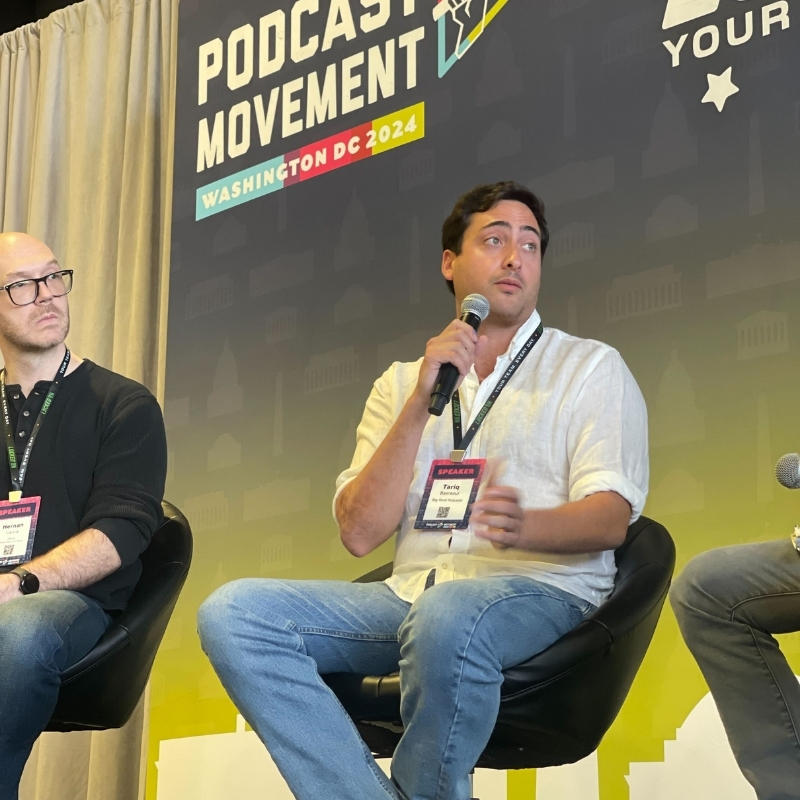
Tariq Basraoui
CEO
Tariq O’Keefe Basraoui, Co-Founder of Big Pond Podcasts, is a seasoned digital marketer and community builder with a track record of success at platforms like TikTok and Zencastr. Known for launching Zencastr’s Creator Network to over 15,000 members in 18 months, his expertise lies in growing user bases and enhancing brand engagement.
His strategic approach to growth and community engagement has established him as a leader in creating some of the fastest-growing media networks in podcasting.
