

Podcast Ad Free: A Creator’s Guide to Monetization Without Ads
The rush to create a podcast ad free experience isn’t about hating ads; it’s about hating interruptions. For years, the industry has focused on stuffing more ads into episodes, but the real opportunity is in creating premium, integrated experiences that listeners will happily pay for. To understand what a podcast ad is, how campaigns work, and why they differ from other audio marketing, explore podcast ad basics. The debate isn’t about ads vs. no ads. It’s about value.
Going ad-free offers an uninterrupted listener experience, but it’s not a single path. Creators can achieve a podcast ad free model by offering premium subscriptions via platforms like Patreon or by having listeners use special apps that block ads. The best approach depends on balancing listener preferences with a sustainable revenue model, as ad-blocking apps often cut creator income while direct support models can significantly increase it. This choice directly impacts how we help creators monetize and grow their podcasts.
What Does ‘Podcast Ad Free’ Actually Mean?
The term gets thrown around, but it covers several distinct scenarios. Understanding the difference is the first step in building a viable strategy. Each path has serious implications for your revenue and relationship with your audience.
Ad-Blocked vs. Natively Ad-Free
A natively ad-free podcast is one where the creator intentionally produces and releases episodes without any ad breaks. The business model relies on other methods, like subscriptions or direct listener support. This is a deliberate choice about the product you are creating.
An ad-blocked experience is entirely different. This is when a listener uses a third-party app or player that automatically identifies and skips ad segments in your audio file. You, the creator, still inserted the ads and expected to be paid for them, but the listener’s technology circumvents them.
The Technology Behind Ad Skipping and Blocking
How do these apps work? Some, like Adblock Podcast, maintain a database of ad an-d promo segments from popular podcasts, cutting them out during playback. Others use algorithms to detect changes in audio patterns that signify an advertisement.
More advanced concepts are also emerging. Some developmental platforms even propose paying creators when a user skips an ad, with one model suggesting a rate of 4 cents per ad-skip, equivalent to a $40 CPM. This acknowledges the listener’s choice while still compensating the creator, but it’s far from an industry standard.
The Ethics of Blocking Ads and Its Impact on Creators
The ethical debate is charged. Listeners argue they have the right to control their experience. Creators argue that ad revenue is what makes the show possible in the first place.
When we analyze the data from the 1300+ podcasts we work with, it’s clear that advertising is a primary revenue source. Widespread ad-blocking without an alternative monetization path could make many independent shows financially unsustainable. This is why a proactive strategy is so important.
Ad-Free Podcast Players and Platforms
For listeners who want a clean experience and creators looking for a platform, the market is fragmenting. You have dedicated apps, premium network subscriptions, and open-source tools all vying for attention.
Open-Source Players
Open-source apps like AntennaPod give users a high degree of control. Because they are community-developed and not tied to a specific ad network, they focus purely on the listening experience. For listeners, this means powerful features like variable speed, a sleep timer, and, critically, no platform-injected audio ads. They empower users to subscribe to any public RSS feed, including paid, ad-free ones.
Premium Platform Subscriptions
Large networks offer ad-free listening as a core benefit of their paid services. Wondery+ and some tiers of Amazon Music provide ad-free access to their catalogs for a monthly fee. For creators within these networks, this can be a stable revenue source, as the platform shares a portion of the subscription fee. However, it means ceding some control to the platform and being part of a walled garden.
A Comparison of Ad-Free Listening Options
Choosing a path forward requires weighing the trade-offs between control, revenue, and listener experience. There is no single “best” answer, only the best fit for your show.
| Method | Cost to Listener | Creator Payout | Key Consideration |
|---|---|---|---|
| Premium Subscriptions (e.g., Wondery+) | Monthly Fee ($5-$15) | Revenue share from platform | Limited to platform’s catalog; less direct audience connection. |
| Direct Support (e.g., Patreon) | Creator-set Tiers ($1-$100+) | Direct revenue minus platform fee (5-12%) | Requires managing bonus content and community. |
| Ad-Blocking Apps | Often Free or One-time cost | Potentially $0 | Actively reduces creator revenue from ad impressions. |
| Open-Source Players (e.g., AntennaPod) | Free | None directly; supports private feeds | Puts control in the listener’s hands; doesn’t block baked-in ads. |
Understanding Podcast Monetization Models for Ad-Free Experiences
If you decide to offer a podcast ad free version, you are no longer selling impressions; you are selling a product. This requires a shift in mindset and a clear understanding of the new business model. This is where you can look beyond simple downloads and build a more resilient show, a topic we explore in our resources for improving listener engagement.
An ad-blocker simply subtracts. A direct subscription model adds—it adds bonus content, community access, and a real connection between creator and listener.
The Direct Subscription Model
Platforms like Patreon or Memberful allow you to create a private, ad-free RSS feed for paying members. This is the most common and direct method. You set the price tiers, define the benefits (like bonus episodes or early access), and build a community around your biggest fans.
This model completely changes the revenue equation. Instead of chasing a $20 CPM, you might have a listener paying you $60 per year directly. It provides a predictable, recurring revenue stream that is decoupled from download numbers.
The Freemium Model: Teasers and Paid Feeds
In this model, your main public feed remains ad-supported, acting as the top of your marketing funnel. You can then offer a premium, ad-free version of the same show for a fee. This is a powerful way to convert casual listeners into paying supporters without completely abandoning ad revenue.
Many podcasters also use the premium feed to offer extended episodes or exclusive “back-catalog” access. For example, a true-crime podcast might release the current week’s episode with ads for free but have the entire 100-episode archive available instantly for paying members.
Value-for-Value and Direct Donations
A smaller, but passionate, segment of the podcasting world operates on a “value-for-value” model. The content is free for everyone, with no ads. The hosts simply ask that if listeners receive value from the show, they return some of that value in the form of a donation.
This relies entirely on listener goodwill. While it can work for shows with extremely dedicated niche audiences, it is often less predictable than a formal subscription structure.
The Impact of Ad-Free Listening on Audience Engagement
Removing ads does more than just change your bank account. It fundamentally alters the relationship you have with your listeners and how they consume your content.
How Uninterrupted Listening Affects Completion Rates
A Nielsen study on ad effectiveness highlights how jarring mid-roll ads can be. When listeners pay for an ad-free experience, they are more likely to listen to episodes from start to finish. Higher completion rates are a strong signal of content quality and audience dedication. This improved engagement makes your audience more receptive to other calls-to-action, like joining a community or buying merchandise.
Building Deeper Community with Premium Subscribers
Your premium subscribers are your superfans. Offering them an ad-free feed is just the starting point. These are the people most likely to participate in a private Discord server, join a live Q&A session, or evangelize your show to their friends. An ad-free tier gives you a direct channel to your most valuable listeners, which is a core part of effective podcast brand management.
Offering a premium ad-free tier isn’t just about removing ads. It’s about creating a separate, superior product for your most dedicated supporters.
The Psychology of Paying for Content
When someone pays for your content, a psychological shift occurs. They are no longer a passive listener; they are an active investor. They have a stake in your success. This sense of ownership can translate into much higher levels of loyalty and advocacy than you can achieve with a purely ad-supported show.
Key Considerations for Launching an Ad-Free Podcast
Transitioning to an ad-free or hybrid model requires planning. You need to validate the demand, handle the technical logistics, and clearly communicate the value to your audience. The last thing you want is to abandon a working ad model, like our average $22.35 Avg. 60-Sec CPM, for a subscription that no one buys.
Is Your Audience Willing to Pay?
Before you build anything, you need to know if there is demand. Here’s a simple process to gauge interest:
- Run a Listener Survey: Use a tool like Google Forms and ask directly. “If we offered an ad-free version for $5/month, would you be interested?”
- Analyze Your Audience Demographics: Are your listeners in a demographic with disposable income? Tools within your podcast host can provide some of this data.
- Test with a “Tip Jar”: Set up a Buy Me a Coffee or Ko-fi link. If you see very little activity, it might signal a reluctance to pay.
- Review Engagement on High-Value Episodes: Do you have certain episodes that get significantly more shares and comments? This “hardcore” content is often what people are willing to pay for.
- Ask Your Community Directly: If you have a social media group or newsletter, float the idea and listen to the feedback.
Technical Setup: Managing Parallel Feeds
If you run a freemium model, you will need to manage two RSS feeds: the public, ad-supported one and the private, ad-free one for subscribers. Most podcast hosting providers and membership platforms (like Patreon) automate this process. When a user subscribes, they are given a unique, private URL to add to their podcast player of choice.
Communicating the Value Proposition
You cannot just turn on a subscription and expect people to sign up. You need to “sell” it. On your ad-supported show, you should run your own “ads” for your premium offering. Explain the benefits clearly: no interruptions, bonus content, early access, and the chance to support the show they love. Show them how their contribution makes the podcast possible. You can even use a podcast ad calculator to frame how much direct support helps versus ad revenue.
FAQ
How do I find podcasts that offer an ad-free version?
Many creators announce their premium, ad-free options directly in their episodes. You can also check a podcast’s website or show notes for links to their Patreon, Memberful, or other subscription platforms.
Do podcasters still get paid if I use an ad blocker?
Generally, no. Most podcast ads are paid for based on the number of downloads or impressions. If an ad is blocked or skipped, it typically doesn’t count as a paid impression for the creator.
What are the most popular genres for ad-free podcasts?
While any genre can succeed, fiction, history, and in-depth educational podcasts often do very well with subscription models. Listeners of these genres value immersive, uninterrupted experiences and are often willing to pay for them.
Is an ad-free podcast the same as a private podcast?
Not necessarily. An ad-free podcast can still be public. However, the most common way to deliver a premium ad-free experience is through a private, subscriber-only RSS feed.
Does downloading an episode for offline listening remove ads?
It depends on the ad type. “Baked-in” ads, which are part of the original audio file, will still be there. Dynamically inserted ads, which are stitched in at the time of download, will also be included. Downloading doesn’t remove ads unless you’re using a specific ad-blocking player.
Creating a podcast ad free strategy is a significant move that puts you in greater control of your revenue and deepens your relationship with your audience. It requires more effort than simply reading an ad script, but the rewards—both financial and communal—can be far greater. If you’re ready to explore what a direct-support model could look like for your show, let’s talk.
About the author
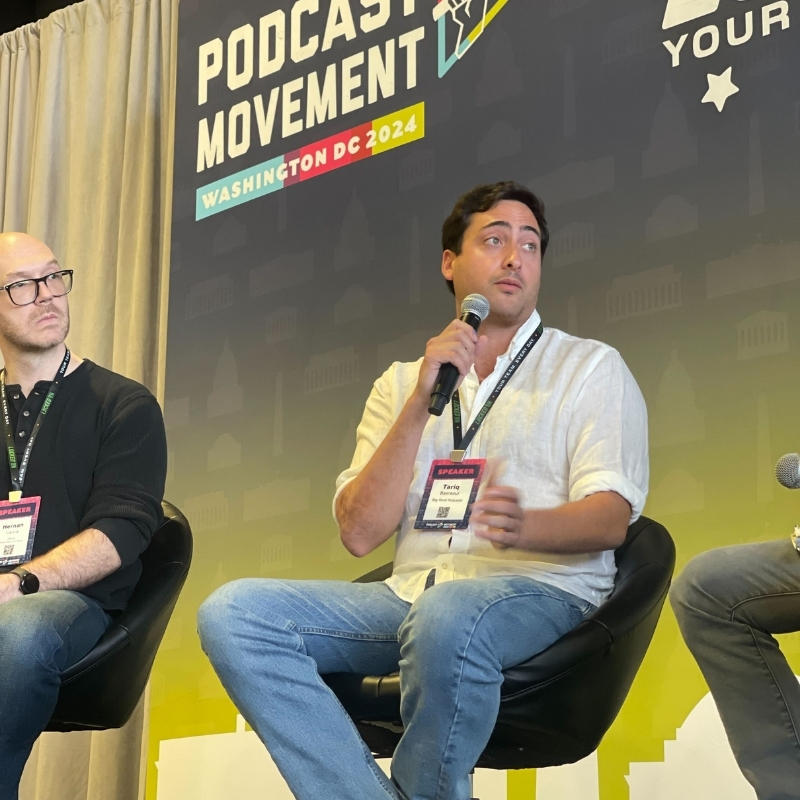
Tariq Basraoui
CEO
Tariq O’Keefe Basraoui, Co-Founder of Big Pond Podcasts, is a seasoned digital marketer and community builder with a track record of success at platforms like TikTok and Zencastr. Known for launching Zencastr’s Creator Network to over 15,000 members in 18 months, his expertise lies in growing user bases and enhancing brand engagement.
His strategic approach to growth and community engagement has established him as a leader in creating some of the fastest-growing media networks in podcasting.
