

Podcast Growth in 2026: The Data-Backed FAQ
“Stop chasing download numbers. The race for millions of anonymous listeners is a fool’s errand that burns out creators and delivers weak results. Effective podcast growth in 2026 goes beyond vanity metrics. It requires focusing on audience quality, strategic monetization, and listener engagement. To understand the critical podcast growth trends for 2026, including video integration, AI production, and hyper-niche content, delve deeper into our latest analysis. The global podcasting market is projected to reach $39.63 billion by 2030, driven by over 160 million listeners in the U.S. alone. True growth hinges on building a loyal community and leveraging diverse revenue streams.”
This isn’t about chasing algorithms; it is about building a sustainable asset. As someone who launched the Zencastr Creator Network to over 15,000 members, I’ve learned that community and content quality are the true drivers. We’ve worked with over 1,300+ podcasts at Big Pond, and the ones that succeed prioritize the listener relationship above all else. This FAQ guide cuts through the noise to give you the data and strategies that actually work.
Foundational Podcast Growth Statistics
How many podcasts are there?
As of early 2026, there are over 4.58 million podcasts globally, according to data from Podcastatistics. However, this number can be misleading. A significant portion of these are “podfaded,” with few episodes and no new content for months or even years. The number of actively producing podcasts is much smaller, representing a more realistic competitive landscape for new and growing shows. To successfully produce a podcast, you can explore essential podcast industry stats covering listener demographics, monetization strategies, and future trends shaping the audio landscape.
How many people listen to podcasts?
Podcast listenership continues its steady climb. In the United States, there are an estimated 160 million podcast listeners. Globally, the number of listeners has surpassed 584.1 million. This expanding audience shows that the appetite for audio content is far from saturated, providing ample opportunity for niche creators to find a dedicated following.
How fast is the podcast market growing?
The podcast market is expanding at a remarkable pace. The market size is experiencing a compound annual growth rate (CAGR) of 27.0%. This growth reflects increasing investment from advertisers, platform innovation, and the rising adoption of podcasts as a mainstream medium for entertainment and information.
Understanding Your Audience
What are the typical podcast listener demographics?
Podcast listeners are a diverse group, but some clear trends exist. They tend to be younger, more educated, and have a higher household income than the general population. In the U.S., the largest listener segment falls within the 12-34 age range. Understanding the specific demographics of your niche is a critical step in effective podcast growth.
How do people actually listen to podcasts?
Mobile devices dominate podcast consumption, with the vast majority of listening happening on smartphones. Listeners often tune in while commuting, exercising, or doing chores, making audio a uniquely integrated part of their daily routines. Understanding these habits is key to structuring your content—for example, knowing if your audience is more likely to listen in one long session or several shorter bursts.
Growth isn’t about getting a million anonymous downloads. It’s about building a dedicated audience that trusts you enough to act on your recommendations.
What types of podcasts are most popular?
Comedy, News, and True Crime consistently rank among the most popular genres. However, significant audiences exist across categories like Society & Culture, Business, and Health & Fitness. The key to success isn’t to force your show into a popular category but to dominate a specific niche within a broader genre. For any creator, strong effective podcast brand management is essential for standing out.
Monetization and Revenue Growth
How does podcast advertising contribute to growth?
Advertising revenue allows you to reinvest in your show—better equipment, marketing, and content. As your audience grows, so does your appeal to advertisers. This creates a virtuous cycle where monetization fuels further growth. Effective ad partnerships also lend credibility to your show, signaling a level of quality and influence.
What are monetization strategies beyond ads?
Relying solely on ads is a mistake. Savvy creators build multiple revenue streams, including listener subscriptions for bonus content, merchandise sales, and affiliate marketing. Other strategies include selling digital products like courses or ebooks, offering coaching or consulting services, and hosting live events. For a deeper look at this, explore more podcast monetization trends.
How much can you earn from podcast ads?
Earnings vary widely based on audience size, engagement, and niche. Ad rates are typically priced on a CPM (cost per mille, or thousand listeners) basis. At Big Pond, we see an average 60-second CPM of $22.35 for our partners. A show with 10,000 listeners per episode could therefore earn a significant income from just a few ad spots, especially in a desirable niche.
Strategic Podcast Growth Tactics
What are actionable strategies for independent podcasters?
First, relentlessly niche down. Being the go-to podcast for “small-batch coffee roasters” is better than being a tiny show about “business.” Second, appear as a guest on other podcasts in your space. This is the single most effective way to get in front of pre-qualified listeners. Finally, build a simple email list from day one to own your audience relationship.
How do you turn downloads into a real community?
Downloads are a vanity metric; community is an asset. Foster a community by creating a dedicated space for listeners to connect, like a Discord server or a private Facebook group. Engage directly with listener feedback, ask questions in your episodes, and create content that addresses their specific interests. The goal is to transform passive listeners into active participants who feel a sense of ownership, something we focus on with boosting podcast listener engagement.
What tools are essential for podcast growth?
Beyond your recording and editing software, you need tools for analytics and promotion. Services like Chartable and Podtrac help you understand your audience and see where your listeners are coming from. For promotion, consider a tool like Reel.so to create audiograms for social media. A good email service provider like ConvertKit or Mailchimp is also non-negotiable for building your own audience list.
Is video podcasting necessary for growth?
It’s not strictly necessary, but it is a massive opportunity that is becoming harder to ignore. Platforms like YouTube are major podcast discovery engines. A video version of your podcast, even if it’s just a static image with audio, makes your show discoverable to a whole new audience. Full video production offers even more ways to connect with viewers through body language and visual aids. Around 85% of podcast listeners now consume podcasts with video components.
“Podcasting is not a quick win. It is a long-term compounding strategy.”
Future-Proofing Your Podcast
What are the biggest future trends in podcasting?
Three major trends are shaping the future: AI integration, programmatic advertising, and increased platform exclusivity. AI tools will streamline editing and discoverability. Programmatic ads will offer more precise targeting. Meanwhile, major platforms will continue to sign exclusive deals with top talent, making it more important for independent creators to own their audience directly.
How is AI changing podcast production and discovery?
AI is already making a huge impact. Tools can automatically remove filler words, master audio quality, and even generate transcripts in minutes. For discovery, AI will power more personalized recommendations, helping listeners find niche shows that perfectly match their interests. This is a huge benefit for creators who aren’t topping the main charts.
How do podcast growth trends differ by region?
The podcast market is most mature in North America, which remains the largest market by revenue. However, Europe and the Asia Pacific region are showing explosive growth. Listening habits and preferred genres can vary significantly. For instance, educational and self-improvement podcasts see high engagement in many Asian markets, while storytelling and fiction podcasts have a strong following in parts of Europe.
Frequently Asked Questions
How long does it take to see podcast growth?
Consistent effort over 6-12 months is typically required before you see meaningful traction. Early growth is slow and comes from word-of-mouth and direct promotion. The key is to publish consistently and focus on quality content that serves a specific audience. Growth is rarely a sudden spike; it’s a gradual build.
Is it too late to start a podcast?
No. While there are more podcasts than ever, most niches are far from saturated. It’s too late to start a generic, unfocused podcast. It is not too late to start the best podcast for a specific, underserved community. The opportunity has shifted from broad appeal to deep, niche authority.
Do I need social media for my podcast?
Yes, but you don’t need to be on every platform. Pick one or two platforms where your target audience is most active and focus your efforts there. Use social media not just to promote new episodes, but to share behind-the-scenes content and engage in conversations with your listeners.
What are good download numbers for a new podcast?
In the first 30 days, getting over 150 downloads per episode is a solid sign that you have a viable concept. The median podcast gets far fewer. Instead of obsessing over the number, focus on its trend. Is it growing month over month? That’s the most important metric.
How often should I release new episodes?
Consistency is more important than frequency. A weekly schedule is the most common and effective for many, as it builds a regular listening habit. However, a bi-weekly or even monthly show can succeed if the content is high-value and you communicate the schedule clearly to your audience.
Start Your Podcast Growth Journey
Building a successful podcast is a marathon, not a sprint. It takes data-informed strategy, a deep understanding of your audience, and a focus on creating value. If you’re serious about building a real asset and exploring ways to monetize and grow, our team can help.
At Big Pond, we specialize in helping creators build sustainable growth and connect with brands like Airbnb. Let us help you navigate the next steps in your podcasting journey. Reach out to see how we can work together.
About the author
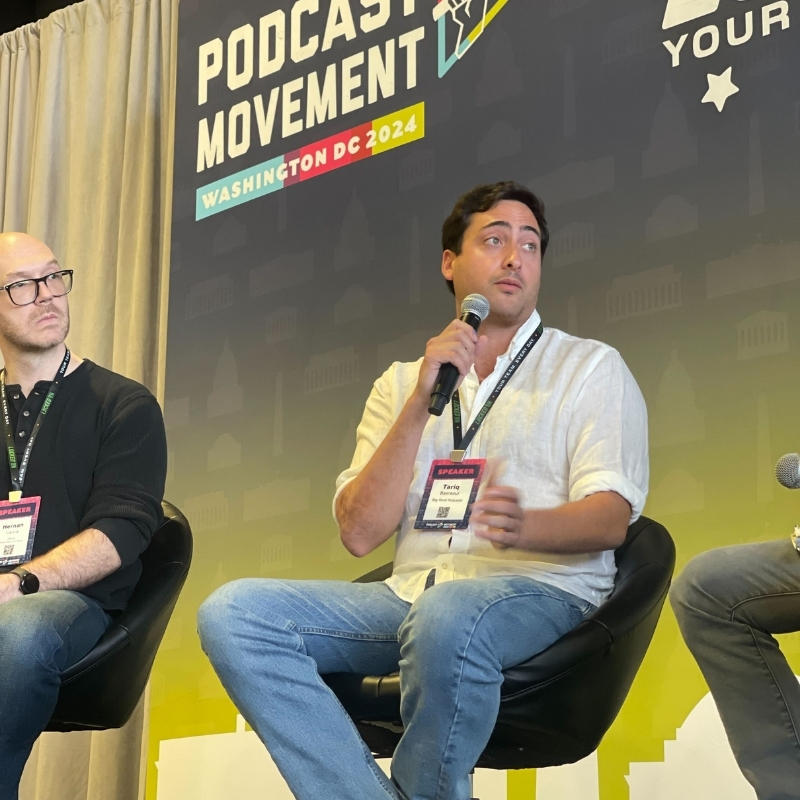
Tariq Basraoui
CEO
Tariq O’Keefe Basraoui, Co-Founder of Big Pond Podcasts, is a seasoned digital marketer and community builder with a track record of success at platforms like TikTok and Zencastr. Known for launching Zencastr’s Creator Network to over 15,000 members in 18 months, his expertise lies in growing user bases and enhancing brand engagement.
His strategic approach to growth and community engagement has established him as a leader in creating some of the fastest-growing media networks in podcasting.
