

The 2026 Podcast Industry Statistics You Need to Know
Too many creators track the wrong numbers. They fixate on download counts from their first month, see slow growth, and quit before they find an audience. The real story of the industry isn’t just about downloads; it’s about deep engagement and massive, untapped potential for niche content.
The podcast industry continues its powerful expansion in 2026, with over 4.58 million podcasts globally and a listener base projected to hit 619 million. The market is worth an estimated $39.63 billion, fueled by diverse monetization strategies and deeply engaged audiences who spend nearly seven hours per week listening. This growth presents massive opportunities for creators who understand the data driving listener behavior, content trends, and advertising effectiveness, moving well beyond simple download counts as a measure of success.
Listener Growth & Demographics
How many people listen to podcasts?
The global podcast audience is enormous and growing. Current data shows that around 584.1 million people listen to podcasts. Projections estimate that by the end of 2026, the number of listeners worldwide will reach 619 million.
In the United States alone, the audience is deeply established. About 55% of the population, which translates to roughly 158 million people, are listening on a monthly basis.
What are the key podcast listener demographics?
Podcast listeners are a diverse group, but some clear trends emerge. In the U.S., monthly listeners are fairly evenly split between males (53%) and females (46%). The most active age group is 12-34, making up 50% of the monthly listenership.
Listeners also tend to be highly educated and affluent. A significant portion holds a bachelor’s degree or higher, and many report a full-time income over $75,000, making them a prime audience for advertisers.
How much time do people spend listening to podcasts?
Engagement is one of podcasting’s biggest strengths. Listeners aren’t just passively tuning in; they are dedicating significant time to shows they love. On average, podcast listeners spend about 7 hours per week with their favorite shows.
This high level of engagement is a key factor in why podcast advertising, especially host-read ads, is so effective. It also shows a clear opportunity for creators to build strong communities around their content, something we focus on heavily when helping shows improve podcast listener engagement.
Where do people listen to podcasts?
The smartphone is king. An overwhelming 86.1% of people prefer to listen to podcasts on their mobile phones, highlighting the importance of a mobile-friendly distribution strategy. This allows for listening during commutes, workouts, and other daily activities.
However, the rise of smart speakers like Amazon Alexa and Google Home is creating a new frontier for in-home listening. This shift opens up different content opportunities, potentially favoring shorter, more transactional content or shows designed for family listening.
How many podcasts are there?
How many total podcasts exist globally?
The podcast universe is vast. As of early 2026, there are over 4.58 million podcasts worldwide. This number includes shows in hundreds of languages across countless genres.
However, this number can be misleading. It includes shows that have published hundreds of episodes and those that published one and were abandoned—a phenomenon known as “podfading.” The key is to look at active shows publishing consistently.
How often are new podcast episodes published?
Weekly is the most common publishing cadence for active podcasts. This frequency strikes a balance between staying top-of-mind with an audience and allowing for quality production. Daily and bi-weekly are also common, especially for news and commentary shows.
This consistency is crucial for audience growth. As we work with over 1,300+ shows, we see a direct correlation between a reliable publishing schedule and sustained listener growth.
What is the average podcast length?
The average podcast episode length is between 20 and 40 minutes. This range seems to be the sweet spot for a typical commute or workout session.
However, there is no one-size-fits-all rule. Some of the most successful shows are over an hour long, catering to deep-dive topics, while others find success in sub-10-minute daily briefings. The right length depends entirely on the content and the audience’s expectations.
Don’t chase an “average” episode length. Serve your topic and your audience, whether that takes 15 minutes or 90.
Podcast Monetization and Market Size
How big is the podcast market?
The podcasting market represents a significant and rapidly expanding part of the media landscape. The global market is currently estimated to be worth $39.63 billion. This valuation includes revenue from advertising, sponsorships, and direct listener support.
This financial growth is a testament to the industry’s ability to attract and retain an engaged, valuable audience. That audience provides a massive opportunity for the creators we work with to both monetize and grow their podcasts.
How do podcasts make money?
Advertising remains the primary revenue driver, from host-read ads to programmatic placements. But monetization is becoming increasingly diverse. Many creators now use a hybrid model that includes premium subscriptions for bonus content, affiliate marketing, and selling their own products or services.
Direct listener support through platforms like Patreon is also a huge component. This allows for a direct financial relationship with the audience, insulating creators from the ups and downs of the ad market. To see how these variables fit together, you should explore the factors that drive real revenue and check out our tips for monetizing even small podcasts.
How effective is podcast advertising?
Podcast advertising is highly effective because it reaches an audience that is actively listening. Unlike visual ads that can be ignored, audio ads are delivered directly to the listener. Host-read ads, in particular, perform exceptionally well because they borrow the trust the host has built with their audience.
This is why brands see strong results and why podcasting commands high CPMs. Here at Big Pond, we see an average 60-second CPM of $22.35 for the shows in our network, reflecting the value advertisers place on this engaged listenership.
Technology and Future Trends
Are video podcasts becoming more popular?
Yes, video is a major growth area. Platforms like YouTube and Spotify have invested heavily in video podcasting, and audiences are responding. Creating a video version of a podcast makes the content more discoverable through search and shareable on social media.
It doesn’t have to be a high-budget production. Many successful video podcasts are simply recordings of the hosts having a conversation. The key is that it provides a new medium for audiences to connect with the content and the creators. Our data shows that top-performing shows often see significant audience crossover between audio and video formats.
How does accessibility factor into podcasting?
Accessibility is a critical and growing consideration. Providing full transcripts for every episode is the most important step. Transcripts make content accessible to people who are deaf or hard-of-hearing, and they also improve SEO by making your audio content indexable by search engines.
Beyond transcripts, some creators are experimenting with multi-language support and descriptive audio for visual elements in video podcasts. As an industry focused on amplifying diverse voices, making content accessible to everyone is a logical and necessary evolution.
Your podcast’s growth isn’t just in finding new listeners. It’s in making your existing content accessible to audiences who couldn’t reach it before.
What is the future outlook for the podcast industry?
The outlook is incredibly strong. Projections point to continued listener growth, with the global audience expected to exceed 600 million people by the end of the year. Advertising revenue is set to follow that same upward trajectory.
We anticipate more innovation in monetization, interactivity, and discovery. Tools that help creators build and understand their audience will become even more important. Understanding these trends is key to building a successful show, and it’s core to our approach for helping podcasters plan for long-term success and is a big part of our thinking on overall podcast growth.
Frequently Asked Questions
What percentage of the US population listens to podcasts monthly?
In 2026, 55% of the U.S. population listens to podcasts on a monthly basis. This figure, representing around 158 million people, demonstrates how mainstream podcast consumption has become.
What device is most popular for listening to podcasts?
The mobile phone is the most dominant device, used by 86.1% of podcast listeners. This highlights the on-the-go, personal nature of podcast consumption.
Are video podcasts more popular than audio-only?
While audio-only remains the primary format, video podcasts are rapidly growing in popularity. They don’t necessarily replace audio but offer a supplementary and highly discoverable format, especially on platforms like YouTube.
How many podcasts are on Spotify?
While an exact, up-to-the-minute number is proprietary to Spotify, the platform is one of the largest podcast directories. It hosts a significant portion of the 4.58 million podcasts available globally.
What is the most common podcast genre?
Comedy consistently ranks as one of the most popular podcast genres. Society & Culture, News, and True Crime also draw massive audiences, showing a wide range of listener interests.
Ready to turn these industry trends into your own success story? At Big Pond Podcasts, we provide the tools and expertise to help you grow your audience and monetize your content. Contact us today to get started.
About the author
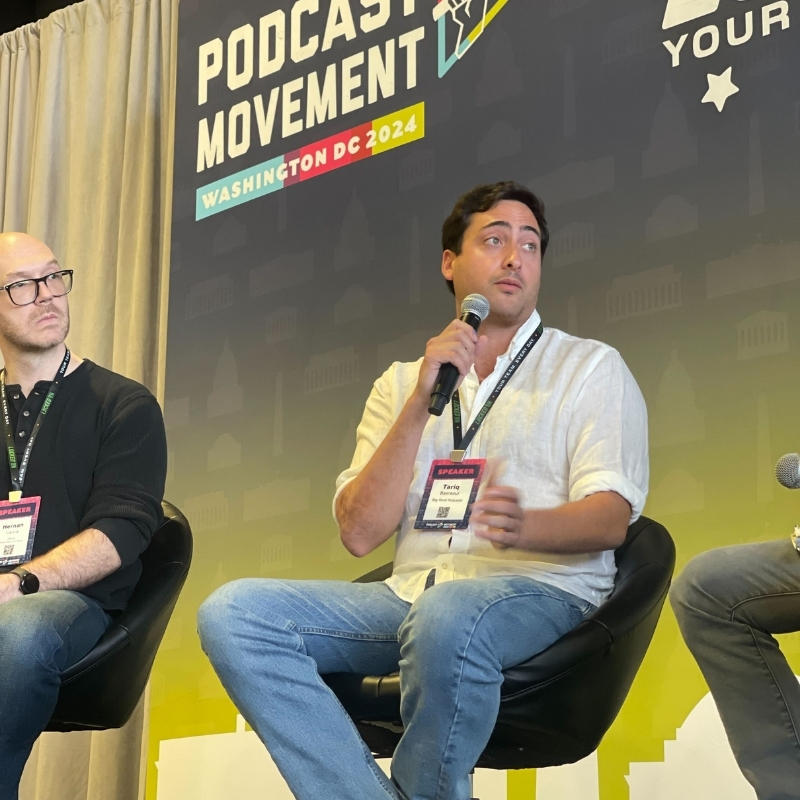
Tariq Basraoui
CEO
Tariq O’Keefe Basraoui, Co-Founder of Big Pond Podcasts, is a seasoned digital marketer and community builder with a track record of success at platforms like TikTok and Zencastr. Known for launching Zencastr’s Creator Network to over 15,000 members in 18 months, his expertise lies in growing user bases and enhancing brand engagement.
His strategic approach to growth and community engagement has established him as a leader in creating some of the fastest-growing media networks in podcasting.
