

How to Start a Podcast in 2026: A 10-Step Guide
“Everyone thinks starting a podcast is about buying a fancy microphone. They are wrong. Succeeding in a world of over 4 million podcasts isn’t about gear; it’s about discipline, a unique point of view, and a clear plan before you ever press record. Learning how to start a podcast involves defining your niche and format, selecting the right equipment for your budget, recording and editing your audio, and setting up hosting for distribution. To truly produce a podcast successfully, you must then create a strategy for launch, promotion, and eventually, monetization to ensure your voice is heard. For a complete blueprint, learn how to start a podcast and grow your show.”
Planning Your Podcast: From Concept to Content

The most important work of your podcast happens before you ever speak into a microphone. A show without a clear concept is a show that will fizzle out after six episodes. According to a 2023 report from the Pew Research Center, nearly half of Americans have listened to a podcast, which means the audience is there—but they have endless choices.
Developing Your Core Concept and Niche
Your concept is your podcast’s north star. It’s the single idea that answers the question: “Why should someone listen to this?” Don’t try to be for everyone. Instead, find a specific, underserved niche. Examples include a podcast about baking sourdough specifically for high-altitude environments, or a show reviewing only science-fiction films from the 1970s. The more specific your niche, the easier it is to find a dedicated audience.
Choosing Your Podcast Format
Your format dictates the show’s structure and workflow. There is no single “best” format; choose one that fits your personality and topic.
- Solo Host: You are the single voice of the show. This format offers complete creative control but requires significant effort in content planning to stay engaging.
- Co-hosted: Two or more hosts discuss topics. The chemistry between hosts is critical here, as seen in popular shows like SmartLess.
- Interview Show: The host interviews a different guest each episode. This is great for leveraging your guests’ audiences for growth but requires strong networking and research skills.
- Narrative/Storytelling: Highly produced, scripted shows like Serial. This format requires the most post-production work but can be incredibly immersive.
Defining Your Target Audience
Create a “listener persona.” Give them a name, a job, and a reason they need your content. Are you talking to college students trying to break into a new industry, or busy parents looking for 15-minute productivity hacks? This persona will guide your tone, episode length, and promotional efforts.
Podcast Equipment Essentials
While content is king, poor audio quality is a death sentence for a new podcast. You don’t need a professional studio, but you do need clean, clear sound. The initial cost of starting a podcast can range from under $100 to several thousand, depending on your choices.
Your First Microphone: USB vs. XLR
This is your most important purchase. The debate comes down to USB vs. XLR microphones.
| Feature | USB Microphones | XLR Microphones |
|---|---|---|
| Connectivity | Plugs directly into your computer’s USB port. | Requires an audio interface or mixer to connect to a computer. |
| Ease of Use | Plug-and-play; ideal for beginners. | Requires more setup and technical knowledge. |
| Cost | Generally more affordable ($50 – $200). | Mics can be affordable, but the required interface adds to the cost ($150+ total). |
| Flexibility | Limited to one mic per computer. | Allows for multi-mic setups for co-hosts or interviews. |
| Good For | Solo hosts, beginners, simple setups. | Growing shows, multiple hosts, professional sound quality. |
For a deeper understanding of microphone technology, educational resources from brands like Audio-Technica are invaluable. A popular starter USB mic is the Blue Yeti. A common entry-level XLR setup is a Focusrite Scarlett 2i2 interface paired with a Rode PodMic.
Headphones and Pop Filters
You need headphones to monitor your audio while recording, preventing echo and mistakes. Closed-back headphones like the Sony MDR-7506 are an industry standard because they prevent sound from leaking out and being picked up by your microphone. A pop filter is a non-negotiable piece of foam or mesh that sits in front of your mic to soften harsh “p” and “b” sounds, known as plosives.
Recording and Editing: Bringing Your Audio to Life

This is where your show takes shape. The goal is to create a clean, professional-sounding file that is ready for your audience. This process is often called post-production.
Choosing Your Recording & Editing Software
Your Digital Audio Workstation (DAW) is the software you’ll use to record and edit. There are excellent free and paid options available.
- Free Options: Audacity is a powerful, open-source editor that has been a starting point for countless podcasters. GarageBand is another fantastic free option available on all Apple devices.
- Paid Options: For more advanced features like automated noise reduction and better plugins, consider Adobe Audition or Descript. Descript is particularly innovative, as it allows you to edit audio by editing a text transcript.
A 5-Step Process for Recording Your First Episode
- Set Up Your Space: Choose a quiet room with soft furnishings like carpets, curtains, or even a closet full of clothes to dampen echo.
- Mic Technique: Position the microphone about 6-8 inches from your mouth, slightly off to the side to avoid plosives. Use your pop filter.
- Record a Test: Record a few sentences and listen back with your headphones to check your levels. You want your audio to peak between -12dB and -6dB on the meter.
- Record the Episode: Use an outline or script to guide you. If you make a mistake, pause for a few seconds and restart the sentence. The pause makes it easy to edit out the mistake later.
- Export the File: Export your final recording as a WAV or high-quality MP3 file to begin editing.
Advanced Audio: Noise Reduction and Mastering
During editing, you will remove mistakes, add intro/outro music, and balance audio levels. Noise reduction tools can remove background hiss or hum. Mastering is the final step where you apply compression and equalization to make the overall volume consistent and compliant with platform standards, ensuring a good listening experience on everything from earbuds to car stereos. This is a key part of our focus on quality when helping the 1300+ shows we work with sound their best.
Don’t chase perfection on episode one. Your first ten episodes are for practice. Consistency is far more valuable than producing a single, flawless episode and then burning out.
Launching Your Show: Hosting and Distribution
Your audio files need a place to live on the internet so they can be distributed to listening apps. This is where podcast hosting and RSS feeds come in.
Setting Up Your Podcast Hosting
You cannot upload your audio files directly to Apple Podcasts or Spotify. You need a dedicated podcast hosting provider. These services store your files and generate an RSS feed, which is a unique URL that contains all your show’s information and tells the directories where to find your episodes. When choosing a host, look for reliable analytics, adequate storage, and ease of use.
Creating Your Podcast Artwork and Brand
Your podcast cover art is your show’s first impression. It needs to look professional and communicate your topic clearly. Most directories like Apple Podcasts require specific artwork standards, typically a 3000×3000 pixel JPG or PNG. Tools like Canva have templates specifically for podcast artwork.
Submitting to Directories
Once your host generates your RSS feed, you will submit it once to each major directory. This includes Apple Podcasts, Spotify, Google Podcasts, and others. After this initial submission, new episodes you upload to your host will automatically appear in all directories.
Legal 101: Music Rights and Intellectual Property
You cannot use popular music from artists like Taylor Swift or Drake in your podcast without paying substantial licensing fees. Doing so is a violation of copyright law. For background music and themes, you must use royalty-free music. Services like Artlist and Epidemic Sound offer subscription access to vast libraries, and you can also find music through the Creative Commons search portal.
Monetization Strategies: Turning Your Passion into Profit

Many podcasters aim to generate revenue from their shows. We specialize in helping creators monetize and grow their podcasts. This can be achieved through several methods, even for shows with smaller, highly engaged audiences. Effective monetization is a core component of sustainable growth, a topic we explore more in our guide to podcast monetization.
Advertising: Host-Read vs. Programmatic Ads
Advertising is the most common monetization path. Host-read ads, where the host personally endorses a product, are highly effective. At Big Pond, we see an average 60-second CPM (cost per mille, or thousand listeners) of $22.35 for these ads because they build on listener trust. Programmatic ads are inserted automatically by an ad network and are less personal but require no work from the host.
Direct Monetization: Subscriptions and Donations
Instead of relying on ads, you can ask your most dedicated listeners to support the show directly. Platforms like Patreon or member-supporter features on hosting sites allow you to offer bonus content, early access, or ad-free episodes in exchange for a monthly subscription. This provides a predictable revenue stream.
Leveraging Your Podcast for Other Business Goals
A podcast doesn’t have to be your main business. It can be a powerful marketing tool for your existing company, freelance service, or personal brand. It builds authority, generates leads, and creates a deep connection with potential customers.
Your audience is not a number to be sold. It is a community to be cultivated. The most successful podcasts build a feedback loop with their listeners, making them part of the show’s journey.
Growing Your Audience
A great podcast that no one hears is a missed opportunity. Growth requires intentional effort. A comprehensive podcast growth strategy will involve more than just publishing your episodes.
Podcast SEO: Show Notes and Transcripts
Search engines like Google are getting better at indexing audio content. Your show notes should be detailed paragraphs summarizing the episode and including relevant keywords. Publishing a full transcript of your episode makes every word searchable, dramatically increasing the surface area for discovery.
Promotion and Community Building
Use social media to share audiograms (short video clips of your audio) and engage in conversations related to your niche. Join online communities on Reddit or Facebook where your target audience congregates. Answer questions, provide value, and only then mention your podcast. Building a genuine community is the most sustainable growth engine you have.
Further reading
- How to Start a Podcast in 2026 – Beginner Podcasting Tutorial
- How to Start a Podcast in 2025 (Checklist for Beginners)
Frequently Asked Questions
How much does it realistically cost to start a podcast?
You can start a podcast for under $100. This would cover a quality USB microphone like the Samson Q2U and a pop filter. Monthly hosting fees typically start around $12-$20. Free software like Audacity and GarageBand means you don’t need to budget for editing tools initially.
How long should a podcast episode be?
There is no magic number. Episode length should be determined by your content and your audience’s habits. A daily news podcast might be 10 minutes, while a deep-dive interview could be 90 minutes. The key is to be consistent and respect your listener’s time.
Can I start a podcast with just my phone?
Yes, you can. The microphones on modern smartphones are surprisingly capable, especially when used with an external plug-in mic. Editing can also be done on a phone with apps like Anchor or Descript. While not ideal for long-term professional quality, it is a completely valid way to start with a budget of zero.
How many episodes should I have before I launch?
It is a common best practice to launch with a “batch” of 3 to 5 episodes. This gives new listeners plenty of content to binge, increasing the chance they will subscribe. It also proves to yourself and your audience that you are committed to the project long-term.
Launching a podcast is a journey, not a destination. From finding your unique voice to connecting with a global audience, the path is open to anyone with a story to tell. If you’re ready to grow and monetize your show, we’re here to help you navigate the next steps. Feel free to reach out and learn how we can amplify your voice.
About the author
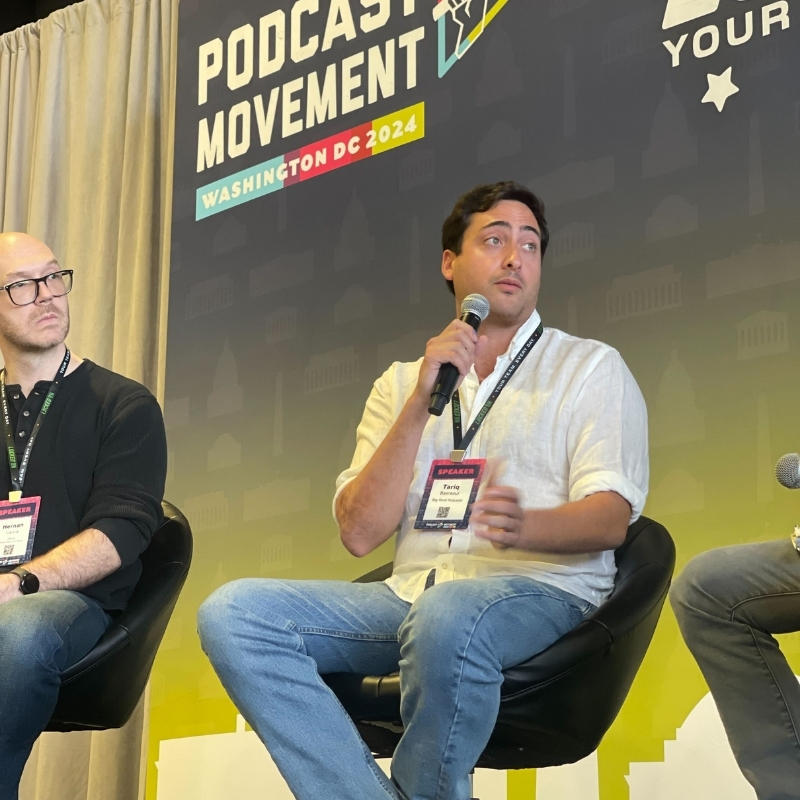
Tariq Basraoui
CEO
Tariq O’Keefe Basraoui, Co-Founder of Big Pond Podcasts, is a seasoned digital marketer and community builder with a track record of success at platforms like TikTok and Zencastr. Known for launching Zencastr’s Creator Network to over 15,000 members in 18 months, his expertise lies in growing user bases and enhancing brand engagement.
His strategic approach to growth and community engagement has established him as a leader in creating some of the fastest-growing media networks in podcasting.
