
The Step-by-Step Guide to Producing a Podcast in 2026
Most new podcasts fail because they fixate on the microphone, not the mission. The truth about producing a podcast is that the recording is just one small part of a larger production system. To succeed, you need a repeatable process covering everything from idea to listener engagement. This guide provides that process. By following these steps, you will have a clear, actionable framework for launching and growing a podcast that finds its audience and makes an impact, avoiding the common pitfalls that silence creators before they even get started. For a deeper dive into making a podcast and to optimize your workflow, explore our comprehensive frameworks.
Prerequisites
Before you hit record, ensure you have these three things:
- A Clear Show Concept: What is your podcast about? Who is it for? What makes it different?
- A Target Listener Profile: Get specific. Don’t just say “millennials”; define their interests, problems, and what they want to hear.
- A Basic Budget: You can start for under $100, but know your limits for equipment and hosting services.
Step 1: Planning Your Podcast

Every successful podcast starts with a solid plan. Your show’s format, duration, and content strategy should be deliberate choices, not afterthoughts. A typical 30-minute interview show requires hours of planning, from guest outreach to question scripting. This initial work is the foundation for your entire production workflow. Define your niche and stick to it; a show for everyone is a show for no one.
Consider the legal aspects early. Securing rights for music is complex and expensive. A service like Epidemic Sound or Artlist provides royalty-free tracks for a subscription fee, which is a much safer path. Also, establish your intellectual property from day one—this is your show.
Step 2: Understanding Podcast Equipment: What You’ll Need
Your gear should match your ambition and budget. You do not need a $4,000 setup to start. Focus on clean audio.
A great starter USB microphone is the Blue Yeti. It’s versatile and plugs directly into your computer. For those ready to upgrade, an XLR microphone like the Shure SM7B paired with an audio interface like the Focusrite Scarlett 2i2 offers professional-grade sound.
Don’t forget headphones. Closed-back headphones like the Audio-Technica ATH-M20x are essential for monitoring your audio without it bleeding into the microphone. Your editing software (DAW) is also key. Audacity is a powerful and free audio editor that works for many top podcasters. For more advanced features and AI-powered editing, consider Descript or Adobe Audition.
Step 3: Recording and Editing Your Podcast


Great source audio makes editing infinitely easier. Record in a quiet, soft-furnished room to reduce echo. A closet full of clothes is a classic and effective DIY vocal booth.
For remote interviews, use a dedicated platform like Zencastr or Riverside.fm. These platforms record each person’s audio locally, preventing glitches from internet instability. This is a non-negotiable for professional-sounding remote conversations.
During editing, your first pass is for content—cut out mistakes and dead air. Your second pass is for technical quality. Use an equalizer (EQ) to clean up frequencies and a compressor to even out volume levels. Finally, master your audio to the industry standard of -16 LUFS for stereo to ensure a consistent listening experience across all platforms. A deep dive on loudness standards can prevent your show from sounding amateurish.
Step 4: Distributing Your Podcast
Your podcast needs a home online. A podcast hosting service stores your audio files and generates the RSS feed that powers your show. You upload your final MP3 and show notes to your host, and they do the rest. This RSS feed is what you will submit to directories.
Submit your RSS feed to all major directories, including Apple Podcasts, Spotify, and Google Podcasts. This is typically a one-time setup for each new show. Once approved, new episodes you publish on your host will automatically appear for subscribers on these platforms.
Step 5: Promoting Your Podcast: Reaching a Wider Audience
“Build it and they will come” does not apply to podcasting. Promotion is an ongoing task. In 2006, only 12% of internet users had downloaded a podcast; now, that market has exploded. Today, there are an estimated 424 million podcast listeners worldwide, and you can even expand your reach by exploring video podcasting. You need to fight for their attention.
Create audiograms—short video clips of your audio with a waveform—using tools like Headliner to promote episodes on Instagram and TikTok. Your most impactful promotion tool is often other podcasts. Use a tool like Rephonic to find shows with similar audiences for cross-promotional opportunities. Don’t forget to build an email list from day one to notify your most loyal fans about new episodes. For a detailed look at audience building, explore strategies for quality podcast growth.
Step 6: Monetizing Your Podcast: Turning Passion into Profit
Monetization isn’t just for shows with millions of downloads. The key is to match the method to your audience size and engagement. At Big Pond, we help creators monetize and grow podcasts of all sizes.
Don’t just chase CPMs. A small, hyper-engaged audience can be more valuable through direct support than a large, passive one is through programmatic ads.
Advertising is the most common method, but direct listener support through platforms like Patreon or Supercast can be more lucrative, especially for niche shows. Selling your own products, courses, or consulting services is another powerful model. This approach builds a business around your podcast, not just on top of it. For smaller shows, these strategies are often the best path to sustainability. Check our thoughts on monetizing your podcast for more ideas.
Troubleshooting Common Podcasting Issues
Your first episodes will not be perfect. That’s okay. The key is to identify problems and systematically improve.
If you have poor audio quality, focus on your recording environment first, not new gear. Hang blankets, record in a closet, and get close to your microphone. If you find your listener numbers dropping off at a certain point in your episodes, analyze your content. Is it too long? Does the energy dip? Use your analytics to diagnose content problems.
Creative burnout is real. If you feel it, revisit why you started. It might be time to change your format, take a scheduled break, or bring on a collaborator to share the workload. We work with over 1300+ podcasts, and we see this pattern often; the creators who succeed are the ones who build sustainable workflows.
Producing a podcast is a marathon. By implementing these systems for planning, recording, and promotion, you’re building a foundation that can support your show’s growth for years to come. With our partners reaching over 200M+ monthly listeners, we know what it takes to scale. Start with these steps, stay consistent, and focus on providing value to your specific audience.
Further reading
FAQ
How long should a podcast episode be?
There is no magic number. An episode should be as long as it needs to be to deliver its value, and no longer. Check a podcast analytics tool like Chartable to see where your listeners drop off and adjust from there. A 15-minute daily show can be as successful as a 3-hour deep dive if the content serves the audience.
What is the most common mistake new podcasters make?
Inconsistency. They release three episodes in one week and then disappear for a month. Create a content calendar you can realistically stick to. Publishing consistently, even if it’s just once a month, builds trust and anticipation with your audience.
Can I use popular music in my podcast?
No, not without obtaining a license, which is prohibitively expensive for almost all independent creators. Using music without permission is a copyright violation that can get your podcast removed from platforms and lead to legal action. Use royalty-free music from a subscription service instead.
How much does it cost to produce a podcast?
It can range from nearly free to thousands of dollars per episode. You can start with a USB microphone ($50-$120), free editing software (Audacity), and a low-cost media host ($10-$20/month). The biggest cost is your time.
How long does it take for a podcast to make money?
It depends on your monetization strategy. With affiliate links or selling your own service, you can technically make money from day one. For traditional CPM-based advertising, you often need thousands of downloads per episode, which can take months or even years to achieve.
What is the difference between a podcast producer and a host?
The host is the voice and face of the show, responsible for delivering the content. The producer works behind the scenes, managing everything from guest booking and scriptwriting to audio editing, sound design, and publishing. In many independent podcasts, the host does both jobs.
Do I need a co-host?
A co-host can add dynamic conversation and reduce the content burden on one person. However, a bad co-host can introduce scheduling conflicts and creative disagreements. Only start a show with a co-host if you have proven chemistry and a shared vision. Starting a podcast is one thing, but a start podcast plan for long-term success.
About the author
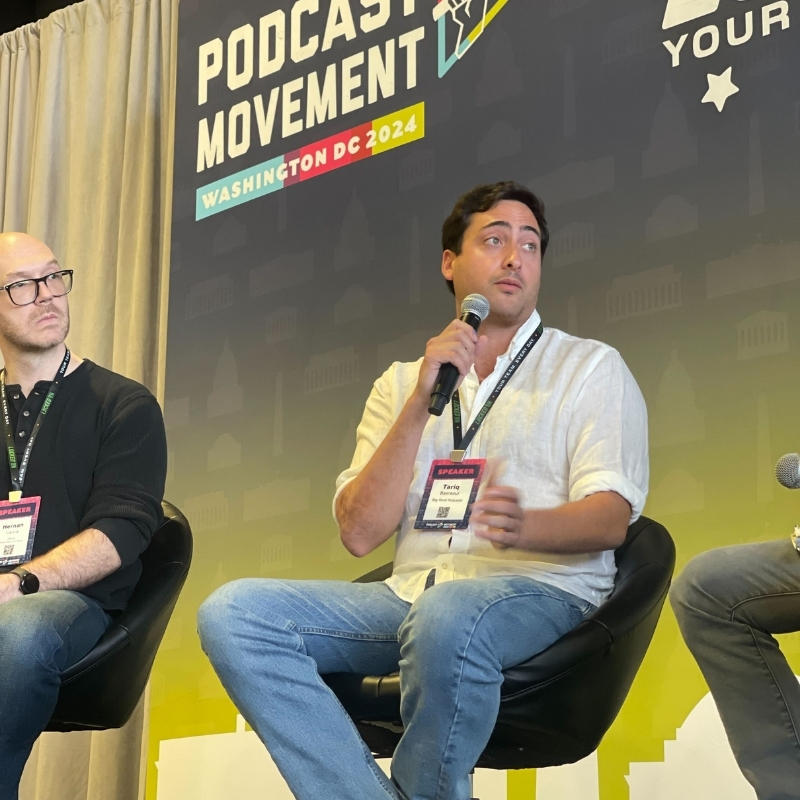
Tariq Basraoui
CEO
Tariq O’Keefe Basraoui, Co-Founder of Big Pond Podcasts, is a seasoned digital marketer and community builder with a track record of success at platforms like TikTok and Zencastr. Known for launching Zencastr’s Creator Network to over 15,000 members in 18 months, his expertise lies in growing user bases and enhancing brand engagement.
His strategic approach to growth and community engagement has established him as a leader in creating some of the fastest-growing media networks in podcasting.
